I missed my Eurostar back to London because I was arguing with a pigeon over the last corner of my crêpe on the Pont de l'Archevêché. The pigeon won. I got a bonus night in Paris. Reader, I did not complain.
Two days is barely enough to skim the cream — so we're skimming very deliberately. Zero museums except the Louvre (one wing only). Every meal is within walking distance of the next stop. You will still leave changed.
Skip the lines. Book everything the night before on Viator.
72 Hours: Paris Properly
Three days lets you breathe. We add Montmartre on Day 2 and a half-day in the Marais on Day 3 — enough to feel like you lived here, briefly.
4 Days: The Flaneur Version
Four days is the minimum to be a flaneur rather than a tourist. You get Versailles, a proper Canal Saint-Martin afternoon, and one long lunch that runs into dinner.
7 Days: Fall in Love With a Neighbourhood
A week lets Paris reveal itself on its own schedule. You'll have a favourite café by Day 3. By Day 6 you'll be annoyed at the tourists. Welcome to the city.
Estimated budget:$480–$720 est. (budget–mid, incl. 1 hotel night)
Estimated budget:$680–$1,050 est. (2 hotel nights + day trips)
Estimated budget:$880–$1,380 est. (Versailles day trip + 3 nights)
Estimated budget:$1,500–$2,400 est. (full week, mid-range hotels)
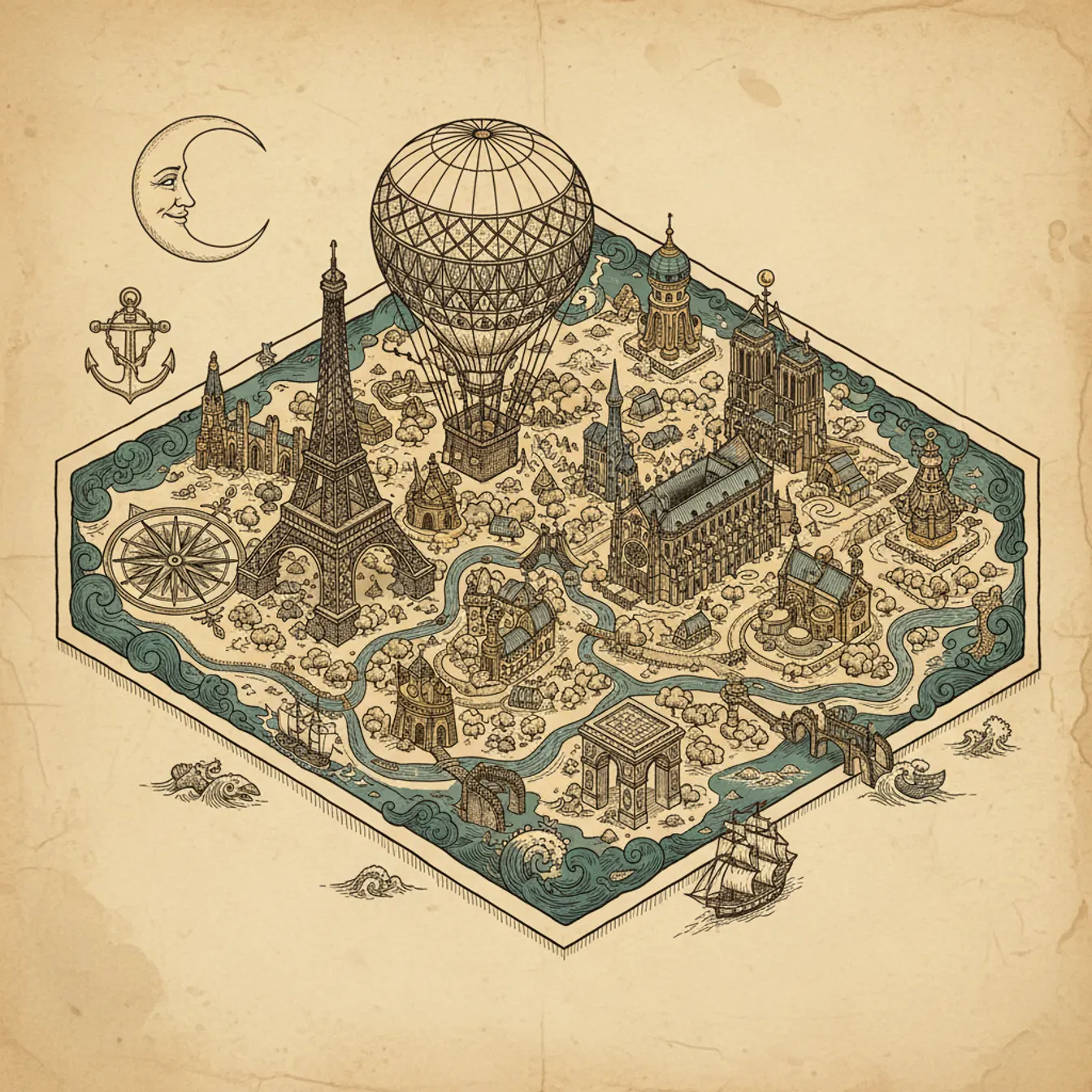
[ THE DISPATCH · FIELD MAP ]
A tilted, hand-drawn dispatch of Paris. Click a quarter to explode it open.
0 / 6 quarters explored
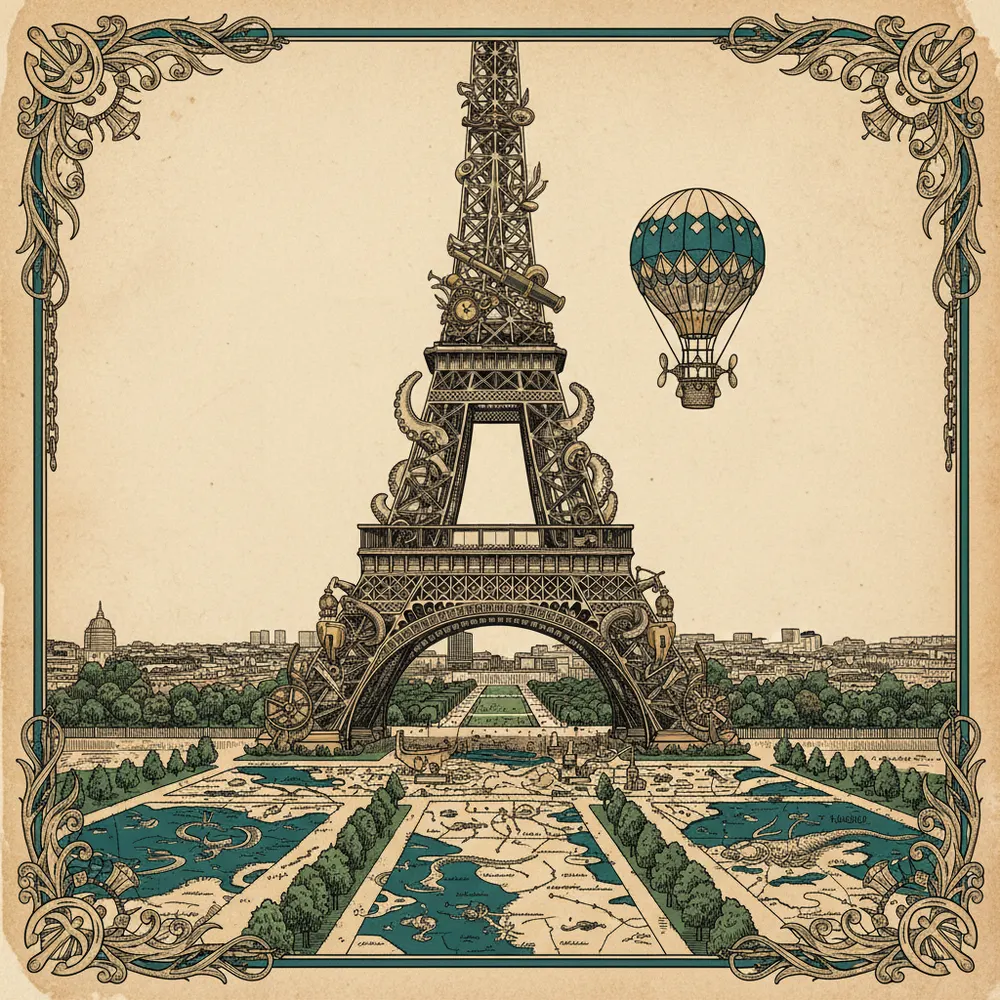
[ EIFFEL & CHAMP DE MARS ]
The iron lady and her front lawn.
Go at duskThe tower sparkles for 5 minutes on the hour after dark — worth the neck crick.
Picnic, don't queueGrab a baguette and sprawl on the Champ de Mars instead of the restaurant line.
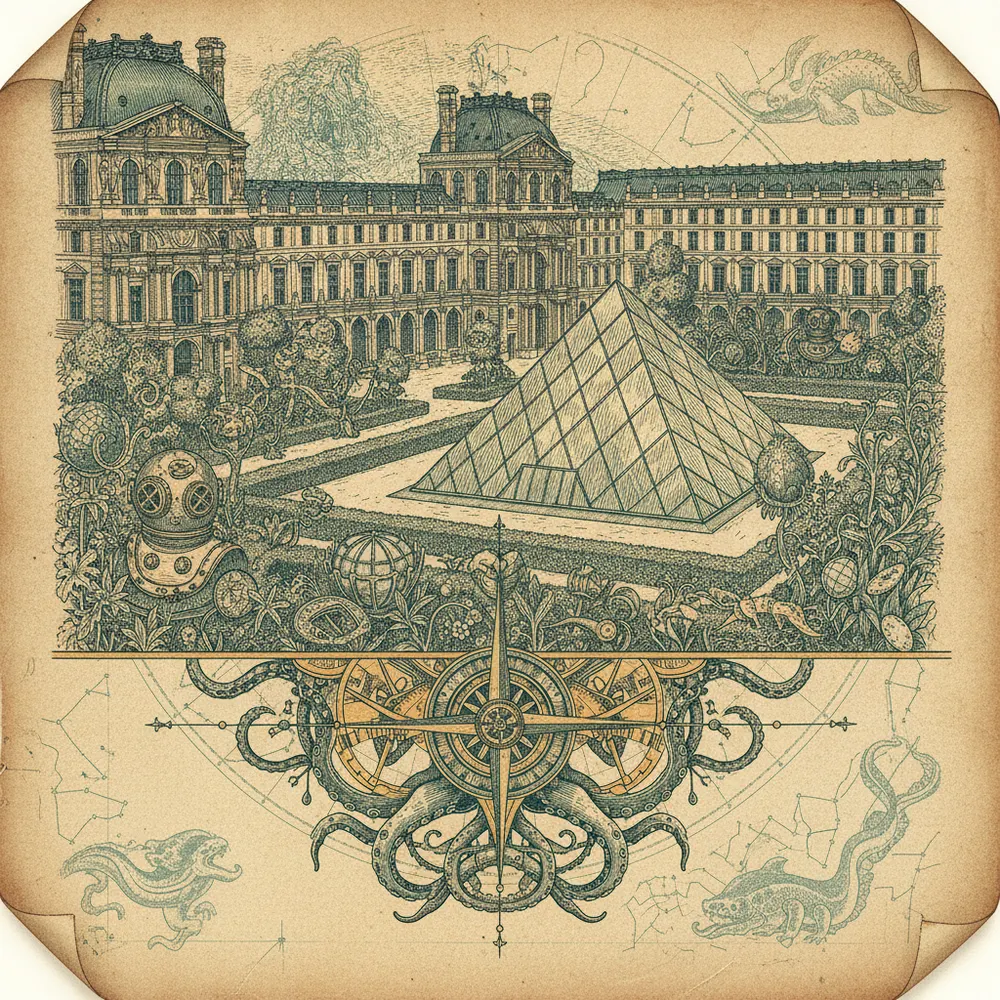
[ LOUVRE & TUILERIES ]
Glass pyramid, infinite corridors.
Side-door itEnter via the Carrousel mall, not the pyramid — half the queue.
Mona who?She's smaller than your laptop. Bow, then go find the Vermeers nobody's crowding.
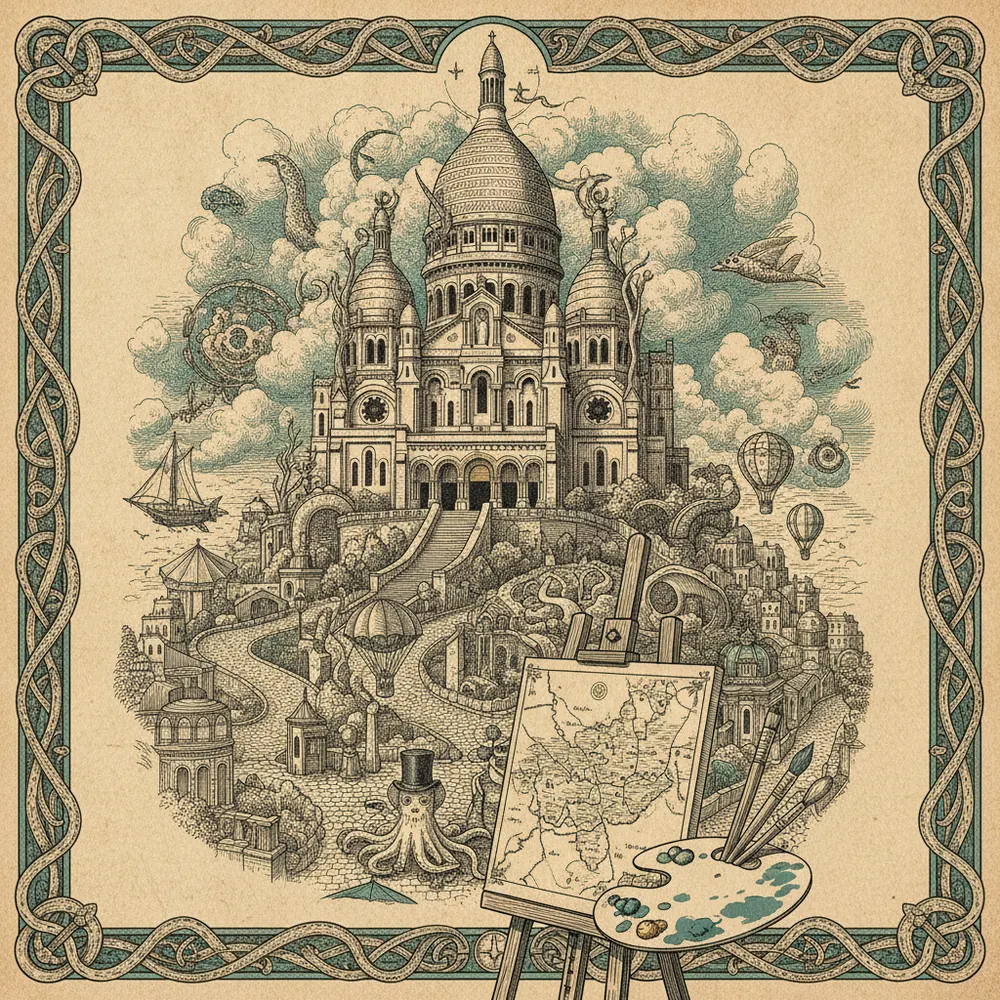
[ MONTMARTRE & SACRÉ-CŒUR ]
The hill that thinks it's a village.
Take the stairsSkip the funicular, climb up, reward yourself at a backstreet café off Place du Tertre.
Firm 'non'The portrait artists will hassle you. A smile and a 'non, merci' does it.
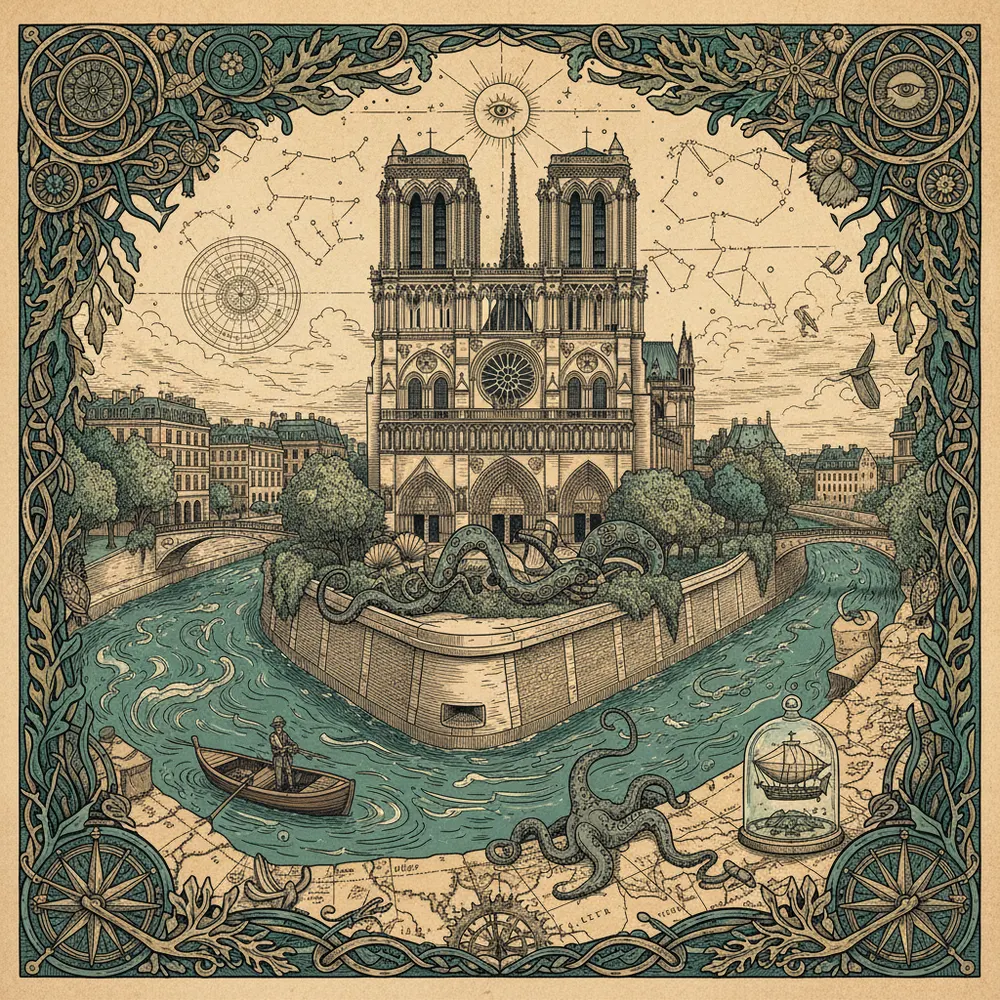
[ ÎLE DE LA CITÉ ]
Where the whole city started.
Sainte-ChapelleNotre-Dame's outside is free and stunning; Sainte-Chapelle's stained glass is the real gasp.
Ice cream pilgrimageCross to Île Saint-Louis for Berthillon — the city's best scoop.
[ LE MARAIS ]
Falafel, vintage, perfect squares.
Rue des RosiersFalafel first, then vintage shopping you'll pretend you didn't overpay for.
Place des VosgesThe prettiest square in Paris, and somehow empty at 9am.
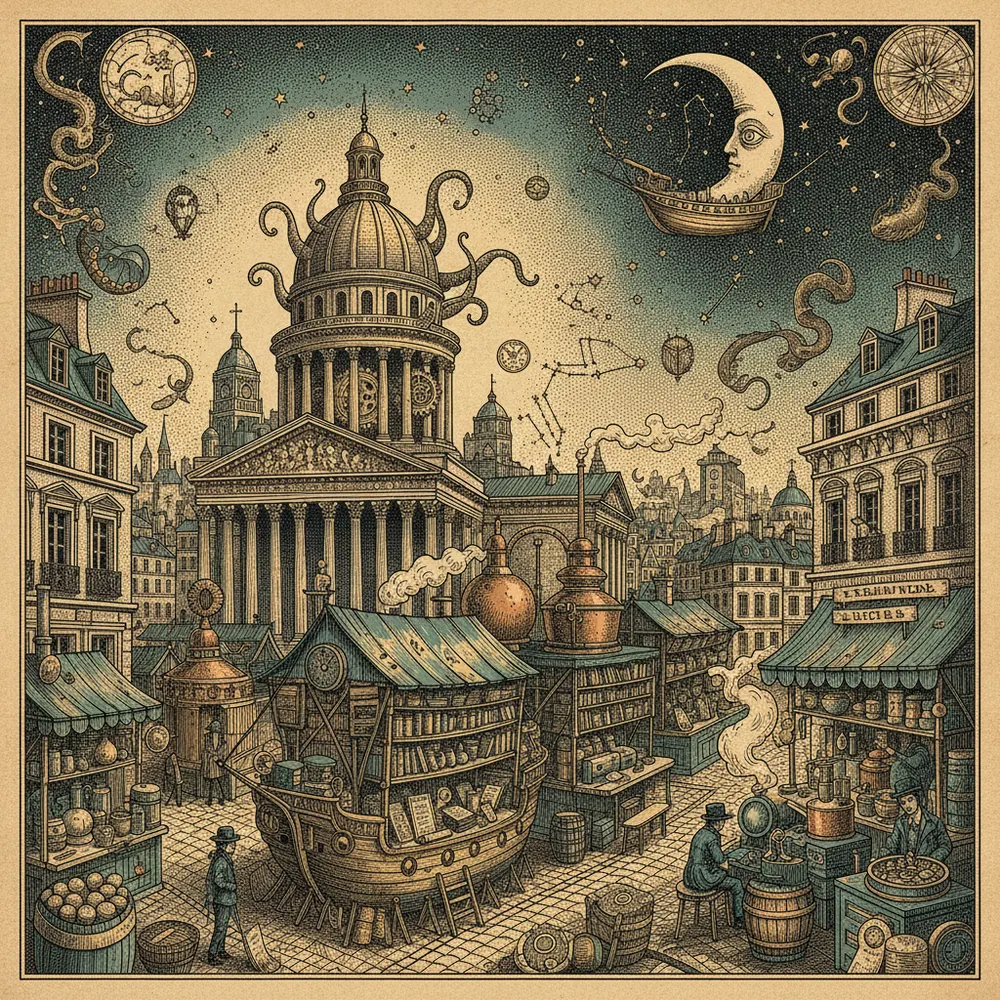
[ LATIN QUARTER & PANTHÉON ]
Books, domes, cheap wine.
Get the stampShakespeare & Company is touristy and worth it — buy one book for the stamp.
Dodge the main dragSide streets near the Panthéon are cheaper and far better than the tourist-menu bistros.
Day 1
Rive Gauche + The Tower at Dusk
The essential Paris opener
One day to do it all — so we sequence ruthlessly: morning on the Left Bank, afternoon at the Eiffel Tower before the crowds peak, early dinner near the Champ de Mars.
Take it slow. The Louvre crowds thin by 10 AM; you have time for the café crème first.
Café de Flore (or Les Deux Magots — pick a side)
Existentialism is optional; the café crème is not.
Start where Sartre and Beauvoir used to argue over the tab. Order a crème, a tartine, and sit outside regardless of the weather. This is not breakfast, it is orientation.
The Impressionists in the world's most beautiful train station.
Skip the Louvre on Day 1 — d'Orsay is manageable in 2 hours and you'll leave feeling cultured rather than exhausted. Monet's waterlilies here hit differently than in reproduction.
Eiffel Tower (second floor + Champ de Mars picnic)
Yes, everyone does this. Do it anyway.
Book the 18:00 entry slot — you catch golden hour from the second floor, then descend and picnic on the Champ de Mars with wine from the Franprix on Rue du Commerce. The tower lights up at 9 PM. Stay.
Last day — make it count. One wing of the Louvre (Richelieu, trust me), then Notre-Dame's exterior, then find a brasserie and stay put.
Full morning in the Louvre, afternoon on the Île de la Cité, evening free — you've earned an unscheduled dinner.
Louvre — Richelieu Wing only
See Vermeer, avoid the Mona Lisa scrum.
The Mona Lisa disappointment is a Paris rite of passage — but only once. On this visit, walk straight to Richelieu. Dutch Masters, French crown jewels, and you can get a selfie with Winged Victory without elbowing anyone. Two hours. Out by 11.
Notre-Dame de Paris (exterior + Île de la Cité wander)
She's still standing. Still astonishing.
Interior access reopened in late 2024 post-restoration. Book interior entry separately. Even without it, standing in the parvis and looking up at the west façade gargoyles is free and staggering.
Sainte-Chapelle
The stained glass that makes atheists reconsider their position.
Ten minutes from Notre-Dame. Fifteen metres of medieval stained glass in a space barely bigger than a living room. The light at noon in June turns the whole upper chapel into a kaleidoscope. One of the most beautiful rooms in Europe and criminally under-visited.
The market the guidebooks forget, the wine bar you'll never find again.
The Aligre market closes at 1PM but the surrounding wine bars open early. Find a cave à manger near Rue de Charonne, order natural wine and a charcuterie board, and watch the Bastille crowd. This is the neighbourhood the guidebooks forget.
Day 3
Montmartre + Pigalle
Bohemian Paris — the one the postcards lie about (in a good way)
Your final morning. Take the funicular up, avoid the Sacré-Cœur interior, and spend 2 hours getting lost in the backstreets. This is the Paris you'll remember.
Relax — you have the full day. Afternoon in Pigalle, evening drinks at a cave à manger (wine bar with food) in South Pigalle (SoPi).
Montmartre in the morning is tourist-free before 9 AM. Sleep in, then go early. Spend the afternoon at the Musée de Montmartre (Renoir's garden). Evening at a jazz club in SoPi.
Sacré-Cœur (exterior + steps)
The view is the thing. The interior can wait forever.
The basilica's interior is fine. The steps are spectacular. Bring coffee from the crêperie on Rue Lepic and drink it at the top looking out over the city. On a clear morning you can see to La Défense.
Musée de Montmartre + Renoir's Garden
Renoir painted in this actual garden. You can have lunch in it.
The museum is small, the collection is lovely, and the garden where Renoir set up his easel is open to ticket holders. They serve wine in the garden on weekends. This is not a drill.
SoPi Cave à Manger (South Pigalle wine bar dinner)
Natural wine, charcuterie, and Parisians who work in fashion.
South Pigalle is Paris's best neighbourhood right now and nobody outside Paris has fully noticed. Find Le Cave de Montmartre or La Championne — arrive at 7, order the wine-by-the-glass list, let them talk you into the cheese plate.
Day 4
Versailles + Le Marais
Royal excess in the morning, medieval cool in the afternoon
Early train to Versailles (45 min from Gare Saint-Lazare). Back by 2PM, afternoon in Le Marais — the best neighbourhood in the city for a slow wander. Dinner at a Jewish deli on Rue des Rosiers.
Same Versailles plan but you don't have to rush back. Spend a full afternoon in the gardens. Evening in Marais is optional — you could also just sit at a café on Place des Vosges.
Palace of Versailles + Gardens
Baroque maximalism as a coping mechanism.
Take the first train from Gare Saint-Lazare. The palace is overwhelming in the best way — Hall of Mirrors, the Royal Apartments, and if you have time, the Trianon (far better than the main palace, half the crowds). The gardens are free after 6PM.
Paris's most photogenic square, plus the world's best falafel.
Place des Vosges is the oldest planned square in Paris and still the most beautiful. Walk the arcades, sit in the garden, then head north to Rue des Rosiers for falafel from L'As du Fallafel — the queue is always worth it. End at the Picasso Museum if you have energy.
Dinner in Le Marais — Brasserie des Deux Palais area
Old tablecloths, good wine, not on any list.
Skip the restaurants with English menus out front. Walk two blocks from Place des Vosges in any direction and you'll find a zinc bar with a prix-fixe that costs less than a London pub meal.
Day 5
Canal Saint-Martin + Bastille + République
The Paris that actually lives here
No famous sights today. Canal Saint-Martin is where Parisians go when they're not performing being Parisian. Cafés with mismatched chairs, a record shop playing something you've never heard, a florist who arranged your grandmother's wedding. This is the city without costume.
Canal Saint-Martin (Quai de Valmy walk)
Where Paris stops trying to impress you.
Walk the canal from République towards Gare de l'Est. The iron footbridges, the locks filling slowly, the plane trees. Stop at any café on Quai de Jemmapes that looks like it opened in 1978 and order a café allongé. Don't Instagram the coffee. Just drink it.
Point Éphémère (lunch + canalside)
Cultural centre, lunch spot, and the reason to live in Paris.
A converted warehouse on the canal that does cheap lunch (plat du jour, always good), has an art gallery, and hosts concerts at night. This is the Paris that isn't on any postcard and never will be.
Marché Bastille (Thursday/Sunday only)
If it's Sunday, this is mandatory.
One of the great outdoor markets in Europe. Running along Boulevard Richard Lenoir. Buy cheese you can't take home, rotisserie chicken you can, and at least one thing you have no idea what to do with. This is the trip highlight for a certain kind of traveller.
Day 6
Belleville + Père Lachaise + East Paris
Death, art, and the best street food you didn't expect
Père Lachaise is not morbid — it's the most civilised park in Paris. Then Belleville for lunch (the best Chinese food in France, unironically) and the afternoon wherever your legs take you.
Père Lachaise Cemetery
Jim Morrison is here. So is Édith Piaf. So is Chopin. The queue is short.
Europe's most famous cemetery is also one of its best parks. Pick up the free map at the entrance and spend two hours wandering the cobbled lanes between the tombs. The Oscar Wilde monument is covered in lipstick kisses. The Proust tomb is, fittingly, very hard to find.
Belleville — Rue de Belleville lunch
The best dim sum in France, ten minutes from Père Lachaise.
Belleville is Paris's most underrated neighbourhood. The Rue de Belleville strip has Vietnamese banh mi, Cantonese dim sum, and Tunisian pastries all within 200 metres. It is not chic. It is perfect.
Parc de Belleville — sunset view
The best free view in Paris that no tour bus stops at.
Higher than the Sacré-Cœur terrace, half the tourists, and there's a wine shop at the bottom of the hill. Spread your coat on the grass (bring a coat regardless of season — it's exposed) and watch the city go pink.
Day 7
Saint-Germain-des-Prés + Luxembourg + Last Hours
The goodbye you don't want to have
Your last day. Don't try to fit anything new in. Go back to something you loved, buy the thing you've been talking yourself out of all week, and eat one more cheese plate before the airport.
Jardin du Luxembourg (morning)
Paris's living room. You finally have time to sit in it.
The Luxembourg Gardens are different at 9AM — mostly runners and old men playing pétanque. Find a green metal chair (the iconic ones), drag it to the sun, and sit. Read. Do nothing. This is the point of a seventh day.
Saint-Germain-des-Prés — last-minute shopping
Where to actually spend your remaining euros.
Boulevard Saint-Germain for bookshops (Shakespeare & Co is on the other bank but close enough). The side streets for independent perfumers, horology shops, and galleries. Avoid the brand flagships — they exist everywhere. The vintage map shop on Rue Bonaparte does not.
Final lunch — Brasserie Lipp (or anywhere on Boulevard Saint-Germain)
The meal you'll describe at dinner parties for a decade.
Brasserie Lipp has been feeding people since 1880 and is exactly as pretentious as you want it to be. Order the choucroute garnie, which is a mountain of sauerkraut and sausage that makes no sense in France and is perfect. Or walk in any direction and eat wherever smells right.
Paris is not a city you visit once and understand. It is a city you visit once and immediately start planning to return to, slightly embarrassed by how quickly it has happened.
This itinerary is built around one principle: sequence matters more than coverage. A badly ordered Paris day means walking forty minutes between attractions that should have been adjacent. A well-ordered one means you arrive at the Eiffel Tower at the exact moment the light goes gold, having already done the hard museum work in the morning.
The 2/3/4/7-day versions above are not just truncations of each other — they’re different philosophies. Two days is about the non-negotiables; seven days is about the neighbourhood you couldn’t name before you arrived but now consider yours.
Use the filter above to see exactly which days and stops apply to your trip length.
This article contains affiliate links marked with rel="sponsored". We may earn a commission at no extra cost to you.