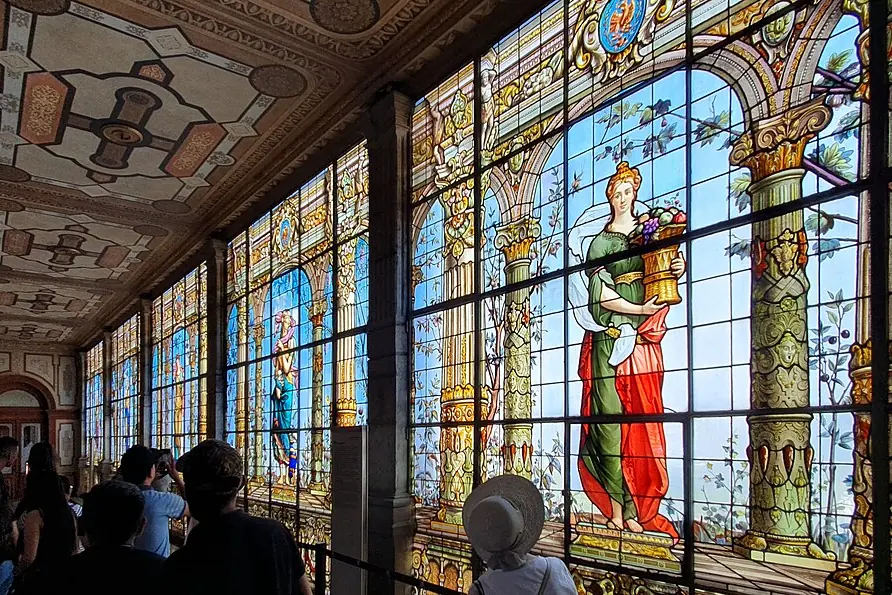
I arrived at the Mexico City airport at midnight and took a cab to Roma Norte and the driver played Los Tucanes de Tijuana at full volume the entire way and pointed out things through the windshield that I couldn't read fast enough and then deposited me outside a taquería that was still fully operational at 1 AM and the tacos de canasta cost 10 pesos each and I ate four of them standing up and I thought: this city is going to destroy me. Happily.
The Perfect Mexico City Itinerary (2, 3, 4 & 7 Days)
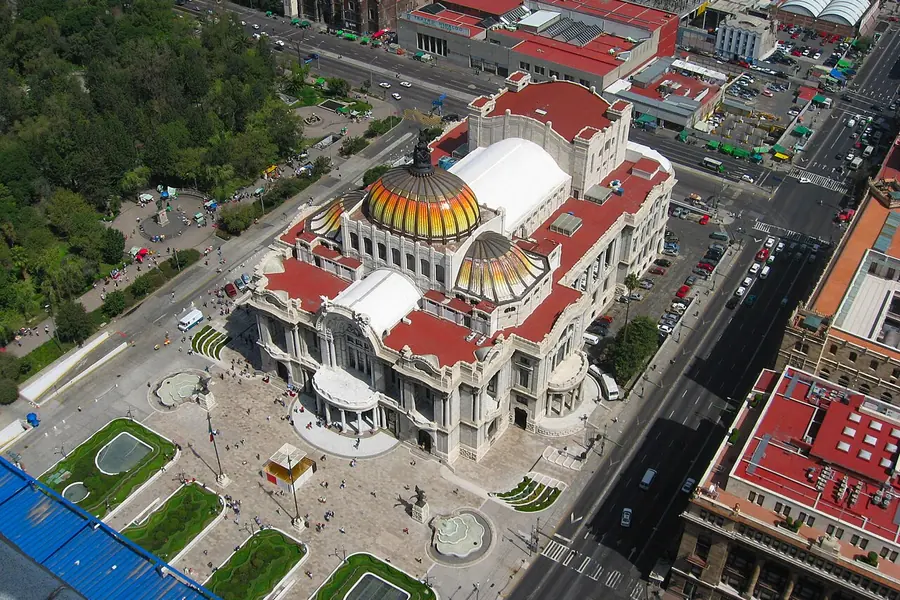
Two days in Mexico City means you are eating your way through two neighbourhoods and visiting two landmarks and that is enough. The Palacio de Bellas Artes in the morning, the Diego Rivera murals at the SEP in the afternoon, Roma Norte for dinner. Day 2: Coyoacán and the Frida Kahlo Museum. No compromises.
Book the Frida Kahlo Museum online in advance — it sells out every day.
72 Hours: Three Barrios, One Day for Tacos
Three days opens up Condesa alongside Roma, the Mercado Jamaica for flowers and produce, and a proper night out in Colonia Juárez. Day 3 is the food day: breakfast at a mercado, tlayudas for lunch, tacos al pastor at El Huequito for dinner. The three-day version is better than the two-day version for reasons primarily involving food quantity.
4 Days: Teotihuacán + The Full City
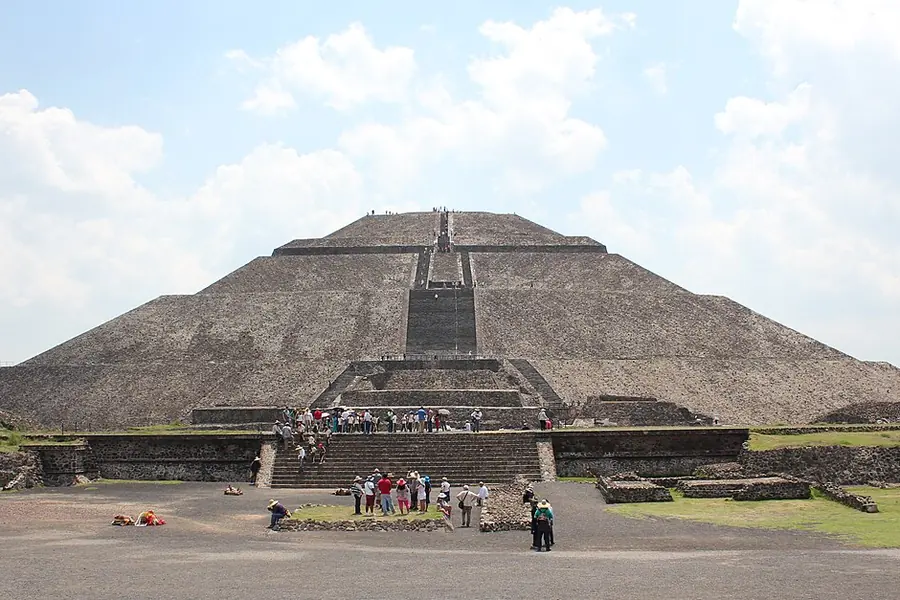
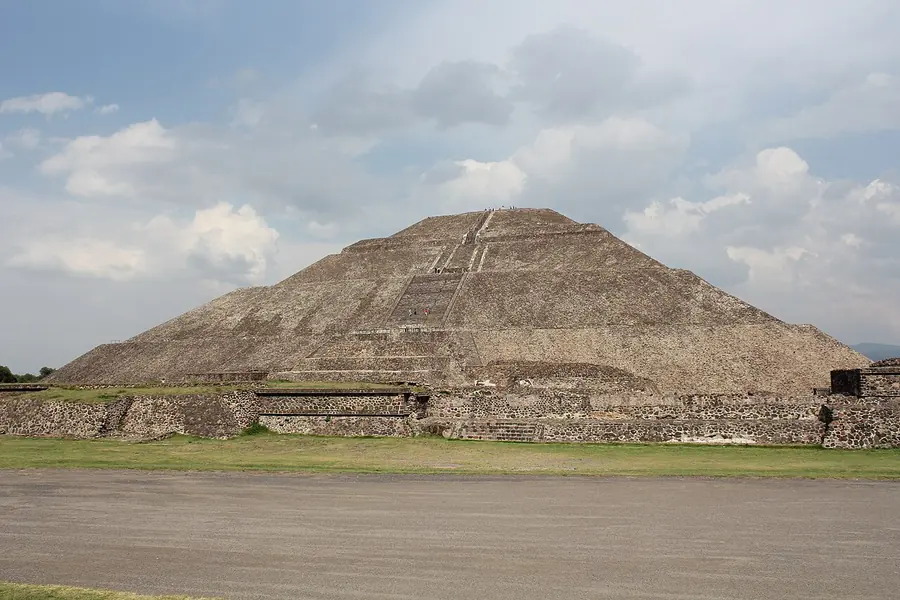
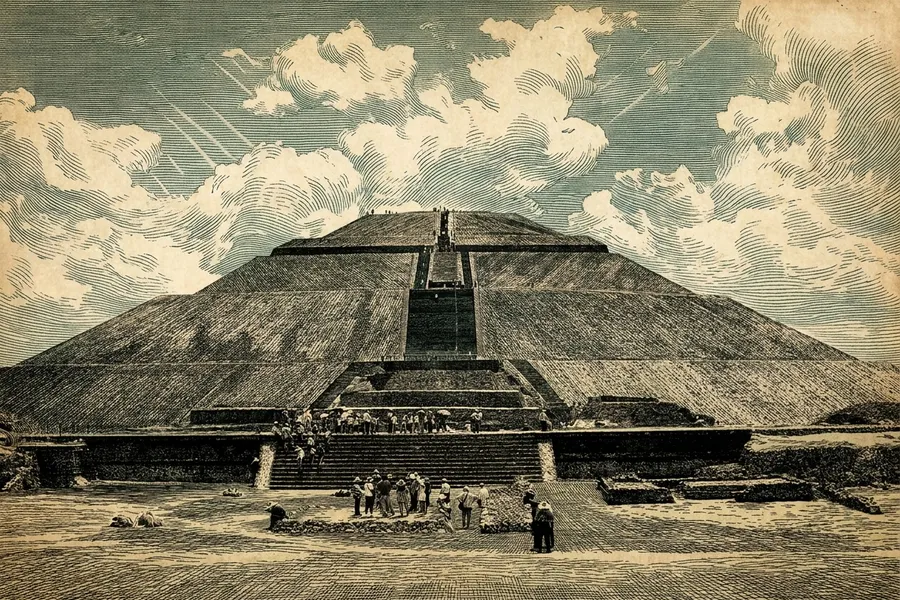
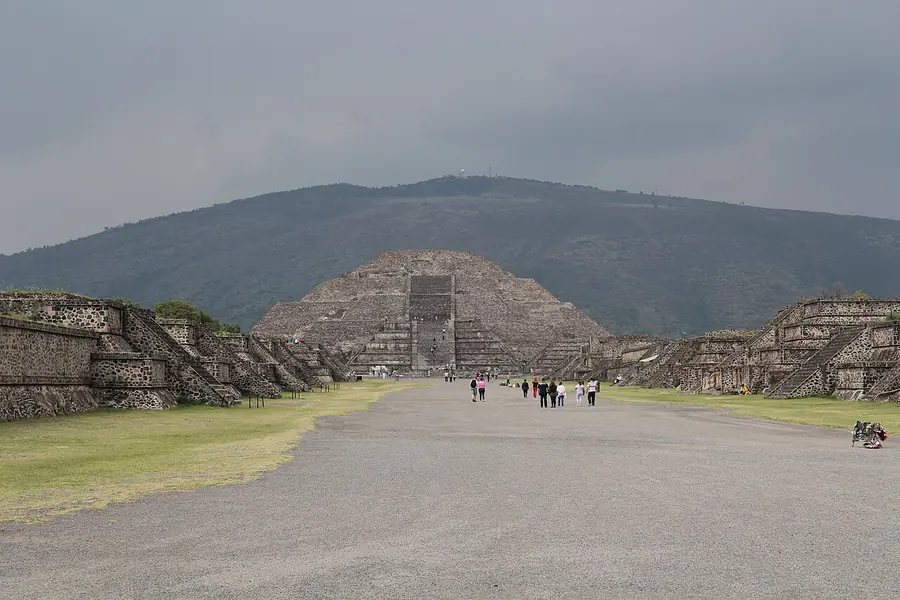
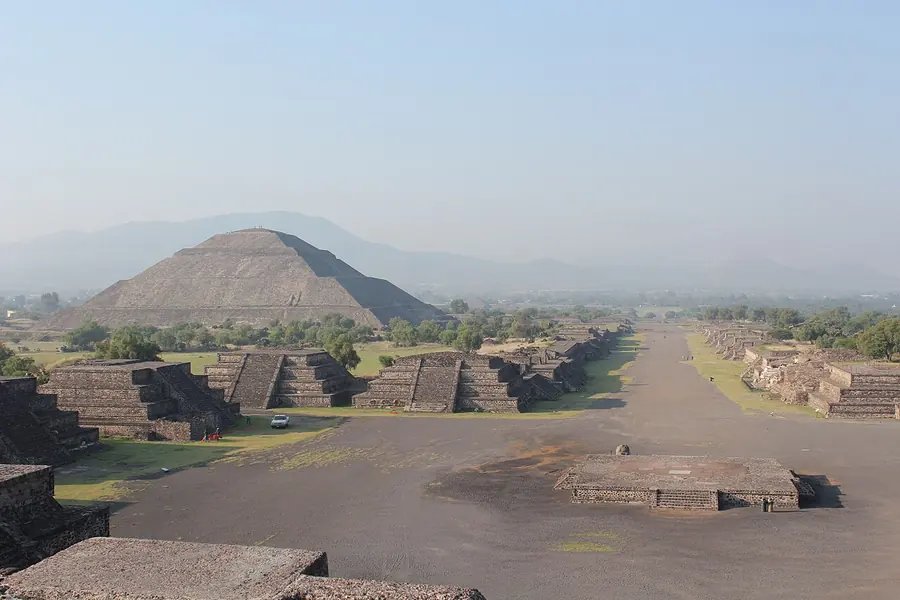
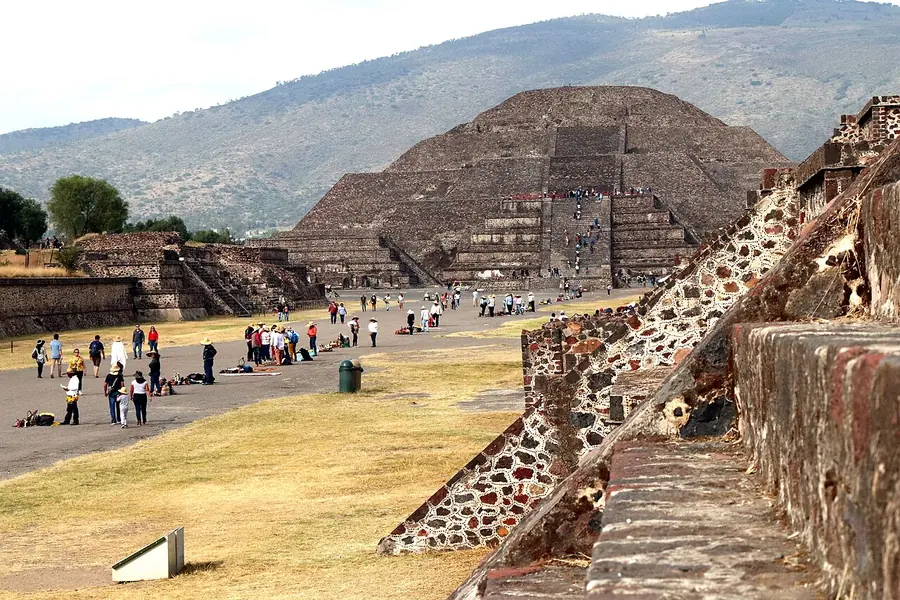
Four days adds Teotihuacán — the pre-Aztec pyramid complex an hour northeast of the city. Climb the Pyramid of the Sun. Walk the Avenue of the Dead. Try to understand a civilisation that built this with no metal tools or wheels. Then come back and eat carnitas.
7 Days: Mexico City at Its Own Pace
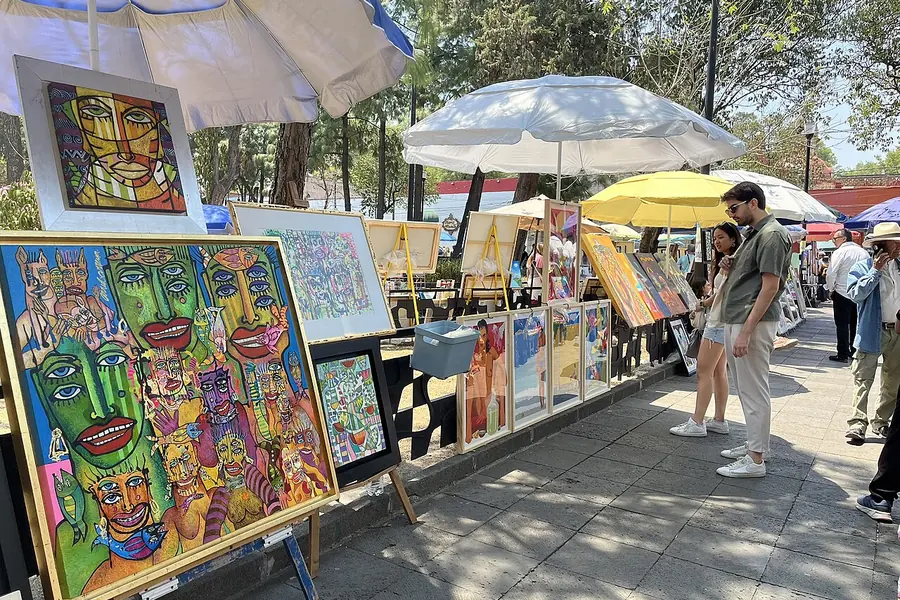
A week in CDMX is a different kind of trip. The city reveals itself slowly: the gallery in Doctores, the pulquería in Tepito that's been serving since 1897, the Sunday market in San Ángel where artists sell work from corrugated tin stalls. By Day 5 you have a regular table somewhere and an opinion about the correct tortilla thickness.
Estimated budget:$120–$220 est. (1 hotel night, taxis, museum entries, tacos)
Estimated budget:$200–$360 est. (2 hotel nights, Teotihuacán transport)
Estimated budget:$290–$520 est. (Teotihuacán day trip + 3 hotel nights)
Estimated budget:$550–$1,000 est. (full week, mix of mid-range hotels)
[ THE DISPATCH · FIELD MAP ]
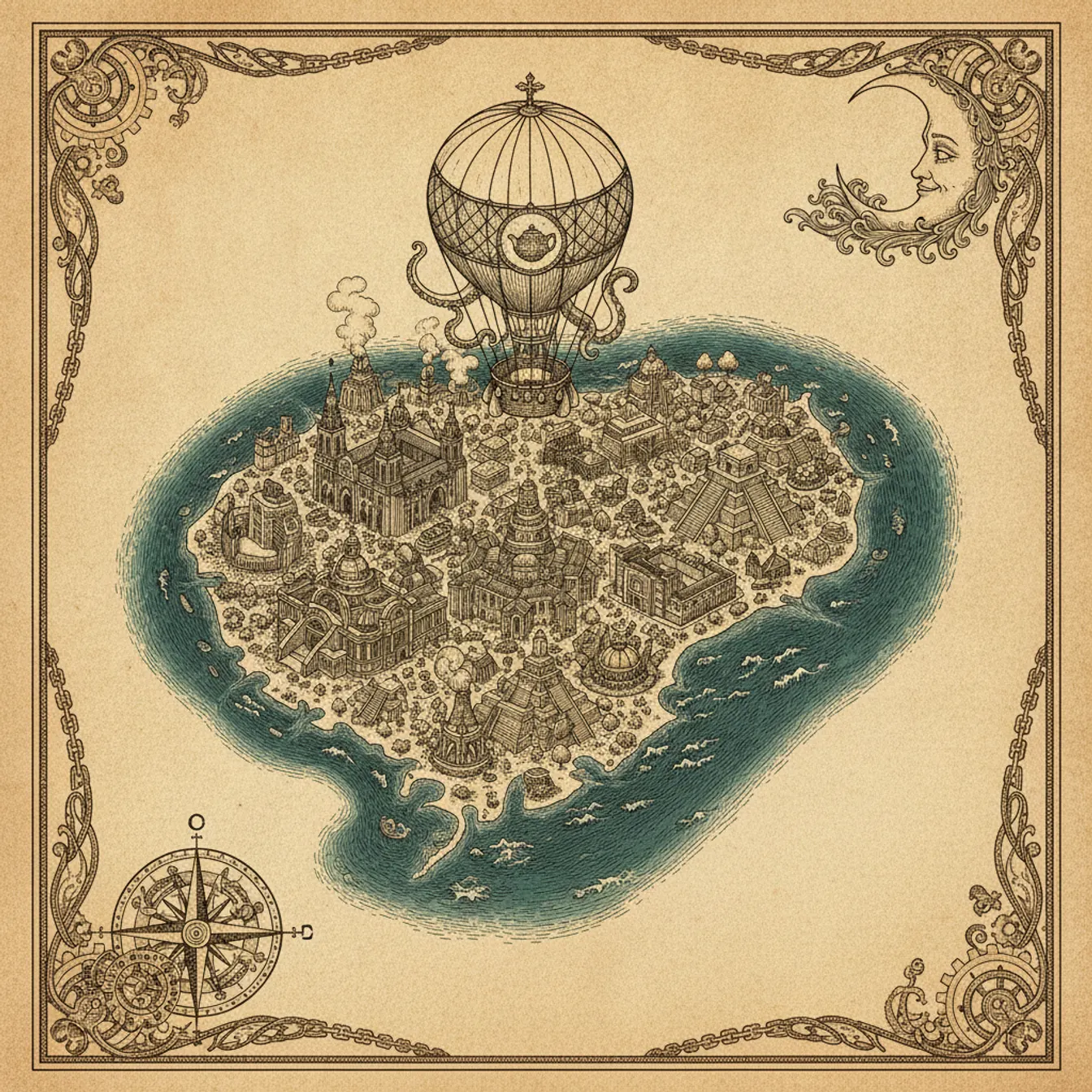
A tilted, hand-drawn dispatch of Mexico City. Click a quarter to explode it open.
0 / 6 quarters explored
Legend · tap to highlight
[ CENTRO HISTÓRICO ]
Old stones, older stories.
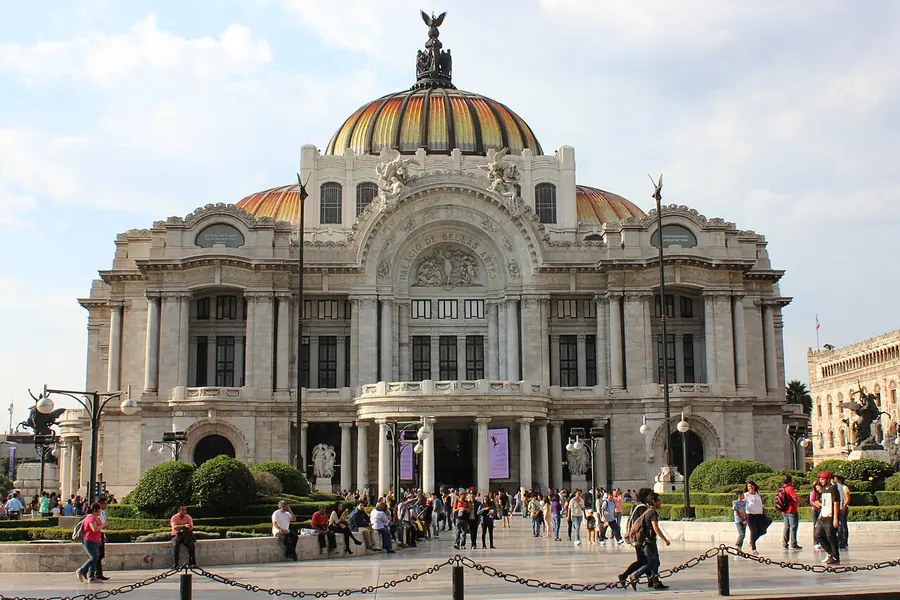
Palacio de Bellas ArtesArt Nouveau and Art Deco in white marble. Murals by Rivera, Orozco, Siqueiros, and Tamayo are some of the most charged art in the Americas. On government walls.
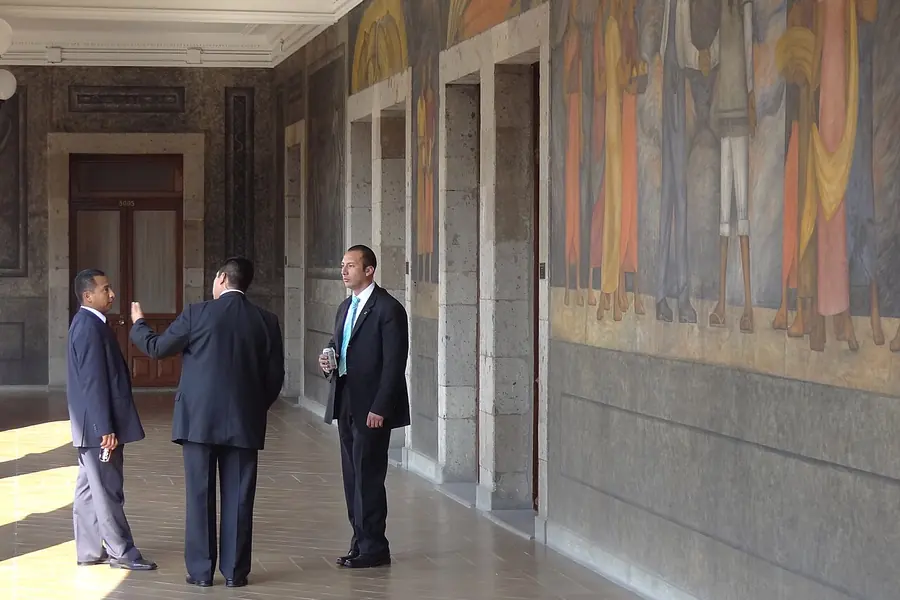
SEP Murals — 128 Riveras, FreeDiego Rivera painted 128 frescos across two courtyards here. Free entry, no queues. You stand in front of major art history with nobody else in the room.
[ COYOACÁN ]
Old stones, older stories.
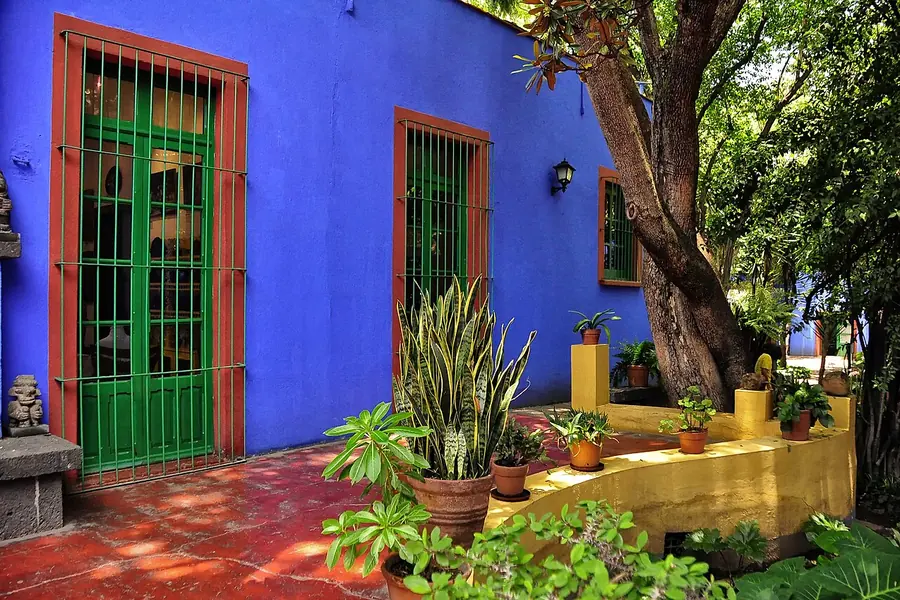
Museo Frida Kahlo (Casa Azul)The cobalt-blue house where she was born, painted, and died. Her corsets, wheelchair, painted diary. The kitchen is yellow with papier-mache Judas figures. Book ahead.
Mercado de Coyoacan — TostadasTostadas de tinga: crispy corn, chicken, guacamole, crema, more toppings than you can count. About $4. Loudest, most chaotic, most correct meal of the trip.
[ ROMA + CONDESA ]
Stays up later than you do.
Parque Mexico, CondesaAn oval Art Deco park where Condesa comes to exist on weekend mornings — dogs, joggers, yoga. Cafes open at 8 AM. Jacaranda trees bloom purple in February-March.
Alvaro Obregon Restaurant StripRoma Norte's tree-lined boulevard — Rosetta is here, Maximo Bistrot is here, Baltra Bar for mezcal after. Walk it slowly. Everything looks good. Most of it is.
[ TEOTIHUACÁN ]
Old stones, older stories.
Pyramid of the Sun — Climb It248 steps, 65 metres, built around 100 CE by people still unidentified. Top gives a 360-degree view of the ancient city. Climb early before the heat and the tour groups.
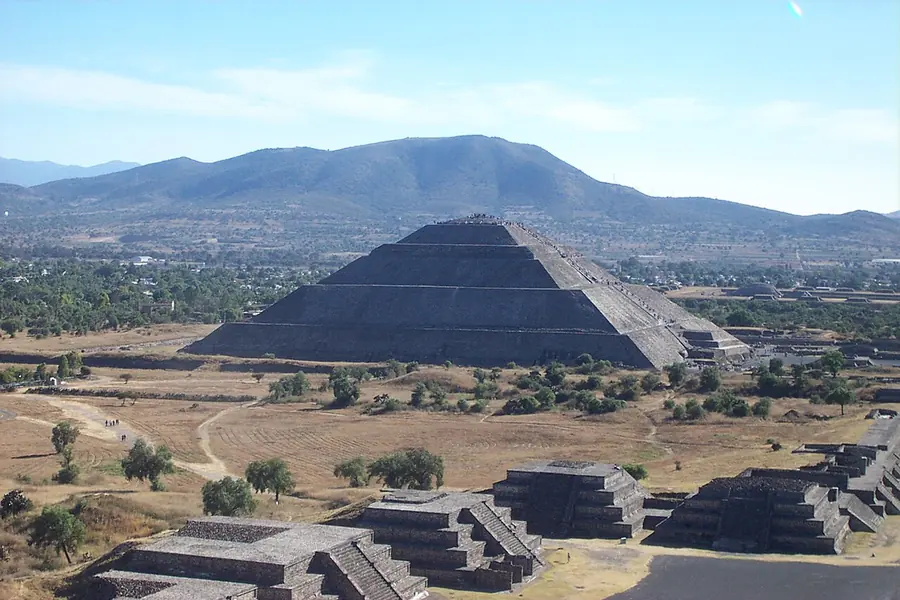
Avenue of the Dead + Moon PyramidWalk 2 km north to the Moon Pyramid — the view straight down the Avenue to the Sun pyramid is a composition designed for exactly this perspective. Archaeologists agree.
[ SAN ÁNGEL ]
Old stones, older stories.
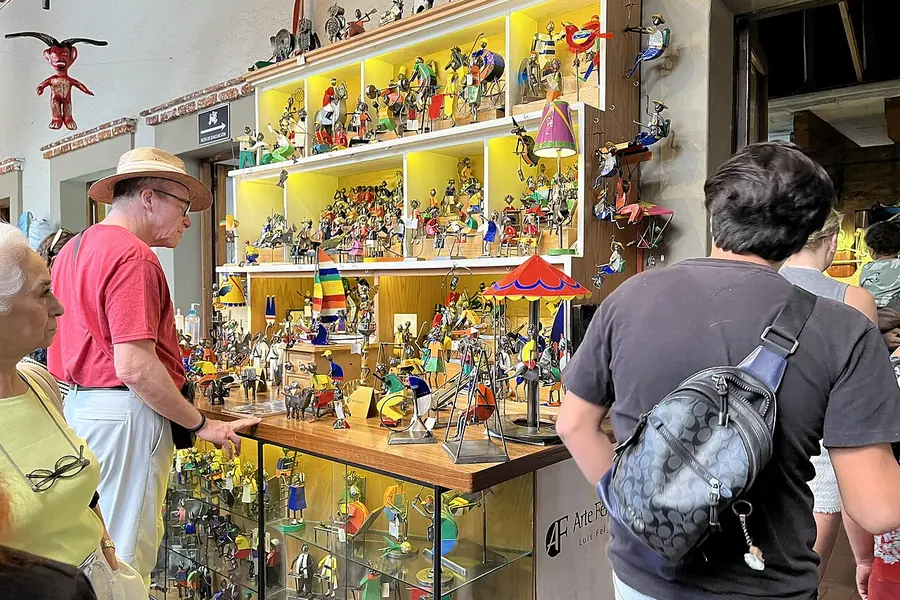
Bazar del SabadoA Saturday art market in a 17th-century mansion courtyard since 1972. Local artists selling ceramics, jewellery, and paintings — actual craft traditions, not tourist tat.
San Angel InnAn ex-Carmelite convent from 1692 with garden courtyards and Mexican haute cuisine. Old money, slightly formal, still cheaper than comparable European restaurants.
[ XOCHIMILCO ]
Boats, bridges and reflections.
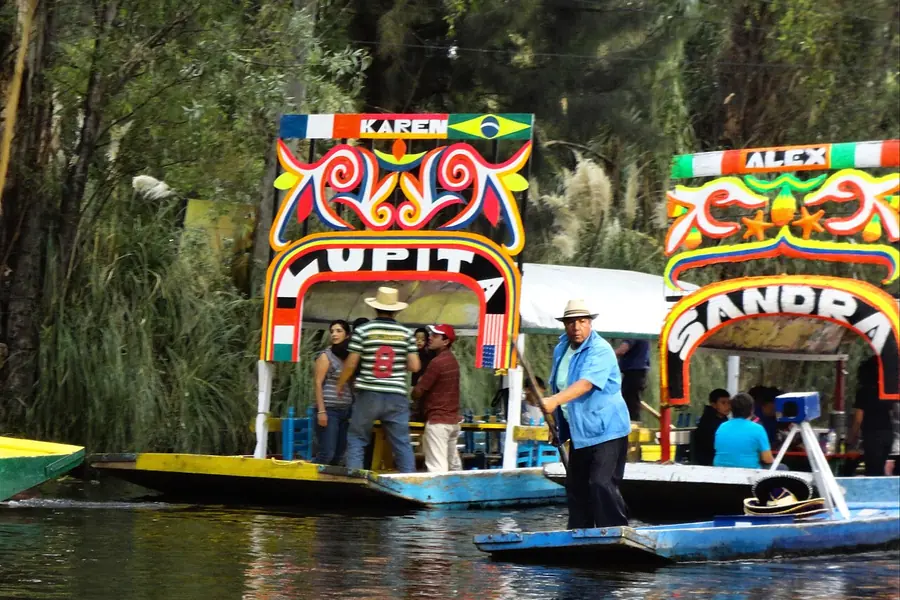
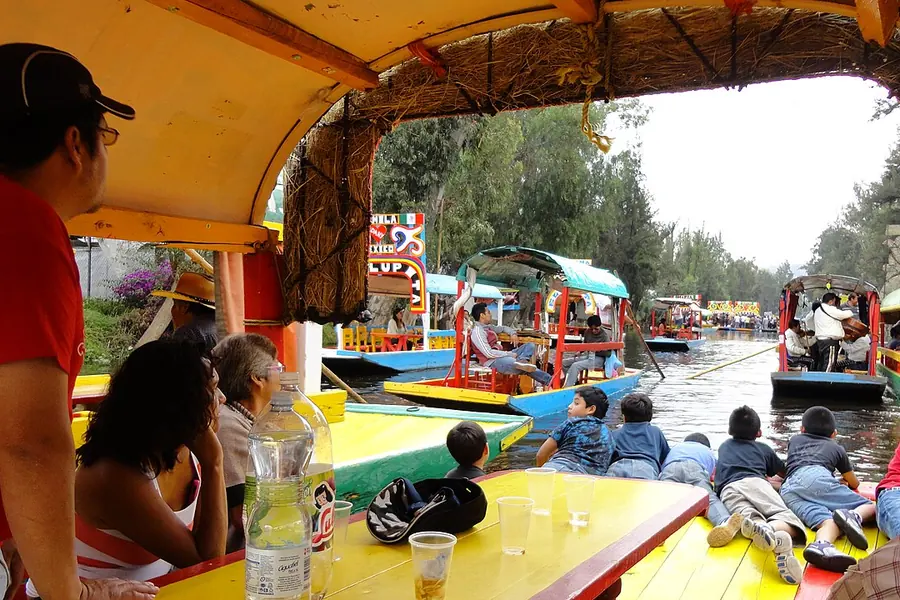
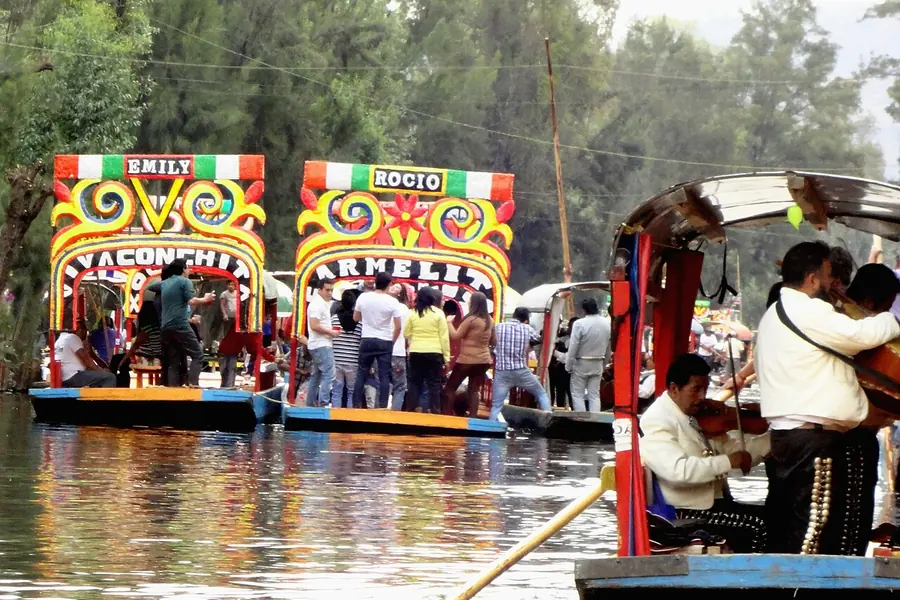
Xochimilco Canals + TrajineraHire a decorated wooden boat on Aztec chinampa waterways. Other boats approach selling tacos, cerveza, and live marimba. Say yes to most of these things.
Chinampas — Floating GardensThe surviving Aztec chinampa system — floating gardens on lake beds, still cultivated. Best on weekend mornings before the trajineras fill the canals with marimba.
Day 1
Centro Histórico — Bellas Artes + Rivera + Zócalo
The city's founding layer: colonial, enormous, completely overwhelming
Morning in Centro Histórico — the largest historic centre in Latin America. Palacio de Bellas Artes before the tour groups arrive, then the Diego Rivera murals at the SEP (free, extraordinary), then the Zócalo for the afternoon light. Dinner in Roma Norte.
Don't rush Centro. The Templo Mayor — the Aztec pyramid excavated beneath the colonial city — deserves two hours. The cathedral next door deserves another hour. Pace yourself.
Palacio de Bellas Artes
Mexico's finest building, by some distance. Also has excellent murals inside.
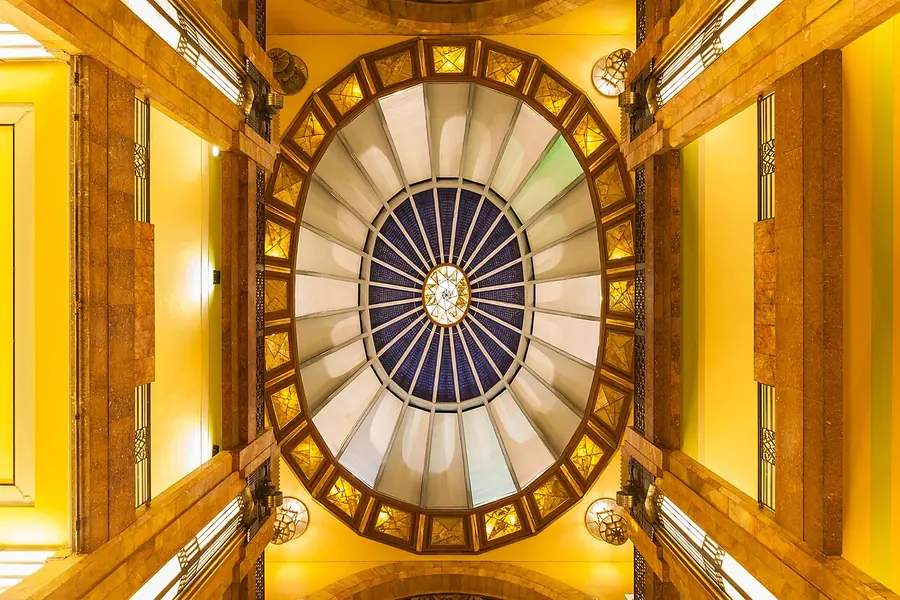
The Palacio de Bellas Artes is an Art Nouveau and Art Deco hybrid in white Carrara marble, built between 1904 and 1934. The exterior is one of the great facades in the Americas. The interior has murals by Rivera, Orozco, Siqueiros, and Tamayo on the upper floors — some of the most politically charged artwork in the Western Hemisphere, painted on the walls of a government building. That's Mexico City.
Secretaría de Educación Pública (Diego Rivera murals, free)
128 Rivera murals in two courtyards. Free entry. Nobody is here.
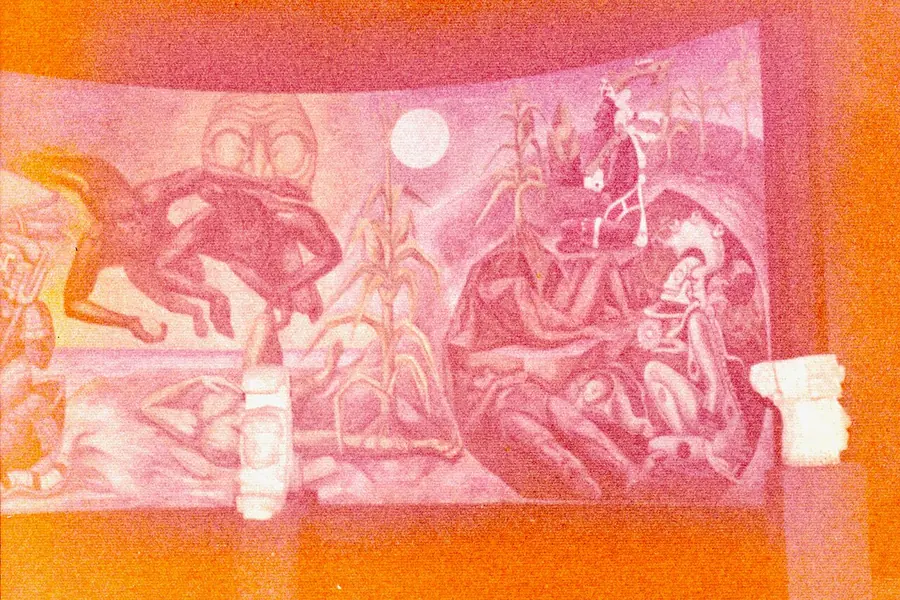
The SEP building on Calle República de Argentina has 128 fresco panels painted by Diego Rivera between 1923 and 1928 — a visual history of Mexico from pre-Columbian to post-Revolutionary, across two full courtyards. Entry is free, queues are non-existent, and you can stand directly in front of some of the most important paintings in North American art history without another person in the room.
The second-largest plaza in the world. An Aztec pyramid is underneath part of it.
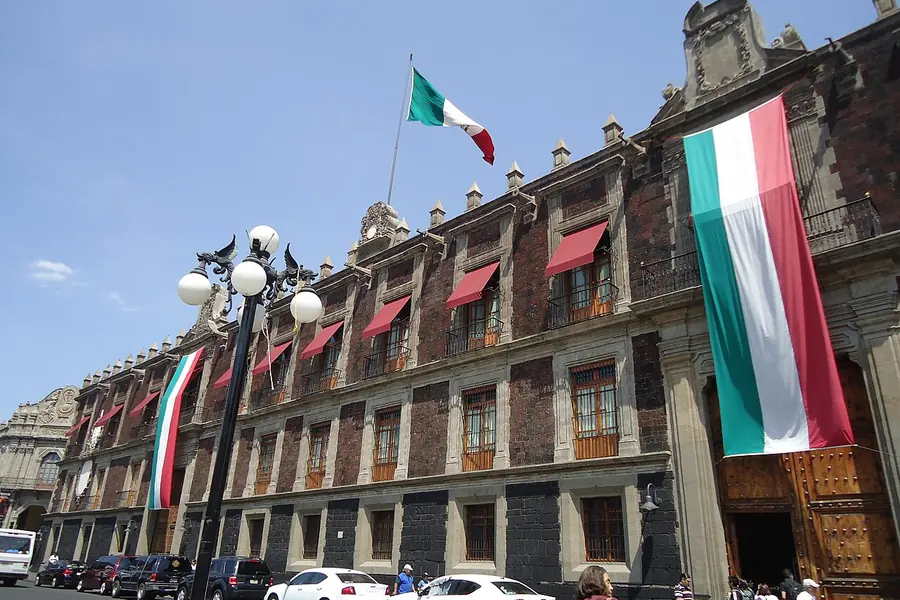
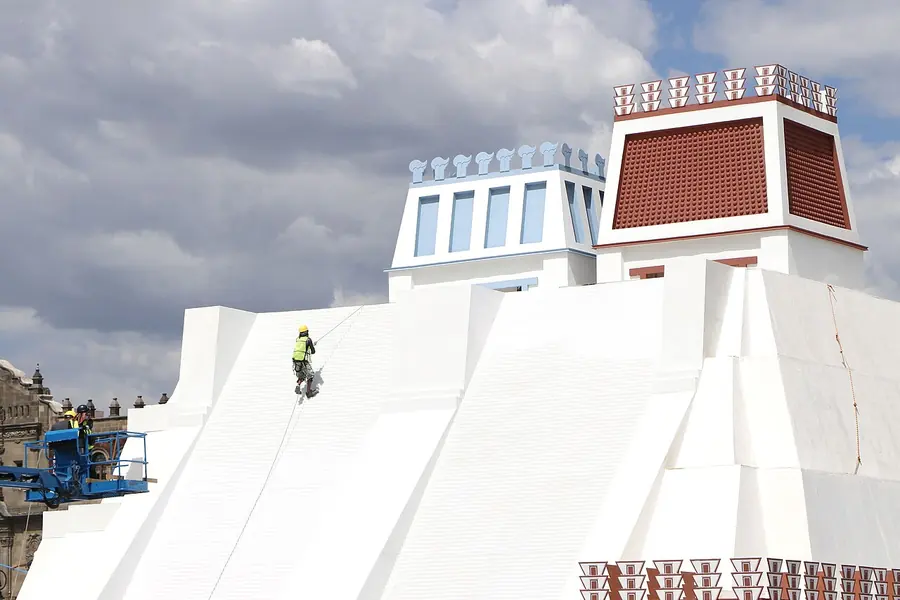
The Zócalo (officially Plaza de la Constitución) is an enormous flat square surrounded by the National Cathedral, the National Palace, and the city government — all built on and with stones from the Aztec Tenochtitlan that the Spanish demolished. The Templo Mayor museum shows you the pyramid they found while digging for a metro extension in 1978. The scale of what is underground is staggering.
The neighbourhood that made CDMX the food city it is.
Roma Norte has been the epicentre of Mexico City's restaurant renaissance. Contramar on Calle Durango does the classic tostadas de atún. Rosetta in a 1906 mansion does the pasta that has a six-week waiting list. Mercado Roma on Querétaro is the upscale food market for those who want seven courses spread over sixteen stalls. Start with mezcal anywhere. It is acceptable here at 7 PM on a Tuesday.
The village inside the megalopolis where Frida Kahlo was born, lived, and died
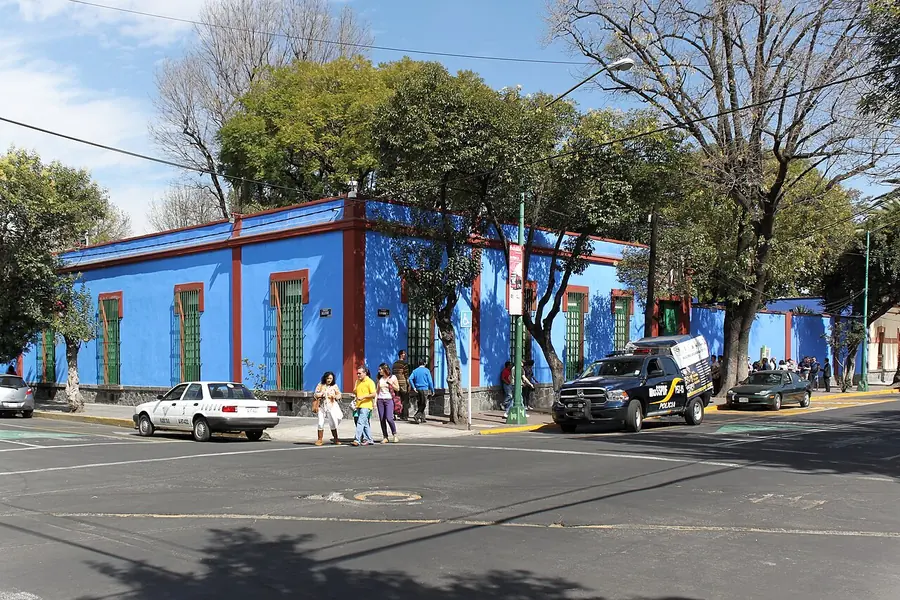
Coyoacán is 30 minutes south of Centro by metro — a colonial neighbourhood of cobblestone streets and 16th-century churches that was a separate town when Mexico City was still called Tenochtitlan. The Frida Kahlo Museum (Casa Azul) is the anchor. Book in advance.
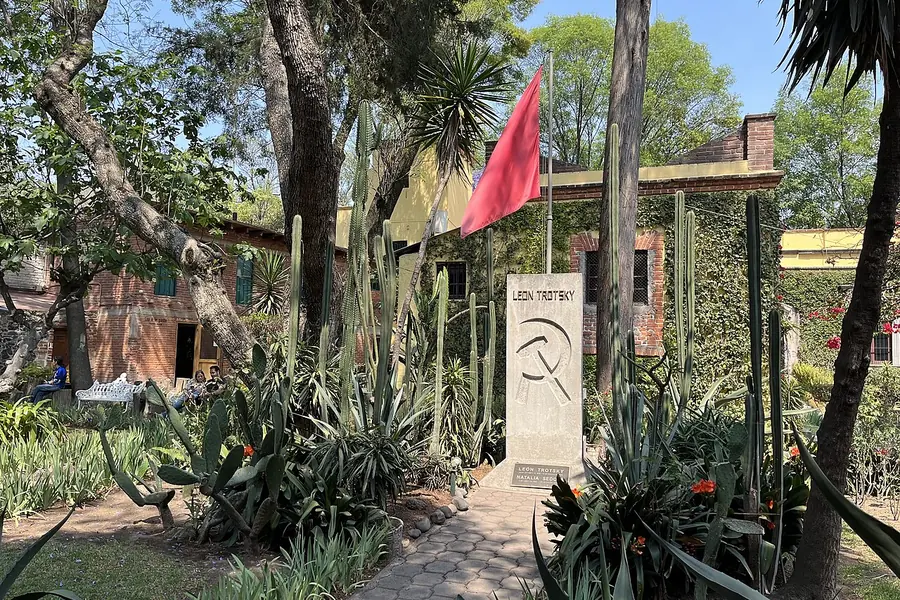
Same plan, more time. Leon Trotsky's house (two streets away, where he lived in exile and was assassinated with an ice pick in 1940) is a deeply strange and necessary museum. The ice pick is on display.
Museo Frida Kahlo (Casa Azul)
The blue house where she was born, painted, loved, suffered, and died.
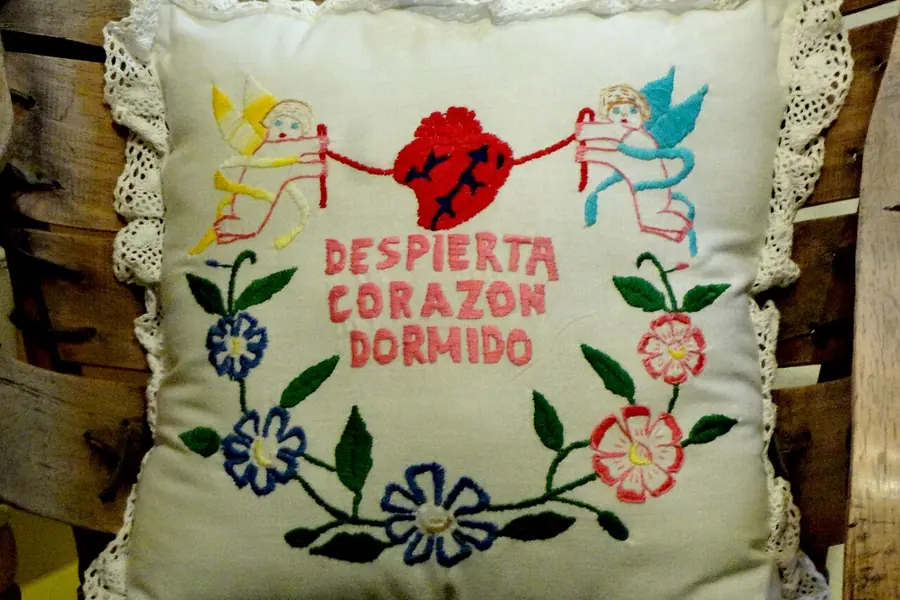
The Casa Azul — cobalt blue inside and out — was Frida Kahlo's family home, her studio, and where she died in 1954. The museum contains her personal collection: pre-Columbian artefacts, corsets (her spine was shattered in a bus accident at 18 and she wore corsets for the rest of her life, which she painted on canvas), her wheelchair, her diary. The kitchen is painted yellow and decorated with papier-mâché Judas figures. Book tickets online six weeks ahead.
Where the Bolshevik lived in exile and where he was killed. With the ice pick.
Leon Trotsky lived two streets from Frida Kahlo (they were briefly lovers) after Stalin exiled him in 1927. He was assassinated here in 1940 by a Soviet agent with a mountaineering ice pick. The house is preserved with his desk, his books, his fortified study. The ice pick is in a display case. The garden where he is buried is still and green and completely incongruous.
The tostadas de tinga here are the best argument for staying in Mexico City forever.
The Coyoacán market has a food hall at the back with two items you must order: tostadas (crispy fried corn with beans, chicken tinga, guacamole, crema, and more toppings than you can count) and the blue corn tlayuda if available. It is loud, chaotic, and costs about $4 for the meal of the trip. Find a seat at the back and ask what's ready.
Pulquería Los Insurgentes (or any pulquería in Coyoacán)
Fermented agave sap in a room decorated as if it's still 1947. It basically is.
Pulque is the fermented sap of the maguey (agave) plant — pre-Columbian, slightly viscous, slightly sour, served in cupped clay vessels called jicaras. Pulquerías are the bars that serve it, and most have been the same bar for 50–100 years. In Coyoacán, Los Insurgentes on Plaza Santa Catarina is the classic — brightly painted, cheap, frequented by everyone from students to grandmothers. Order curado (pulque mixed with guava, mango, or celery) if plain pulque is too unusual.
Day 3
Roma Norte + Condesa — Parks, Brunch, Architecture, Night
The two neighbourhoods that make expats move here permanently
Roma Norte and Condesa are adjacent and walkable — you could spend a week here eating your way through café-to-restaurant-to-bar without covering the same block twice. Parque México in Condesa is the anchor. Walk out from there in any direction and spend money on food. That's the plan.
Take the whole day. Breakfast at a mercado, slow morning in Parque México, walk north to Roma, lunch, afternoon in the Mercado Medellín, dinner at wherever you couldn't get a reservation until now.
Parque México (morning stroll + coffee)
The Art Deco park where Condesa comes to exist on weekend mornings.
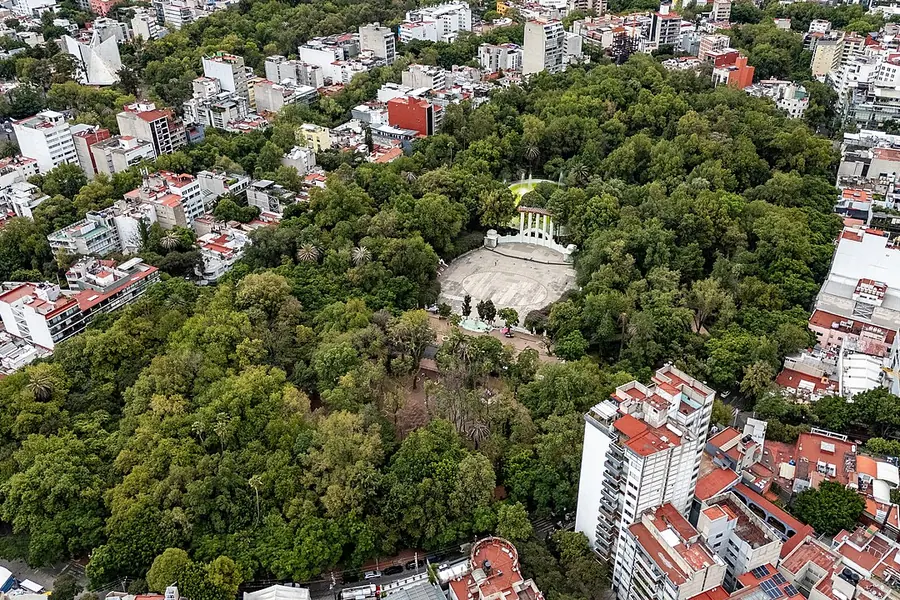
Parque México is an oval Art Deco park in the centre of Condesa — dogs, joggers, outdoor yoga, and an open-air theatre that plays film screenings in summer. The cafés around the perimeter open at 8 AM and serve the flat whites that Mexico City has, improbably, mastered. Sit outside regardless of the weather. The jacaranda trees bloom purple in February–March and are worth planning a trip around.
The market the tourists don't find. The best reason to look.
Mercado Medellín on Avenida Medellín is a neighbourhood produce and food market — huge, chaotic, cheap, with a food hall at the back serving Mexican regional specialties. The cochinita pibil here (Yucatecan slow-cooked pork in banana leaf) is the version that makes you realise all other versions were approximations. Also: the flower section is enormous and the prices make you want to buy armfuls of something you have no way to take home.
Álvaro Obregón — Roma Norte restaurant strip
The tree-lined avenue that concentrates more good restaurants per block than almost anywhere.
Álvaro Obregón is Roma Norte's main restaurant and bar boulevard — tree-lined (earthquake-damaged but replanted), with an outdoor sitting culture that makes every meal feel like a European terrace. Rosetta is here (if you have a reservation). Maximo Bistrot is here (if you have a different reservation). Baltra Bar is here for mezcal afterwards. Walk it from Insurgentes to Orizaba. Everything looks good. Most of it is.
Mexico City at midnight is where all the good decisions are made.
Roma and Juárez share a nightlife scene centred on bars that open late, stay open later, and serve mezcal, craft beer, and creative cocktails in approximately equal proportion. Licorería Limantour on Álvaro Obregón is one of the best bars in Latin America. The Hanky Panky bar in Juárez (speakeasy, reservation only) is one of the best bars in the world by most rankings. Get in what you can.
The city older than the Aztecs. The mystery nobody has fully solved.
Teotihuacán is 50km northeast of Mexico City — 1 hour by car or 1.5 hours by bus from Terminal Norte. The site opens at 8 AM. Get there early. The Pyramid of the Sun (the third-largest pyramid on earth) is climbable, the Avenue of the Dead stretches 2 km, and the Pyramid of the Moon has the best view of the entire complex. Back in Mexico City by 4 PM for tacos.
Same plan, but extend to include the Quetzalpapalotl Palace complex (the best-preserved murals on site) and lunch at one of the restaurants just outside the site perimeter. The food stalls inside are adequate; the restaurants outside are better.
Pyramid of the Sun (climb)
248 steps. You will be out of breath. The view is worth every one.
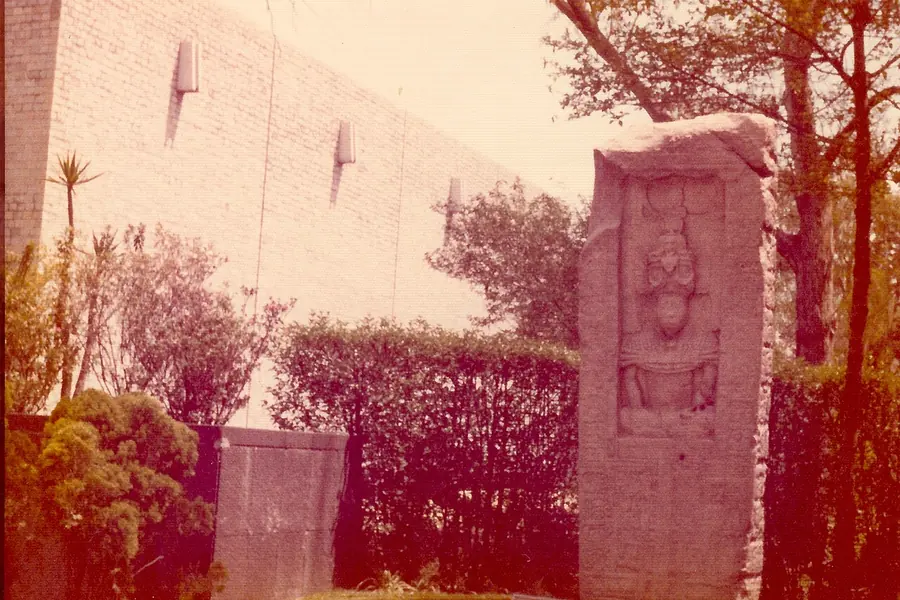
The Pyramid of the Sun is 65 metres tall and was built around 100 CE. Nobody knows who built it. Nobody knows why the city was eventually abandoned. The top platform gives you a 360-degree view of the entire ancient city — the Avenue of the Dead, the Pyramid of the Moon ahead, the surrounding mountains, and no signage trying to tell you what to feel. Climb early before the heat and the tour groups.
The Aztecs named it. They didn't build it. They arrived 700 years after it was abandoned.
The Avenue of the Dead runs 2km between the pyramids, lined with smaller temple platforms. Walk it south to north, ending at the Pyramid of the Moon — smaller than the Sun pyramid, but the view from the top looks straight down the Avenue to the Sun pyramid in a composition that appears designed for exactly this perspective. Archaeologists believe it was.
The museum on site that explains everything the ruins can't.
The on-site museum has the context the ruins lack: obsidian knives, burial offerings, the jade mask from the Moon Pyramid burial, and scaled models of the city at its peak (population: 125,000 — the sixth-largest city in the world at the time). The murals in the Tepantitla compound (15-minute walk) show the Paradise of Tlaloc and are some of the finest surviving pre-Columbian painting anywhere.
The Aztec canals, the colonial village, and the Saturday bazaar that's been running since 1972
San Ángel on a Saturday morning is Bazar del Sábado — artists selling work from colonial courtyards in one of Mexico City's best-preserved colonial neighbourhoods. Then south to Xochimilco, the network of Aztec-built canals where you hire a trajinera (wooden flat-bottomed boat decorated in flowers) and float through the chinampas eating tacos from passing boats. This is the Mexico City that doesn't exist anywhere else.
Bazar del Sábado, San Ángel
The Saturday art market in a colonial courtyard. Since 1972, rain or shine.
Bazar del Sábado occupies the courtyard and surrounding streets of a 17th-century mansion in San Ángel every Saturday. Local artists sell ceramics, jewellery, textiles, and paintings — not tourist tat, actual Mexican craft traditions alongside contemporary art. The restaurant inside the courtyard serves lunch. The streets outside have Diego Rivera's studio house (now a museum) nearby.
Flat-bottom boats on Aztec waterways. Buy tacos from the boats that approach you.
Xochimilco is a UNESCO World Heritage site south of Mexico City — the last remnant of the Aztec chinampa agriculture system, where floating gardens were built on lake beds. Hire a trajinera (a decorated wooden boat with a table and chairs) for 2–3 hours and float through the canals. Other boats approach selling tacos, cerveza, aguas frescas, and live marimba music. Say yes to most of these things.
Dinner in San Ángel — Loretta Chic Bistrot or San Ángel Inn
Colonial hacienda dining. The option that feels like a hundred years ago.
San Ángel Inn occupies an ex-Carmelite convent from 1692 with garden courtyards, indoor fireplaces, and Mexican haute cuisine at prices that are still lower than comparable European restaurants. It's old money, slightly formal, entirely worth it once. Alternatively, Loretta Chic Bistrot on the Plaza San Jacinto is newer, more casual, excellent.
Day 6
Mercado de Jamaica + Tepito + Night at Foro Shakespeare
The markets and the underground — the real city infrastructure
Day 6 is the CDMX day that no itinerary includes, which is exactly why it's here. Mercado Jamaica is the flower market — 30,000 square metres of every flower grown in Mexico, at 5 AM or any other time. Tepito is the neighbourhood that sells everything, operating by rules that are different from the rest of the city (go with a local or a guide). Evening at a small theatre or concert hall.
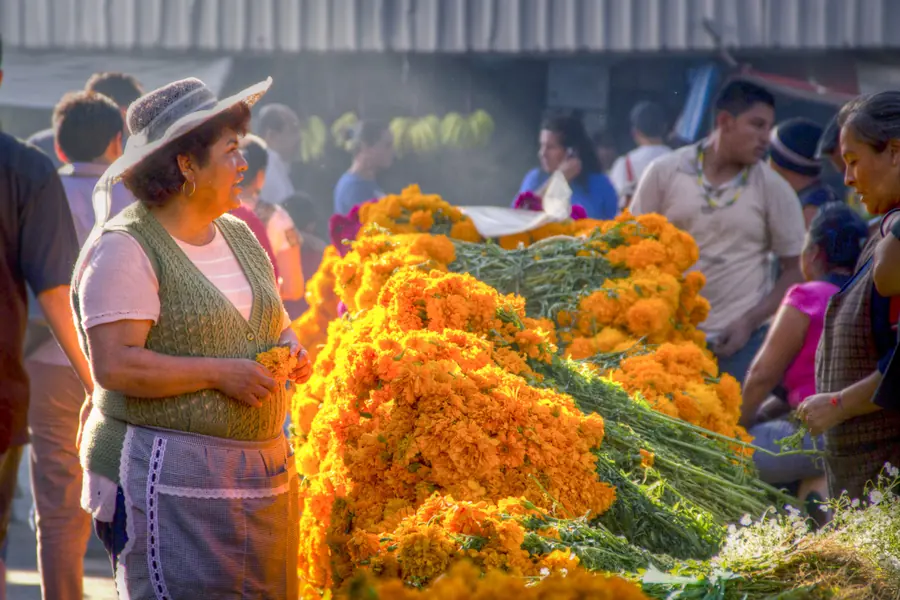
Mercado Jamaica (flower market)
The entire floral output of Mexico, under one roof. The smell alone.
Mercado Jamaica in the Venustiano Carranza neighbourhood is Mexico's largest flower market — 30,000 square metres of wholesale and retail flowers, wreaths, ornamental plants, and paper flowers for Day of the Dead altars. It operates 24/7. At 9 AM you have wholesale operators, Day of the Dead altar builders, florists, and tourists in roughly equal proportion. Buy an armful of tuberoses for your room and take a taxi back. They cost $3.
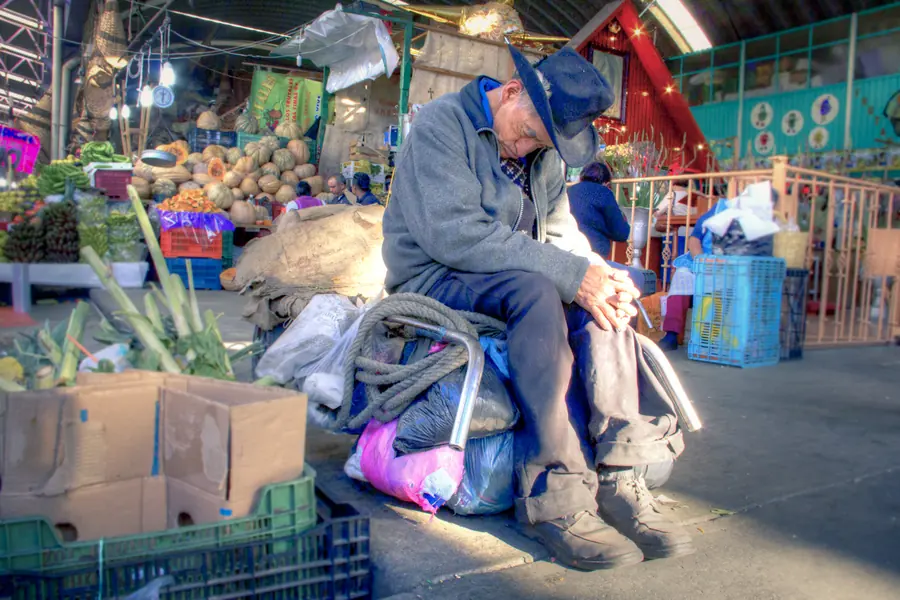
The largest market in the western hemisphere. You will get lost. This is fine.
La Merced is a full city block of covered market with dozens of sections: fresh produce, dried chiles, herbs, street food, clothing, electronics, and things you cannot identify. The prepared food section has 40 stalls serving different regional Mexican cuisines. Navigate by smell. Order whatever smells best. It will cost less than $3.
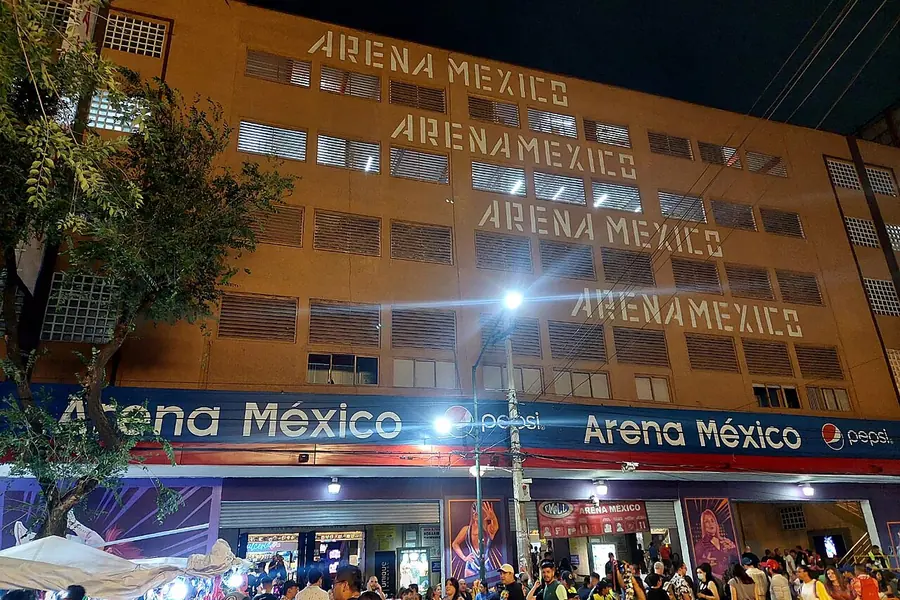
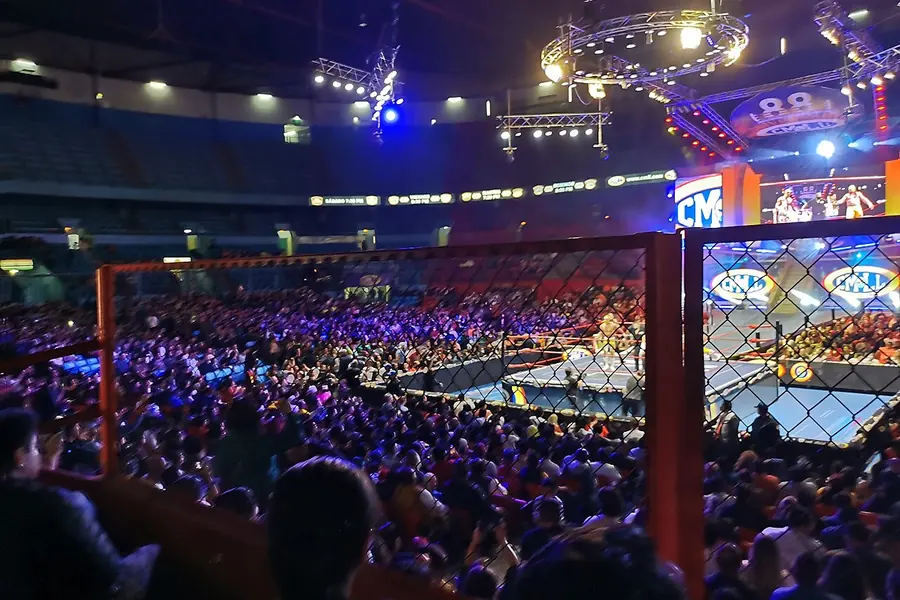
Lucha Libre at Arena México
Professional wrestling, Mexican style. Masks, capes, and more acrobatics than physics should allow.
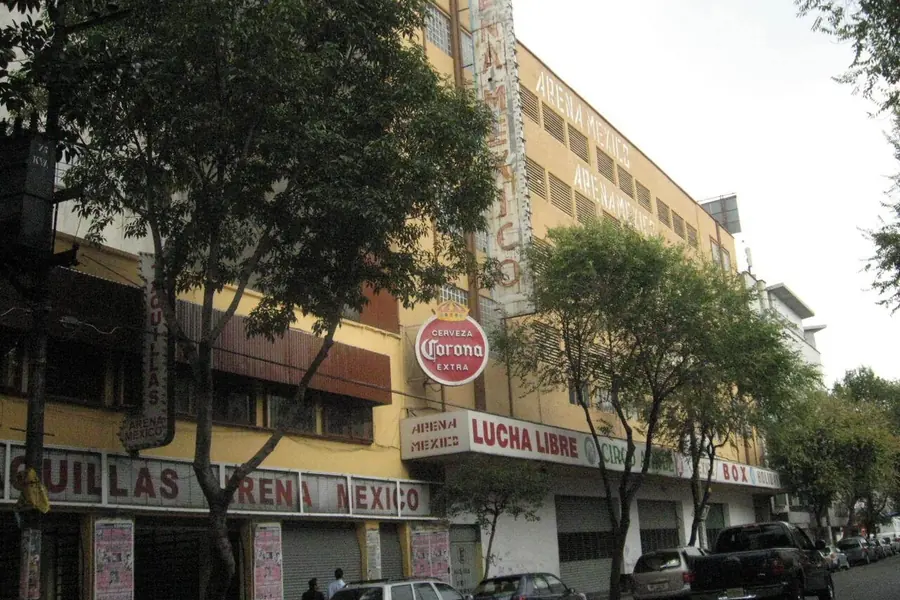
Arena México in Doctores is the Cathedral of Lucha Libre — main events on Tuesdays and Fridays, with a card of 5–6 matches from mid-afternoon into the evening. Luchadores in elaborate masks perform aerial moves that genuinely require explanation. The crowd is local families, couples, and superfans. Buy a mask at the entrance. Wear it. Cheer for whoever is climbing the ropes.
The city's grandest park, its best museum, and the taco you've been saving
Last day. Chapultepec is the lung of Mexico City — 686 hectares of park with a hill, a castle, a castle-museum at the top, and the Anthropology Museum on the edge. The Museo Nacional de Antropología is the finest museum in Latin America by wide consensus. Don't skip it. Polanco for dinner — the most expensive neighbourhood in the city, worth the last night budget allocation.
Museo Nacional de Antropología
The Aztec Sun Stone is here. So is everything else from pre-Columbian Mexico.
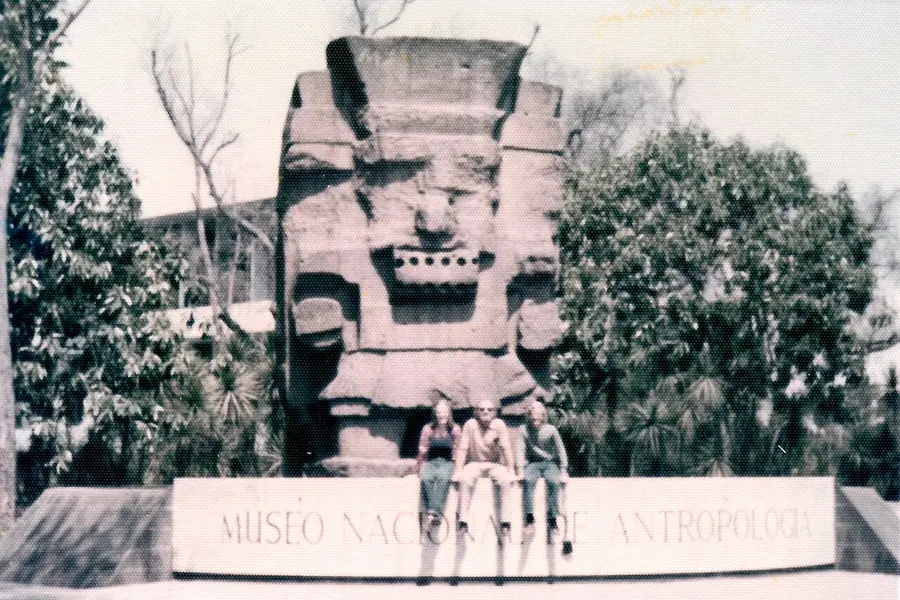
The National Anthropology Museum is one of the great museums of the world — twelve enormous galleries around a central courtyard with a mushroom-shaped fountain (it rains under the mushroom cap). The Mexica hall has the Aztec Sun Stone (the calendar), the Stone of Tizoc, and a reconstruction of Montezuma's headdress. The Maya hall has the sarcophagus lid from Pakal's tomb at Palenque. Plan 3 hours minimum. The café inside is better than expected.
The Mexican castle that was once Maximilian of Habsburg's home. Strange and beautiful.
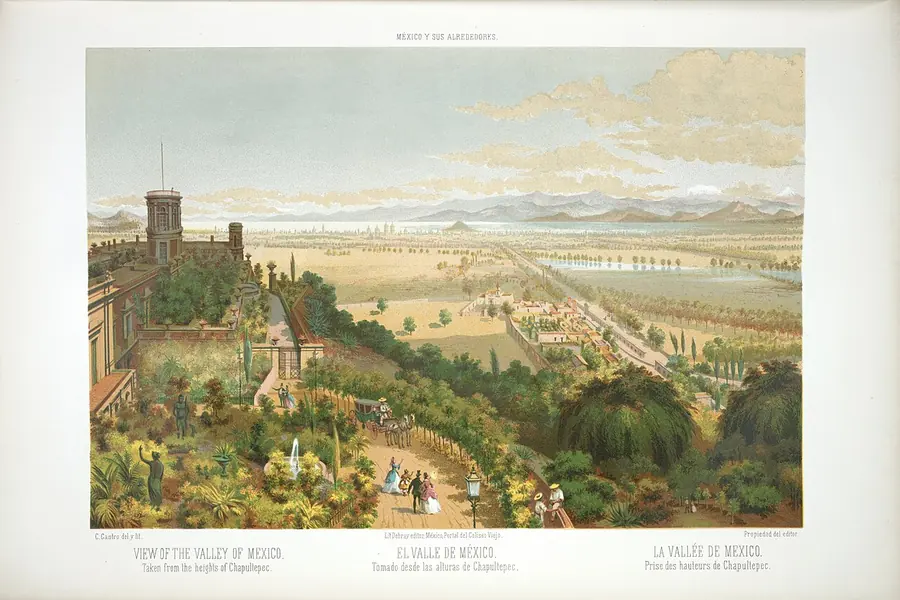
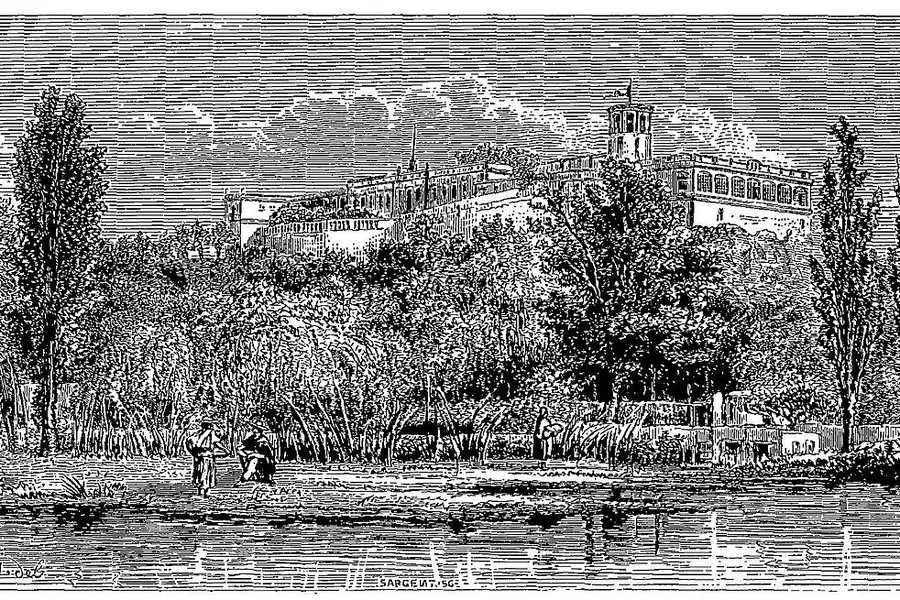
Chapultepec Castle sits on a hill in the park — it was a military school, then the home of Emperor Maximilian I (the Habsburg Austria sent to rule Mexico in the 1860s), and is now a history museum. The rooms are preserved with original Habsburg furniture, Mexican murals from the post-revolutionary period, and a rooftop terrace with the best view of the Paseo de la Reforma boulevard below.
Farewell dinner in Polanco — Pujol or Quintonil (if you planned ahead)
The two restaurants that put Mexico City on the World's 50 Best list.
Pujol (Enrique Olvera) and Quintonil (Jorge Vallejo) are the two restaurants that the world's food media now makes pilgrimages to Mexico City for. Pujol does the mole madre — a sauce that has been continuously cooking for years, served alongside new mole in a circle. Quintonil does modernist Mexican with indigenous ingredients you won't recognise. Reservations open 30–60 days ahead via their websites. If you didn't book: Máximo Bistrot in Roma is the best meal you can walk into.
Mexico City will rearrange your assumptions about cities. It’s bigger than you’re prepared for (22 million people in the metro area, the largest city in North America). It’s cheaper than you’ve been told. It’s more beautiful than the photographs suggest — the murals are in the government buildings, the markets are cathedral-sized, the parks are vast and leafy and full of people on a Tuesday afternoon doing nothing in particular.
This itinerary is built around one rule: don’t try to cover too much ground per day. Mexico City’s neighbourhoods are dense and walkable, but the distances between them require planning. A badly sequenced CDMX day means 40 minutes in traffic between Coyoacán and Polanco for no reason. A well-sequenced one means you walk from Condesa to Roma without a car, eat in both, and arrive home for dinner having seen more of the city than most visitors see in a week.
The 2/3/4/7-day versions build deliberately. Two days is Centro and Coyoacán. Seven days is the city revealing its actual self — the flower market at dawn, the Aztec canals by boat, the mole madre at Pujol.
Use the filter above to see which days apply to your trip.
This article contains affiliate links marked with rel="sponsored". We may earn a commission at no extra cost to you.