I once spent eleven days in Lisbon with only a phrase book and a suspiciously cheerful hostel cat named Fado. By Day 3 I had a favourite pastelaria. By Day 7 I had opinions about which tram to avoid. By Day 11 I was calculating whether my savings could fund a six-month rental on a Mouraria side street. They could not. I left anyway, which was the hardest thing I've done in a city that is very good at making leaving feel like a mistake.
48 Hours: Alfama, Belém, and the Thing With the Custard Tarts
Two days in Lisbon is enough to understand why everyone comes back. Alfama in the morning, the miradouros at sunset, a pastéis de nata still warm from the oven at Pastéis de Belém. You will leave with a custard tart problem. This is normal. This is the correct outcome.
Book Pastéis de Belém first thing — the queue peaks 10 AM–2 PM.
72 Hours: The City and Its River
Three days adds the Time Out Market, a proper morning in Mouraria, and a sunset fado show in a small venue that charges €15 entry and makes you feel like a person who has finally understood something. The Tagus is everywhere. You stop noticing how wide it is around Day 2, which is when you start noticing everything else.
4 Days: Sintra Changes Everything
Four days means Sintra — a UNESCO World Heritage hilltown 40 minutes from Rossio Station, where a 19th-century king built fairy-tale palaces into the rockface and basically invented romantic nationalism. It sounds absurd. It is absolutely not absurd. Come back in a better mood.
7 Days: The Lisbon That Doesn't Know You're Watching
Seven days means you find the miradouro that isn't in any guidebook, eat lunch at the same tascas twice, and take the ferry across the Tagus to Cacilhas just to see the city from the other side. You will feel like a local around Day 5. This is an illusion Lisbon is very good at creating and it is one of the city's greatest gifts.
Estimated budget:$180–$320 est. (budget–mid, incl. 1 hotel night)
Estimated budget:$280–$480 est. (2 hotel nights + day trip transit)
Estimated budget:$380–$650 est. (Sintra day trip + 3 nights)
Estimated budget:$680–$1,200 est. (full week, mid-range Airbnb or hotel)
[ THE DISPATCH · FIELD MAP ]
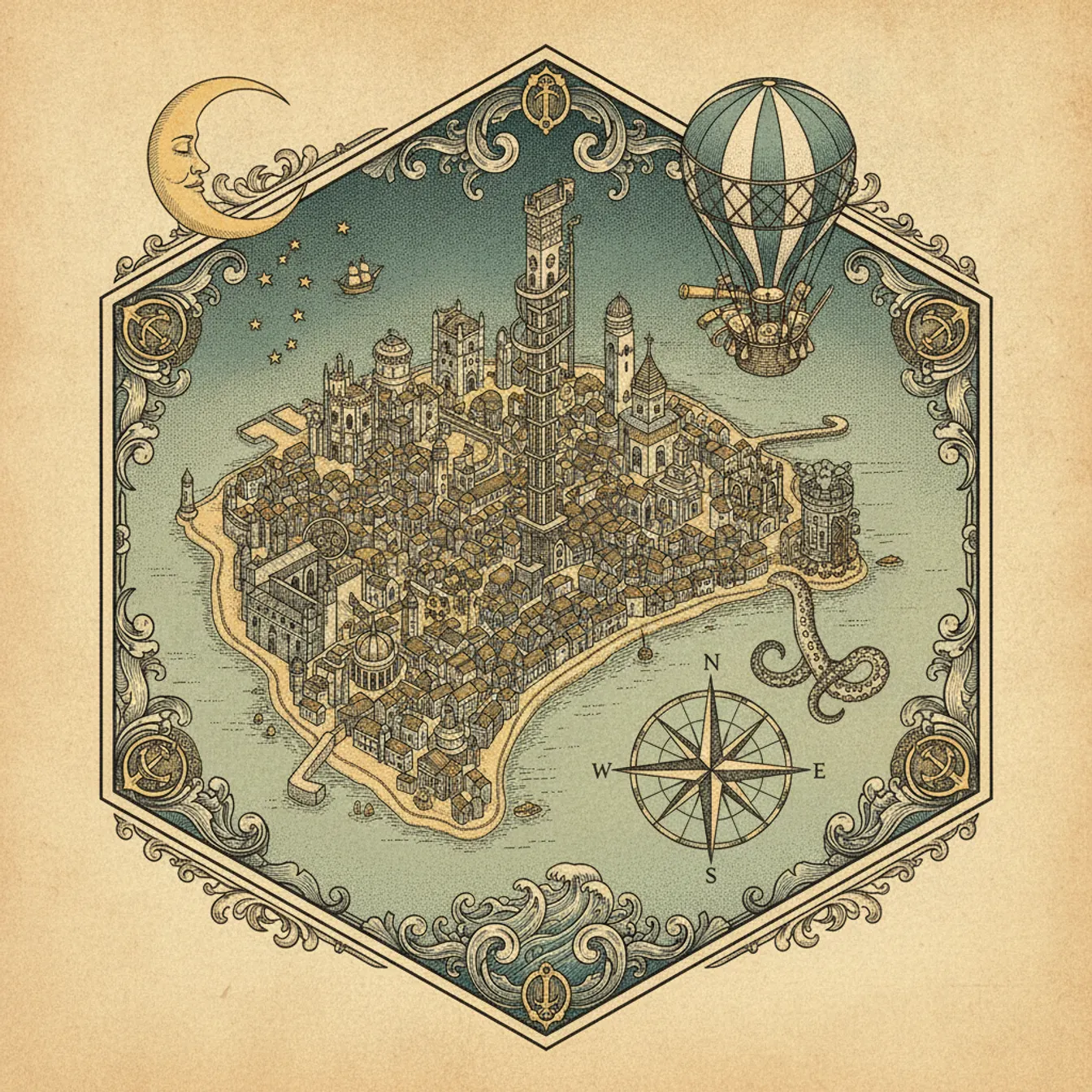
A tilted, hand-drawn dispatch of Lisbon. Click a quarter to explode it open.
0 / 6 quarters explored
[ ALFAMA ]
Old stones, older stories.
Castelo de São JorgeThe Visigoths built it. The Moors extended it. The Portuguese took it in 1147 and haven't shut up about it since.
Alfama neighbourhood — the moraria below tGet lost on purpose. The hills will sort you out eventually.
[ BELÉM ]
Old stones, older stories.
Pastéis de Belém — the original pastel de A custard tart recipe from 1837. A queue from 8 AM. Both are worth it.
Jerónimos MonasteryManueline architecture at its most excessive. Vasco da Gama's tomb is inside. Casual.
[ BAIRRO ALTO ]
Stays up later than you do.
Torre de BelémA 16th-century tower in the Tagus that looks like something from a fairy tale, because it is.
Príncipe Real — dinner and the Saturday anLisbon's most elegant neighbourhood, where the restaurants are serious.
[ MOURARIA ]
Old stones, older stories.
Mouraria neighbourhood walkWhere Lisbon's soul lives. Less polished than Alfama. Truer for it.
Time Out Market LisboaThe food hall that invented the template. The original is still the best.
[ RIBEIRA / TIME OUT MARKET ]
Where the city meets the water.
Cais do Sodré — the Pink Street barsA street painted pink in 2011 to make it less threatening. Now: just the best bar street in Lisbon.
[ SINTRA (DAY TRIP) ]
Green breathing room.
Pena PalaceA Bavarian castle in the Portuguese hills. Painted orange and yellow. This was a deliberate choice.
Moorish Castle (Castelo dos Mouros)A 9th-century castle above the clouds. Free. Almost no queue. Go figure.
Day 1
Alfama + Miradouros + Evening Fado
The Lisbon that was always here
Start where Lisbon started. Alfama survived the 1755 earthquake and still looks like it survived the 1755 earthquake — in the best possible way. Morning in the castle, afternoon at the viewpoints, evening at a small fado venue in the quarter. This day is the reason everyone talks about Lisbon the way they do.
Take the Number 28 tram from Martim Moniz through the heart of Alfama, ride it to the end, walk back down. Stop wherever the tram can't. This is the correct way to understand the city's hills.
Castelo de São Jorge
The Visigoths built it. The Moors extended it. The Portuguese took it in 1147 and haven't shut up about it since.
São Jorge Castle is the oldest thing in Lisbon and the highest point in the old city. The battlements have the finest 360-degree view of the city and the Tagus — better than any miradouro and without the sunset-crowd competition. The castle itself is more ruin than fortress now, which is appropriate; it looks like history feels. Inside: peacocks. Several peacocks, wandering with the supreme indifference of creatures that have outlasted four civilisations.
Alfama neighbourhood — the moraria below the castle
Get lost on purpose. The hills will sort you out eventually.
Alfama below the castle is the oldest continuously occupied neighbourhood in Lisbon — narrow lanes, tiled façades, cats on every windowsill, the smell of sardines grilling at lunch. Walk downhill from the castle toward the Museu do Fado, stopping at the Portas do Sol and Santa Luzia viewpoints. The Santa Luzia azulejo panels on the church exterior show Lisbon before the earthquake — a city that no longer exists.
Museu do Fado (lunch break optional)
The museum that makes you understand why this music makes people cry on purpose.
The Museu do Fado explains the history of Portugal's national music — its Moorish roots, its association with the Alfama working class, its transformation into the voice of saudade (untranslatable: something between longing, nostalgia, and love-that-hurts). The listening stations are excellent. The gift shop sells genuinely good fado CDs. Buy one. You will play it when you are home and feel everything at once.
Miradouro da Graça (or Portas do Sol) — sunset
The best free view in Lisbon that isn't on every poster.
The Graça miradouro is a fifteen-minute walk east of São Jorge Castle and has a café, benches, and a view that takes in the entirety of Lisbon's rooftops down to the Tagus, with the 25 de Abril Bridge (astonishingly similar to the Golden Gate — same engineers) in the distance. Locals come here. Bring wine from a corner store. A Mini e-bike rental from Cais do Sodré makes the uphill painless.
Fado show — small venue in Alfama
Not the tourist-dinner fado. The real thing. There is a difference.
The tourist-dinner fado shows exist and are fine. The real fado venues in Alfama are the ones you find by asking the owner of your hotel (or, in their absence, asking the bartender at the nearest tasca). Look for: A Baiuca on Rua de São Miguel, Tasca do Chico on Rua do Diário de Notícias. These charge €15–€20 entry with a drink minimum. The singing starts late. Do not arrive before 9:30 PM. Do not talk during the fadista's performance or the locals will look at you.
Day 2
Belém — Pastéis, Jerónimos, and the Tower
Where Portugal launched the Age of Discovery, with excellent pastry
Take the 15E tram from Cais do Sodré (or an Uber — the tram is slower but the ride through the riverside neighbourhood is worth it on your last day). Pastéis de Belém opens at 8 AM. The queue starts then too, but moves fast. Jerónimos Monastery, the Tower, home via LX Factory for a drink.
Same Belém plan but with more time at Jerónimos — the cloister deserves an hour. Evening in Príncipe Real for dinner; the neighbourhood is quieter than Bairro Alto and the restaurants are better.
Pastéis de Belém — the original pastel de nata
A custard tart recipe from 1837. A queue from 8 AM. Both are worth it.
Pastéis de Belém has been making pastéis de nata from the original Jerónimos monks' recipe since 1837. The filling is set with egg yolks, cream, and a spice mixture that is legally a trade secret. You eat them warm, with powdered cinnamon and powdered sugar, standing at the counter. The tiled dining rooms inside seat hundreds but the queue moves efficiently. Order four. Have three immediately and carry one for thirty minutes before eating it, and notice how it is still better.
Jerónimos Monastery
Manueline architecture at its most excessive. Vasco da Gama's tomb is inside. Casual.
Jerónimos was built with money from the spice trade — a monument to Portugal's maritime empire — and the Manueline stonework is extraordinarily detailed: twisted rope, armillary spheres, coral, and exotic creatures from the coasts Portugal was reaching for the first time. The two-storey cloister is one of the finest in the world. Vasco da Gama is buried in the church next to Luís de Camões, the epic poet who wrote the voyage. Book timed entry online.
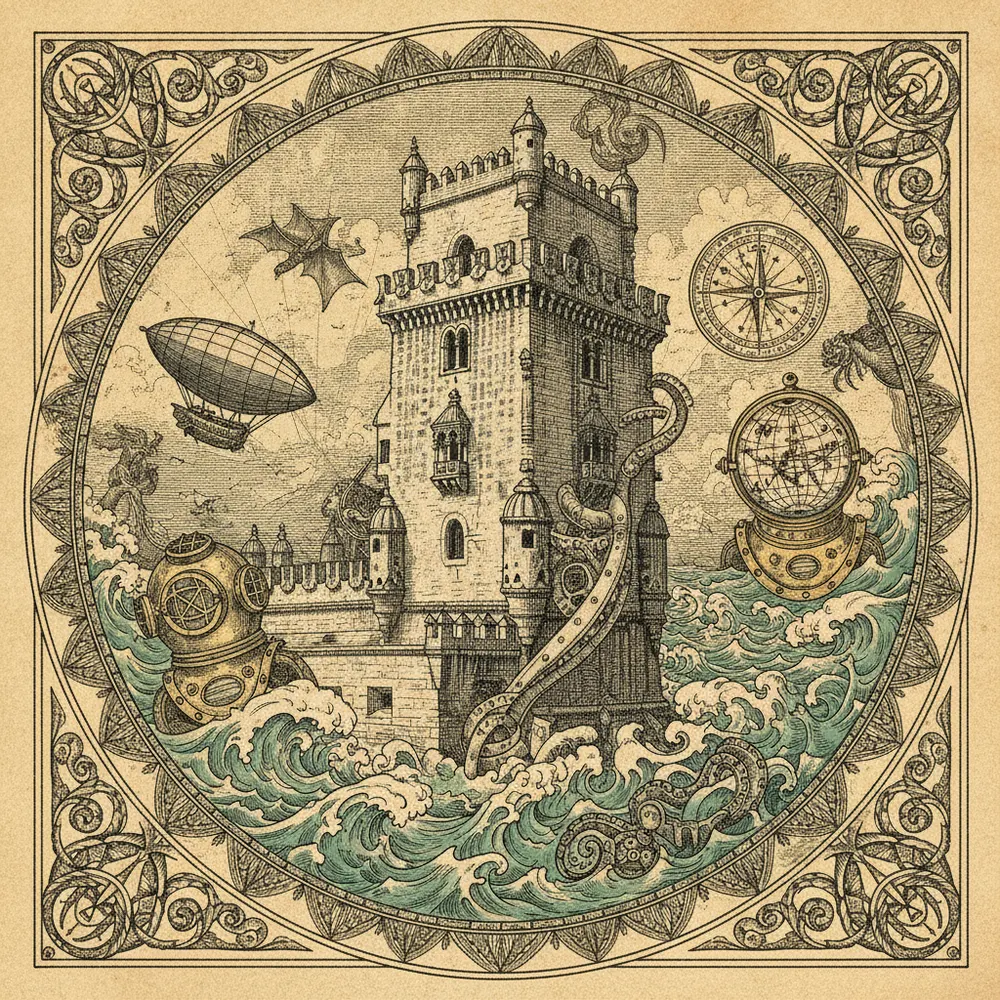
A 16th-century tower in the Tagus that looks like something from a fairy tale, because it is.
The Tower of Belém sits in the Tagus and was the last thing Portuguese sailors saw as they left for the East. The fortified tower is a UNESCO site and the icon of Lisbon — on every postcard, tote bag, and fridge magnet in the country. The interior tour takes 45 minutes and involves very narrow stairs. The view from the top requires confidence on narrow medieval walkways. Both are worth it.
Príncipe Real — dinner and the Saturday antique market
Lisbon's most elegant neighbourhood, where the restaurants are serious.
Príncipe Real sits just above Bairro Alto and feels considerably more adult. The Saturday antique market in the Jardim do Príncipe Real is excellent. The restaurants on Rua da Escola Politécnica and side streets range from serious Portuguese cooking (Taberna da Rua das Flores, book ahead) to excellent casual wine bars. The neighbourhood has more independent perfumers per square metre than anywhere I know.
Day 3
Mouraria + Time Out Market + Cais do Sodré
Lisbon's Moorish quarter and the market that proves gentrification occasionally works
Mouraria in the morning (the neighbourhood that gave fado its Moorish roots, still the most authentic area of the old city), Time Out Market for lunch (a curated food hall that is somehow not awful), and Cais do Sodré in the evening for cocktails on the waterfront or a nightcap at one of the pink-lit bars on Rua Nova do Carvalho.
Same structure with a detour to the Intendente neighbourhood on the way — Largo do Intendente square has a 19th-century ceramic tile factory and a café that locals use as an afternoon office.
Mouraria neighbourhood walk
Where Lisbon's soul lives. Less polished than Alfama. Truer for it.
Mouraria is the neighbourhood where the Moors were confined after the Christian reconquest of Lisbon in 1147 — the name means 'Moorish quarter' — and it is the oldest continuously inhabited area in the city. The streets are steeper and narrower than Alfama, the tiles more worn, the residents less accustomed to tourists. This is changing and you should go now. The Mouraria Community Centre on Rua do Capelão has a small exhibition on the neighbourhood's history; the café does the best coffee in the area for €0.65.
Time Out Market Lisboa
The food hall that invented the template. The original is still the best.
Time Out Market at Cais do Sodré opened in 2014 and has been copied in every major city since, none of which have matched it. Forty restaurants, hand-picked by Time Out's editors, in a restored 1882 market hall. Michelin-starred chefs sharing space with pastel de nata vendors. The Bifana (Portuguese pork sandwich) at O Talho is what every sandwich aspires to be. The crab rice at Sea Me is the splurge. Have both.
A street painted pink in 2011 to make it less threatening. Now: just the best bar street in Lisbon.
Rua Nova do Carvalho — officially Lisbon's old red-light district — was painted entirely pink in 2011 as part of an urban renewal scheme. The bars are still here, now serving craft beer to tourists alongside the original clientele. The best bars are the ones without menus outside. The DJ at Pensão Amor starts at midnight and runs until 4 AM. The ferry at Cais do Sodré runs all night if you end up on the wrong side of the Tagus.
Day 4
Sintra — Pena Palace and the World Restored
The day trip that makes you question whether you even need to go home
Train from Rossio Station (€2.30 one way, 40 minutes, run every 30 min). Arrive early — Pena Palace queues are civilised before 10 AM. The Moorish Castle above the village is free and dramatic. Eat lunch in Sintra village before returning. Buy a travesseiro (flaky pastry filled with almond and egg cream) from Casa Piriquita. Do this.
Same structure but add Quinta da Regaleira — a 19th-century estate with a 27-metre deep initiatory well that you descend via a spiral staircase (it's not a metaphor, but it might be a metaphor).
Pena Palace
A Bavarian castle in the Portuguese hills. Painted orange and yellow. This was a deliberate choice.
Pena Palace was built in the 1840s by King Ferdinand II as a summer retreat and romantic fantasy in stone. It draws on Bavarian, Moorish, Manueline, and Gothic styles simultaneously, which should be ridiculous and is instead deeply joyful. The colour scheme (orange, yellow, red) was restored from the original in the 2010s. The Triton Gate at the entrance, covered in ceramic sea creatures, is the most exuberant thing in Portugal. The view from the towers takes in the Atlantic coast.
A 9th-century castle above the clouds. Free. Almost no queue. Go figure.
The Moorish Castle sits above Pena Palace and is accessible via a short uphill walk through the UNESCO forest. The walls and towers date from the 8th–9th century and have been partially restored — you walk the battlements through the tree canopy with views down to the coast. It is considerably less visited than Pena and considerably more dramatic in feel.
Quinta da Regaleira — the initiatory well
A 19th-century neo-Manueline estate with a 27-metre spiral well leading to underground grottos. Fine.
Quinta da Regaleira was built by António Augusto Carvalho Monteiro, a wealthy coffee merchant with strong feelings about Freemasonry, Rosicrucians, and Portuguese nationalism. The estate is extraordinary: Gothic towers, lakeside grottos, underground tunnels that connect the initiatory well to the surface. The well descends nine levels via a damp stone spiral staircase. It feels like the beginning of a myth. It may be.
Day 5
LX Factory + Belém Riverside + Sunset Ferry
Sunday in Lisbon, the right way
If Day 5 falls on a Sunday, the LX Factory market is mandatory — the best Sunday market in Lisbon, in a converted 19th-century industrial complex under the 25 de Abril Bridge. The Ler Devagar bookshop inside the factory (books stacked floor to a 10-metre ceiling, accessed via rolling ladders) is worth the trip alone. Afternoon: the sunset ferry to Cacilhas for the best view of Lisbon that exists.
LX Factory Sunday Market
Under the bridge, in a repurposed factory. Lisbon's best Sunday morning.
LX Factory opened in a former 19th-century fabric factory in 2008. The Sunday market runs from 10 AM to 6 PM under the shadow of the 25 de Abril Bridge — vintage clothing, Lisbon-made ceramics, organic produce, street food. The Ler Devagar bookshop (Slow Reading) inside is the finest bookshop in Portugal: floor-to-ceiling books on three storeys, accessed by rolling library ladders, with a bicycle suspended from the ceiling for reasons. Buy something Portuguese to read on the plane.
Ribeira das Naus — riverside afternoon
The old dockyard turned into a limestone promenade. Locals lie on the steps all afternoon.
The Ribeira das Naus is the reconstructed Tagus waterfront between Praça do Comércio and Cais do Sodré — a series of limestone steps down to the water where Lisboetas lie in the sun all afternoon with wine from the riverside kiosk. It is not a beach; the Tagus is a river (even here, 20 km from the sea, it is enormous). But the light on the water in the afternoon is extraordinary and the people-watching is better.
Cacilhas Ferry — sunset view of Lisbon
€1.30 each way. The finest €2.60 you will spend in Portugal.
The ferry from Cais do Sodré to Cacilhas (on the south bank of the Tagus) takes 10 minutes and costs €1.30. The view from the middle of the river back toward Lisbon — the hillside neighbourhoods terraced above the waterfront, the castle on the left, the 25 de Abril Bridge on the right — is the best view of the city available and one that guidebooks almost always undersell. Cross at sunset. Return when you are ready.
Day 6
Graça + Feira da Ladra Flea Market + Intendente
East Lisbon, slowly
Feira da Ladra ('Thief's Market') runs on Tuesday and Saturday mornings on the Campo de Santa Clara — a vast outdoor flea market with everything from genuine antiques to things of unclear provenance. Graça above it has the least-visited miradouro in the city and the best view of the Tagus bridge. Intendente in the afternoon for the ceramic tile factory and lunch at a restaurant with menus only in Portuguese.
Feira da Ladra — Campo de Santa Clara (Tue/Sat)
300+ stalls of old tiles, Soviet cameras, and things that might be priceless. Arrive early.
Lisbon's famous flea market has run on Campo de Santa Clara since the 12th century — the Campo was outside the city walls, traditionally used for executions and market trading (in that order on alternating days). Arrive before 9 AM. The good tiles, vintage wine bottles, and azulejo fragments go first. The Soviet cameras go at 10. The inexplicable collection of Portuguese military medals goes at noon. Everything remaining after 2 PM is the things nobody wanted.
Miradouro da Graça — the one nobody goes to
Higher than Portas do Sol. Better view. Roughly one-third of the people.
The Graça miradouro sits above Santa Clara, higher than any of the more famous viewpoints, with a view that takes in the entirety of the Alfama hillside, the Tagus, and Setúbal across the water on clear days. The café terrace here serves beer at 10 AM (this is Portugal) and the atmosphere is entirely local. Nobody is taking a smartphone photo of their coffee.
Largo do Intendente + tasca lunch
A square the city forgot about, then remembered, then decided to leave mostly alone.
Intendente was Lisbon's most derelict square in the early 2010s. Now it has the Fábrica Sant'Anna tile shop (tiles made in Lisbon since 1741, prices that are actually fair), a covered market, and a cluster of restaurants that serve Portuguese working-lunch menus at €7–€10 for three courses and wine. Order the bacalhau à Brás (shredded salt cod with eggs and crisps — it should not be good, it is very good) and the house red.
Day 7
Setúbal Coast + Arrábida + Last Hours in Lisbon
The day trip that makes you forget you were ever stressed
The Arrábida Natural Park is 45 minutes south of Lisbon by car — limestone cliffs dropping into turquoise water, no development, no crowds in the morning. Book a boat tour from Setúbal or drive the coast road and swim at Portinho da Arrábida. Return to Lisbon for a final dinner in the Mouraria or Intendente, the neighbourhood that earned you this final evening.
Arrábida Natural Park — Portinho da Arrábida
The Mediterranean coast Lisbon keeps within driving distance, quietly.
The Arrábida Natural Park protects 30 km of the Serra da Arrábida limestone ridge above the Setúbal Peninsula — cliffs, caves, and water so clear and turquoise it looks aggressively Mediterranean. Portinho da Arrábida is the most accessible beach: a small cove below the cliffs, cold water (17–19°C in summer), a small fish restaurant on the cliff that does the freshest grilled dourada in Portugal. Access to the coastal road is restricted in summer; book the boat tour from Setúbal as an alternative.
Final dinner — Taberna da Rua das Flores (or Tasca do Chico)
The last meal should taste like you'll be back. You will be back.
Taberna da Rua das Flores does small Portuguese tapas (petiscos) from local producers — the bacalhau, the cheese, the bifanas, the small glasses of Alentejo red. Book ahead; it's twelve tables. If it's full, walk to Tasca do Chico in Alfama — the owner will seat you wherever there is space and the fado will start when it starts. Order the house wine. Drink it slowly. Leave nothing in the glass.
Lisbon is the city that other European cities aspire to be when they’re feeling honest about what they’ve lost. Seven hills, a vast estuary, tiles on every surface, light that seems to arrive from an angle that doesn’t exist in the rest of Europe. It is, somehow, still affordable. It is, somehow, still unironic about its own beauty.
This itinerary builds from the old to the new: Alfama first (because you need to understand what was there before the earthquake and what survived it), then Belém (the furthest point of the Age of Discovery), then the city’s living middle (Mouraria, Time Out Market, the night life around Cais do Sodré). The Sintra day trip on Day 4 is not optional — it is the exclamation point that the city’s understated beauty has been building toward.
The 2-day version leaves you with enough to want to come back. The 7-day version leaves you calculating rent.
What
Lisbon Take
Getting around
Tram 28 through Alfama (iconic, slow, crowded). Metro for wider city. Uber is cheap and abundant. Walk wherever possible — the hills are the point.
Tiles
Azulejos are everywhere: on churches, apartment blocks, restaurants, public fountains. The Museu Nacional do Azulejo (not in this itinerary — add it on Day 3 if you are fascinated) covers the full history from 15th century to present.
Language
Portuguese is not Spanish. Don’t start by speaking Spanish. The English level in tourist areas is very high; in tascas and the Feira da Ladra, Google Translate earns its keep.
Food
Bacalhau (salt cod) in 365 preparations. Pastéis de nata. Bifana. Petiscos (small plates). House wine is €1.50–€2.50 a glass and is usually fine.
Saudade
The feeling of nostalgic longing for something you may never have had. You will feel it on the ferry back to Cais do Sodré and on the plane home. This is correct.
This article contains affiliate links marked with rel="sponsored". We may earn a commission at no extra cost to you.