I accidentally ate chilli crab with my hands at a hawker centre on my first night in Singapore and the woman at the next table handed me a wet wipe and said, without looking up from her own plate, 'You're doing it right, actually.' She was eating identically. That was my introduction to the Singapore approach to food: extremely specific about quality, completely relaxed about method, and quietly generous toward anyone trying in the right direction.
The Perfect Singapore Itinerary (2, 3, 4 & 7 Days)
Two days in Singapore means Marina Bay Sands for the view, Gardens by the Bay, the Colonial District, and at least two hawker centre meals. Singapore is efficient — it suits a two-day trip the way few cities do. Everything is clean, nothing is far, and the MRT makes sense immediately.
Gardens by the Bay's Cloud Forest and Flower Dome require advance tickets — book online the night before at minimum.
72 Hours: Singapore's Neighbourhoods
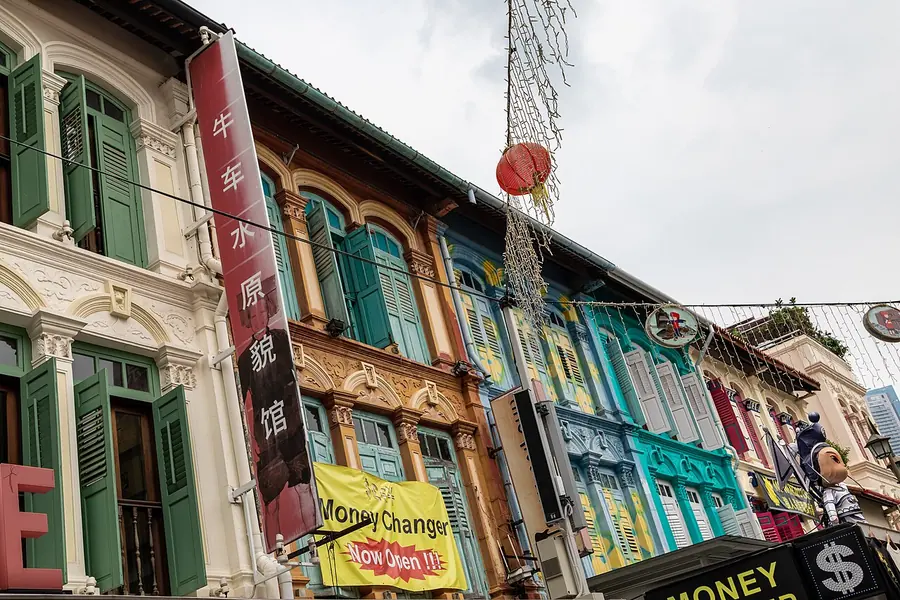
Three days adds Chinatown, Little India, and Kampong Glam — the heritage neighbourhoods that sit inside the hyper-modern city and explain the cultural DNA underneath it. One evening for hawker centre hopping between Maxwell and Lau Pa Sat.
4 Days: The Slow Version
Four days adds Sentosa Island (underrated as a beach destination, genuinely lovely in the early morning before the Universal Studios crowd arrives) and a day in the west — the Botanic Gardens properly, and the Dempsey Hill restaurant strip that expats call the city's best-kept secret.
7 Days: Singapore as a City-State
A week in Singapore and you start understanding the city on its own terms. You've been to Geylang (the night food market district that guidebooks treat with excessive nervousness — it's just the best durian and frog porridge in the city). You've taken the ferry to Pulau Ubin for a day of jungle and kampong houses. You have a favourite hawker stall. This is the week.
Estimated budget:S$220–S$380 est. (budget–mid, 1 hotel night + Marina Bay Sands deck)
Estimated budget:S$320–S$560 est. (2 nights + Gardens by the Bay + heritage neighbourhoods)
Estimated budget:S$750–S$1,300 est. (full week, mid-range Tanjong Pagar or Bugis hotels)
[ THE DISPATCH · FIELD MAP ]
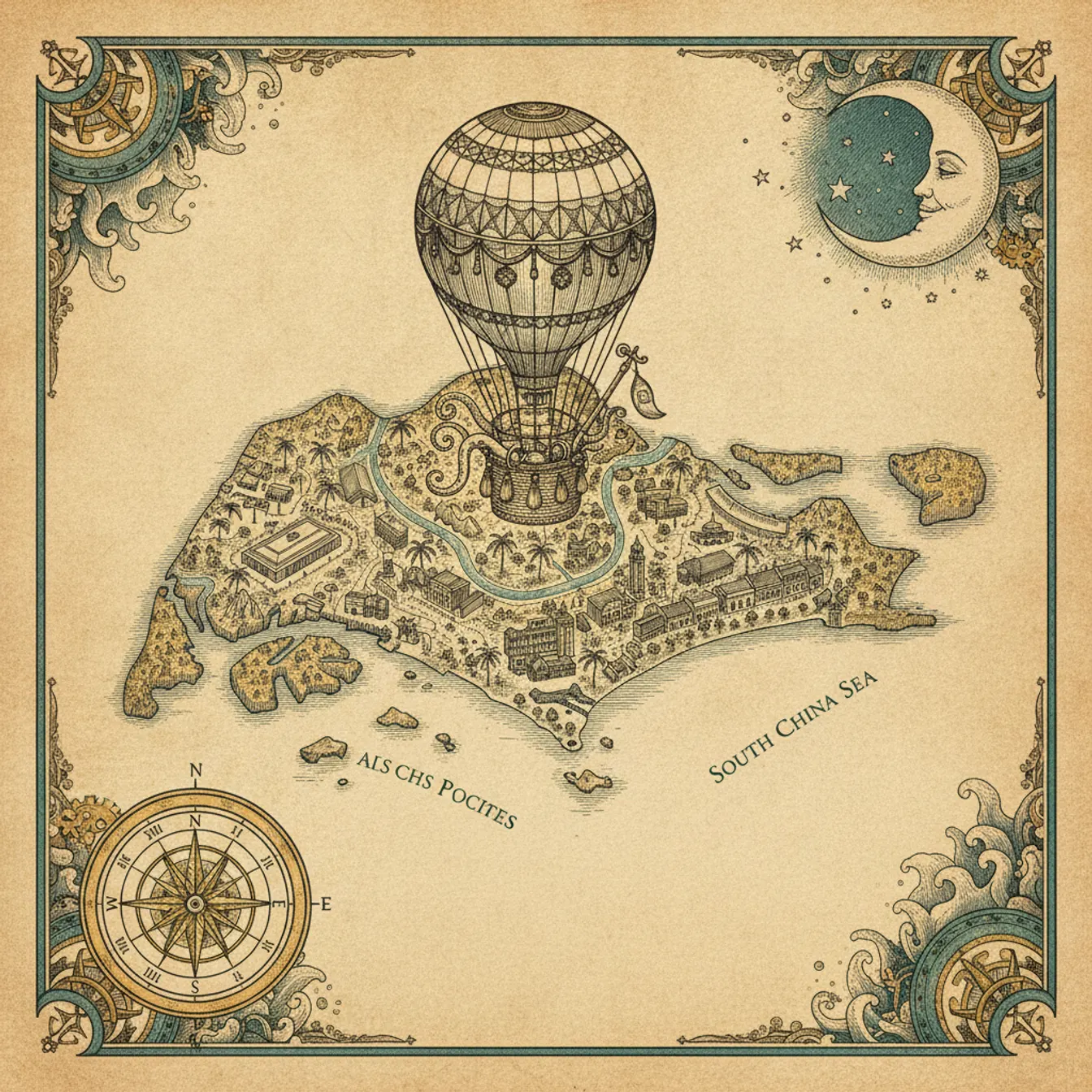
A tilted, hand-drawn dispatch of Singapore. Click a quarter to explode it open.
0 / 6 quarters explored
Legend · tap to highlight
[ MARINA BAY ]
Where the city meets the water.
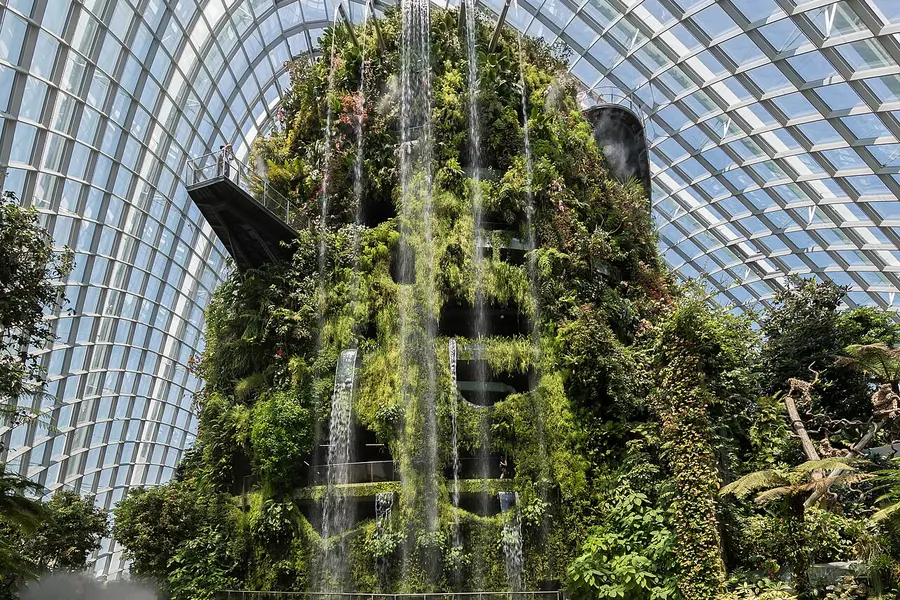
Gardens by the Bay: Cloud ForestA 35-metre artificial mountain inside a climate-controlled dome, 10°C cooler than the 32° outside. The misty waterfall fills a space the height of a fifteen-storey building.
Marina Bay Sands SkyPark57 floors up: financial district north, Gardens below, Indonesia visible on clear days to the south. Go at noon, not sunset — the city in full daylight is more interesting.
[ COLONIAL DISTRICT ]
Grand squares and big ideas.
National Museum of SingaporeHow Singapore went from 150 people on a swampy island to 5.5 million in two centuries. The Victorian neoclassical dome is a heritage landmark. Budget 90 minutes.
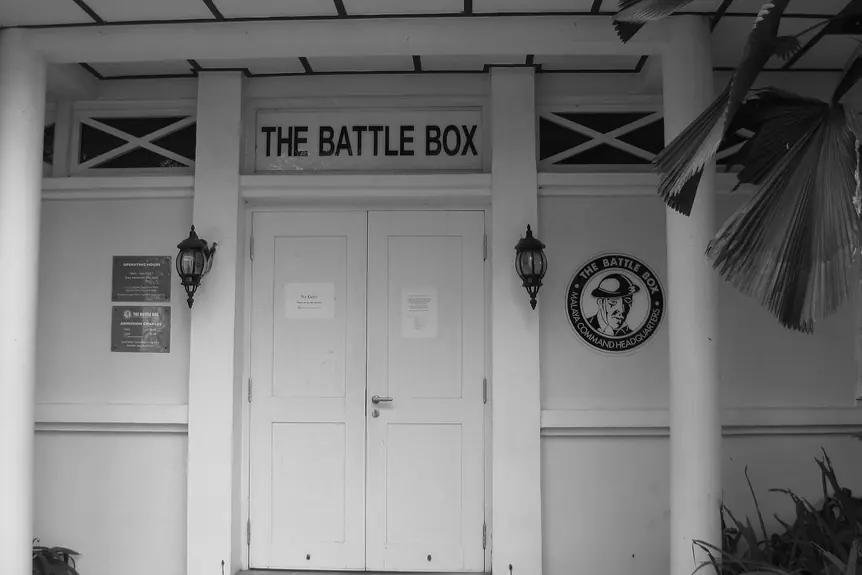
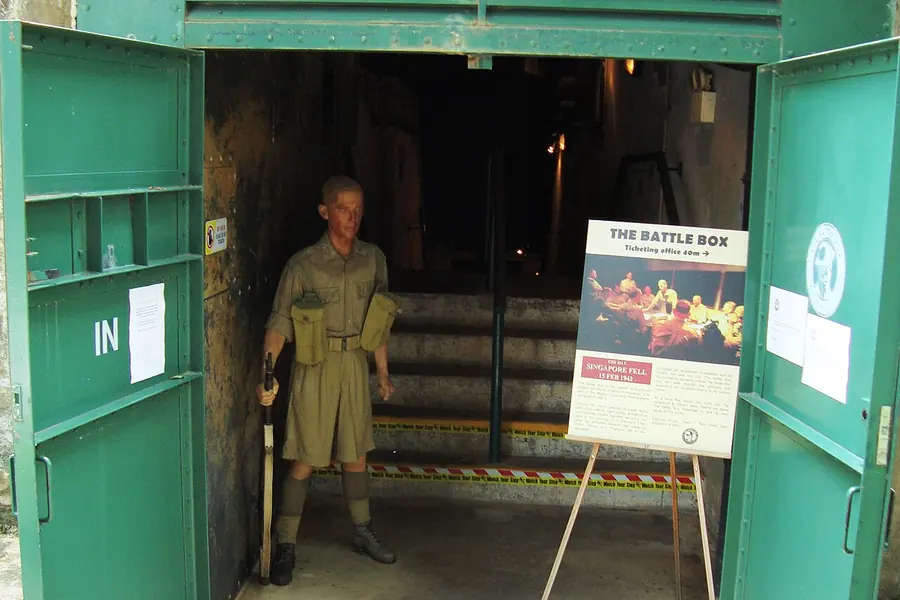
Fort Canning Battle BoxThe underground operations bunker where the 1942 British surrender was coordinated — Churchill called it 'the greatest disaster in British history.' Singapore's most honest colonial history.
[ CHINATOWN ]
Old stones, older stories.
Buddha Tooth Relic TempleCompleted 2007 but built to look Tang dynasty. Houses what's claimed to be the Buddha's left canine tooth — a relic that draws pilgrims from across Asia. The interior is magnificently gilded.
Maxwell Food CentreTian Tian Hainanese Chicken Rice, Stall 10. Queue from 9 AM but manageable at 7:30. Also: kaya toast with soft-boiled eggs and kopi — what everyone who lives here eats first.
[ LITTLE INDIA ]
Old stones, older stories.
Sri Veeramakaliamman TempleLittle India smells of jasmine, incense, and dhal at 9 AM. This 1881 temple dedicated to Kali — with its extraordinary gopuram tower — is free with modest dress. Then: the Mustafa Centre.
Tekka Centre Roti PrataFlaky, buttery Indian flatbread with curry dipping sauce, from 6 AM. Order from stalls without laminated photos. Add teh tarik (pulled tea). This ruins all other breakfast for a month.
[ KAMPONG GLAM ]
Old stones, older stories.
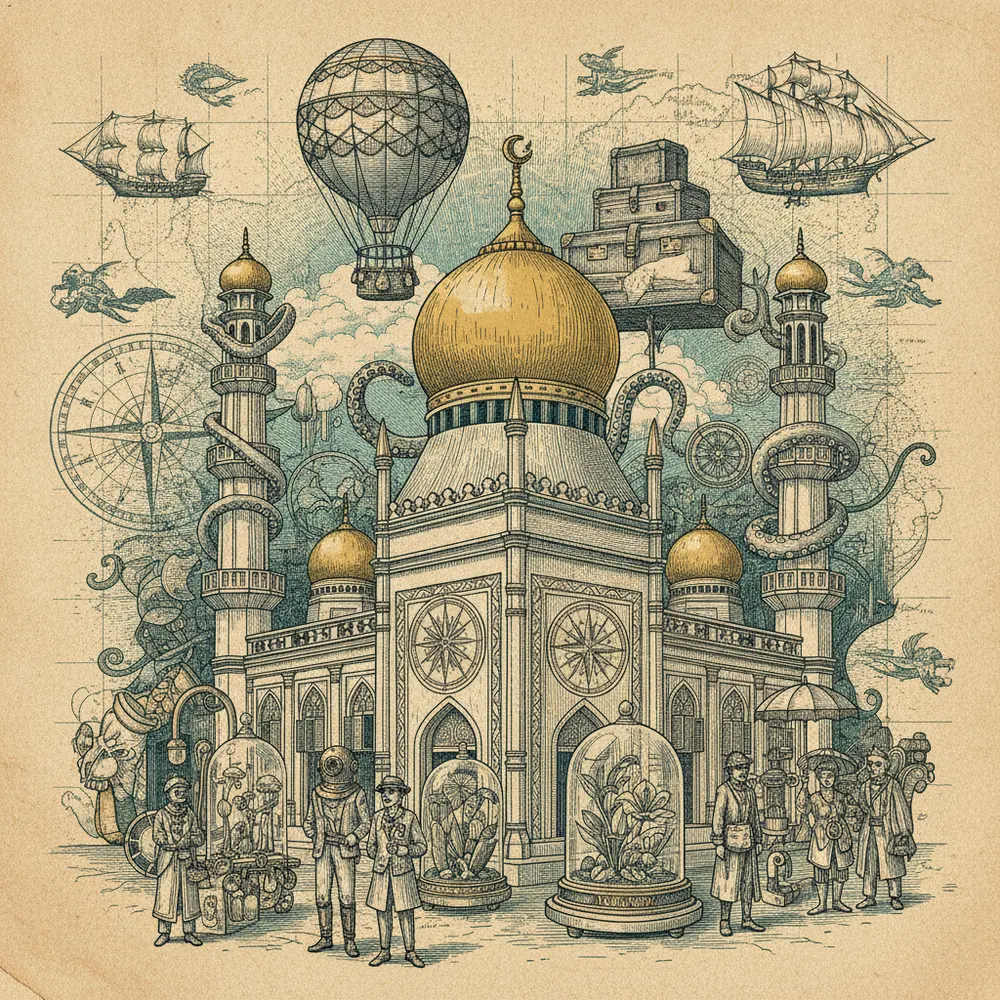
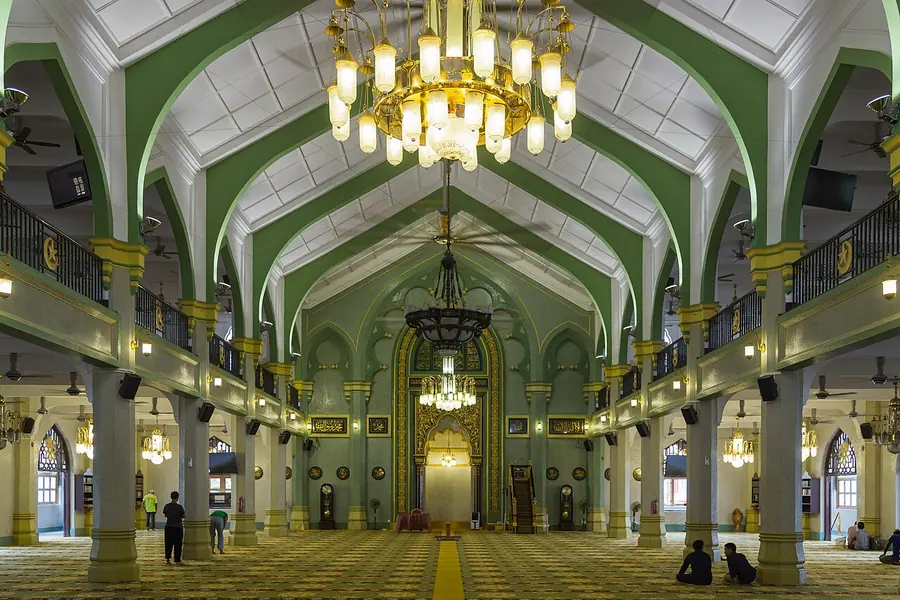
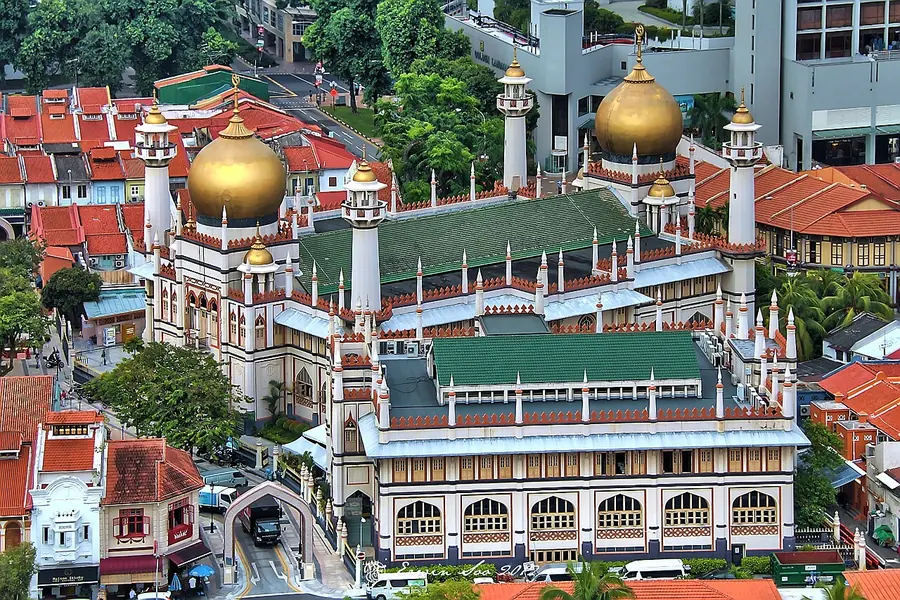
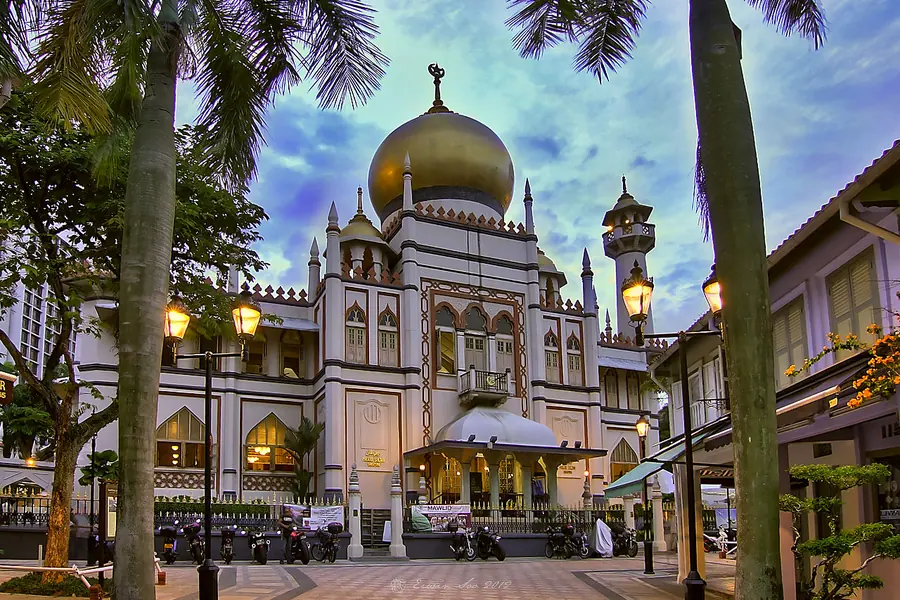
Sultan Mosque Gold DomeSingapore's most important Islamic site, the gold dome visible from several neighbourhoods. The Kampong Glam surrounding it has been half-gentrified in the interesting way — original Malay businesses remain.
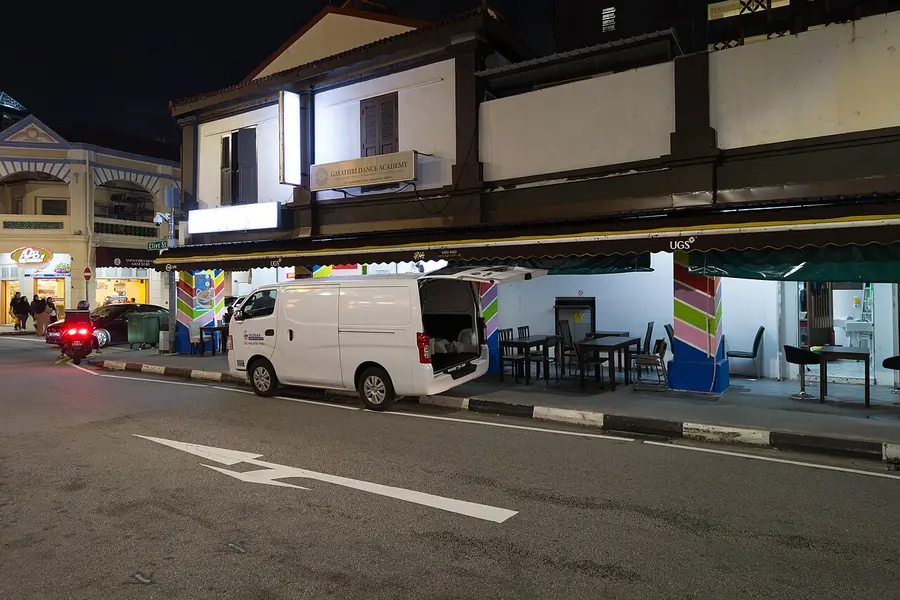
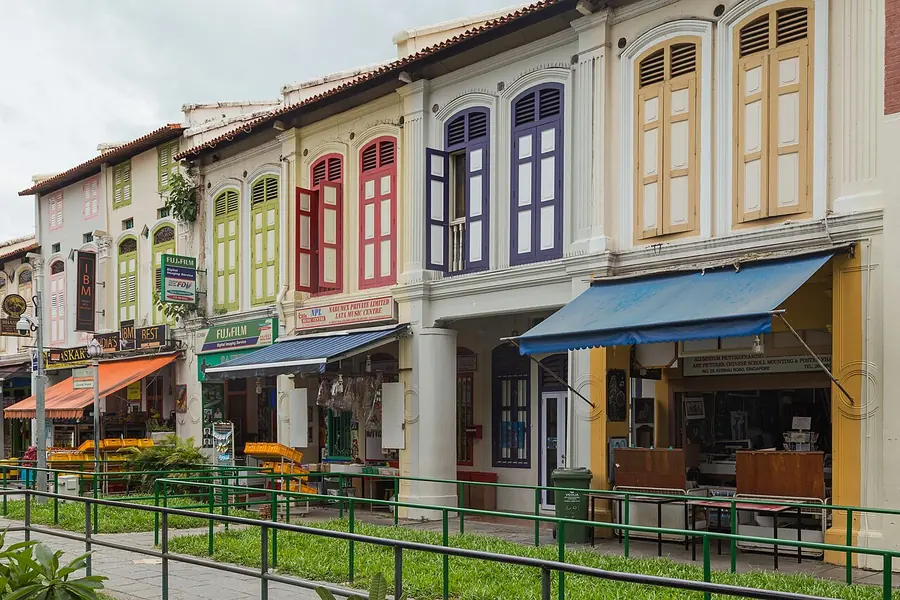
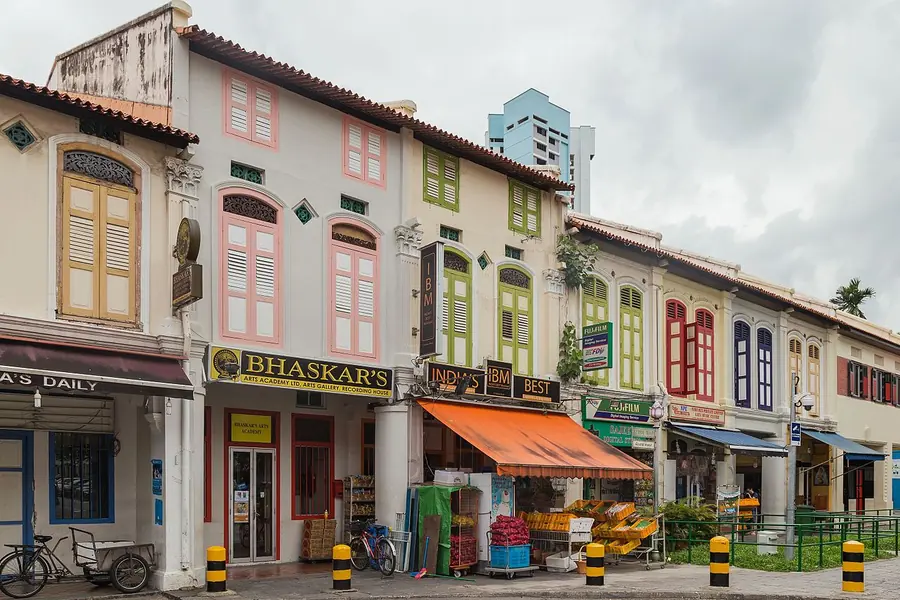
Haji Lane + Arab StreetA single narrow alley with more visual interest per linear metre than anywhere in the city. Arab Street's fabric shops have been selling batik and Persian carpets since the 19th century.
[ SENTOSA ISLAND ]
Where the city meets the water.
Cable Car from Mount FaberPanorama of the Southern Islands, the container port horizon, and Sentosa below. The Sentosa Express is faster and costs S$4. The cable car costs S$35 and is the experience. Choose accordingly.
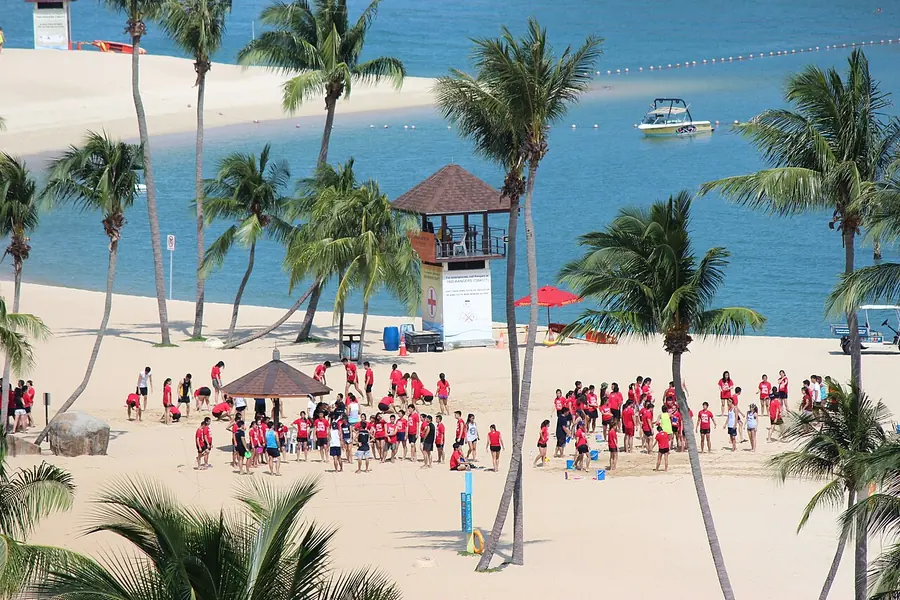
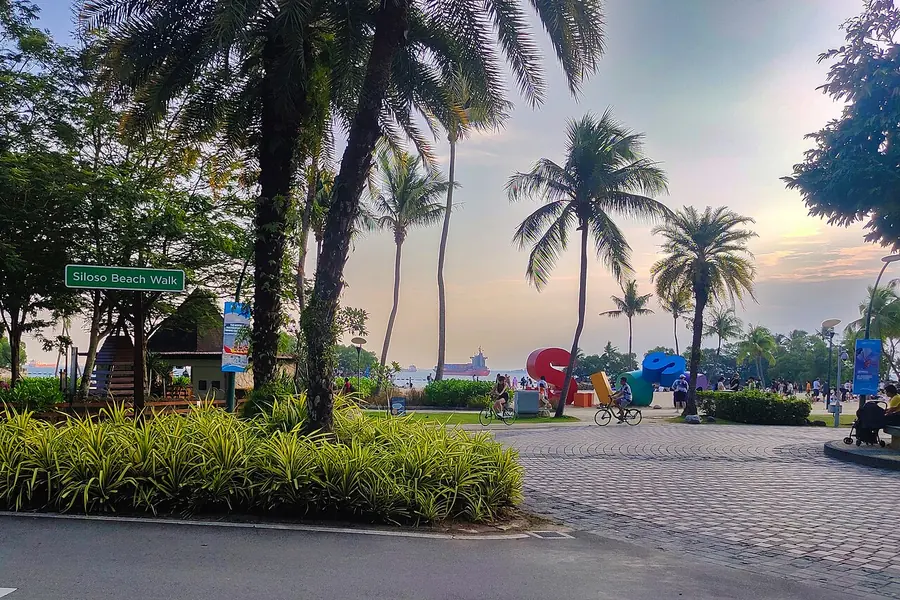
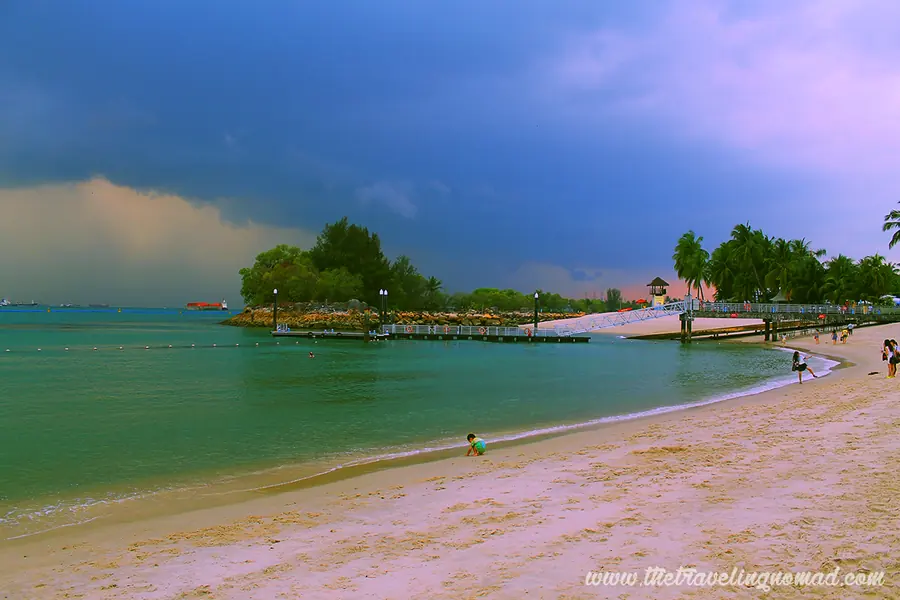
Siloso Beach Before 10 AMYes, the sand is reclaimed from Indonesia — a fact producing complicated diplomatic footnotes. It is also genuinely pleasant before the resort crowd arrives. Rent a kayak for the first hour.
Day 1
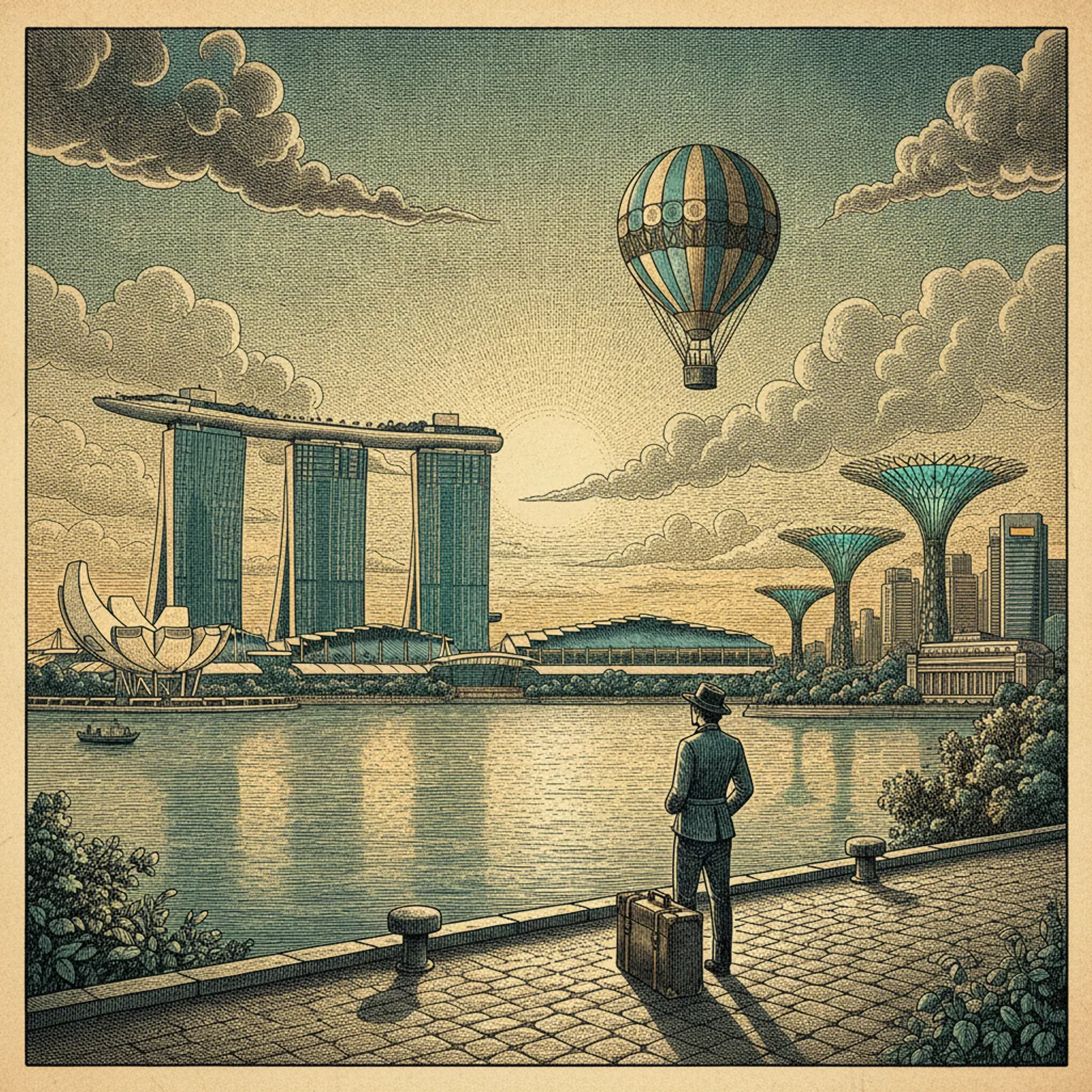
Marina Bay — SkyPark, Gardens by the Bay, ArtScience Museum
The Singapore of the postcards — which actually delivers
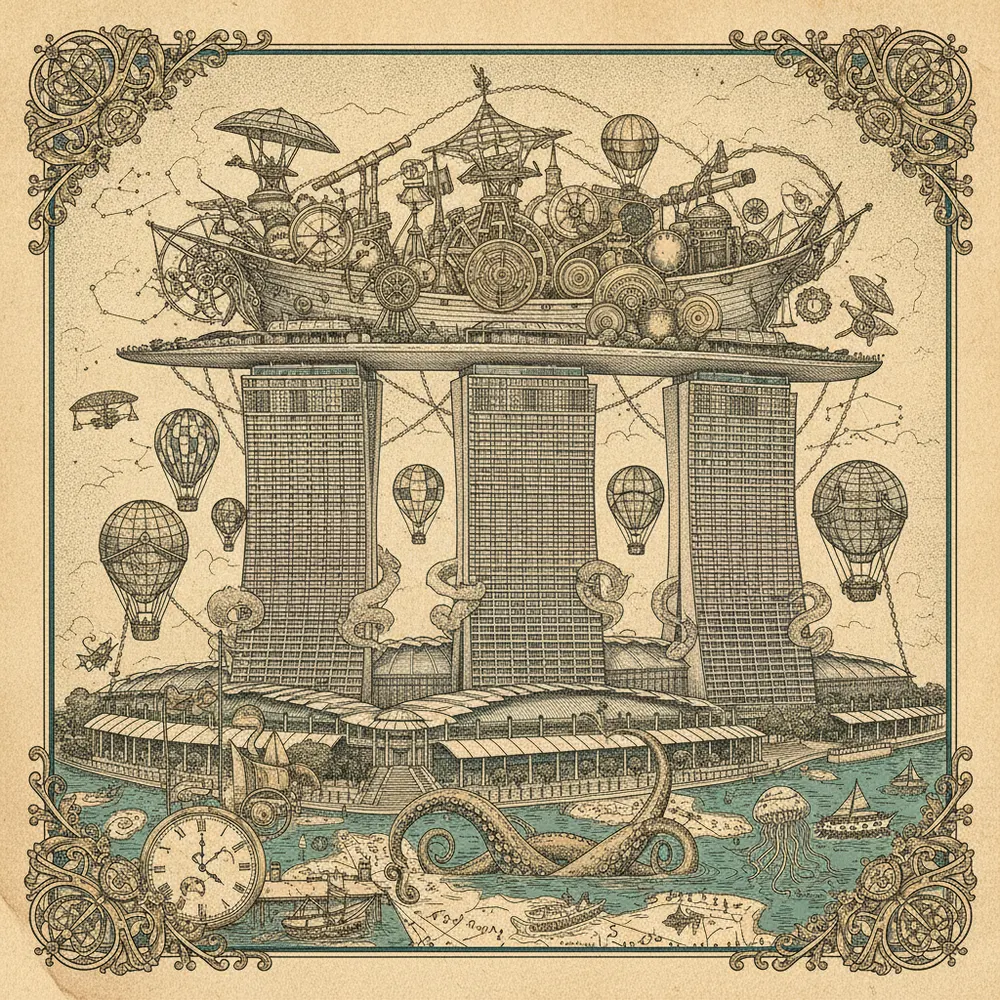
Start at Gardens by the Bay for the Cloud Forest in the morning (cooler inside than outside by 8°C, and the misty waterfall fills a space the height of a fifteen-storey building). Marina Bay Sands SkyPark at sunset. The city from the pool level — you can use the deck without a room if you buy the observation deck ticket.
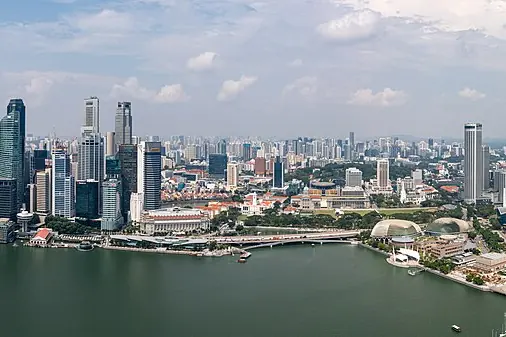
Take the slow route along the Marina Bay promenade from Merlion Park before the heat peaks. The city from the waterfront at 7:30 AM — the skyline, the reflections, the financial district towers — is the view that the postcards attempt and the moment gets right.
Maxwell Food Centre — breakfast
The hawker centre that starts at 6 AM and wins the first meal of the day.
Maxwell Food Centre in Chinatown (five minutes from the financial district) opens early and has the best Hainanese chicken rice in Singapore — Tian Tian Hainanese Chicken Rice, Stall 10, which has a queue from 9 AM but is manageable at 7:30. Also: kaya toast with soft-boiled eggs and kopi (local coffee with sweetened condensed milk) — the Singaporean breakfast that everyone who lives here eats before doing anything else.
Gardens by the Bay — Cloud Forest + Flower Dome
The indoor nature that out-natures the outdoors. Singapore in a nutshell.
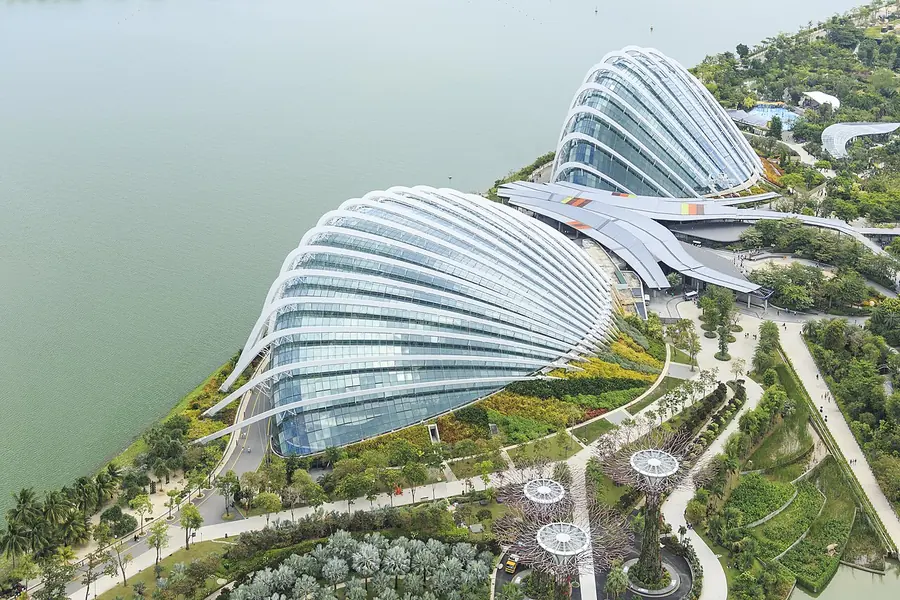
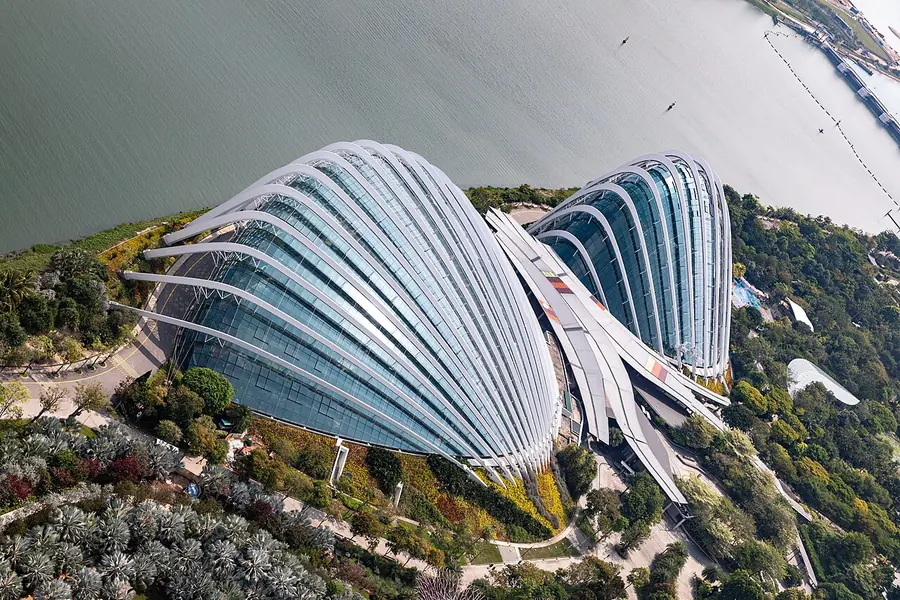
Cloud Forest is the unmissable one: a 35-metre artificial mountain inside a climate-controlled dome, wrapped in the kind of plants that would otherwise require a trek in the Cameron Highlands. The waterfall inside is genuinely spectacular. The Flower Dome is the world's largest glass greenhouse (one Guinness record among several Singapore maintains). Book tickets online. Come early — it's 10°C cooler inside than the 32° outside.
57 floors up, the city-state visible in all directions. Worth the ticket price.
The observation deck of Marina Bay Sands (not the hotel pool — that requires a room) at 57 floors gives you Singapore's defining view: the financial district towers to the north, Gardens by the Bay and the strait below, Indonesia visible on a clear day to the south, and Sentosa Island and the port to the southwest. Book ahead. Go at noon, not sunset — sunset is crowded and less interesting than the city in full daylight.
Lotus-shaped building. Team Lab-adjacent digital art. Better than its Instagram suggests.
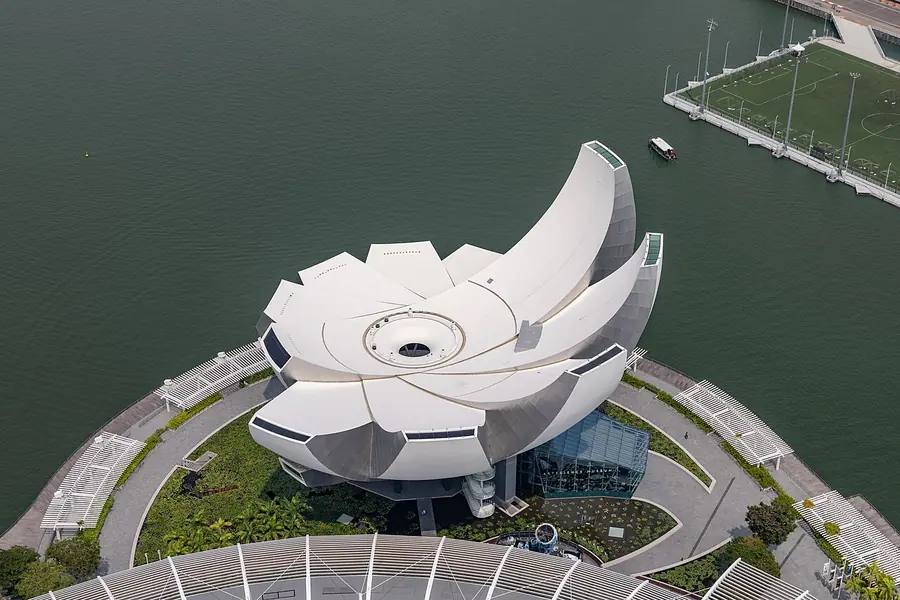
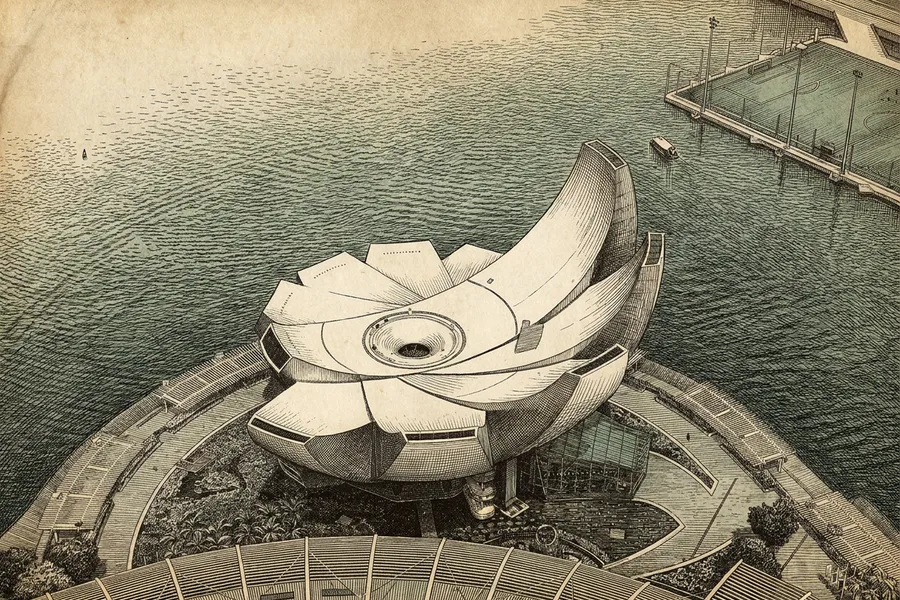
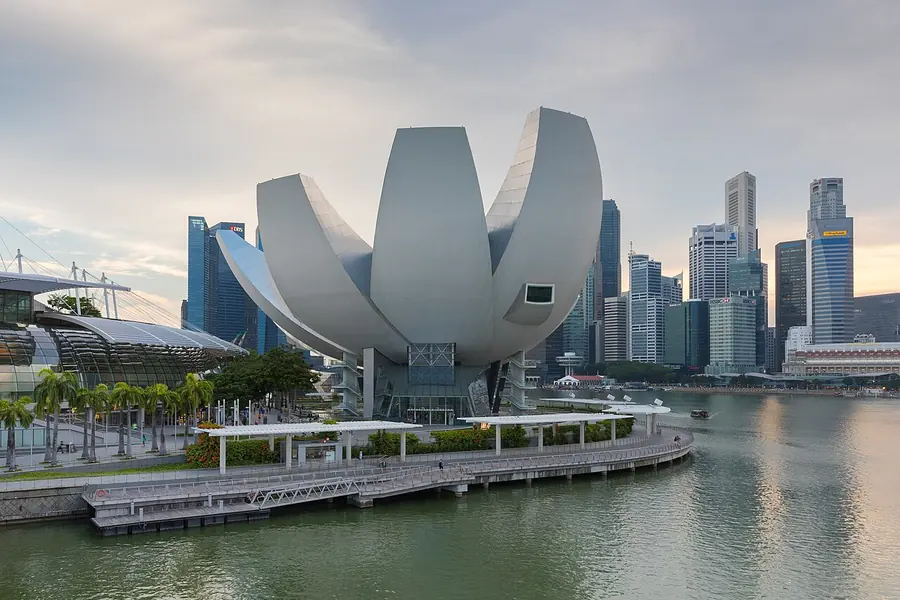
The Moshe Safdie-designed ArtScience Museum looks like a giant white lotus and houses rotating exhibitions that span art, science, technology, and culture (exactly the Venn diagram Singapore considers itself). The permanent Future World exhibition by teamLab is genuinely good for both adults and children. The building lobby is free to enter and the architecture alone is worth five minutes.
The light show at the Supertrees is free and better than you'd expect.
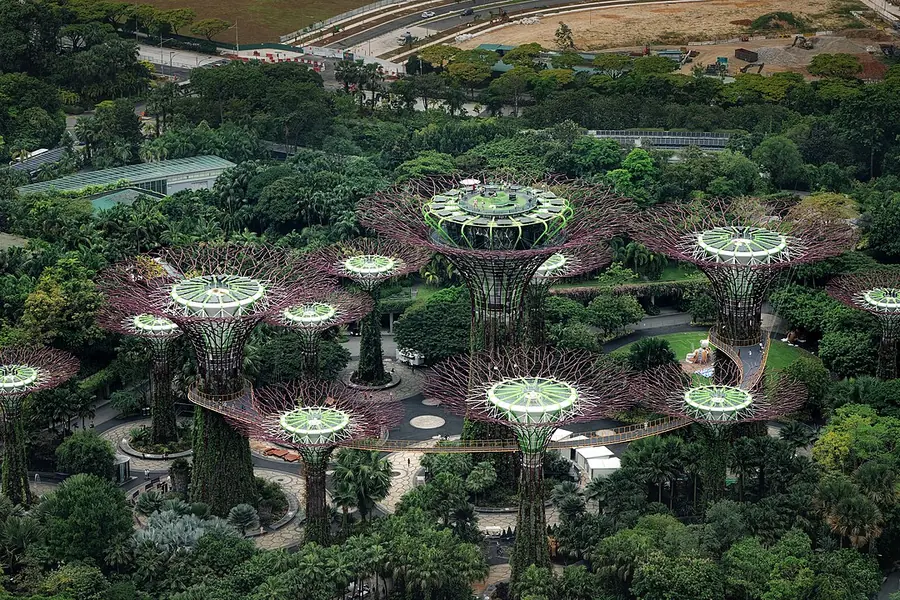
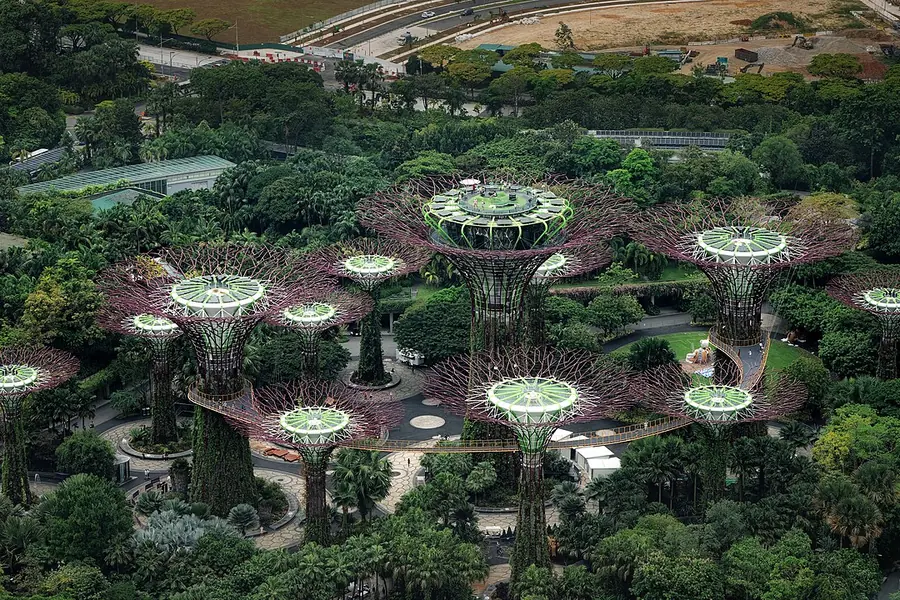
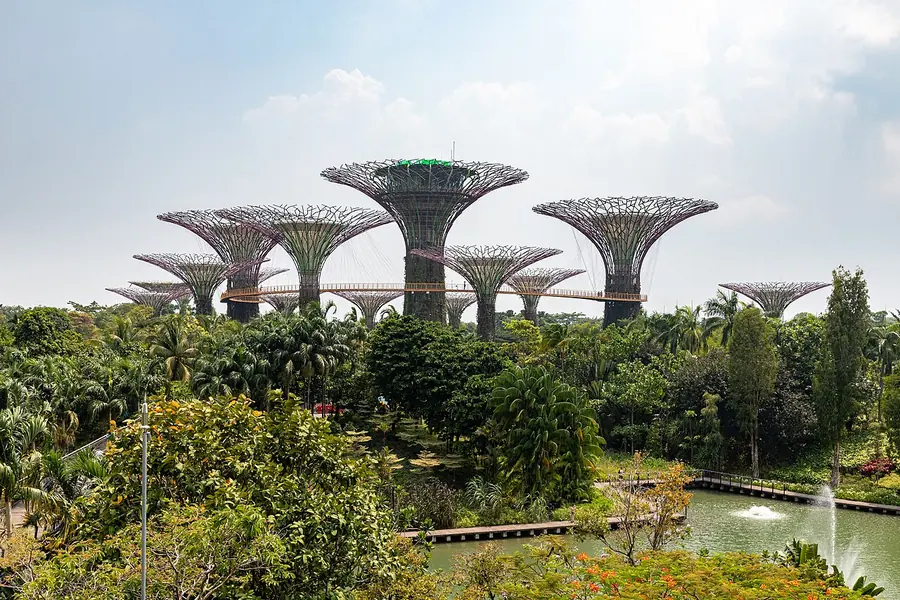
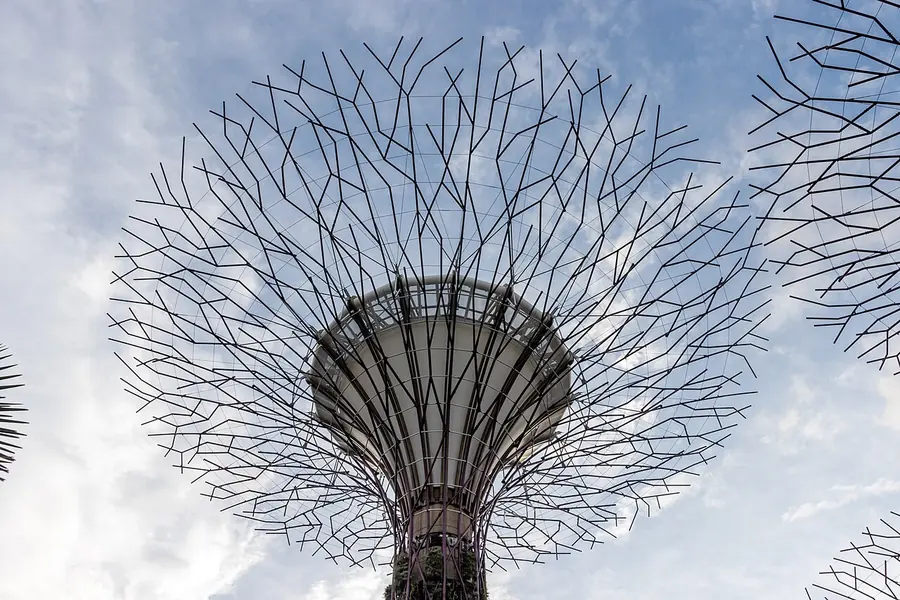
The Supertrees — 25–50-metre vertical gardens at Gardens by the Bay — do a light and music show (Garden Rhapsody) at 7:45 PM and 8:45 PM nightly. It's free to watch from the ground. The elevated walkway between two Supertrees is S$14 for the view across Marina Bay at night. Eat at one of the hawker stalls on the Gardens promenade — the laksa from the stall nearest the Children's Garden is the one locals recommend.
Colonial District + Chinatown + Maxwell Food Centre
Singapore's colonial past and its Chinese cultural present
Last morning. National Museum for the Singapore Story (genuinely good — understand the five-minute version of how a fishing village became the world's most efficient city-state). Chinatown in the afternoon, Maxwell Food Centre for dinner. Done properly.
Full day. Add Fort Canning and the Battle Box museum (the underground operations room where the British surrender of 1942 was coordinated — the most honest piece of colonial history in the city).
National Museum of Singapore
How Singapore went from 150 people on a swampy island to 5.5 million in two centuries.
The National Museum traces Singapore's history from its founding by Stamford Raffles in 1819 (complicated, as 'founding' always is when there are already people living there) through the Japanese occupation, independence in 1965, and the Lee Kuan Yew modernisation project that produced the Singapore you're standing in. The building itself — a Victorian neoclassical structure with a dome — is a heritage landmark. Budget 90 minutes. The Living Galleries covering 1950s–1980s everyday life are the highlight.
The hill where Raffles built his house, and where the British surrender was planned.
Fort Canning Hill has been occupied continuously since the 14th century — Malay kings, British colonial administration, and the WWII military HQ from which the Malaya campaign was conducted. The Battle Box (underground operations bunker) is an honest and sometimes painful account of the 1942 surrender, which Churchill called 'the greatest disaster in British history.' The park itself is pleasant and the garden above the bunker has the best view of the National Museum dome.
Chinatown — Buddha Tooth Relic Temple + Heritage Centre
The gold-covered temple and the museum about the people who built this neighbourhood.
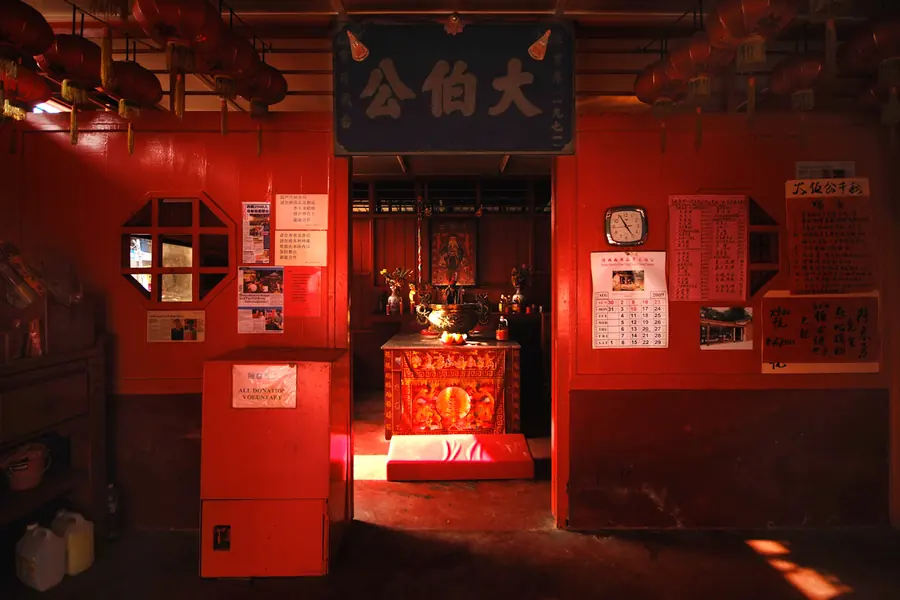
The Buddha Tooth Relic Temple on South Bridge Road (completed 2007, designed to look like Tang dynasty architecture) houses what is claimed to be the left canine tooth of the Buddha — a relic that draws pilgrims from across Asia. The interior is magnificently gilded. The Chinatown Heritage Centre in the shophouses of Pagoda Street reconstructs the original living conditions of 1900s immigrants — families of twelve in spaces the size of a car park.
The hawker centre that resolves the debate about where to eat in Singapore.
Return to Maxwell (different stalls from breakfast). Order the chilli crab from the seafood stall if available (S$50+ but worth the occasion), or the more affordable option: char kway teow (stir-fried flat noodles with Chinese sausage and eggs, S$4.50) from one of the older stalls. Also: oyster omelette, BBQ stingray if they have it, and a sugarcane juice. Singapore food at the prices Singapore uses to feed itself.
Day 3
Little India + Kampong Glam + Arab Street
The city's other two founding communities
Singapore's official CMIO policy (Chinese, Malay, Indian, Other) is visible in its urban layout — the colonial town planning that assigned each community a district created the neighbourhood character that still defines them 200 years later. Morning in Little India, afternoon in Kampong Glam, evening on Haji Lane.
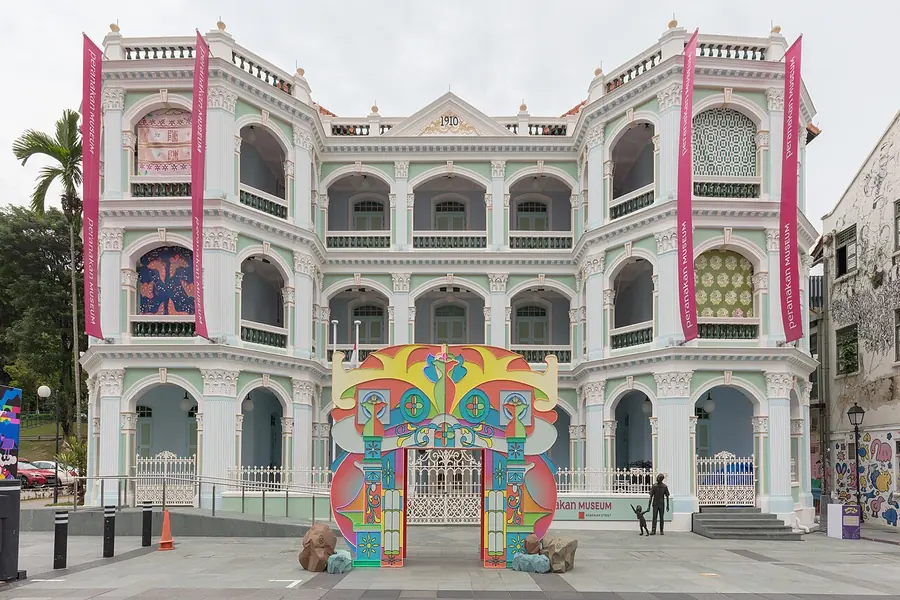
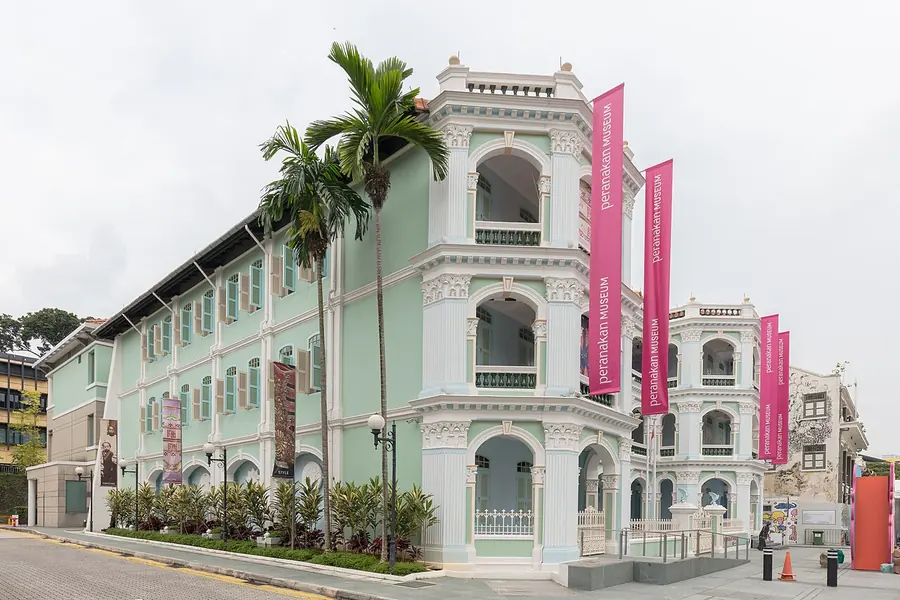
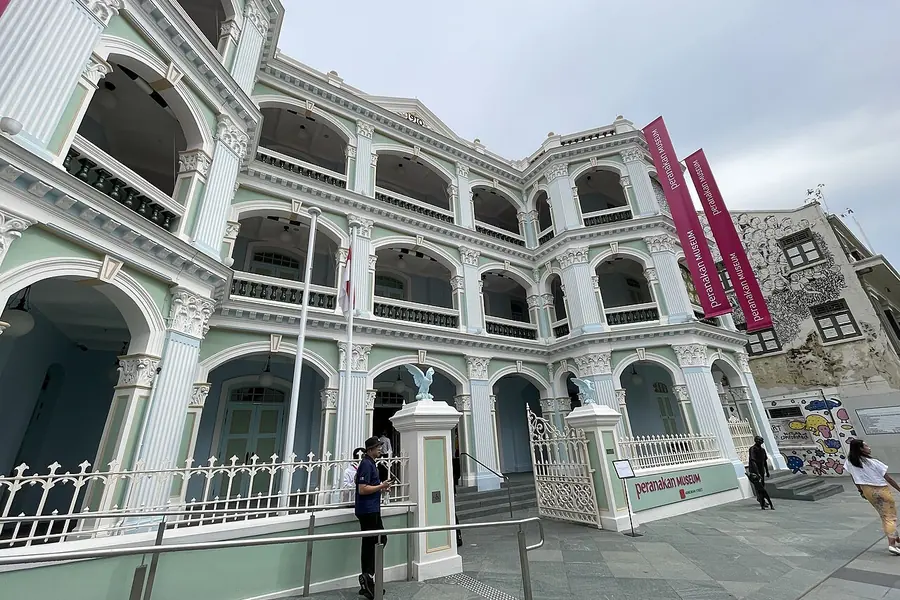
Same structure. Add the Peranakan Museum in the morning (the Straits Chinese community whose culture blends Chinese and Malay in a way that's unlike anything else in Asia and produces the best tile work in the city).
Tekka Centre hawker breakfast
The Indian-Muslim hawker centre that produces the best roti prata in the city.
Tekka Centre in Little India is a wet market, dry goods market, and hawker centre combined. The roti prata (Indian flatbread with curry dipping sauce — flaky, buttery, the kind of thing that ruins all other breakfast for a month) is available from 6 AM at several stalls, the best being the ones without laminated photos of the food. Also: teh tarik (pulled tea) and murtabak (stuffed paratha, a meal in itself).
Little India — Serangoon Road walk
The sensory overload neighbourhood that hasn't gentrified because it doesn't need to.
Little India smells like jasmine garlands, incense, and dhal at 9 AM. The Sri Veeramakaliamman Temple on Serangoon Road (1881, dedicated to the goddess Kali, extraordinary gopuram tower) is free to enter with modest dress. The surrounding streets have gold jewellery shops, sari emporiums, ayurvedic medicine stalls, and the Mustafa Centre — a 24-hour department store that appears to sell everything that exists.
The 1928 mosque with the gold dome, surrounded by the best street art in Singapore.
The Sultan Mosque on North Bridge Road is Singapore's most important Islamic site — the gold dome is visible from several neighbourhoods. Entry is free outside prayer times (cover shoulders and knees; wraps available at entrance). The Kampong Glam district surrounding it has been half-gentrified in the interesting way — the original Malay businesses remain alongside hipster coffee shops that haven't displaced them.
Singapore's 20-metre-wide answer to every creative quarter in every city.
Haji Lane is a single narrow alley of independent shops that has more visual interest per linear metre than anywhere else in the city: vintage clothing, independent jewellers, the street art is actually good, and the café with the plant-covered facade is exactly the kind of thing that photographs better than it tastes (usually). Arab Street proper has fabric shops that have been selling batik and Persian carpets since the 19th century.
Lau Pa Sat — satay street + hawker dinner
The Victorian cast-iron market hall that becomes Singapore's best satay strip at 7 PM.
Lau Pa Sat (Telok Ayer Market, 1894) is a heritage Victorian cast-iron market hall in the financial district that operates as a hawker centre. At 7 PM, Boon Tat Street outside closes to traffic and becomes 'Satay Street' — a line of charcoal satay grills with chicken, beef, mutton, and prawn skewers at S$0.80 each. Order thirty, get peanut sauce and cucumber, order Tiger beer.
Day 4
Sentosa Island — Beaches and the Silence Between Resorts
Singapore's island escape that's better early in the morning
Take the cable car from Mount Faber or the Sentosa Express monorail. Siloso Beach before 10 AM is genuinely pleasant and largely empty. After noon it fills with resort guests. The trick is to be back on the main island by early afternoon — Sentosa at peak hours is not Sentosa as it's meant to be experienced.
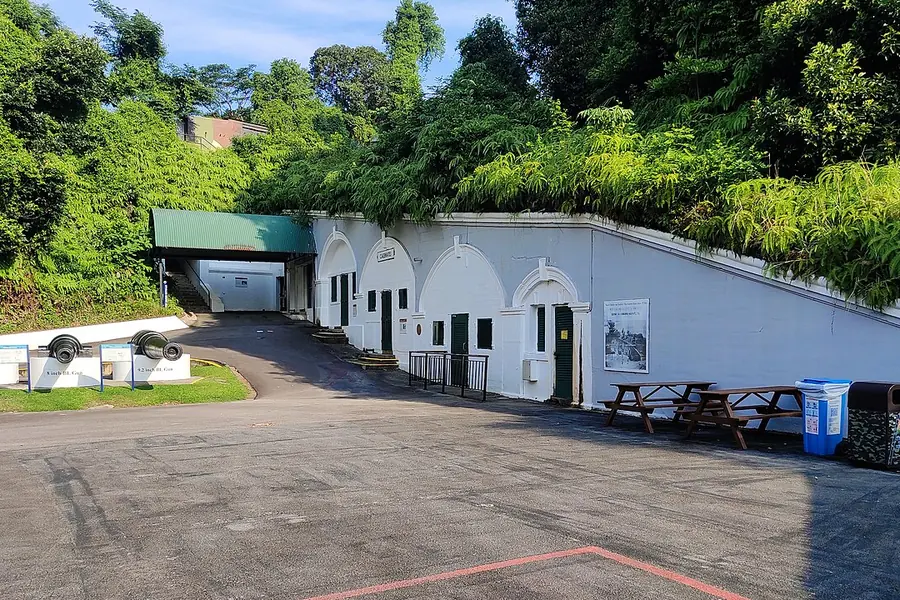
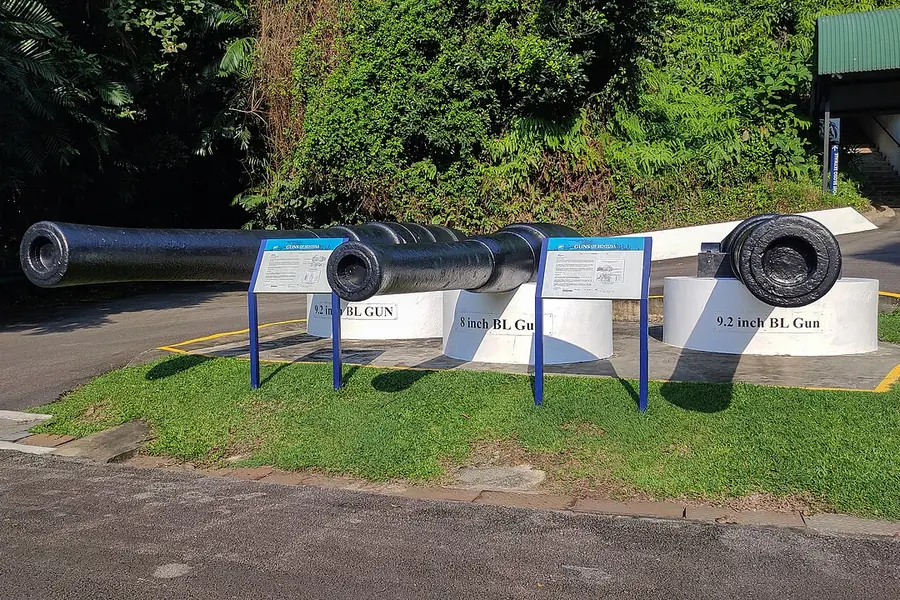
Same morning structure, but add the Fort Siloso museum (the actual guns that pointed the wrong way in 1942 — toward the sea, when the Japanese came through the jungle from the north) and the southern tip viewpoint to Malaysia.
Cable car to Sentosa from Mount Faber
The crossing that makes the island arrival feel like an arrival.
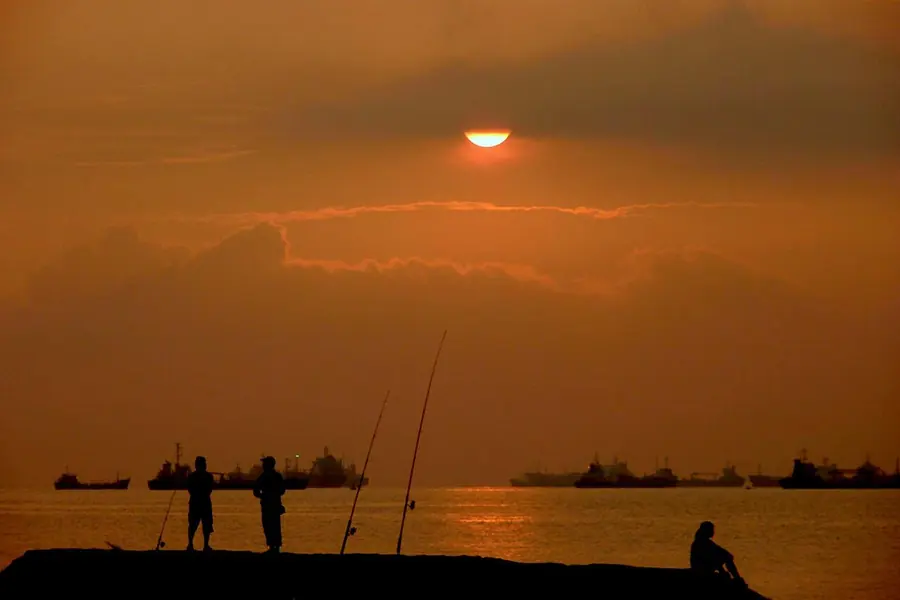
The cable car from Mount Faber Peak gives a panorama of the Southern Islands, the container port (one of the world's busiest, the line of ships on the horizon constant), and Sentosa below. The alternative — the Sentosa Express from VivoCity — costs S$4 and is faster. The cable car costs S$35 and is the experience. Choose accordingly.
Sentosa before the crowd. The beach that Singapore built for itself.
Siloso Beach is artificial (all of Sentosa's beaches are reclaimed sand from Indonesia and Malaysia, a fact that produces complicated diplomatic footnotes). It is also genuinely pleasant at 9:30 AM — soft sand, clear water, the sound of the strait rather than the resort. Rent a kayak from one of the beach operators for an hour on the water before the volume increases.
The guns that pointed the wrong way. Singapore's most honest historical site.
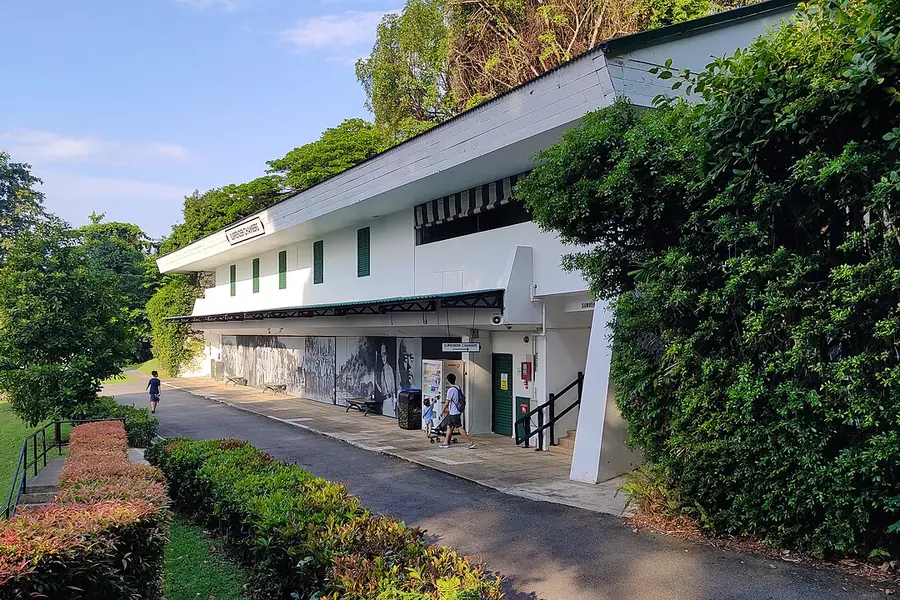
Fort Siloso is the best-preserved coastal fortification in Singapore, with the original guns that were positioned to repel a naval attack from the south. The Japanese came from the north, through Malaya. The fort was taken in eight hours. The museum presents this with commendable honesty about the colonial miscalculation. The underground tunnels and the guns themselves are authentic — not reproductions.
Palawan Beach + southernmost point of continental Asia
The footbridge to the southernmost tip. A minor geographic milestone.
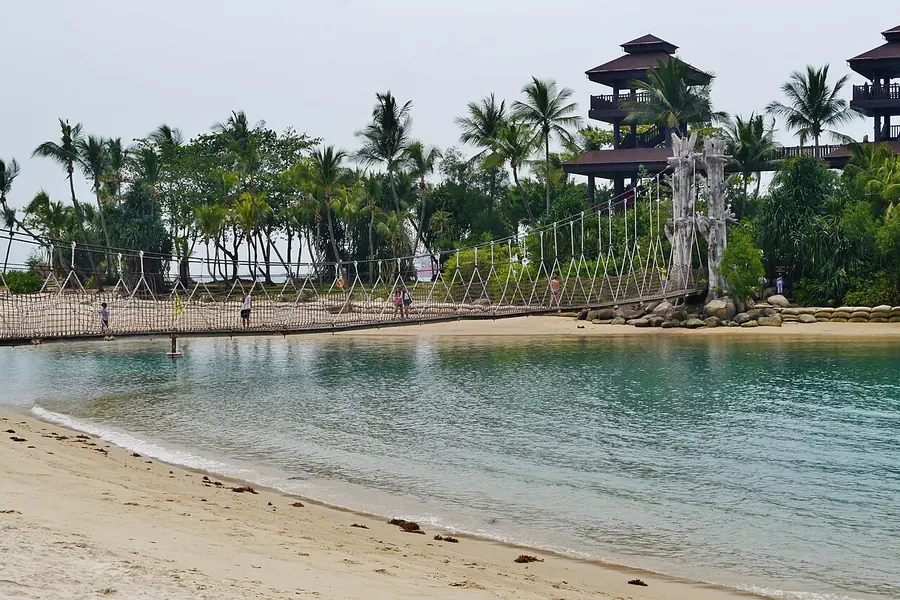
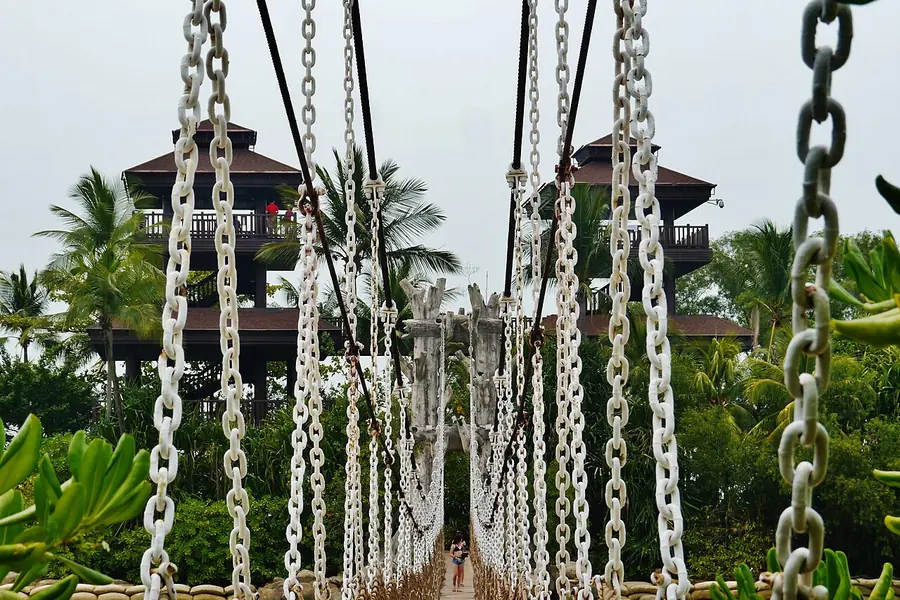
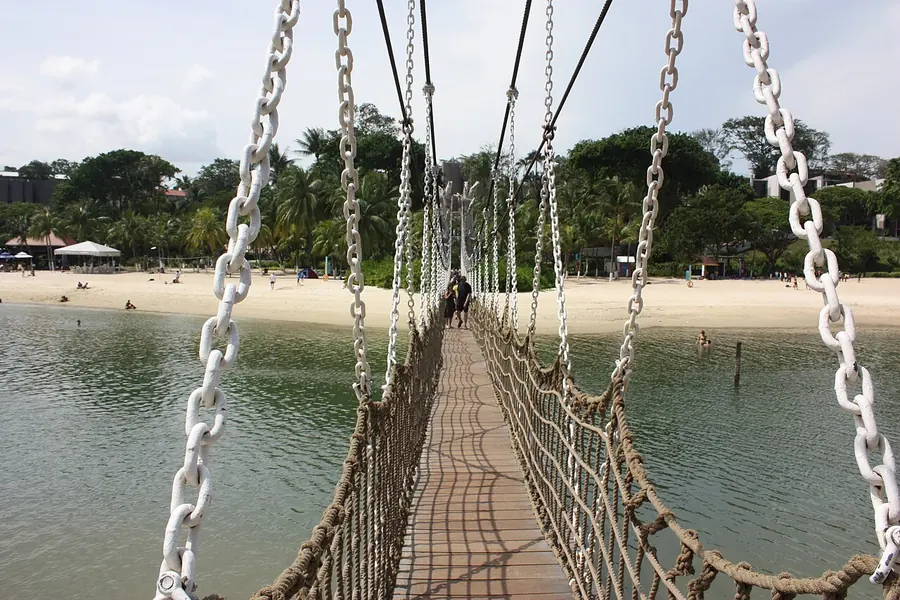
A suspension footbridge from Palawan Beach leads to a small island that is the southernmost point of continental Asia — Indonesia is 20km south, Sumatra visible on clear days. The claim is technically correct (the main Sentosa beach is slightly further north). Worth the 200-metre walk for the right to say you've stood there.
Singapore's waterfront mall, which has a rooftop pool and an impossible view.
VivoCity is one of Singapore's most ambitious malls architecturally — the rooftop is a public space with views of Sentosa and the strait. The Harbourfront MRT from here connects to anywhere in the city in under 30 minutes. Dinner options: Tiong Bahru market (20 minutes by MRT, the best old-school hawker centre in the city) or Dempsey Hill (45 minutes by taxi, the upscale restaurant district in a former colonial barracks).
Day 5
Botanic Gardens + National Orchid Garden + Dempsey Hill
Green Singapore — the botanical legacy and the colonial barracks
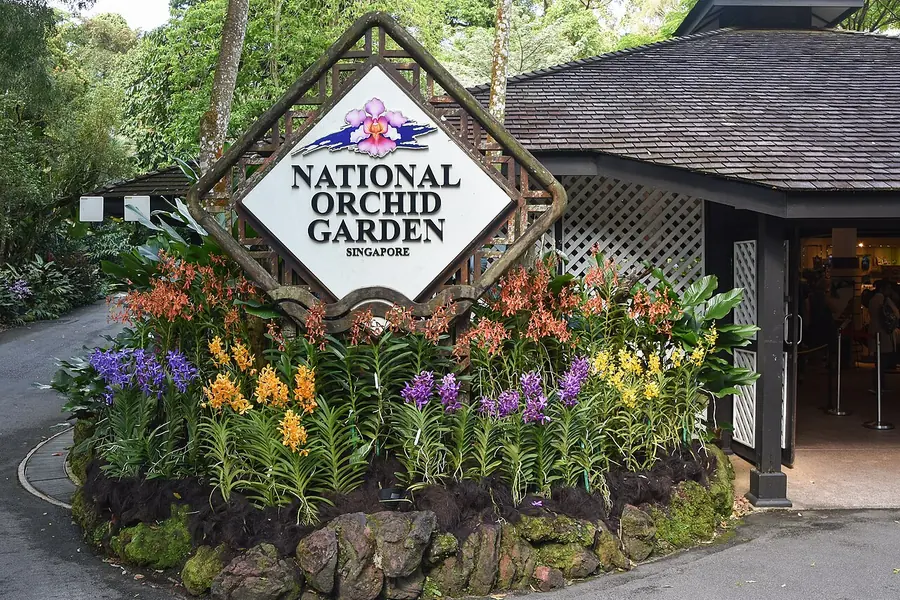
The Singapore Botanic Gardens is a UNESCO World Heritage Site and the best green space in the city — free, spectacularly maintained, and the National Orchid Garden inside it (S$5) has 1,000 orchid species in a collection that is the finest in the world. Morning in the gardens, afternoon at Dempsey Hill's restaurant cluster.
Singapore Botanic Gardens
A 160-year-old garden that happens to contain the world's most important orchid collection.
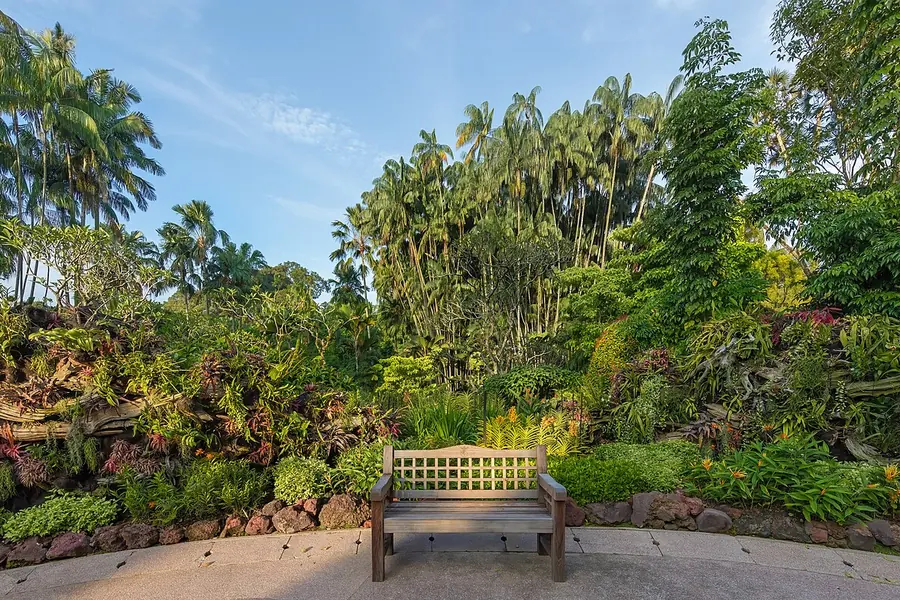
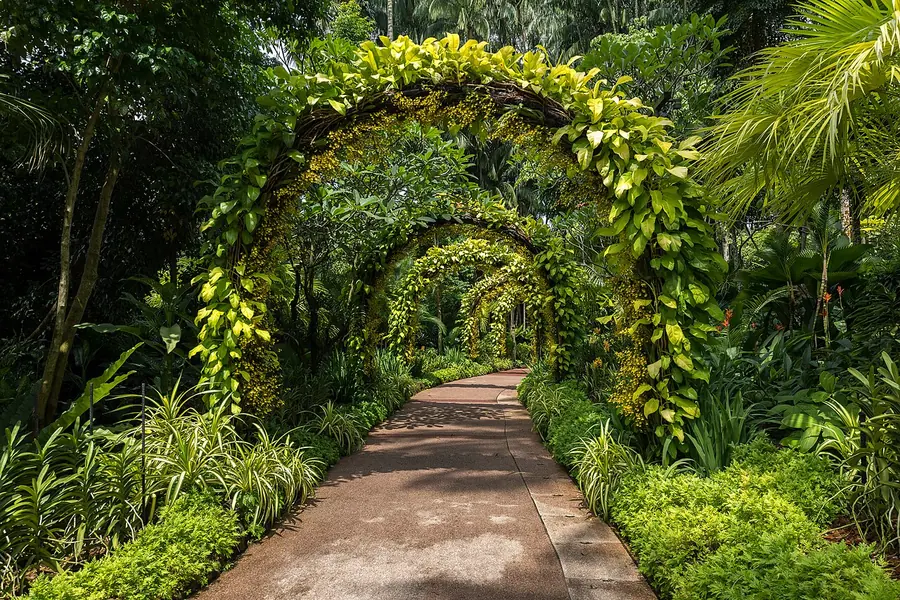
Enter from Tanglin Gate and walk south through the Ginger Garden to the Symphony Lake. The Swan Lake section in the morning has resident swans and zero tourists before 9 AM. The Heritage Trees — massive rain trees over 100 years old — line Cluny Road. The entire site is free; only the National Orchid Garden charges entry.
1,000 species. 2,000 hybrids. The orchid named after every visiting dignitary since 1956.
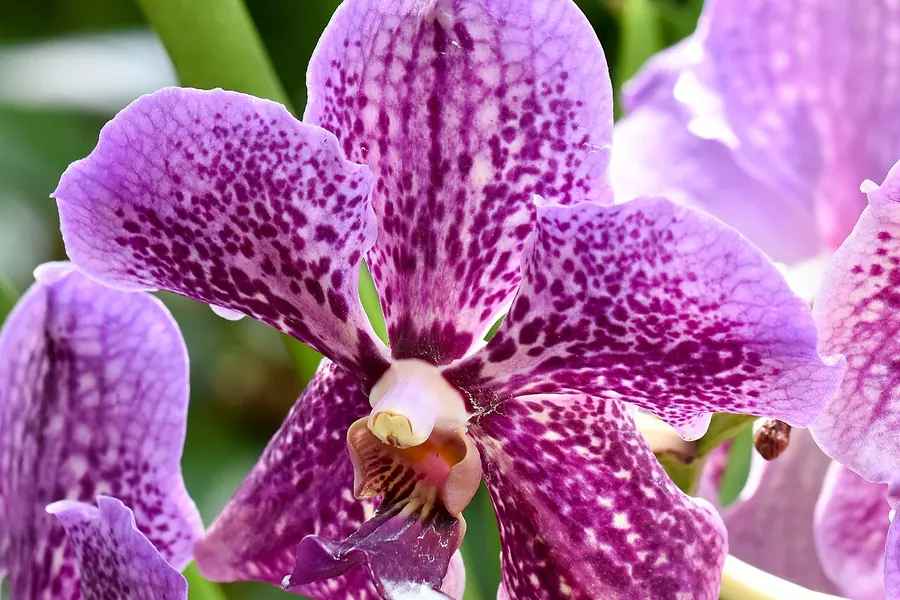
The National Orchid Garden has been hybridising orchids since 1956 and naming new varieties after visiting heads of state — Princess Diana, Nelson Mandela, and over 50 others have their own cultivar here (the display cases are the best part). The cloud forest section and the tropical garden have orchids growing as epiphytes on trees the way they exist in nature. One hour, unhurried.
A colonial barracks turned restaurant compound. The best kept lunch secret in Singapore.
Dempsey Hill is a cluster of 19th-century British Army barracks repurposed into restaurants, galleries, and shops, set in jungle- adjacent greenery 10 minutes from Orchard Road. The restaurants here — PS.Cafe (brunch landmark), Candlenut (Peranakan fine dining), Tango (Argentine steakhouse in an unlikely setting) — are where Singapore's expat community and well-off locals have lunch on the weekend. Quieter on weekdays. Excellent for a long lunch.
The shopping street that built Singapore's reputation in the 1980s.
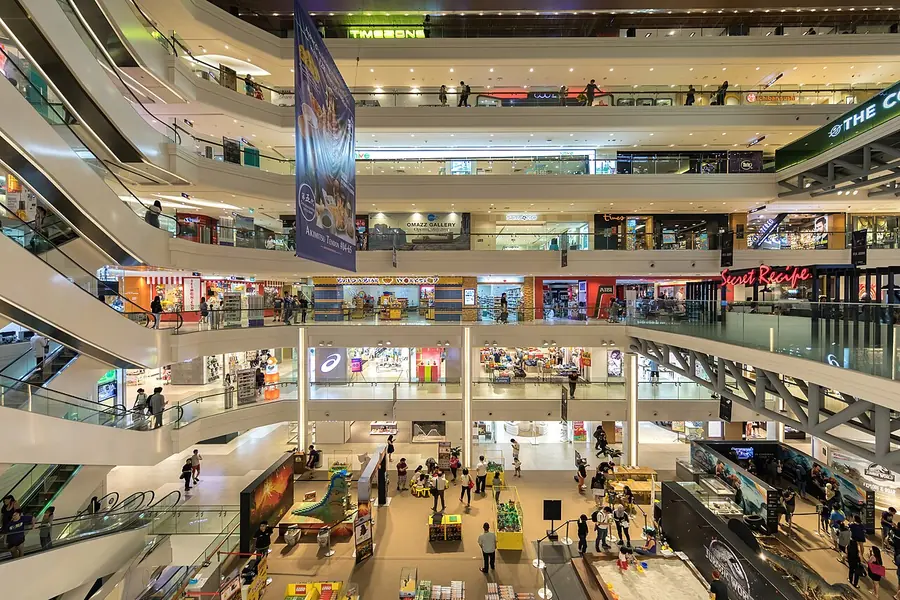
Orchard Road is 2.2 kilometres of malls — ION Orchard, Ngee Ann City, Paragon, Mandarin Gallery. If you're not shopping, the interest is architectural: the street demonstrates how Singapore designed retail as a climate-controlled escape from the heat before the concept was mainstream. The basement food courts in ION are worth exploring for hawker stall-style food in air conditioning.
The Singapore that runs on durian and frog porridge after midnight
Geylang is Singapore's most misrepresented neighbourhood. Yes, it has a red-light district (concentrated in specific lorongs, clearly marked). It also has the best durian, the best frog porridge, the best claypot rice, and some of the most authentic hawker culture in the city. The two coexist without drama. Spend the morning at East Coast Park, afternoon resting, evening in Geylang.
East Coast Park — cycling
The seafront park where Singapore exercises, eats, and ignores Monday.
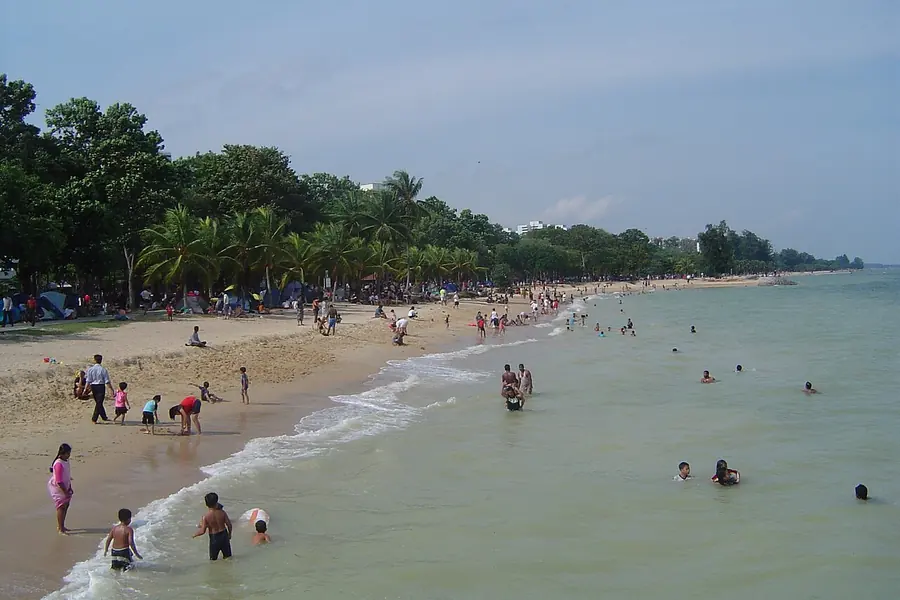
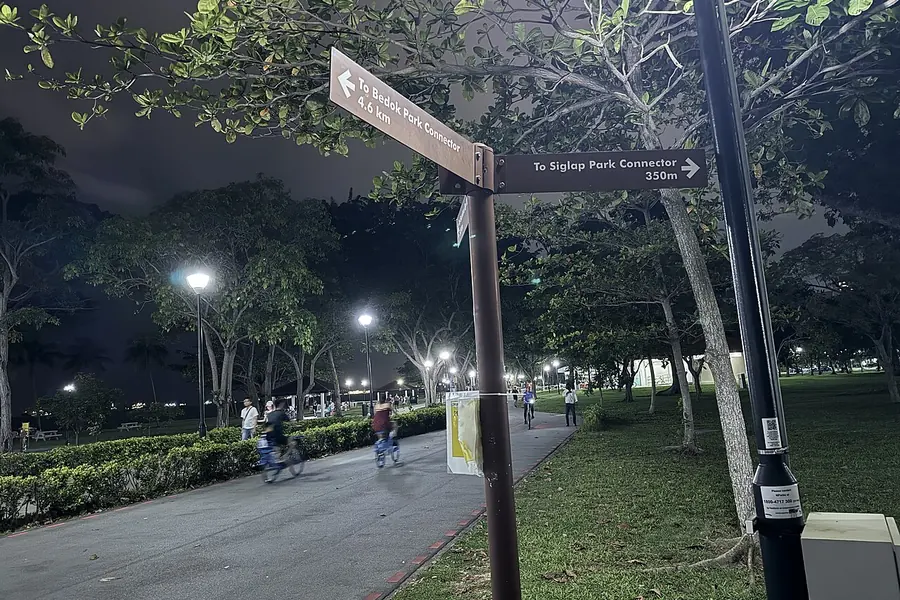
East Coast Park is a 15-kilometre cycling and walking path along the Strait of Singapore, with freighters on the horizon and the constant salt breeze. Rent a bicycle (S$8/hour) from any of the rental kiosks at the main car parks. The hawker centre at East Coast Park (near the water sports centre) does the best barbecue seafood in Singapore — the sambal stingray is the order.
The Straits-born Chinese culture that produced Singapore's most distinctive aesthetic.
The Peranakan (Straits Chinese) community emerged from intermarriage between early Chinese immigrants and local Malay women — the culture that resulted blended Chinese and Malay in food, dress, and domestic objects into something entirely its own. The museum in a colonial shophouse has the definitive collection: wedding costumes, beaded shoes, the extraordinary tile work that lines Peranakan shophouse interiors. Two hours, genuinely fascinating.
Singapore's most honest neighbourhood at its most honest hour.
Lorong 9 Geylang: the durian stalls open at 6 PM and run until the fruit is gone (sometimes 2 AM). A D24 or Mao Shan Wang (Musang King) durian, eaten at a plastic table with your hands, has nothing in common with the durian you've smelled on the MRT and feared. For frog porridge: Sin Huat Eating House on Lorong 35 has the original version (ginger-heavy, served in clay pot) that this dish was built on. Open until midnight.
Claypot rice at Geylang
Rice cooked in charcoal-fired clay pots. The 40-minute wait makes it better.
Several stalls in Geylang still do charcoal-fired claypot rice — a dying art form that Singapore food culture is watching with concern. The wait is 30–40 minutes per pot (the charcoal cannot be rushed) and the result is rice with a crust at the bottom that the entire table fights over. Chinese sausage and lap cheong standard; add salted fish if offered.
Day 7
Pulau Ubin Ferry + Southern Ridges Walk + Final Hawker
Old Singapore and the jungle path that connects the hills
Last day. Take the morning ferry to Pulau Ubin — a granite island off Singapore's northeast coast that has been left essentially unchanged since 1960, with kampong (village) houses, wild boar, monitor lizards, and bicycle paths through secondary jungle. Return for the Southern Ridges walk in the late afternoon. Final hawker meal at your favourite stall.
Pulau Ubin island day
The island that Singapore decided not to develop. Wild boar, granite quarries, kampong houses.
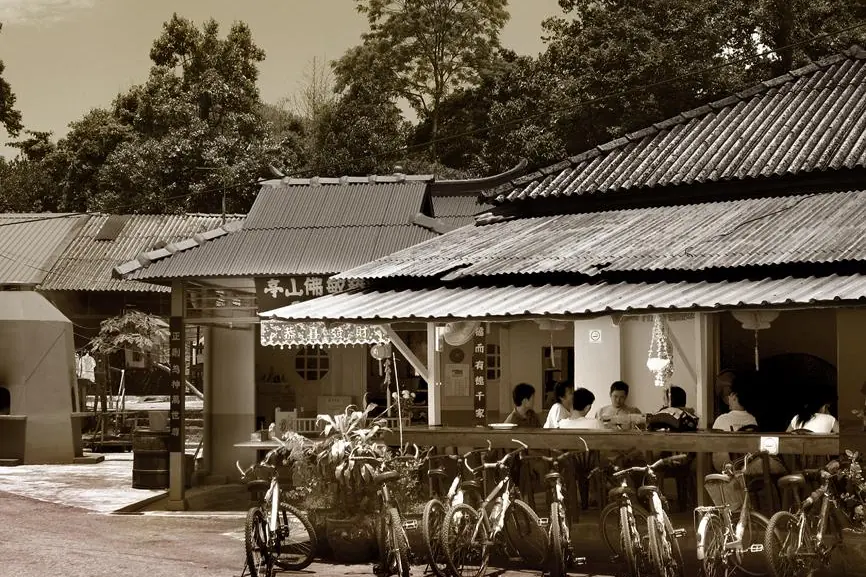
From Changi Point Ferry Terminal (45 minutes by MRT from anywhere), bumboats (S$4 each way) depart when full — typically 12 passengers, every 20–30 minutes. Pulau Ubin has no air conditioning, one food stall (Celestial Resort, operating since 1989), and bicycle rental for S$5–12/day. Chek Jawa Wetlands on the east coast has a mangrove boardwalk with sea eagles overhead and mudskippers in the shallows. This is what Singapore looked like in 1960 and it is extraordinary.
The elevated walkway that connects three hills through secondary jungle. Sunset at the top.
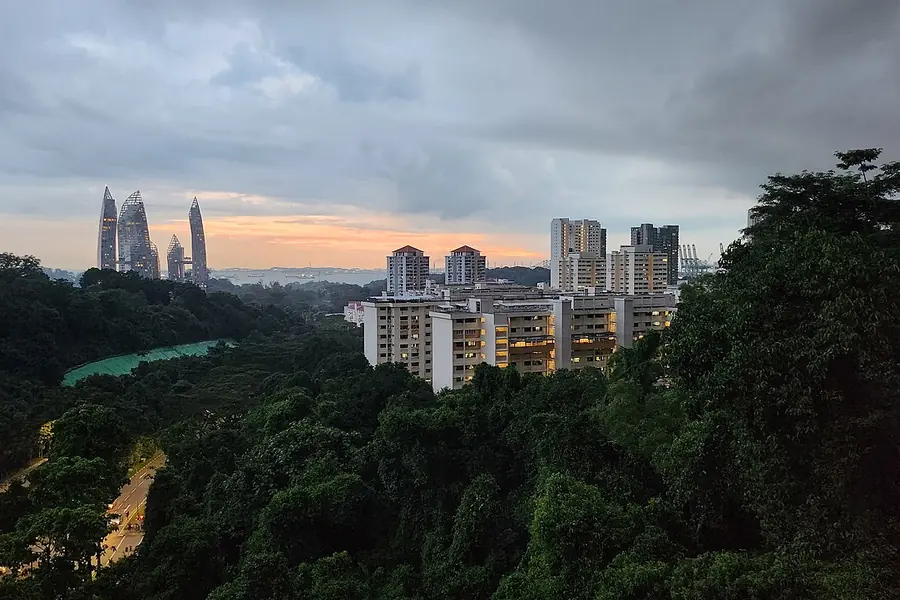
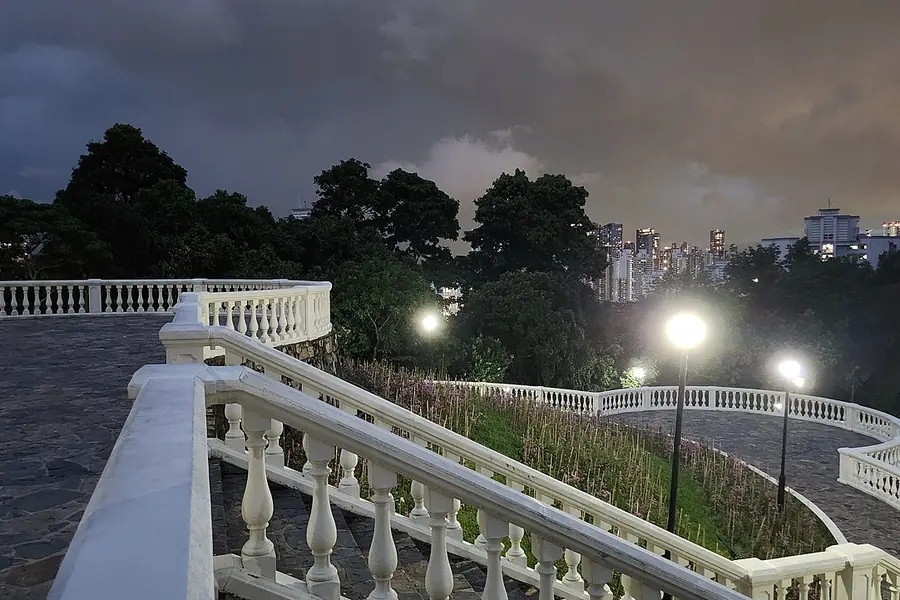
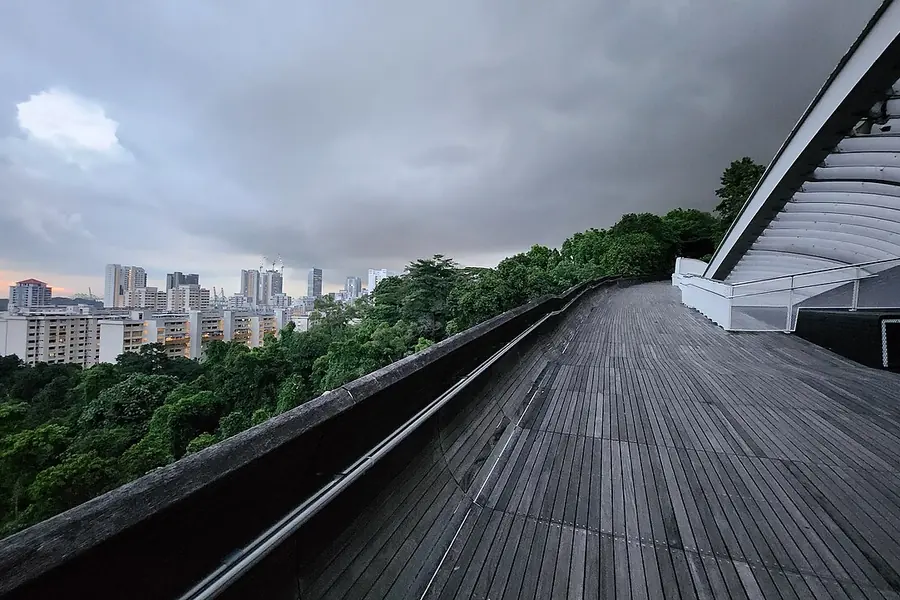
The Southern Ridges is a 10-kilometre walking trail connecting Mount Faber, Telok Blangah Hill, Labrador Nature Reserve, and Hort Park. The Henderson Waves bridge (36 metres above the ground, undulating timber construction) is the landmark. Do the walk from Hort Park (MRT Labrador Park) toward Mount Faber at 4 PM — you arrive at the summit as the sun sets over the strait and the cable car lights come on above you.
Return to the stall you liked best. That's the correct answer.
Singapore's hawker culture is UNESCO Intangible Cultural Heritage (2020). The choice of which centre for your last meal is yours — Maxwell, Lau Pa Sat, Tiong Bahru, Newton (tourist prices but the char kway teow at stall 28 is genuinely excellent). Go back to the place you liked best on the previous six days. Order the same thing. Take a photo you won't post. Leave Singapore full.
Singapore is the city-state that made itself up in a generation. In 1965, it was expelled from Malaysia with 2 million people, no natural resources, and no obvious future. By 1990, it had the world’s best airport, the world’s busiest port, and a GDP per capita higher than the colonial power that had governed it for 140 years. That story — pragmatic, deliberate, occasionally brutal in its execution — is visible everywhere if you look for it.
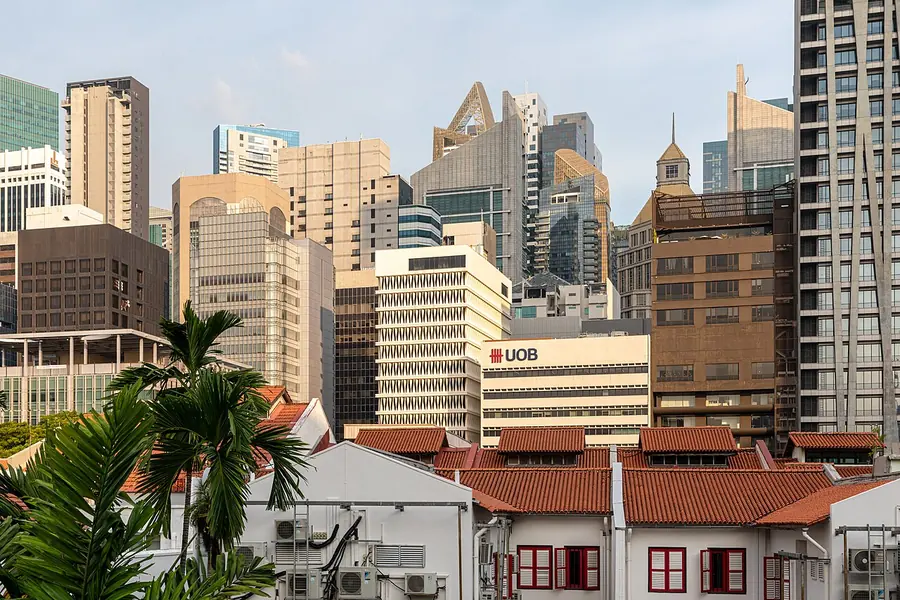
The thing most visitors miss is that Singapore is simultaneously ultra-modern and intensely traditional. The colonial district sits next to the financial towers. The heritage neighbourhoods — Chinatown, Little India, Kampong Glam — function as daily life for the communities that built them, not museum re-enactments. The hawker centres are UNESCO-listed culture, not tourist food. This itinerary tries to show you both versions and let you decide which one the city actually is. (Both, is the answer.)
The heat is constant (30–32°C year-round, 85% humidity). Plan outdoor sightseeing for mornings. Use the MRT, which is the most functional urban rail system in Asia. Eat at hawker centres every day. Leave heavier than you arrived.
Where to Stay in Singapore
Neighbourhood
Vibe
Best For
MRT Access
Marina Bay / Downtown
Luxury hotels, central, Marina Bay views
Splurge stays, business travellers
Downtown/Bayfront
Bugis / Kampong Glam
Mid-range, near heritage neighbourhoods
Culture-focused trips, shophouses
Bugis
Chinatown / Tanjong Pagar
Boutique hotels, excellent food, nightlife
Repeat visitors, nightlife
Chinatown/Tanjong Pagar
Little India
Budget-friendly, character, Tekka Centre walk
Budget travellers, first-timers
Little India
Orchard Road
International chains, shopping proximity
Shopping-focused, familiar hotel formats
Orchard
This article contains affiliate links marked with rel="sponsored". We may earn a commission at no extra cost to you.