
[ ITINERARY · THE DISPATCH ]
The Chronic Illness Traveler's 4 Days in Vienna: Pacing, Rest Spots, and All
Vienna is one of the most chronic-illness-friendly cities I've ever visited — cafe culture, flat tram lines, and a genuinely unhurried pace. Here's how I did 4 days without crashing.
Short on time? The Vienna itinerary with an interactive map turns all of this into a route you can actually walk.
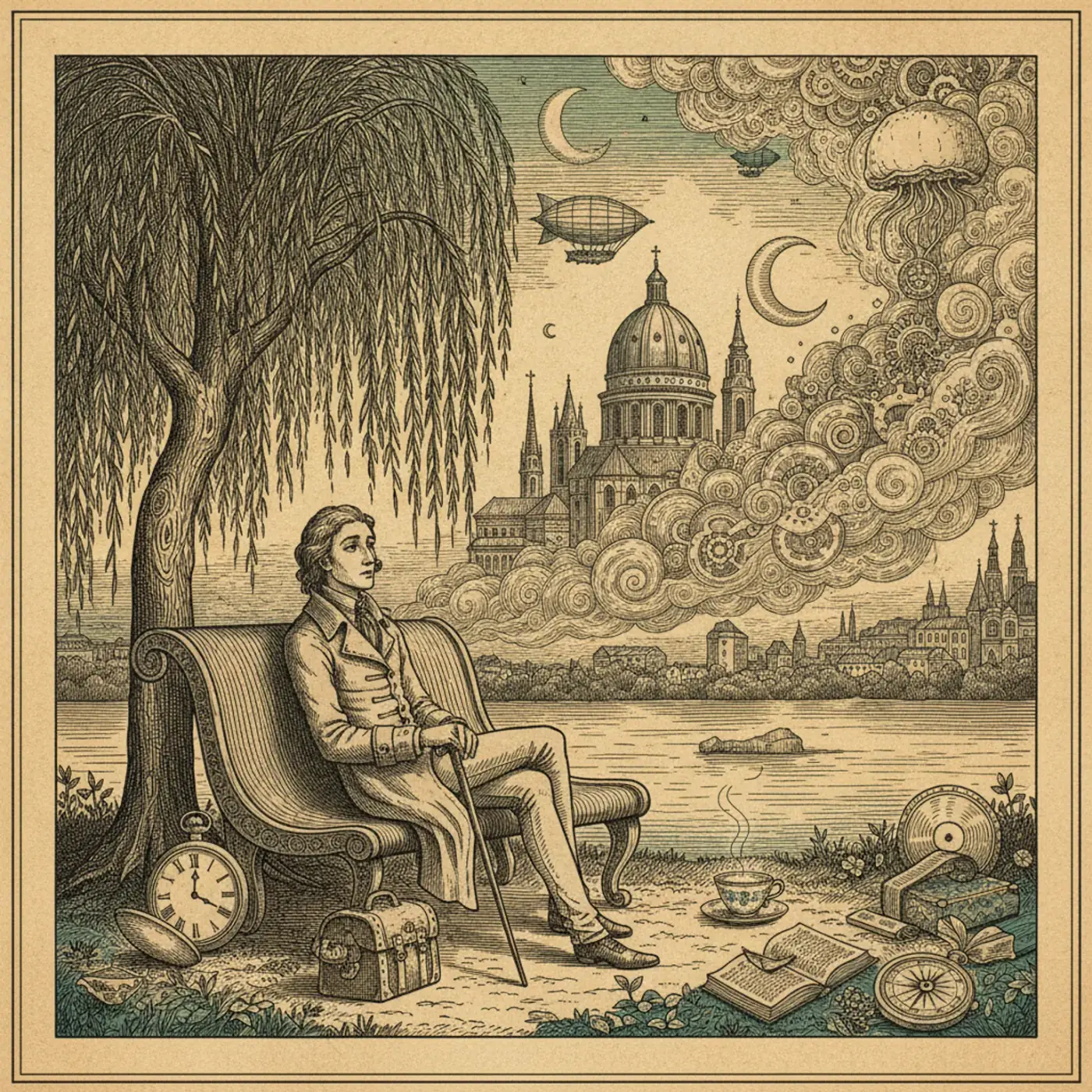
I have fibromyalgia. I also have a deep, possibly unreasonable love for Baroque architecture. For a long time those two facts felt incompatible with international travel. Vienna was the trip that changed my mind about that.
This is not an “accessible travel” post in the usual sense — I’m not primarily talking about wheelchair infrastructure (though Vienna is quite good on that front too). This is for people who manage energy like a currency: the chronic fatigue crowd, the pain-management people, the folks who need to build in an hour of horizontal time before they can enjoy dinner. I see you. I am you. And I am here to tell you that Vienna might be the most accidentally perfect city for us.
If you want the fuller city overview, my complete Vienna Austria itinerary covers everything from neighborhoods to nightlife. This post is specifically about pacing it for low-spoon days.

Why Vienna Works When Your Body Doesn’t Cooperate
The city’s layout is almost suspiciously convenient. The historic center (Innere Stadt) is compact and extraordinarily walkable in short spurts — but more importantly, you barely have to walk it, because the trams and U-Bahn cover it densely. The U1, U2, U3, and U4 lines all converge in the center, and most central stations have lifts.
Then there’s the cafe culture. Vienna’s coffee houses — the Kaffeehäuser — are not just for tourists. Locals genuinely use them as living rooms. You can sit for two hours over one melange (their milky espresso drink, roughly €4–5) and no one will hurry you. This is a feature, not a bug, when you need to sit down right now or you’ll regret it.
I stayed at a small hotel near Schwedenplatz, which put me a short tram ride from basically everything. Avoid hotels up on the hill by Grinzing unless you have a specific reason — you’ll spend energy on transport you don’t have.
Day 1: Arrive, Settle, Don’t Overdo It
Arrival days are rest days. I know you know this. I also know you’ll be tempted to “just pop into” the Kunsthistorisches Museum because it’s right there. Don’t.
Take the CAT (City Airport Train, about €14.90 one-way) from the airport directly to Wien Mitte, get to your hotel, eat something warm and easy. Naschmarkt is close to the center but it’s long and involves a lot of standing — skip it today.
For dinner, walk somewhere within fifteen minutes of your hotel. Gasthaus Pöschl near the first district does solid Viennese schnitzel for around €18–22, tables are well-spaced, and no one’s in a rush. That’s the whole evening. Go to sleep.
Day 2: The Hofburg and One Museum (That’s It)
The Hofburg Imperial Palace is the crown jewel of Vienna, and you can absolutely do it on limited energy — if you’re strategic. Choose one wing. I recommend the Imperial Apartments and Sisi Museum (combined ticket, around €17). Budget 90 minutes, not three hours. The gift shop at the end has benches.
Afterward, cross the Ring road and sit in the Volksgarten. There are actual benches in this garden, which sounds obvious but is not a given at tourist sites. The rose garden in late spring is worth a slow walk through.
Lunch at Café Landtmann on the Ringstraße — yes, it’s a bit fancy, yes it’s touristy, but the seating is comfortable, the portions are generous, and you’re doing your chronic illness budget a favor by sitting in a cushioned chair for an hour instead of a plastic cafe seat.
Afternoon: back to the hotel. Nap or horizontal time. Non-negotiable.
Evening, if you have energy: Steigl Ambulanz, a beer hall near the Museumsquartier, is casual, loud enough to feel lively but not overwhelming, and the food is hearty. If you don’t have the energy, order something to your room and watch Austrian TV. No shame.

Day 3: Schönbrunn Palace, But Paced
Schönbrunn is the one excursion that involves real distance from the center — take the U4 directly to Schönbrunn station, which exits almost at the palace gates. The grounds are huge but you don’t have to walk all of them.
My recommendation: do the Grand Tour of the palace interior first (around €23, about 50 minutes, mostly standing but slowly paced). Then find a bench in the formal gardens. Do not attempt to walk up to the Gloriette on the hill unless you feel genuinely good that day — it’s a significant climb and the view, while beautiful, is also visible from the parterre gardens below with binoculars or even a phone camera zoom.
There’s a Café Residenz inside the palace complex. It’s overpriced (€6 for a melange) and I don’t care, because the chairs are padded and you’ve earned it.
For slow travel philosophy generally, I’ve found a lot of useful framing in posts about truly unhurried itineraries — this piece on Chiang Mai’s moat-side neighborhoods for first-time slow travelers changed how I think about what a “successful” travel day actually looks like.
Head back mid-afternoon. If you pushed yourself at Schönbrunn, this is the evening you order room service or grab something from a Spar supermarket (they’re everywhere in Vienna, good prepared food section) and watch the light change over the rooftops.
Day 4: Art Museums and Slow Goodbyes
The Kunsthistorisches Museum (KHM) is world-class and also, crucially, has excellent seating throughout. The great rotunda in the center of the building has benches where you can sit and look at the architecture itself, which is half the point. Budget two hours maximum, choose your floors in advance (the Picture Gallery upstairs for the paintings, the Egyptian and Near Eastern collection downstairs if ancient objects are your thing), and don’t try to do everything.
The cafe in the KHM rotunda does a perfectly decent lunch. I had a Tafelspitz (boiled beef, the classic Viennese dish) there once that was genuinely lovely.
Before you leave the city, if you have any energy left, sit in one of Vienna’s old-school Kaffeehäuser and do absolutely nothing for an hour. Café Central (Herrengasse, center city) is the famous one — a bit touristy but honestly magnificent. Order a melange and a slice of Apfelstrudel (€5–7) and just… be in Vienna for a moment. This is definitaly the move.
If you’re the kind of person who reads widely about European pacing — I also found this post about visiting Copenhagen in darkness genuinely useful for thinking about how light and weather affect low-energy travel. Similar logic applies in Vienna in winter, when the shorter days actually work in your favor.
For the broader European planning context, the Europe itineraries hub has helped me think about sequencing cities in ways that don’t wreck me before I arrive somewhere.
And if you’re thinking about a more active trip that involves driving — I’d read what I wish I’d known before renting a car in Iceland first. Vienna itself doesn’t require a car at all, which is part of why it’s so manageable.
What to Skip If You’re Running Low
- The Prater and the Riesenrad (giant Ferris wheel) — fun, but it requires a tram transfer and a lot of pavement
- The cemetery tour (Zentralfriedhof) — beautiful but a long U-Bahn ride and a lot of walking
- Any “walking tour” over two hours — just don’t
Practical Notes
- Transport: 48-hour or 72-hour Vienna City Card (€17–€21.90) covers all U-Bahn, trams, and buses and pays for itself fast
- Weather: May–June and September are the sweet spots — not brutally hot, manageable crowds
- Medication: Bring documentation for anything controlled. Austria is strict but fine with proper paperwork
- Hotel floor: Request ground floor or low floor if stairs are an issue. Most central hotels have lifts but not all are large
Vienna won’t cure you, but it will respect your pace — and that’s rarer than any five-star attraction.
This article contains affiliate links marked rel="sponsored". We may earn a commission at no extra cost to you.