
[ GUIDE · THE DISPATCH ]
Where to Stay in Cartagena: Walled City Postcards vs. Getsemaní's Street Art
Where to stay in Cartagena when the walled city's postcard romance and Getsemaní's grittier, cheaper, mural-covered cool are both pulling at you. I picked a side, and I'll tell you why.
For the full day-by-day version of everything below, read the our full Cartagena itinerary, with maps.
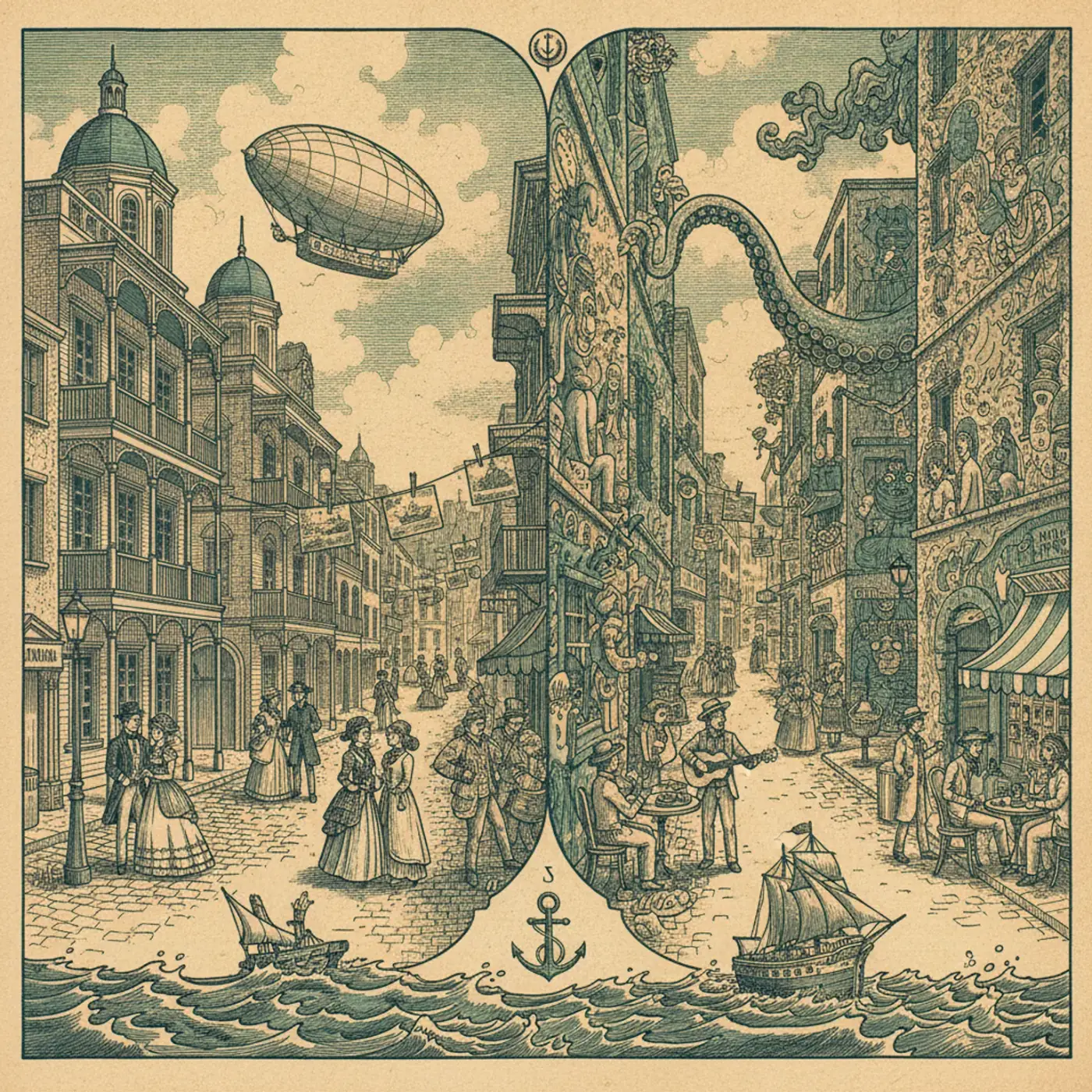
Where to stay in Cartagena comes down to a wall. Inside it, the famous walled old town — balconies dripping bougainvillea, horse-drawn carriages, the colour palette of a melted box of crayons. Outside it, just a few minutes’ walk, Getsemaní — louder, grittier, cheaper, and to my eye the more alive of the two. I’ve stayed on both sides and I have a clear favourite. I’ll get to it.
But first, the thing nobody tells you until you’ve arrived sweaty and confused: neither of these is a beach. Hold that thought.

The walled city (Centro) — the postcard, and the price tag
The Ciudad Amurallada is the Cartagena of every photo you’ve seen. Inside the old colonial walls you’ve got the Plaza Santo Domingo with its Botero sculpture, the Catedral, the Plaza de los Coches, and street after street of restored mansions painted in mango, coral, and indigo. Walking it at golden hour is genuinely one of the great city strolls anywhere. The walls themselves at sunset, with a beer from Café del Mar territory — chef’s kiss.
It’s the safest-feeling part of the city, the most polished, and the most expensive by a wide margin. The boutique hotels here are gorgeous and they charge for it — easily US$200–400+ a night for the nice ones, and the restaurants inside the walls are priced for cruise-ship money. If you want romance and don’t mind paying, this is the honeymoon postcard and it delivers.
The downside, beyond cost, is that it can feel a touch like a beautiful museum — restored, polished, slightly hushed, with hawkers working the plazas hard. Lovely. Just not always lively in the way travel sometimes wants.
Getsemaní — murals, music, and a better price
Now my actual favourite. Getsemaní sits just outside the walls and was, not long ago, the rough neighbourhood the guidebooks warned you off. It’s gentrified fast, sure, but it’s kept its soul better than most places that go through that — and it’s where the real night happens.
The streets here are wall-to-wall murals and street art, strings of bright flags overhead, and at night the Plaza de la Trinidad fills with locals, kids playing football, vendors selling cold beer and arepas and skewers, impromptu music, the lot. It’s the best free entertainment in the city and you just sit on the church steps and watch it unfold.
The food and lodging run noticeably cheaper than inside the walls. Hostels and mid-range boutique places abound, and you can eat brilliantly for a fraction of Centro prices — try the street arepas con huevo, the patacones, a fresh juice from a corner stall. Getsemaní is also the backpacker and digital-nomad hub, so the cafés and bars skew young and social.

The beach caveat — read this before you book
Here’s the part that catches everyone out. Cartagena’s old city is not on a swimmable beach. The water right by the centre is murky port water. The actual beaches require a small mission.
Bocagrande is the high-rise, Miami-ish strip with hotels right on the sand — convenient, but the beach is so-so and the area feels generic. Playa Blanca, about an hour away on the Barú peninsula, is the proper white-sand turquoise stuff, but it’s crowded and aggressively hawked by day-trippers; go early or stay overnight. And the real prize is the Islas del Rosario, a cluster of islands an hour by boat where the Caribbean finally looks the way you pictured — book a day trip or splurge on an island stay.
So if a beach is central to your trip, factor that in: you’ll be staying in the colonial city for the atmosphere and taking boats or taxis to get your sand. Don’t book the walled city expecting to roll out of bed into the sea. You won’t.

A note on heat, money, and timing
Two practical things that shape where you’ll be happiest. First, the heat. Cartagena is hot and humid pretty much year-round — we’re talking sticky, shirt-clinging, mid-30s-Celsius heat — so air conditioning is not a luxury here, it’s the difference between a good night’s sleep and a bad one. Check that whatever you book has reliable AC, especially in the cheaper Getsemaní hostels. Some don’t, or have one rattling unit that quits at midnight. Ask first.
Second, money and crowds. Prices spike hard around the December-to-January high season and over Colombian holidays, when the city fills with domestic tourists and the walled-city rates go silly. The sweet spot is the shoulder months — roughly March to early June, before the heavier rains — when it’s still gloriously warm, less mobbed, and noticeably cheaper. The first time I came in January I paid double what I paid on a March return trip for a nicer room. Live and learn.
And carry small bills and a bit of city sense. Cartagena’s safe in the tourist areas but the hawking is relentless — sunglasses, hats, massages, photos with women in fruit-basket dresses (who’ll charge you for the photo, fairly). A friendly “no, gracias” and a smile handles all of it.
So, which side of the wall
Honeymooners, romance-seekers, and anyone who wants polished beauty and will pay for it: the walled city. Everyone who wants more life, more music, more murals, and more pesos left in their pocket: Getsemaní, and it’s not close for me. The murals, the plaza nights, the price — it’s the version of Cartagena I’d come back for.
The first time I stayed in Getsemaní a man named Édgar ran the little café below my room and started leaving an extra arepa on my plate “para la flaca” — for the skinny one. By day three he was introducing me to his sister. You don’t get adopted like that inside the walls. Thats the difference, and it’s the whole reason I pick the cheaper side.
Stay in Getsemaní for the murals and the music, walk into the walled city for the postcards, and budget a boat to the Rosarios for the beach you actually came for — best of all three, on one wall’s worth of walking.
This article contains affiliate links marked rel="sponsored". We may earn a commission at no extra cost to you.