
[ ITINERARY · THE DISPATCH ]
The 4-Day Cartagena Itinerary: Walled City, Street Food, and Sunset Ceviche
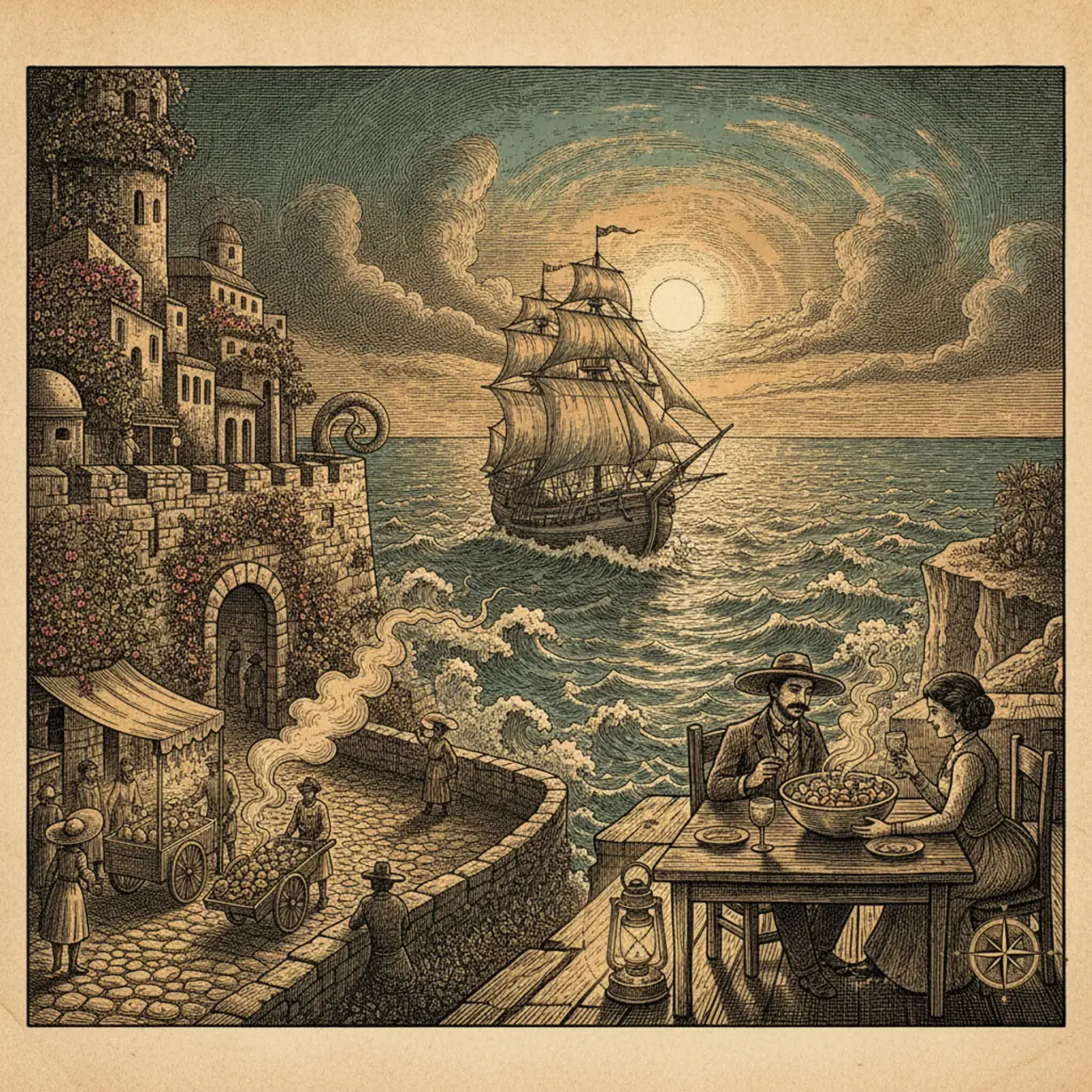
Cartagena is a Caribbean city inside a Spanish colonial fortress, where the palenqueras sell fruit in the heat and the ceviche comes with a view of the sea walls at sunset. Four days will not feel like enough.
A palenquera stopped me on the corner of Calle del Arsenal and offered me a slice of mango with lime and salt from a bowl balanced on her head, and I said yes before I’d finished thinking about it. This is the correct relationship to have with Cartagena: say yes before you’re sure you should. The city operates on a logic that rewards instinct over planning — you’ll stumble into the best restaurant by following someone carrying food, find the best viewpoint by taking the stairs you weren’t sure about, and understand the city best by getting slightly lost in Getsemaní on a Tuesday night. Four days gives you enough time to stop navigating and start living.
Day 1: The Walled City — Fortress, Towers & Getting Lost
The Ciudad Amurallada (walled city) is a UNESCO World Heritage site and the most intact colonial Spanish fortification in the Americas — eleven kilometres of wall, originally built to defend the city from pirates. The entrance through the Puerta del Reloj (Clock Gate) deposits you into a labyrinth of coral-stone buildings painted in pinks, yellows, and ochres, draped with bougainvillea, and lined with balconies from which flowers and laundry compete for airspace.
Walk the walls at the end of the afternoon for the best light over the Caribbean. The section from Las Bóvedas to the Baluarte de Santo Domingo has the best views and the palenqueras selling fresh fruit — a transaction that is always worth conducting.

Day 2: Getsemaní — the Real Cartagena
Getsemaní is the neighbourhood immediately outside the old wall, historically the part where the enslaved population and working class lived while the colonial elite occupied the walled city. It’s now Cartagena’s most interesting neighbourhood: street art covering every surface, costeño music from open doors, restaurants that have no signage and full tables every night, and a main square (Plaza de la Trinidad) where locals gather every evening like it’s 1987.
| Walled City | Getsemaní | |
|---|---|---|
| Atmosphere | Colonial, polished, touristy | Local, artistic, lively |
| Accommodation | Boutique hotels, pricey | Hostels + boutique, affordable |
| Food | Fine dining, rooftop bars | Street food, local restaurants |
| Nightlife | Cocktail bars, upscale clubs | Salsa bars, neighbourhood bars |
| Best time | Morning and golden hour | Evening and night |
Eat arepas de huevo (fried corn cakes stuffed with egg) from a street vendor for breakfast. For lunch, any restaurant around Plaza de la Trinidad serving bandeja paisa or arroz con coco.

Day 3: Islas del Rosario — Caribbean Islands
The Islas del Rosario are a national park archipelago of 27 coral islands 45 minutes by speedboat from Cartagena’s dock. The water is the kind of turquoise that makes you suspect digital enhancement until you’re in it. Book directly at the Muelle Turístico de la Bodeguita dock for the lanchas that go at 8 a.m. — this is significantly cheaper than the tour agency versions and the boat is the same.
Day 4: Bocagrande & Departure
Bocagrande is Cartagena’s modern beach peninsula — high-rise hotels, a long public beach, and the city’s best ceviche, eaten at plastic tables on the beachfront while the Caribbean sun begins its descent and the pelicans make their slow, ridiculous passes overhead. This is the correct way to spend a final afternoon.
The Museo del Oro Zenú (Gold Museum) on the walled city is free, small, and genuinely fascinating — pre-Columbian goldwork from the Zenú civilisation, including the extraordinary funeral offerings that were being excavated from the savannahs of Córdoba at the same time the Spanish were trying to steal them.
Is Cartagena safe? The walled city and Getsemaní are safe for tourists with normal urban awareness. Use Cabify or InDriver apps for taxis (avoid unmarked cabs); keep valuables out of sight; standard advice for any Latin American city applies.
What’s the currency situation? Colombian pesos (COP). Cash is needed for street food and markets; cards work in restaurants. ATMs are widely available in the walled city.
When should I go? December to April is dry season and peak tourist season. May–November is wetter (and cheaper and quieter). July–August is very hot and humid even by Cartagena standards — comfortable for beach days, demanding for walking.
This article contains affiliate links marked rel="sponsored". We may earn a commission at no extra cost to you.