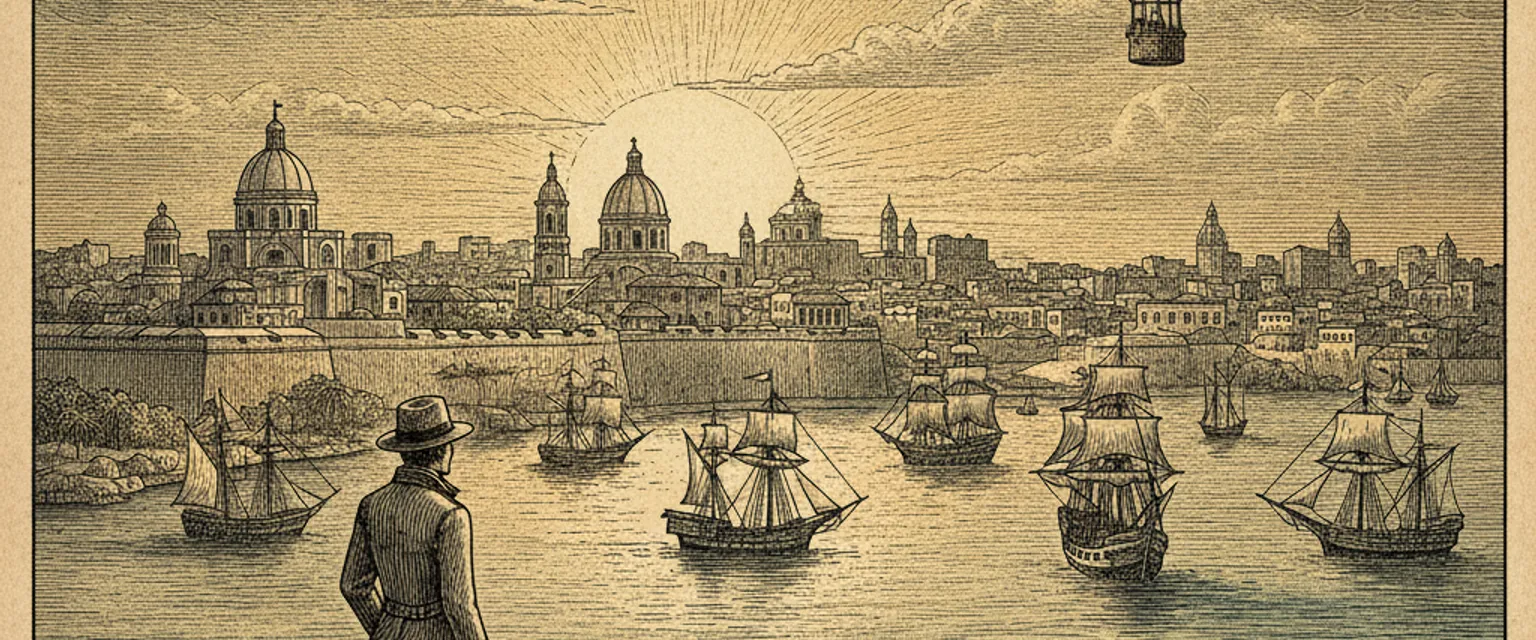
I walked the city walls at dusk on my first night, fruit vendors packing up and the sky going pink over the Caribbean, and a brass band started somewhere down in the plaza below for no reason anyone could explain. By the time I reached the Café del Mar end of the rampart, half the city seemed to be up there with a drink, watching the sun drop. Cartagena does not ease you in. It just hands you the whole thing on the first evening and dares you to keep up.
The Perfect Cartagena Itinerary (2, 3, 4 & 7 Days)
Two days is the walled old town on foot, the sunset from the ramparts, and one late night in Getsemaní where the salsa spills into the street. It is a compact, intense introduction to one of the most beautiful colonial cities in the Americas. Walk everywhere inside the walls; it is small and the heat makes you grateful you did not book that taxi.
Carry small bills and water. The heat and humidity here are a full participant in your day.
72 Hours: Add the Islands and Getsemaní by Day
Three days buys you a boat to the Rosario Islands for clear Caribbean water, plus a daytime wander through Getsemaní's street art and a climb up to the Castillo de San Felipe. This is where Cartagena stops being only a pretty backdrop and starts being a place you actually swim, sweat, and dance in.
4 Days: A Day on the Water, A Day in the Hills
Four days lets you give the islands a full unhurried day and add either the mud volcano at Totumo or the breezy hill town of La Popa for the view over the whole bay. The fourth day is when you slow down enough to do a long lunch and a slow evening without checking the time.
7 Days: Cartagena and the Caribbean Coast
A week opens up the coast — an overnight on Isla Barú or Playa Blanca, a day in the colonial gem of Mompox or the beaches of Tierra Bomba, and enough evenings in Getsemaní that the bartenders start to recognise you. By day five the heat stops being an obstacle and becomes the whole rhythm of the place. That is when Cartagena finally makes sense.
Estimated budget:$180-$460
Estimated budget:$290-$680
Estimated budget:$390-$900
Estimated budget:$720-$1700
Day 1
Walled City + City Walls + Getsemaní Salsa Night
The colonial old town on foot, sunset on the ramparts, salsa after dark
Ciudad Amurallada — Plaza Santo Domingo + Plaza Bolívar
The walled old town: a maze of balconies, bougainvillea, and shade you will learn to chase.
The walled city is the reason you came: cobbled streets, Spanish colonial mansions, flower-draped balconies, and plazas every few blocks. Start at Plaza Santo Domingo (with its Botero sculpture) and Plaza Bolívar before the heat peaks. Duck into the cathedral and the shaded courtyards. Go slow, stay on the shaded side of the street, and drink the fresh lime limonada de coco from a cart whenever you see one.
Las Murallas — sunset walk to Café del Mar
The 17th-century sea walls that defended the city, now the best sunset bar in town.
The murallas — the great stone walls built to fend off pirates — are now a free public promenade and the single best thing to do at dusk. Walk the ramparts as the sky turns, then grab a (pricey) drink at Café del Mar built right into the wall. Or buy a cold beer from a vendor and sit on the stone like everyone else. The Caribbean sunset from up here is worth the whole trip on its own.
Getsemaní — Plaza de la Trinidad + salsa
The old working-class barrio that is now the city's beating, dancing nightlife heart.
Getsemaní comes alive at night around Plaza de la Trinidad — street food, buskers, locals and travellers sharing the steps of the church. Then to a salsa bar like Café Havana, where a live band plays and nobody cares that you cannot dance. Eat an arepa de huevo from a cart, drink an aguila beer, and stay out far too late. This is the night you will remember.
Day 2
San Felipe Castle + Getsemaní Street Art + Rooftop Sunset
The great fortress, the murals, and a view over the whole walled city
Castillo de San Felipe de Barajas
The largest Spanish fortress in the Americas, a hill of stone and secret tunnels.
San Felipe is the colossal fortress that made Cartagena impregnable — a sloping mountain of stone honeycombed with tunnels engineered so defenders could hear approaching attackers. Go at 8 AM opening before the heat and the cruise crowds. The ramp to the top gives a sweeping view over the old town and the modern skyline of Bocagrande. Bring water and a hat; there is almost no shade up there.
Getsemaní by day — Calle de la Sierpe murals
The same barrio that dances at night is an open-air street-art gallery by day.
Getsemaní in daylight is all murals — Calle de la Sierpe and Callejón Angosto are covered in vivid street art celebrating Afro-Caribbean Colombian culture. It is the most photogenic and most genuinely lived-in part of the city, with corner shops, hammock-strung doorways, and laundry overhead. Walk it slowly with a coconut limonada. This is the real neighbourhood beneath the postcard.
Rooftop sunset — Movich or Townhouse rooftop
A pool-deck drink looking down on the terracotta roofs and the sea beyond.
For a different angle on the city, take the lift to a rooftop bar — the Movich Hotel's deck and the Townhouse rooftop both look out over the old town's roofs to the Caribbean. The cocktails are not cheap, but one drink buys you the best skyline view in Cartagena at golden hour. Time it for sunset, then descend into the walled city for dinner.
Day 3
Rosario Islands Boat Day
Out to the clear Caribbean water the city itself does not have
Islas del Rosario — boat from the Marina
An archipelago of coral islands an hour offshore, where the water finally goes clear.
Cartagena's city beaches are murky; the Rosario Islands are where the Caribbean turns the colour the brochures promised. Book a boat to a single beach club or island for the day rather than a hopping tour that rushes you. Bocachica and Isla Grande are good bases. Bring sun cream, cash, and patience; the boats run on island time, not yours.
Snorkel + seafood lunch on the island
Reef snorkelling and a plate of fried fish with coconut rice on the sand.
Most island clubs include or offer snorkelling over the coral reefs — modest but pretty, with parrotfish and the warm flat water. Lunch is the coastal classic: whole fried red snapper, coconut rice (arroz con coco), and patacones, eaten with your feet in the sand. It is touristy and it is also exactly what a Caribbean island day should be. Negotiate the price before you order.
Return + easy evening in the walled city
Sun-tired and salty, a quiet plaza dinner instead of another late night.
Boats return in the late afternoon. After a full day in the sun, keep the evening gentle: a table on a quiet plaza in the walled city, a ceviche, and an early night. Plaza San Diego is calmer than the main squares and has good, unhurried restaurants. Save the dancing for a night you have not spent six hours in the Caribbean sun.
Day 4
Totumo Mud Volcano + La Popa Viewpoint + Bazurto Glimpse
A mud bath, the city's highest view, and a peek at the real market
Volcán del Totumo — mud bath
A small mud volcano an hour out where you float in warm grey mineral mud.
El Totumo is a squat clay cone filled with warm, buoyant mud you cannot sink in — you climb in, get massaged by an attendant (tip expected), and float weightless before rinsing off in the lagoon below. It is gloriously silly and uniquely Caribbean. Go early with a small group tour; the cone gets crowded and slippery later. Bring an old swimsuit; the mud stains.
Convento de la Popa — the city's highest viewpoint
A 17th-century hilltop convent with the only full panorama of Cartagena and its bay.
La Popa, on the city's highest hill, is a serene colonial convent with a flower-filled courtyard and the best panorama in Cartagena — the walled city, the modern towers, and the bay all in one sweep. Take a taxi up (do not walk; the road is not safe on foot) and time it for the clearer early-afternoon light. The contrast with the chaos below is the point.
Mercado Bazurto glimpse (guided) or a long local lunch
The chaotic real market that feeds the city, or a slow Caribbean meal in town.
For the brave, the Mercado Bazurto is the raw, overwhelming engine room of Cartagena's food — best visited with a guide for the cooked-food stalls and the fish. If a sprawling, intense market is not your speed, retreat to a long lunch in the old town instead: cazuela de mariscos (seafood stew) and a cold beer in the shade. Either way, slow the day right down here.
Day 5
Isla Barú + Playa Blanca Overnight
The white-sand beach the islands are famous for, without the day-trip rush
Playa Blanca, Isla Barú
The classic white-sand, blue-water beach, far better once the day boats leave.
Playa Blanca on Isla Barú is the postcard beach — but it is mobbed by day-trippers until mid-afternoon. The trick is to stay overnight: by 4 PM the boats leave and you get a near-empty Caribbean beach at sunset and sunrise. Reachable by road or boat. Pick a simple beach cabaña, eat the fried fish, and let the vendors find someone else once they learn you are not leaving on the 3 PM boat.
Sunset and night on the beach
The empty beach the day-trippers never get to see, plus bioluminescent plankton.
Once the boats clear out, Barú becomes the trip's quietest, loveliest evening — sunset over flat water, fresh fish grilled on the sand, and on dark nights, bioluminescent plankton in the nearby lagoon (a short boat ride, worth arranging). This is the slow Caribbean the day tours never let you reach. Sleep with the doors open to the sound of the surf.
Day 6
Bocagrande Beach + Old Town Shopping + Farewell Salsa
The modern beachfront, last souvenirs, and one more night out
Bocagrande — city beach and Miami-style skyline
Cartagena's high-rise beach strip: convenient, lively, and very much not the Rosarios.
Back from Barú, Bocagrande is the city's own beach — a wall of modern towers along a grey-sand strip that feels like a Latin American Miami. The water is not the Rosarios, but it is a pleasant, easy morning with sun loungers, coconut vendors, and ceviche carts. It is also the best place to understand the modern Cartagena that lives alongside the colonial one.
Old town shopping — Las Bóvedas + emeralds
The vaulted dungeon-turned-craft-market and Colombia's famous emeralds.
Las Bóvedas — colonial storage vaults built into the wall, once used as a jail — are now craft and souvenir stalls; haggle gently. The walled city is also Colombia's emerald capital: if you want to buy, go to a reputable dealer near Plaza Santo Domingo, not a street tout. Pick up Colombian coffee and a mola textile while you are at it. Spend the cash you saved on Barú.
Farewell dinner + salsa — La Cevichería then Café Havana
Anthony Bourdain's ceviche spot, then one last live-band night.
End with ceviche at La Cevichería in the old town (made famous by Bourdain; still excellent, expect a wait), then walk back to Getsemaní for a final night at Café Havana with the live salsa band. By now you will half know the songs. Dance badly, sweat freely, and toast the city that handed you everything on the first evening and kept delivering.
Day 7
Sunrise Walls + Slow Brunch + Gentle Exit
One last quiet lap of the ramparts before the heat and the flight
Sunrise on the city walls
The ramparts at dawn, cool and empty, with the sea going from grey to gold.
The walls at sunrise are the opposite of the sunset crowd — cool, quiet, a few joggers and fishermen, and the Caribbean lightening from grey to gold. It is the most peaceful Cartagena gets, and the best free thing on your last morning. Walk the full circuit, take the photo without anyone in it, and say goodbye to the city the way you met it: from the top of its walls.
Slow brunch — Café del Mural or a courtyard café
Strong Colombian coffee, fresh fruit, and arepas before the airport run.
End with a long Colombian breakfast — fresh tropical fruit, eggs, arepas, and proper coffee at a courtyard café in Getsemaní such as Café del Mural. The airport is only fifteen minutes from the old town, so there is no need to rush. Leave a little sun-worn and well-fed, already wondering how soon you can come back for the islands you did not reach.
Cartagena is the kind of place that looks staged and turns out to be entirely real. The flower-draped balconies, the brass bands, the salsa spilling out of Getsemaní at midnight, the sunset crowd on the four-hundred-year-old walls — none of it is for the tourists, and all of it welcomes you anyway. It is the most romantic city on the Caribbean coast of South America, and it knows it.
The one thing to plan around is the heat. Cartagena is hot and humid in a way that rearranges your day: do the fortress, the walls, and the markets in the cool of early morning, hide through the worst of the afternoon, and come alive again at dusk like the locals do. Fight that rhythm and you will be miserable; surrender to it and the city opens up.
The 2/3/4/7-day versions move from the walled city outward to the water. Two days is the old town, the ramparts, and one salsa night. Seven days adds the Rosario Islands, an overnight on Barú, a mud volcano, and enough evenings in Getsemaní that you stop feeling like a visitor. The longer you stay, the more the coast rewards you.
Use the duration filter above to pick your version of Cartagena, carry small bills and a water bottle, and do not skip the sunset on the walls. It is the moment the whole city agrees to show off at once.
This article contains affiliate links marked with rel="sponsored". We may earn a commission at no extra cost to you.