
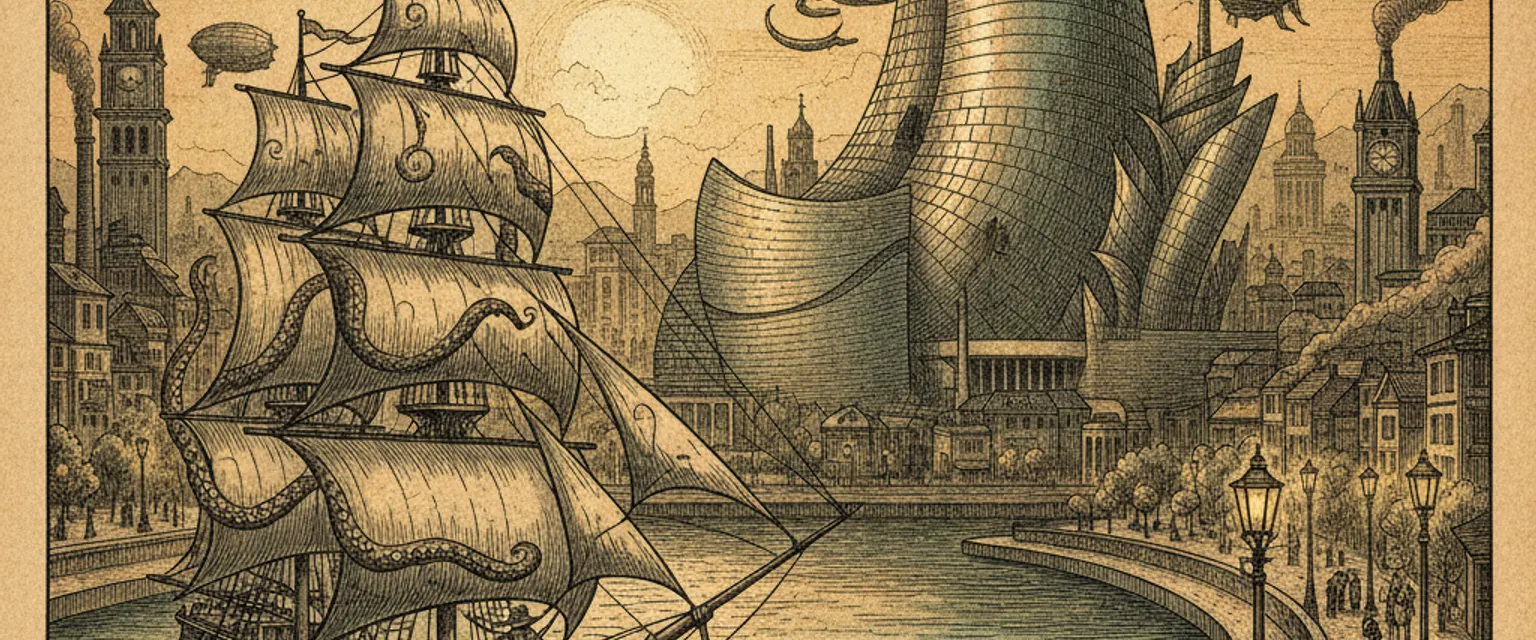
[ ITINERARY · THE DISPATCH ]
Two Days in Bilbao: A Titanium Museum That Saved a Whole City
Two days in Bilbao: the Guggenheim that dragged a grim industrial town back to life, pintxos eaten standing up in the old quarter, and a riverfront reinvention you can walk end to end. Here's the weekend.
Here’s a thing I find genuinely moving, and I don’t say that about many buildings. Bilbao was, until the 1990s, a declining industrial port — shipyards closing, the river a toxic mess, young people leaving. Then the city made an enormous, slightly insane bet: it invited the Guggenheim to build a museum here, designed by Frank Gehry, and that one shimmering titanium thing pulled the whole city back from the brink. Architects call it “the Bilbao effect.” I planned 2 days in Bilbao itinerary-style to see whether the story held up. It does, and then some.
Two days is honestly enough. Bilbao’s compact, the metro’s slick, and the two halves of the trip — the gleaming new riverfront and the old medieval quarter — are a short walk apart. Here’s how I’d do it.

Day 1 — The Guggenheim and the river
Go straight for the Guggenheim. And here’s my first piece of advice, the one most guides skip: spend as long outside as in. The building is the masterpiece — those titanium curves that look like ship sails, or fish scales, or crumpled silver foil depending on the light, all wrapped around the river. Walk the full way around it. Cross the bridge for the view from the other bank. See Puppy, Jeff Koons’s giant flower-covered dog out front, and the big spider (Maman) and the fog sculpture that breathes mist over the water at intervals. The setting is half the art.
Inside, the headline is Richard Serra’s The Matter of Time — vast rusted steel walls you walk through, leaning and curving so the floor seems to tilt under you. Kids love it; so did I, secretly. The rest of the collection rotates, and honestly it’s fine rather than world-shaking — you come for the building, the art is a bonus.
After, walk the riverfront. The Nervión used to be an industrial scar and is now a long, clean promenade with the swooping white Zubizuri footbridge (Calatrava, slippery glass deck, mind your step in the rain). It’s a proper before-and-after story you can read in the landscape.
For dinner, your first taste of pintxos — but save the proper crawl for day two. Tonight, ease in near the river.

Day 2 — The Casco Viejo and eating standing up
Today belongs to the Casco Viejo, the old quarter across the river — a knot of narrow streets around the Siete Calles (the original “seven streets” the whole city grew from). It’s tighter, older, scruffier and far more soulful than the new town, and it’s where you eat.
Now, pintxos. If you’ve not done the Basque thing, here’s how it works and it took me an embarrassingly long time to figure out. Pintxos are little bites — a slice of bread topped with anchovy and pepper, a skewer of prawn, a wedge of tortilla — laid out on the bar. You don’t sit and order a plate. You walk in, grab a small plate, take what you want off the counter (or order the hot ones from a board), eat standing up with a small glass of wine or a txakoli (the slightly fizzy local white, poured from a height), and then you tell the barman what you had and pay. The honour system. Then you move to the next bar and do it again. That’s the whole game — txikiteo, the bar crawl, one or two bites per stop.
Do it around Plaza Nueva and the surrounding lanes. Don’t overload at the first bar; the trick is small and many. My best bite of the trip was a gilda — an olive, a guindilla pepper and an anchovy on a stick, salty and sharp and perfect with cold wine — at a tiny standing bar whose name I didn’t catch and have regretted ever since. And a slab of grilled txuleta (Basque ribeye) if you find a place doing it. Wash it down, keep moving.
Between bars, see the Mercado de la Ribera, a big riverside covered market (one of the largest in Europe), and the Santiago Cathedral tucked in the old streets. But really, day two is just an excuse to eat your way around the Casco Viejo at a wander, which is exactly how it should be.
That’s two days. One museum that saved a city, one old quarter that fed it for centuries, and a river that tells the whole story if you walk far enough. Bilbao isn’t on enough weekend lists, and I think people assume it’s all the one building. It isn’t. But that one building is reason enough.
Come for the titanium, stay for the gilda — and pour the txakoli higher than feels sensible.
This article contains affiliate links marked rel="sponsored". We may earn a commission at no extra cost to you.