
[ ITINERARY · THE DISPATCH ]
Four Days in San Sebastián: Pintxos First, Everything Else Second
San Sebastián has more Michelin stars per capita than anywhere in the world, a perfect crescent bay, and the best bar snacks on earth. Four days is just enough to do justice to all three.
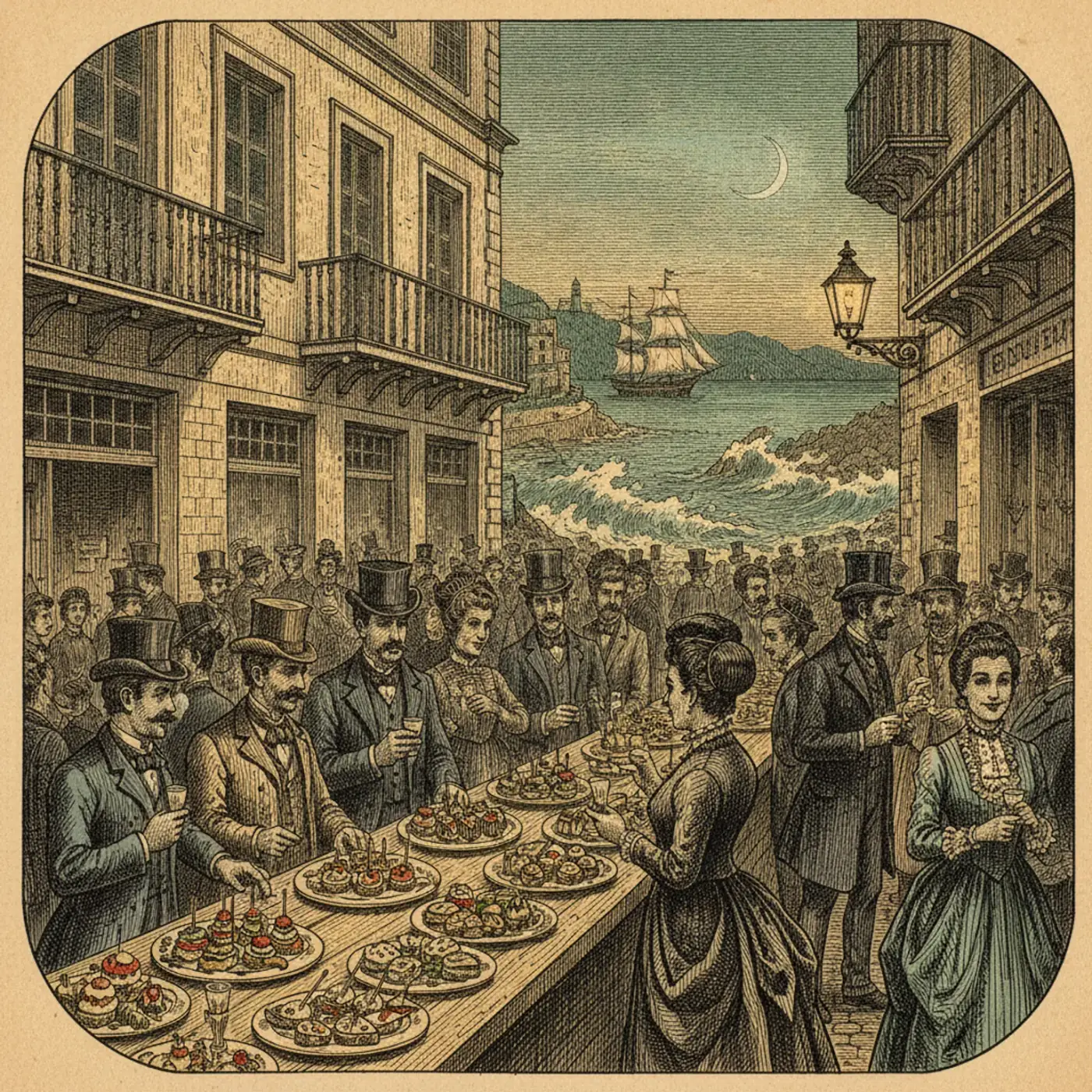
I once tried to explain pintxos to someone who had never been to San Sebastián and completely failed. It’s not tapas, exactly — you don’t order them, you pick them off the bar counter, or you ask for the specific ones they make to order, and the ritual of moving from bar to bar eating one or two perfect things at each stop, with a glass of txakoli wine poured from a height to aerate it, is simultaneously the most casual and the most serious approach to eating I’ve encountered anywhere. I was in the Old Town for four hours on my first night and I still couldn’t stop. My partner had to physically remove me from the last bar at midnight by pointing out that the kitchen was closed. They were wrong; the kitchen was still open. I was right. We went back.
San Sebastián doesn’t require justification. But here’s four days of it anyway.

Day 1: Arrival and the Old Town Pintxos Crawl
Arrive and check in. Then, as soon as humanly possible, go to the Parte Vieja (Old Town).
The ritual: walk to a bar, look at the counter, order a glass of txakoli or sidra, pick up or request two or three pintxos, eat them standing at the bar or on the street, pay (usually €1.50–3 per pintxo), walk to the next bar. Repeat for three hours minimum.
Key stops on the Old Town circuit: La Cuchara de San Telmo (tiny, no bar counter, ordered pintxos, extraordinary — the braised veal cheek is legendary), Bar Txepetxa (specialises in anchovies, full stop, in 14 preparations), A Fuego Negro (creative and modern, the “KKK” black squid pintxo has a deranged name and is remarkable), and Bar Nestor (cash only, single daily tomato salad prepared at 1pm, an enormous grilled T-bone at dinner — the queue outside starts an hour early).

Day 2: La Concha Beach and Monte Igueldo
| Morning | Afternoon | Evening | |
|---|---|---|---|
| Day 1 | Arrive + settle | — | Old Town pintxos crawl |
| Day 2 | La Concha beach | Monte Igueldo funicular + views | Dinner at a restaurant |
| Day 3 | Michelin lunch (Arzak/Mugaritz) | Zurriola + surf scene | Bar evening in Old Town |
| Day 4 | Fish market + Gros market | San Telmo Museum | Departure |
La Concha is genuinely one of the most beautiful urban beaches in Europe — a perfect crescent bay, sheltered by Monte Urgull and Monte Igueldo, with calm water, a promenade lined with Belle Époque architecture, and a small island (Santa Clara) reachable by water taxi in summer. Arrive before 10am to claim space; by noon in summer it becomes a European capital’s worth of people.
Afternoon: take the Monte Igueldo funicular, a vintage inclined railway dating from 1912, to the hilltop amusement park above the western headland. The park is charmingly old-fashioned; the view down over La Concha bay, with the city spread out and the Cantabrian Sea beyond, is the best single view of San Sebastián.
Day 3: The Michelin Lunch
San Sebastián has more Michelin stars per capita than anywhere else on earth. The flagship temples — Arzak, Mugaritz, Akelarre, Berasategui — require booking months in advance and cost €200–350/person. But they are also some of the best restaurants in the world, and a once-in-a-trip special meal here is a different category of experience from anything else you’ll do.
For something more accessible without sacrificing quality: Bar Zeruko in the Old Town is technically a pintxos bar but operates at a creative level indistinguishable from fine dining; Narru on Zubieta does a lunch tasting menu for under €50. Both reward booking ahead.
If you didn’t book a Michelin lunch: the Gros neighbourhood across the Urumea river is San Sebastián’s everyday-life quarter — good cafés, the Zurriola surf beach (rougher waves, younger crowd), and a more local feel than the Old Town.
Day 4: Markets and Museums
The La Bretxa market and adjacent fish market in the Old Town is where Basque Country cooks buy their ingredients. The fishmongers display the catch from the Bay of Biscay — txangurro (spider crab), kokotxas (cod cheeks), and enormous anchovy fillets — with the same care a jeweller uses for gems.
The San Telmo Museoa is the best museum in the city and one of the best history and contemporary art museums in northern Spain — housed in a former Dominican convent, with a new building attached, covering Basque culture, history, and art in a way that’s genuinely engaging rather than dutiful.
Final pintxos lunch before departure: at this point you have opinions. Act on them.
How do I get to San Sebastián? By train from Madrid (5h15) or Barcelona (5h30); by bus from Bilbao (1h15); nearest airport is Bilbao (BIO), 100km west.
Is San Sebastián good for non-food-focused travellers? The beach, architecture, and hiking are legitimately excellent — but the food is a 70% of the experience, and you would be doing yourself a disservice to ignore it.
What’s the cost of a pintxos evening? Budget €20–30 per person for a full Old Town crawl including wine. It is extraordinarily good value for what you’re eating.
This article contains affiliate links marked rel="sponsored". We may earn a commission at no extra cost to you.