
[ ITINERARY · THE DISPATCH ]
Two Days in Bruges That Will Ruin You for Every Other City
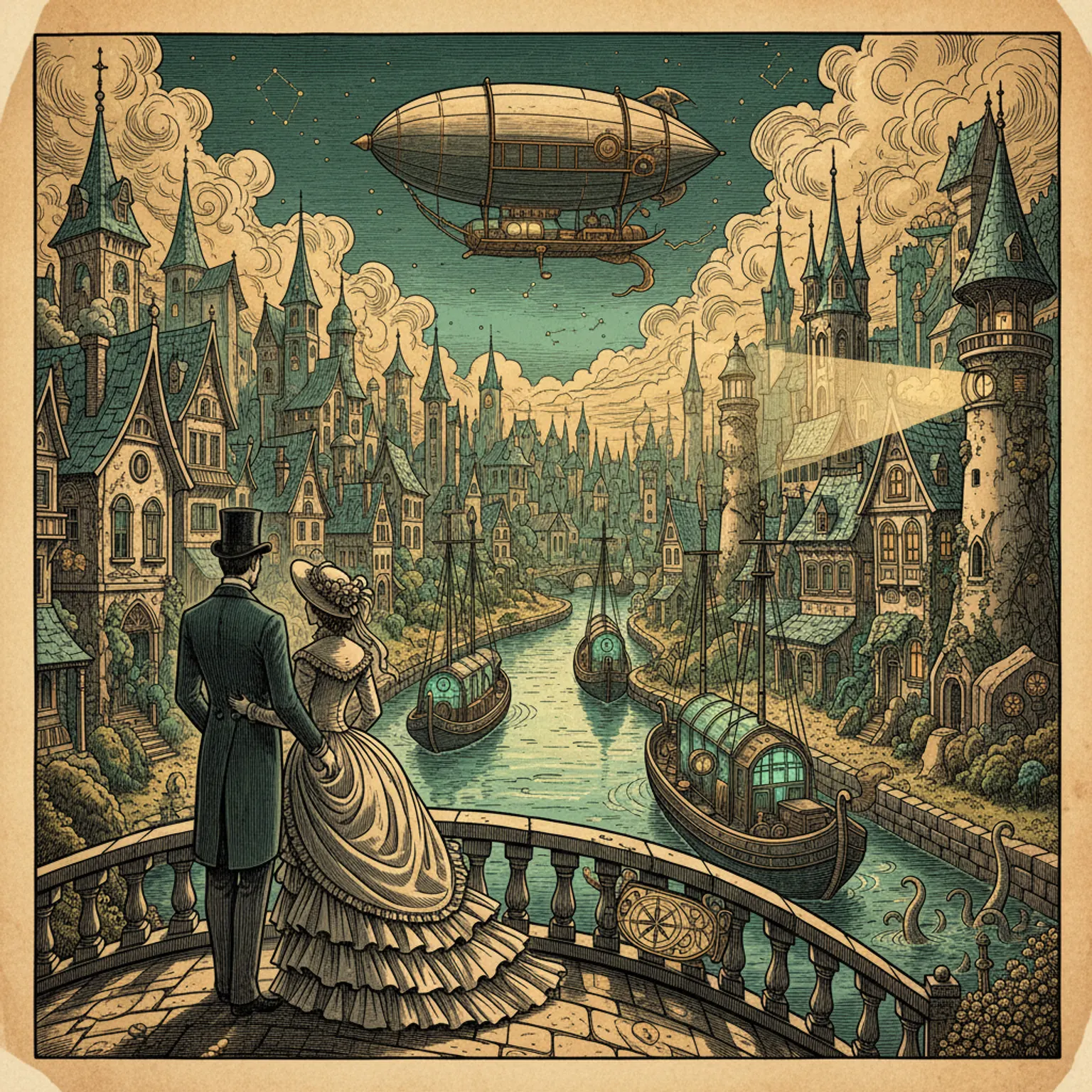
Bruges is so beautiful it feels slightly illegal. Two days in a medieval city that has barely changed since 1400 — canals, chocolate, Flemish art, and the best beer in a country where every beer is already excellent.
I’ve never had an argument with a city before. Then Bruges happened.
I arrived expecting a postcard. What I got was a postcard — but one that also somehow had the best dark beer I’ve ever tasted, a Flemish Primitive painting that made me sit on a museum bench for twenty minutes without checking my phone, and a cheese shop where the woman behind the counter spoke four languages and explained the aging process of each wheel with the patience of someone who genuinely believed it mattered. She was right. It mattered.
Two days. Here’s how to do it without burning it on the tourist track.
Day 1 — Arrive Early, Climb Things, Earn Your Beer
Arrive before 10am if you can. Bruges before the day-trip coaches from Brussels turns up (around 11am) is a different, quieter, more extraordinary city. Walk to the Markt (main square), buy nothing yet, and just look at the guild houses and the belfry.
Then climb the Belfry — 366 steps, 83 metres, the view is the whole medieval city spread below you and, on a clear day, all the way to the North Sea. The carillon bells ring every quarter-hour. If you happen to be at the top when they do, the sound is enormous and slightly absurd.
Afternoon: The Groeningemuseum is a small museum with a collection so concentrated it’s almost unfair — Jan van Eyck, Hans Memling, Gerard David, all the great Flemish Primitives. The Flemish Primitives are called that not because they were crude but because they were among the first to use oil paint for realistic portraiture, and looking at them now, knowing that these were effectively new technologies in 1430, is one of those art-history moments that genuinely changes how you see the past.
Brewery: De Halve Maan (“The Half Moon”) — the last family brewery operating inside the historic centre. Book the tour (45 minutes, includes a tasting), or just go to the bar and drink their Brugse Zot blond. The tour explains why they built a beer pipeline under the city to transport beer to their bottling plant outside the walls. They really did this.
Dinner: Anywhere along the quieter canals south of the Markt — Restaurant Zet’Joe or ‘t Nieuwe Museum for traditional Flemish cooking. Waterzooi (a cream-based stew of fish or chicken) is the local dish and far better than it sounds.
Day 2 — Canals, Lace, and a Windmill
Morning canal boat tour — the 30-minute trips depart from five quays around the city and cost about €12. They’re touristic, yes, but the canal view of the city’s back façades is genuinely different from anything you see on foot. Go early before the queues build.
Walk north to Begijnhof — a medieval enclosure where Beguines (lay religious women) lived in relative independence. It’s impossibly quiet and green given that you’re in the middle of a tourist city. White-painted houses, a pond, ducks.
Lace: The Kantcentrum (Lace Centre) on Balstraat has demonstrations of traditional bobbin lace-making. Whether or not lace is your thing, watching someone manipulate 80 bobbins simultaneously while maintaining a conversation is inherently impressive.
Windmills: Walk east along the city ramparts to the Windmills of Bruges — four historic mills on the canal, some still in operation. The Bonne Chière windmill interior is open in season. It’s five minutes from the centre and most visitors never make it here.
Final chocolate: This is Belgium. You are legally required to buy chocolate. The Chocolate Line (innovative flavours, Dominique Persoone’s shop) or Dumon (traditional, family-run, excellent pralines). Both are correct.
Bruges Fast Facts
| Details | |
|---|---|
| Getting there | Train from Brussels (1 hour, €14–18); from London (Eurostar to Brussels, then train) |
| Day-trip possible? | Yes from Brussels or Ghent — but stay overnight if you can |
| Best neighbourhood to stay | Within the historic ring — anywhere close to the canals |
| Crowds | Weekday mornings: manageable. Saturday afternoons: considerable. July–August: brace yourself |
| Budget/day | €60–100 (meals, entrance fees, beer, some chocolate) |

FAQ
Is Bruges worth two full days? Yes — the day-trippers see the Markt and the canal; two days lets you slow down enough to actually feel the city.
How do I get from the train station to the centre? Bus (10 min) or walk (20 min) — the walk is flat and worth it.
What’s better, Bruges or Ghent? Bruges is more beautiful; Ghent is more alive. Go to both if you can. If you can only pick one and you want a city that’s actually a city, pick Ghent. If you want the medieval time-capsule, pick Bruges.
This article contains affiliate links marked rel="sponsored". We may earn a commission at no extra cost to you.