
[ ITINERARY · THE DISPATCH ]
Three Days in Córdoba: A Mosque-Cathedral That Shouldn't Make Sense But Does
Córdoba gives you a building that is a mosque and a cathedral at the same time, patios that look like someone exploded a flower shop, and the best fried eggplant of your life. Here is how to spend three days getting it right.
Why a 3 days in Cordoba itinerary beats the day-trippers every time
Most people give Córdoba about four hours. They bus in from Seville, speed-walk the Mezquita, take a photo of the striped arches, eat a sandwich, and leave. And honestly? They miss almost everything. The first time I came here I made the same mistake, and I still think about it with a small amount of shame.
So I came back. Three nights, properly, in spring, when the patios are open and the heat hasn’t yet turned the streets into a frying pan. This is the trip I wish someone had handed me.
Córdoba is small. Walkable-small. You will not need a taxi unless you’re leaving town. What it asks of you instead is rhythm — slow mornings, a long lunch, a nap nobody admits to, and evenings that go on a bit too late. Lean into that.
Day 1: The Mezquita, and the Jewish Quarter that wraps around it
Go to the Mezquita-Catedral the moment it opens. I mean it. Monday to Saturday there’s a free entry window early in the morning (it shifts seasonally, usually around 8:30 to 9:30 — check the night before), and even if you’d rather pay for the calm, being inside before the tour groups arrive is the whole game.
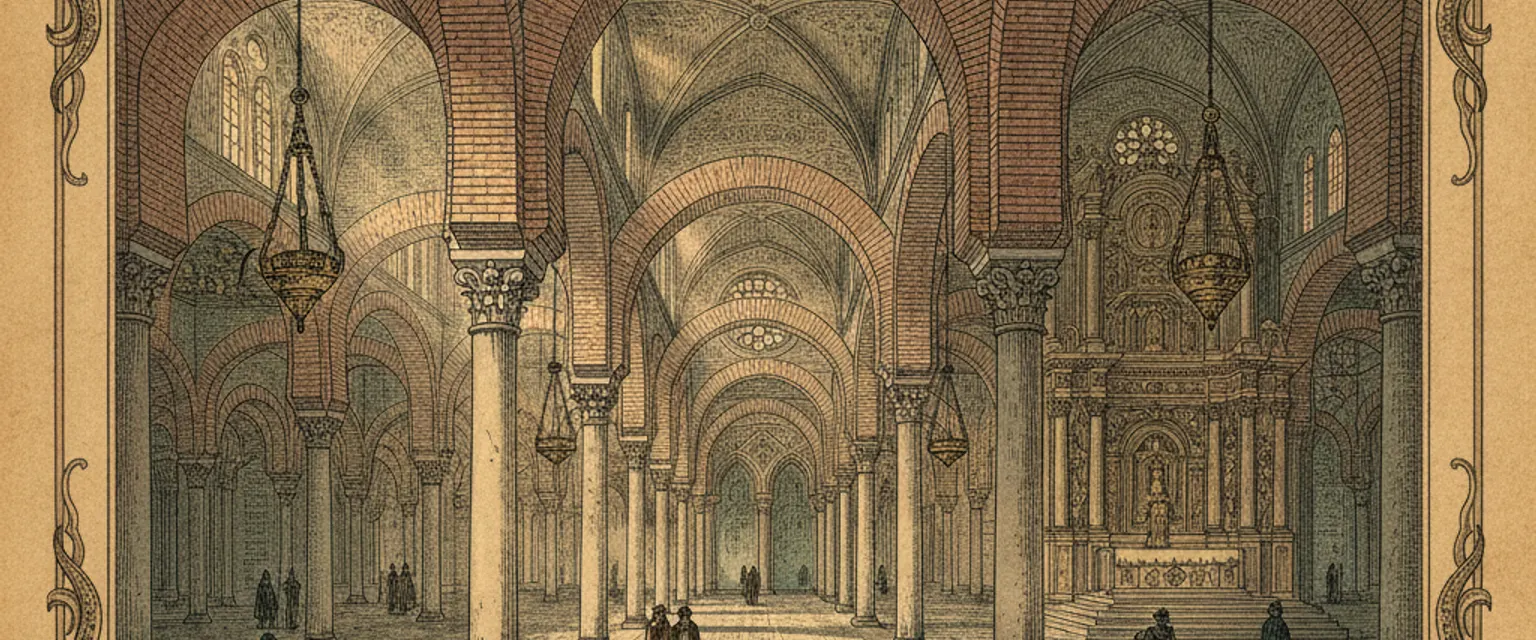
Here’s the thing nobody warns you about. You walk in expecting a church. Or a mosque. What you get is both, stacked, arguing politely with each other across a thousand years. Red-and-white arches marching off in every direction, a forest of them, and then — bam — a full Renaissance cathedral grown right up through the middle like a tree through a roof. It shouldn’t work. It does. I stood there for a solid twenty minutes just turning in a slow circle like an idiot.
Climb the bell tower (the old minaret) if your knees allow. The view over the orange-tree courtyard, the Patio de los Naranjos, is worth the wheeze.
Then drop into the Judería, the medieval Jewish quarter, the maze of white lanes just north and west. Find Calleja de las Flores — yes it’s touristy, but at 9am it’s empty and the framed view of the tower through the flowers is genuinely lovely. Don’t fight it.
Day 2: Patios, the bridge, and real flamenco
If you can time your trip to early-to-mid May, the Festival de los Patios opens private courtyards to the public and the whole city smells like geraniums and jasmine. But even outside the festival, the Palacio de Viana keeps a dozen patios open year-round, and it’s quieter, and you can actually sit. Go in the morning before it warms up.
Afternoon: nap. (I’m serious. This is Andalucía. Fighting the siesta is a tourist tell.)
Then, golden hour, walk out to the Puente Romano, the Roman bridge over the Guadalquivir. Cross to the far side, turn around, and watch the Mezquita go honey-gold over the water. There’s a kebab guy who sets up near the Torre de la Calahorra most evenings and frankly his food beat half the sit-down dinners I had.
For the night, flamenco. Not the dinner-show kind with a coach parked outside — the real, sweaty, slightly terrifying kind. Tablao El Cardenal is the safe-good option, but if you want something rawer, ask your hotel about a peña (a local flamenco club). I got pointed toward one near San Basilio by a waiter named Rafa who clearly thought I couldn’t handle it. He was almost right.
Day 3: Medina Azahara, then one last long lunch
Use your last morning for Medina Azahara, the ruins of a 10th-century palace-city about 8km out. There’s a bus from the visitor centre (you can’t drive right up). It was the capital of a caliphate, abandoned and looted within seventy-odd years of being built, and walking those terraces you get this strange melancholy — all that ambition, gone. The little museum is free for EU citizens and genuinely good.
| Day | Morning | Afternoon | Evening |
|---|---|---|---|
| 1 | Mezquita at opening | Judería + salmorejo lunch | Easy tapas crawl |
| 2 | Palacio de Viana patios | Siesta, then Roman bridge | Flamenco |
| 3 | Medina Azahara | Last lunch in a taberna | Train out |
Back in town for the afternoon, find a proper old taberna — Taberna Salinas has been open since 1879 — and order flamenquín (rolled pork, breaded, fried, indefensible, delicious) and a glass of Montilla-Moriles, the local sherry-ish wine that nobody outside Andalucía drinks and everybody should.
A few honest warnings. The summer heat is no joke — July and August regularly hit 40°C plus, and the city basically shuts down at midday for good reason. The cobbles are murder in nice shoes. And the the Mezquita ticket office line moves slower than continental drift, so book online if you’re not doing the free window.
But none of that is why you’ll remember Córdoba. You’ll remember it because it’s the rare place that’s exactly as good as everyone says, and somehow still mostly empty by 6pm. Go for three days. Eat the eggplant with honey. Don’t be a day-tripper.
Go now, before the rest of Spain remembers Córdoba exists.
This article contains affiliate links marked rel="sponsored". We may earn a commission at no extra cost to you.