
[ ITINERARY · THE DISPATCH ]
The 3-Day Seville Itinerary: Tapas, Flamenco, and Sunstroke (Optional)
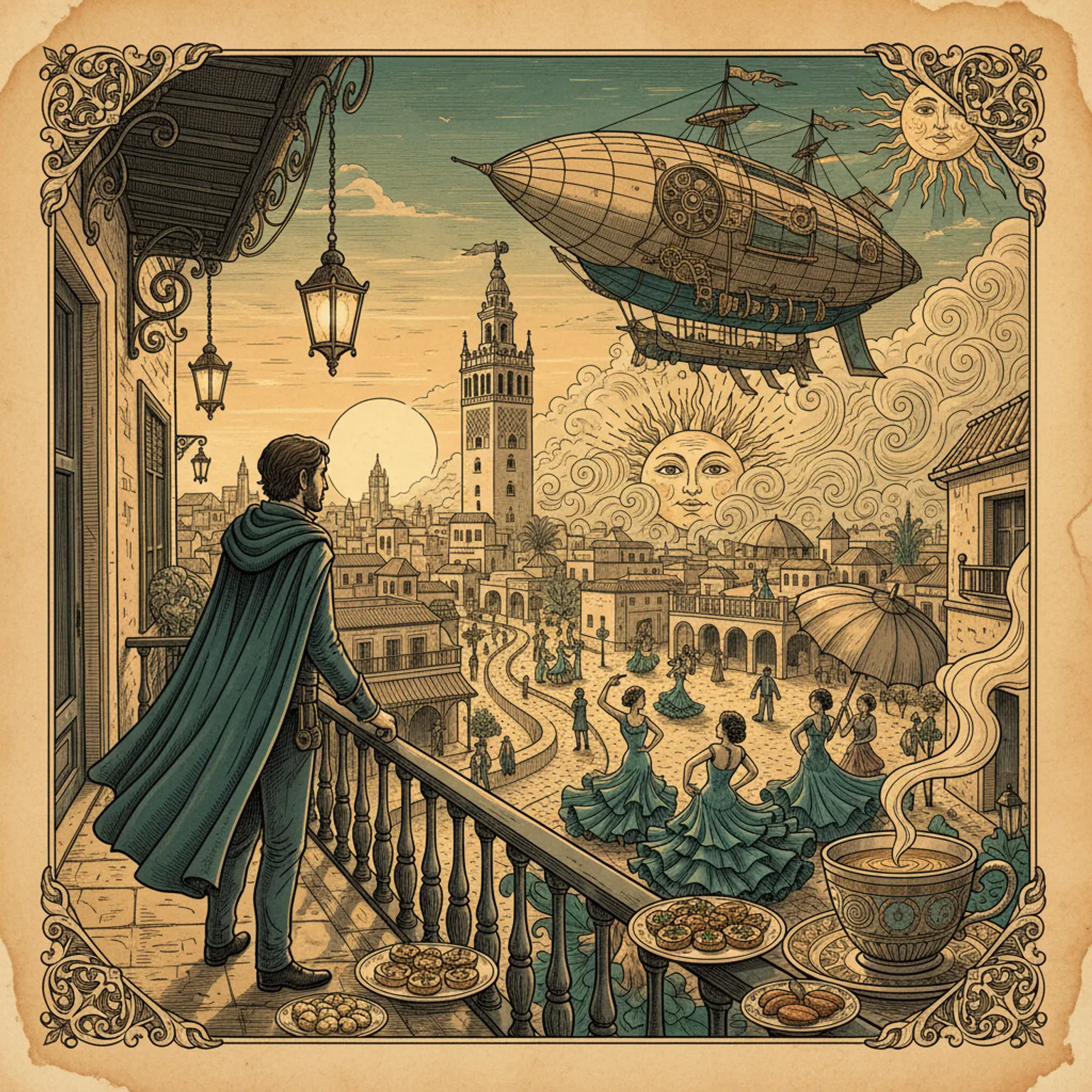
Seville in July will genuinely try to cook you, but it also has the Alcázar, the most dramatic cathedral in Spain, and tapas so good you'll eat five courses while thinking you're just having a snack.
I arrived in Seville in late June and was informed by my phone’s weather app that it was 43 degrees Celsius. I thought the app was broken. I stepped outside and immediately understood that the app was a prophet. Seville in summer is aggressively, almost offensively hot — the kind of hot that reorders your schedule, pushes lunch to 3 p.m., and makes a 10 p.m. tapas crawl not a lifestyle choice but a survival strategy.
It is also one of the most beautiful cities in Europe, and the heat at least keeps the crowds thinner than you’d expect.

Day 1: Alcázar, the Cathedral, and the Barrio Santa Cruz
Arrive at the Real Alcázar when it opens at 9:30 a.m. — this is non-negotiable in summer, because by noon the decorative tilework will be radiating heat like a kiln. The Alcázar is a royal palace that has been modified, rebuilt, and expanded since the 10th century; the Mudéjar rooms commissioned by Pedro I are among the most extraordinary examples of Islamic-Iberian art in existence, and the gardens — with their fountains and orange trees and geometric hedges — are genuinely restorative. Budget 2–3 hours.
The Seville Cathedral is the largest Gothic cathedral in the world. It contains the tomb of Christopher Columbus, who may or may not be actually inside it depending on which scholars you ask (this dispute is genuinely ongoing). Climb the Giralda tower for city views; it’s a ramp rather than stairs because it was originally a minaret where the muezzin rode a horse to the top.
Afternoon: get completely lost in the Barrio Santa Cruz, the former Jewish quarter, which is a warren of whitewashed lanes, flower-draped balconies, and hidden plazas. This is exactly what it looks like in every photograph and also better.
Evening tapas: begin at El Rinconcillo (founded 1670 — the oldest bar in Seville, and they still chalk your tab on the counter) for montaditos and vermouth. Continue to Bar Europeo for tortillitas de camarones (shrimp fritters, a Sevillian specialty that sounds humble and tastes revelatory).
Day 2: Triana, Flamenco, and the River
Cross the Triana Bridge into the Triana neighbourhood — historically the Romani quarter, the birthplace of flamenco, and still the most characterful part of Seville if you know where to look. The Mercado de Triana is a covered market worth breakfast; the Capilla de los Marineros is a tiny chapel covered in azulejos that nobody goes to; the ceramics shops along Calle Alfarería sell the distinctive Triana tile-work at better prices than anywhere in the Santa Cruz tourist zone.
Afternoon: the Parque de María Luisa and the Plaza de España — a curved semicircular palace built for the 1929 Ibero-American Exposition, lined with tiled alcoves representing every Spanish province. It is outrageously photogenic and also the only place in the city with enough shade to sit comfortably in the afternoon. Half of it gets used as a film set periodically (Star Wars, Lawrence of Arabia); the other half is used by locals feeding pigeons.
Evening: Flamenco show at La Casa del Flamenco in Barrio Santa Cruz (intimate venue, 45 minutes, no dinner show theatrics — just dancing) or Tablao El Arenal for a longer dinner-and-show format. Book ahead for both.
Day 3: Day Trip to Córdoba or Slow Morning
Córdoba (45 minutes by AVE high-speed train) is home to the Mezquita — a mosque-cathedral that contains the most extraordinary architectural collision in Western Europe: a full Gothic cathedral inserted directly into the middle of a Great Mosque, both somehow coexisting, both somehow magnificent. Spend 2 hours inside, then walk the Jewish Quarter and have lunch before the train back.
Or: skip the day trip, sleep late (Seville earns this), and spend Day 3 on the Basílica de la Macarena (the most revered Virgin Mary in Seville, subject of genuine devotion and extraordinary Holy Week processions), the Antiquarium museum (Roman ruins beneath a car park, genuinely fascinating), and a long final lunch at Taberna del Alabardero.
When to go — the honest heat table
| Month | Temperature | Crowds | Verdict |
|---|---|---|---|
| April–May | 22–28°C | High (Easter, Feria) | Ideal but book far ahead |
| June | 35–40°C | Medium | Hot but manageable with early starts |
| July–August | 40–45°C | Lower | For heat-tolerant only; siesta mandatory |
| September–October | 28–35°C | Medium | Best compromise |
| December–February | 12–18°C | Low | Chilly, quiet, very affordable |

FAQ
Is Seville worth visiting in summer despite the heat? Yes, with caveats. Plan outdoor sightseeing before 11 a.m. and after 6 p.m. Use the siesta hours (2–6 p.m.) for indoor museums, rest, and air-conditioned tapas bars. The evenings are genuinely pleasant — the whole city comes alive after 9 p.m. when the temperature drops to a merely warm 30°C.
How much do tapas cost? Traditional Seville tapas bars charge €2–4 per tapa, and you get bread and olives just for sitting. Budget €15–25 for a full evening of grazing and drinks across three bars. Triana is slightly cheaper than Santa Cruz.
What’s the difference between a tablao and a peña for flamenco? A tablao is a professional show venue, polished and reliable, designed for tourists. A peña is a private club where flamenco artists gather to perform for each other and invited guests. Peñas are harder to access but far more authentic; ask at your accommodation for any open nights or contact the tourist office about events during your visit.
This article contains affiliate links marked rel="sponsored". We may earn a commission at no extra cost to you.