
[ GUIDE · THE DISPATCH ]
Where to Eat in Bologna: Tortellini, Mortadella, and the Quadrilatero
Bologna is the carb capital of a country that takes carbs very seriously. Here's how to map one serious eating trip — real tortellini, the mortadella you'll never forgive yourself for skipping, and the market streets locals never tell tourists about.
Where to Eat in Bologna: A Carb Pilgrim’s Honest Field Notes
They call Bologna “La Grassa” — the Fat One. Three nicknames the city carries, and that’s the one it wears with the most pride. So when you ask me where to eat in Bologna, my real answer is: everywhere, slowly, and bring stretchier trousers than you think you need.
I’ve been four times. The first trip I made the rookie error every single visitor makes, and I’ll save you from it right now: I ordered “spaghetti bolognese.” The waiter, a man named Gianluca with the patience of a saint and the eyebrows of a disappointed father, gently explained that the dish does not exist here. It’s a foreign invention. What Bologna actually does is tagliatelle al ragù — flat fresh egg pasta, slow-cooked meat sauce, no tomato avalanche, no spaghetti in sight. I have never recovered from how much better it was.
So. Let me map you a proper eating trip.
The Quadrilatero: start here, always
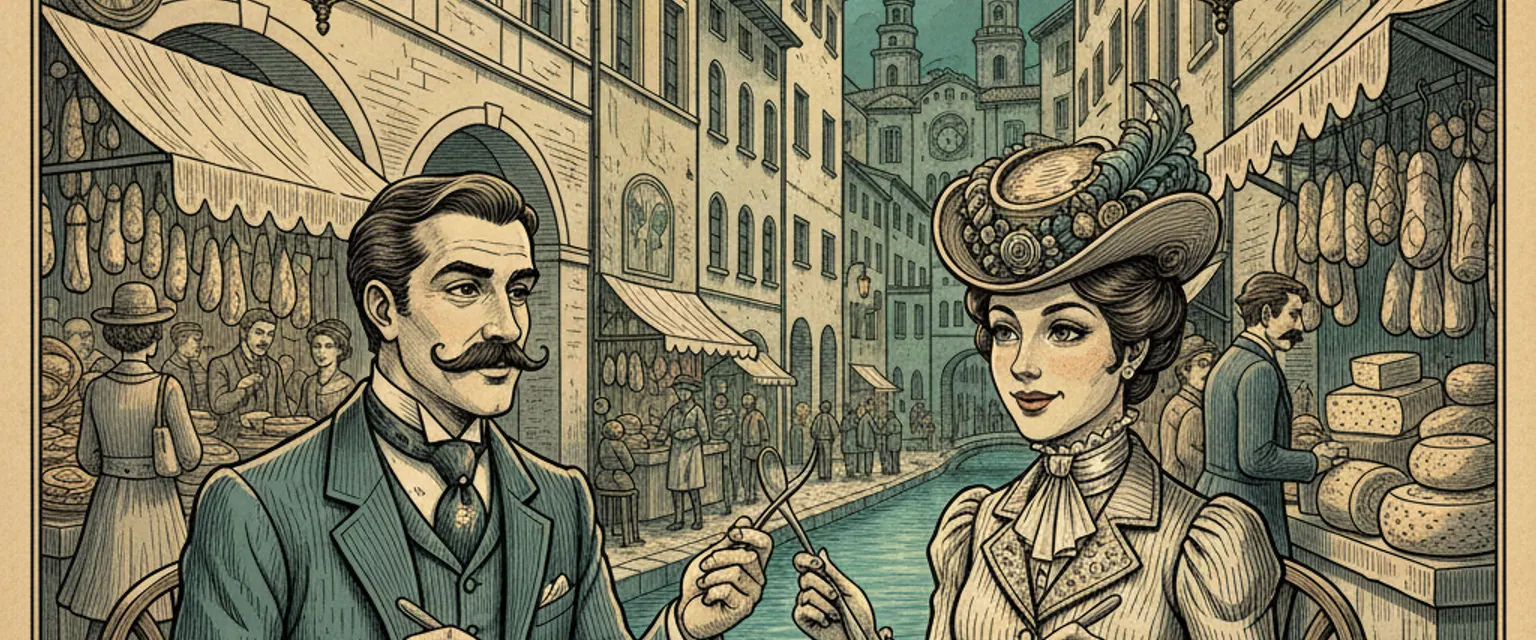
Just off Piazza Maggiore, behind the basilica, there’s a tangle of narrow medieval lanes called the Quadrilatero. This was the old market quarter and it still is one, sort of — part working food market, part aperitivo theatre. Streets like Via Pescherie Vecchie and Via Drapperie are lined with shops where mortadella hangs in the window like a celebration and the tortellini are made by hand in the back.
Come here first, on day one, and just walk it. Buy nothing for the first lap. Then on the second lap, buy a paper cone of fried things, or a hunk of mortadella from a deli counter, and eat it standing up in the lane like a local. Around 6 or 7pm the whole quarter turns into an open-air aperitivo where everyone spills out with a glass of Pignoletto. It’s chaos. It’s wonderful.
Tortellini in brodo, and why it’s the real king
Here’s the thing nobody tells you. Bologna’s true signature isn’t the meat sauce. It’s tortellini in brodo — those tiny, fiddly, navel-shaped parcels of stuffed pasta, served floating in a clear capon broth. It sounds humble. It’s not. Done right it’s one of the great dishes of Italy, and there are families in this city who’d come to blows over the correct filling ratio.
Eat it in winter especially, when the broth makes sense. The little family trattorias around Via Marsala and Via Augusto Righi do it best. And yes, you order the brodo version even though it looks like soup and you came for pasta. Trust me.
The trattorias worth the wait
You’ll want at least one proper sit-down ragù dinner. The classic old-school trattorias near the university quarter are the move — fresh tagliatelle, a tortelloni or two stuffed with ricotta and herbs, a bottle of the local Sangiovese. Most of these places have maybe fifteen tables and they fill up, so call or walk in to book a day ahead. Don’t rely on just turning up at 9pm and hoping. I did that once and ate a very sad panino instead, and i still think about the dinner i missed.
Budget-wise, you can eat like royalty here for not much. A plate of tagliatelle al ragù in a good trattoria runs maybe 10-13 euros. A full antipasto-pasta-wine dinner, 30-40 a head. Bologna is gloriously un-fancy about its food, which is exactly why it’s so good.

Don’t leave without
A few non-negotiables. Crescentine (or tigelle) — little griddle-warm bread discs you split and stuff with cured meats and squacquerone, a soft, almost spreadable local cheese. Get them with a board of salumi. Then there’s the fried dough, gnocco fritto, puffed up like a pillow and served hot. And if you’ve got room, which you won’t, a slice of torta di riso to finish.
For ingredients to take home: walk into any alimentari in the Quadrilatero and buy vacuum-sealed mortadella and a wedge of real Parmigiano-Reggiano (you’re in its home region — the actual parm comes from the countryside just outside the city). Worlds better and cheaper than anything at the airport.
How to pace three days
Day one, the Quadrilatero and an aperitivo crawl. Day two, a proper tortellini-in-brodo lunch and a ragù dinner with the trousers warning fully in effect. Day three, market shopping, crescentine for lunch, and a long espresso standing at a bar (sit down and you pay double, every time, it’s the rule).
And walk. Bologna has 40-odd kilometres of porticoes — covered arcades — so you can stroll between meals in the shade or the rain, which is convenient because between meals is the only time you’ll be vertical.
This is a city that organises its entire identity around feeding you. The least you can do is show up hungry and order the right thing.
Skip the bolognese. Order the brodo. And don’t you dare leave without the mortadella.
This article contains affiliate links marked rel="sponsored". We may earn a commission at no extra cost to you.