
[ GUIDE · THE DISPATCH ]
Naples Food Guide: Where to Eat Pizza, Sfogliatella, and Ragù Like a Local
Everyone comes to Naples for the pizza and leaves having only eaten pizza. Big mistake. Here's where to eat the dishes the city actually lives on, from 4 a.m. sfogliatella to Sunday ragù.
If you want to know where to eat in Naples, here is the first thing I’ll tell you, and it’s going to sound rude: stop planning your whole trip around one pizzeria. Naples will give you the best pizza of your life almost by accident. The food that actually runs this city — the stuff people cook on Sundays, the thing they grab at 4 a.m. after a shift — that’s the part most visitors miss entirely. And honestly that’s the good part.
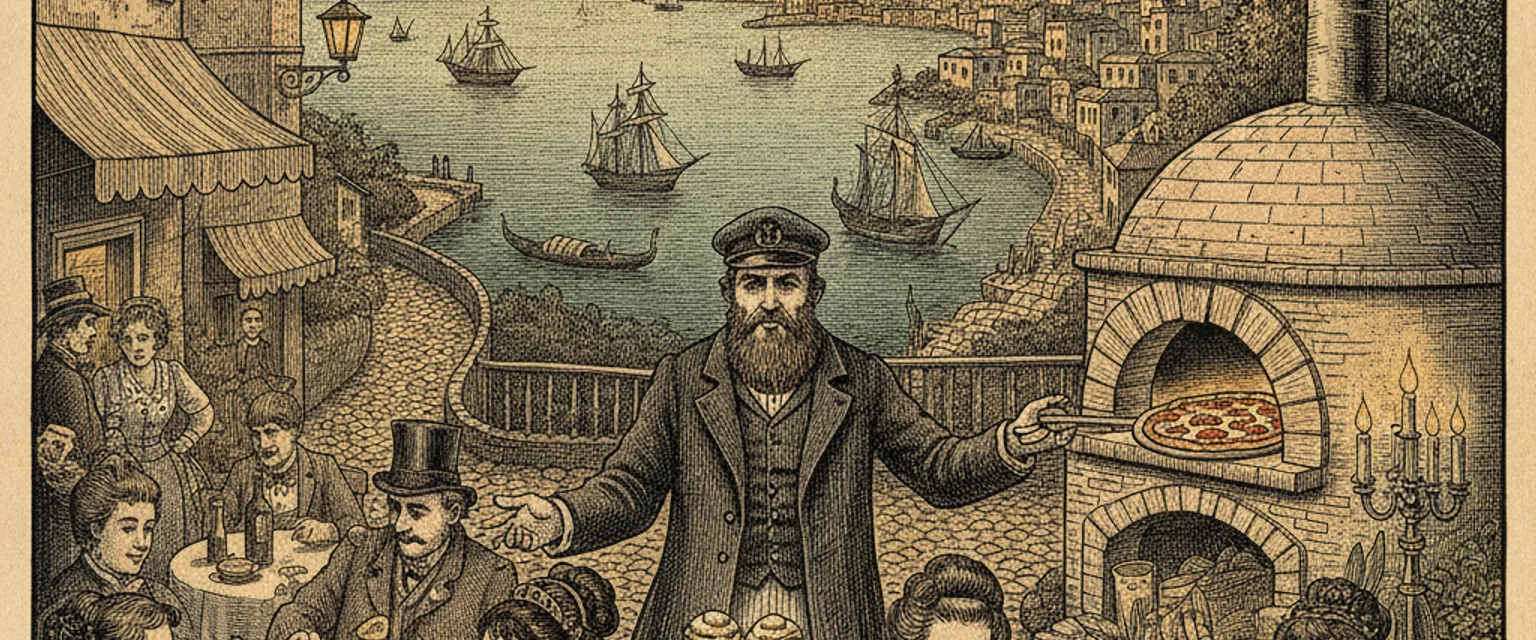
I learned this the hard way. First trip, I queued at L’Antica Pizzeria da Michele for over an hour because a movie told me to. The pizza was great. Genuinely. But the old guy next to me in line, Ciro, watched me write it all down in my phone and just shook his head. “Pizza,” he said, “is what we eat. Ragù is who we are.” Then he sent me to his sister’s place. So. Let’s do this properly.

The pizza (do it right, then move on)
Okay the pizza. You came for it, I’m not a monster.
Da Michele is fine and it’s cheap (a margherita is still absurdly under-priced) but the wait is the wait. If you want pizza that’ll genuinely ruin you for all other pizza, get yourself up to Concettina ai Tre Santi in the Sanità. Ciro Oliva runs it and the man is doing things with fermentation and local ingredients that border on showing off — in the best way. The fried pizza starter alone is worth the cab.
Out west, Pizzeria La Notizia on Via Caravaggio (Enzo Coccia’s place) is the quieter genius option. Less Instagram, more flour-under-the-fingernails seriousness.
Breakfast is a pastry and it’s non-negotiable
The sfogliatella. There are two kinds and people will die on this hill. The riccia is the crunchy, shell-shaped, flaky one — a hundred shattering layers. The frolla is the soft shortcrust version, easier, less drama. Get the riccia. Get it warm.
Attanasio is tucked in a little side street near Napoli Centrale (Vico Ferrovia, you’ll smell it before you see it) and they pump these things out hot from like 6:30 in the morning. Eat one standing up, burn the roof of your mouth slightly, regret nothing. A coffee and a sfogliatella will run you under €3 and it is, no exaggeration, one of the great cheap breakfasts on earth.
And the the coffee — yes I left that typo, it felt right — the coffee is short, strong, already sugared unless you say otherwise. Drink it at the bar standing up. Sitting down doubles the price for no reason anyone can explain.

The stuff Naples actually eats
Here’s where it gets good. The dishes nobody puts on a postcard.
Cuoppo fritto — a paper cone of fried everything. Crocchè (potato croquettes), arancini, panzarotti, little fried zucchini flowers. You get it from a hole in the wall, you eat it on the street, your fingers get greasy. Friggitoria Vomero does a great one, and there are tiny fry shops all through the Pignasecca market that’ll sell you a cone for a few euro. This is lunch. This is perfect.
Pasta e patate sounds like nothing — pasta and potatoes? — but the Neapolitan version, thick, almost a soup, sometimes with a rind of provola melted into it, is the kind of dish that explains a whole culture’s relationship to making poverty taste like a celebration. You won’t find this in the flashy spots. Look for a trattoria with no English menu and ten tables.
Genovese is the one that confuses people. Despite the name it’s pure Naples: beef and a frankly insane quantity of onions cooked down for hours into a sweet, dark, almost jammy sauce over ziti. Order it at Tandem if you want a sure thing in the centre, though Tandem is more known for the ragù.
Sunday is ragù and ragù is sacred
Right. The thing Ciro was on about. Neapolitan ragù — o’ rraù — is not the meat sauce you think you know. It’s tough cuts of meat (sausage, pork, sometimes braciole rolls) simmered in tomato for six, seven, eight hours until the meat gives up and the sauce turns dark and silky. The pasta gets dressed in the sauce; the meat comes as a second course. Families argue about whose nonna’s is best and the arguments are not friendly.
Tandem in the centro storico has built its whole identity on ragù and it’s genuinely good, if a touch geared to visitors now. For the real thing find a Sunday lunch trattoria in the Sanità. Eduardo De Filippo wrote a whole monologue about ragù. That’s the level of seriousness we’re dealing with.

A loose plan for a day of eating
Start early. Sfogliatella riccia at Attanasio, coffee at the bar. Mid-morning, wander the Pignasecca market and graze — a cuoppo, a slice of folded pizza. Big lunch somewhere with no English menu: pasta e patate or genovese, a half-litre of the house red that costs less than a bottle of water at the airport. Nap. Then evening pizza at Concettina if you booked, or just walk into the first place with a real queue of Neapolitans (not tourists — learn the difference, it’s everything).
Will you eat too much? Obviously. Will you feel slightly ill on day three? Probably. Worth it? You already know.
Go hungry, ignore the famous queue, and let an old man named Ciro point you somewhere better — that’s the only Naples food rule that’s ever mattered.
This article contains affiliate links marked rel="sponsored". We may earn a commission at no extra cost to you.