
[ ITINERARY · THE DISPATCH ]
Three Days in Bologna: The City Where Carbs Are a Love Language
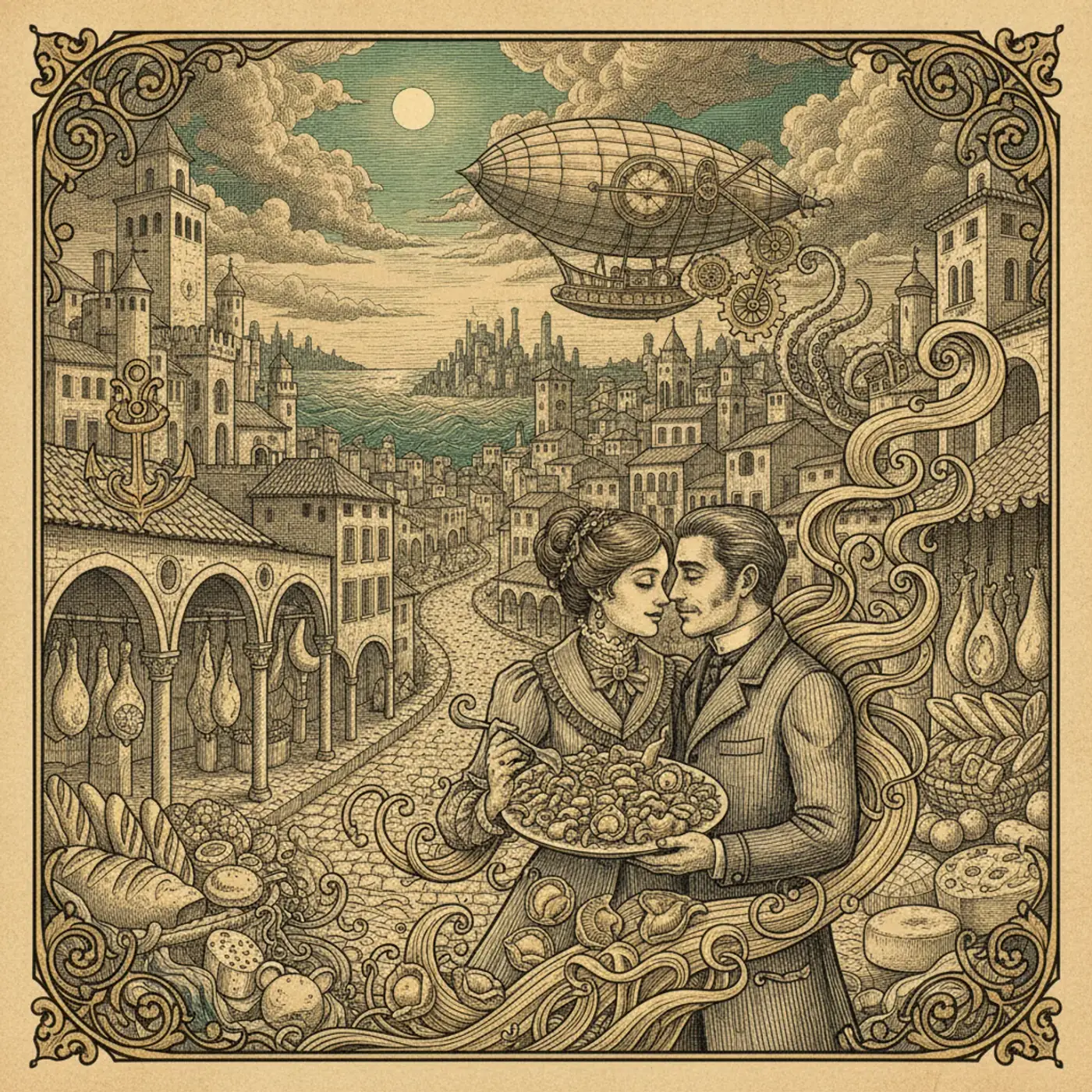
Bologna is the city that looks you dead in the eye, hands you a bowl of handmade tagliatelle al ragù, and dares you to argue that anywhere else does it better. Spoiler: you cannot argue.
My first morning in Bologna, I made the classic tourist mistake of ordering a cappuccino after 11am. The barista at the tiny café under the porticoes on Via dell’Indipendenza said nothing — just handed it over with an expression that managed to communicate both warmth and profound pity. I drank it. I ordered another. I was never corrected again. By lunchtime, I’d had tagliatelle al ragù at a place with no menu, picked by pointing at a neighbour’s bowl, and I understood, at a cellular level, why Italians get upset about this dish being called “bolognese spaghetti” anywhere north of the Alps.
Bologna will ruin you pleasantly. Three days is enough to understand that, and just barely not enough to leave.
Day 1: The Red City on Foot
Start at Piazza Maggiore, Bologna’s vast main square, which functions as living room, political soapbox, and outdoor cinema all at once. The Basilica di San Petronio dominates the western side — it’s the fifth-largest church in the world and conspicuously unfinished on its right flank, a reminder that ambition and funding rarely align.
From there, walk east to the Due Torri: the two medieval towers that have been slowly leaning since the 12th century. Climb the taller one, Torre degli Asinelli (498 steps, worth every one), for the pan-terracotta rooftop view that makes every single photo from Bologna look like a Renaissance painting.
Afternoon: drift through the Quadrilatero, the ancient market district east of Piazza Maggiore. This is where the food shops are so beautiful they function as galleries. Buy mortadella. Eat it standing up in the street. Buy more.
Dinner on Day 1 should be tagliatelle al ragù at Trattoria Anna Maria on Via Belle Arti — cash only, no frills, completely correct.
Day 2: Markets, Making Pasta, and the Porticoes at Dusk
| Morning | Afternoon | Evening | |
|---|---|---|---|
| Day 1 | Piazza Maggiore + Towers | Quadrilatero market | Trattoria dinner |
| Day 2 | Mercato di Mezzo | Pasta-making class | Porticoes at golden hour |
| Day 3 | Pinacoteca Nazionale | Cooking at leisure | Aperitivo bar-hop |
Mercato di Mezzo opens early and the food stalls hit their stride by 9am. This is the city’s covered market-meets-food-hall hybrid — you can eat a breakfast of tigelle (small flatbreads stuffed with lardo and honey) while standing between a cheese counter and a wine bar without anyone thinking anything of it.
Book a pasta-making class for the late morning. Several good ones operate out of private kitchens in the centro — look for ones where an actual Bolognese grandmother is involved. You will learn that sfoglia (the rolled pasta sheet) requires a wooden rolling pin longer than your arm, serious wrist strength, and an attitude of total commitment. You will make tortellini. They will not be perfect. You will eat them anyway and they will be the best thing you’ve had all week.
In the early evening, walk the Portico di San Luca: 666 arches climbing the hillside to the Sanctuary of the Madonna di San Luca. You don’t have to make it to the top. The walk itself is the thing.

Day 3: Art, Ragù From Scratch, and a Long Goodbye
The Pinacoteca Nazionale di Bologna is genuinely excellent and almost always uncrowded. Raphael’s Santa Cecilia is here, along with a superb collection of Bolognese Baroque — a school that, once you see it, you start seeing everywhere.
By midday, make your way back to the Quadrilatero for a final round of buying things. Canned San Marzano tomatoes. Aged Parmigiano-Reggiano (not the supermarket kind — the 36-month stuff from a proper shop). Tagliatelle nests in a paper bag. A bottle of Sangiovese for the flight home.
Aperitivo in Bologna operates on the rule that the drink comes with a small plate of food automatically — a survival mechanism for people who’ve been eating since 7am. Bar Campari in the student district and several bars along Via del Pratello do this well. Order a Spritz. Eat whatever arrives. Repeat once.
Can I do bolognese in Bologna? You should not call it bolognese. You should call it ragù. Yes, you can eat it every single day.
How much should I budget per day? €60–80/day covers accommodation (budget-mid), a sit-down lunch, materials for snacking, and two aperitivi. Fine dining bumps this to €120.
Is Bologna worth it without a food focus? Technically yes — the university culture, art, and architecture are legitimately great. But if food doesn’t interest you, you’re leaving the best 70% of the city unexperienced.
This article contains affiliate links marked rel="sponsored". We may earn a commission at no extra cost to you.