
[ DISCOVERY · THE DISPATCH ]
Travel Insurance Is the One Thing I Used to Skip and Now I Never Will
For a decade I treated travel insurance as a scam tax on the anxious. Then 2026 happened. Here's why a lifelong skeptic now thinks 'is travel insurance worth it in 2026' has quietly become a stupid question.
Is travel insurance worth it in 2026? I spent ten years loudly answering “no” to that question, and I was wrong, and I’m here to eat it. This is the most uncomfortable kind of article to write — the one where you admit the smug younger version of you was an idiot. So let’s get into it.
For a decade I treated travel insurance as a tax on the anxious. A little box at checkout, a few quid, sold by an industry that profits when nothing goes wrong — which, I reasoned, is most of the time. And for ten years, I was right! I skipped it on dozens of trips and never lost a penny. I’d tell people, with the insufferable confidence of someone who’s only ever been lucky, that they were wasting their money. The house always wins, I’d say. Don’t pay the house.
Here’s what I’d missed: I wasn’t beating the odds. I was just early in a coin-flip that hadn’t come up tails yet.

The year it came up tails. Twice.
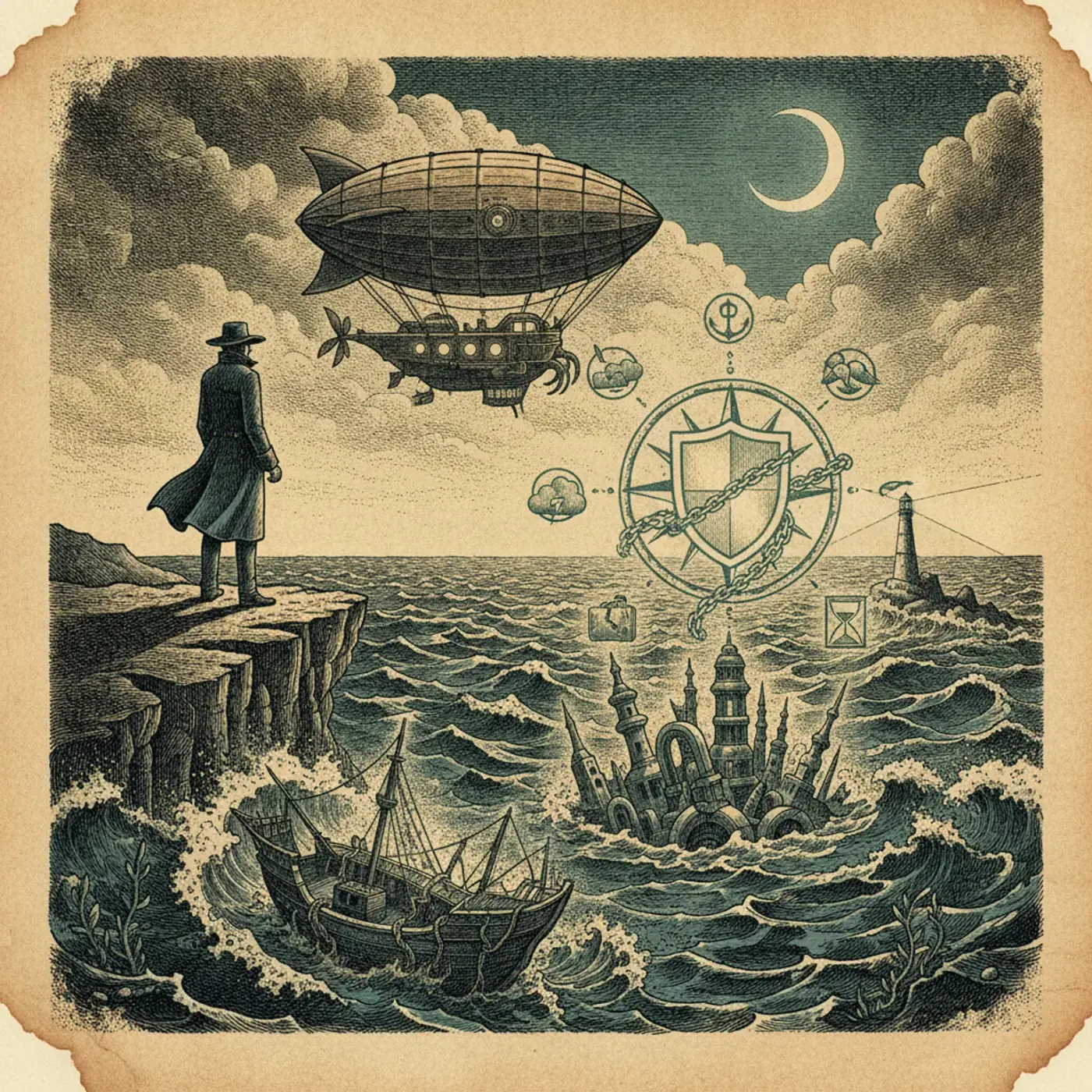
2026 got me. First a trip I’d built around non-refundable flights and a non-refundable lodge got vaporised when wildfires shut the whole region down a week before departure. Not my fault, not the airline’s fault, nobody’s fault — and nobody’s refund, either. Couple thousand, gone, because “act of God” and “non-refundable” are a brutal combination and the airline’s goodwill voucher didn’t cover the lodge.
Then, on a different trip, a relative I was travelling with had a medical thing abroad — nothing tragic in the end, but a hospital visit, tests, the works, in a country where you pay up front. The bill made my eyes water. We were lucky it stayed in the “expensive” column and not the “medical evacuation flight home” column, which is where it gets genuinely ruinous — those can run into five figures, fast.
Two events, one year. Together they cost more than every insurance premium I’d smugly skipped over the previous decade. The math I’d been so proud of turned out to be the math of a man who simply hadn’t been unlucky yet. And that’s the thing about self-insuring — it works perfectly right up until the one time it catastrophically doesn’t.

What actually changed (it’s not just me getting older)
Here’s my real argument, beyond personal embarrassment. The base rate of trip-wrecking disruption has gone up, and 2026 is where it became undeniable.
The climate stuff isn’t abstract anymore — it’s on the departure board. Wildfire seasons that close regions. Storms strong enough to ground flights for days. Heat events shutting attractions. Flooding rerouting whole itineraries. These used to be the rare freak that justified the smug skeptic’s gamble. Now they’re a normal feature of a normal travel year, and they hit exactly the thing that hurts most: the non-refundable bookings you made months ago.
And travel’s gotten more front-loaded and non-refundable, too. The cheap flights are the non-changeable ones. The good lodge rates are the non-cancellable ones. We’re all locking in more money, earlier, on trips that the weather is now more likely to cancel. That’s the squeeze. The exposure went up and the disruption went up at the same time, and somewhere in there my decade-old “it’s a scam” position quietly stopped being true.
I didn’t change my mind because I got soft. I changed it because the odds changed and I finally noticed.
Where I still think the skeptics are half-right
Let me keep some self-respect: a lot of travel insurance genuinely is junk. The auto-ticked box at airline checkout? Often near-useless, riddled with exclusions, priced for convenience not coverage. The skeptic’s instinct that “they make money when nothing goes wrong” is correct — it’s just that the rare wrong thing now costs enough, and happens often enough, to flip the expected value.
So the reversal isn’t “buy any insurance.” It’s “buy good insurance, properly, and read it.” Bad insurance really is a waste. Good insurance is the difference between an annoying year and a financially devastating one.
What I actually look for now
Two things matter more than everything else, and they’re the two the cheap policies skimp on.
Real medical and evacuation cover. This is the one that bankrupts people. A broken leg in a country with private healthcare, or an air ambulance home, is the genuinely catastrophic scenario — five and six figures. I want a policy with a high medical limit and explicit emergency evacuation. Everything else is secondary to this. This alone is worth the premium.
Cancellation and interruption that’s broad, not theatrical. I read the covered reasons. The good ones cover weather, illness, natural disaster, a carrier ceasing operations. The bad ones cover almost nothing once you read the fine print. “Cancel for any reason” upgrades exist and cost more, but in the climate-disruption era I now think they’re worth a serious look for an expensive, non-refundable trip.
Then I read the exclusions. Out loud, almost. Pre-existing conditions, “adventure activities” (that scuba day might void you), alcohol-related claims, the lot. The exclusions are where the policy actually lives. A cheap premium with a wall of exclusions is the scam I used to rant about; it’s just that the answer was never “skip insurance,” it was “skip that insurance.”
So, the honest verdict
If you’d told me five years ago I’d be writing the pro-insurance article, I’d have laughed. But here we are. The world that made skipping insurance a defensible bet — stable weather, refundable bookings, rare disruption — isn’t the world we’re travelling in anymore. 2026 made that plain, and it made it plain to me personally with a couple thousand quid and a hospital bill.
I’m not telling you to be scared. I’m telling you the gamble I won for a decade got worse odds, quietly, while I wasn’t paying attention. And for one decent annual policy, I don’t have to keep flipping that coin.
I was the smuggest insurance skeptic you ever met, and one bad year converted me completely — buy the good policy, read the exclusions, and never bet your savings on the weather staying boring.
This article contains affiliate links marked rel="sponsored". We may earn a commission at no extra cost to you.