
[ DISCOVERY · THE DISPATCH ]
The Death of the Carry-On Hack: Airlines Caught On and Now It Costs More
For years the move was: book the cheapest fare, pack everything into a 'personal item,' beat the system. In 2026 the airlines finally caught on and re-priced cabin bags. Here's what the carry-on fee changes mean for being clever now.
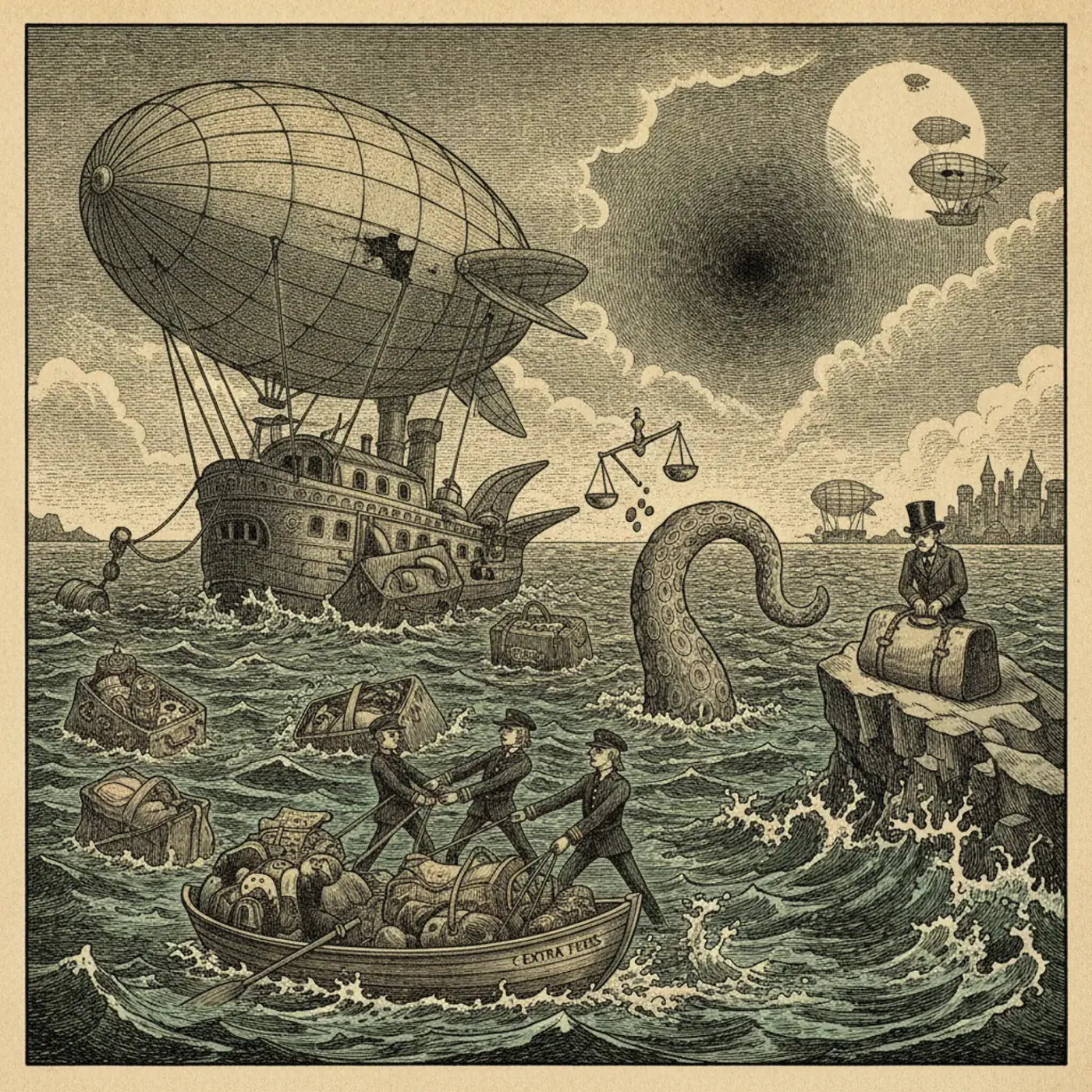
The carry-on fee changes of 2026 quietly killed one of the most beloved travel hacks of the last decade, and almost nobody noticed until they were standing at a gate watching a metal sizer turn their clever plan into a forty-euro surprise. So let’s hold a small funeral for the personal-item arbitrage, because it had a good run, and then talk about what works now.
I rode that hack hard for years. You know the one. Book the rock-bottom fare with no bag included, then pack your entire life into a “personal item” — a backpack engineered to look small and swallow a week’s worth of clothes. Beat the system. Pay nothing. Smug little nod to yourself at boarding while everyone else queued to pay for luggage. I had it down to an art. I owned the exact backpack the forums recommended. I was insufferable about it.
And then the airlines, who are not stupid and who employ entire departments to study exactly this, caught on.

How the hack actually worked (and why it was always doomed)
The whole thing rested on a quirk: the cheapest fares included one free “personal item” that had to fit under the seat, and for years that allowance was generous and loosely enforced. A 40-litre backpack that technically broke the dimensions but never got measured? Free ride. The gap between the printed rule and the actual enforcement was the hack. That gap was the money.
But a gap that costs an airline revenue is a gap an airline will close. It was only ever a matter of time. The free-ish cabin bag was leaving money on the table, the budget carriers’ entire model is unbundling every possible thing into a fee, and a viral hack that millions of people are openly bragging about online is basically a memo to the airline’s pricing team. We told on ourselves. Loudly. For years.
What changed in 2026
Two things, mainly, and they’re brutal in combination.
First, enforcement got real. The sizer at the gate stopped being decorative. More gates now actually make you place your bag in the metal cage, and if it doesn’t fit, you pay a gate fee — which is always the most expensive way to pay, deliberately so. The “they never check” assumption that the whole hack depended on stopped being safe. Once enforcement is reliable, an oversized “personal item” isn’t a hack, it’s a gamble with bad odds.
Second, and bigger: the overhead carry-on got separated out and priced. The thing that used to come included on many fares — a proper cabin bag in the overhead bin — increasingly costs extra now, sometimes a lot extra, and varies wildly by route and how late you add it. The unbundling that started with checked bags marched right up into the cabin. So the “free bag” a lot of people planned their whole trip around may simply not be free on the fare they’re looking at anymore.
Put those together and the personal-item move gets squeezed from both sides: your underseat bag is now actually measured, and upgrading to the overhead bag now costs real money. The clever path got narrow and expensive.

The cruel irony of being clever
Here’s what gets me. The hack didn’t just stop working — in a lot of cases it made the headline fares worse for everyone. When millions of people optimised hard for the no-bag fare, airlines responded by pricing the bag you actually need as a separate, often pricey, add-on. The base fare looks cheaper than ever (great clickbait number), and then the bag, the seat, the priority you need to not be last to the shrinking overhead space — it all gets bolted on after. The “clever” behaviour trained the airlines to make the real, all-in price harder to see, not lower.
So the people still chasing the old hack are often the ones getting got — booking the seductive low fare, assuming the old free-bag rules, and discovering at the gate that being clever now has a surcharge. The arbitrage closed and the trap stayed open.
What actually works now: honest math
The new “hack,” if you can call it that, is depressingly simple and it’s just refusing to be fooled by the headline number. Price the fare with the bag you will genuinely bring. All in. Then compare.
When you do that, the rankings scramble. The low-cost carrier with the irresistible base fare plus a now-pricey cabin bag often lands above a legacy carrier whose slightly higher fare quietly includes a proper carry-on. The cheapest sticker price is, more than ever, a fiction — a teaser designed to win the search-results sort before the fees reattach. Add the bag first, then sort. Every time.
And genuinely consider packing for the underseat bag honestly — not stuffing an oversized one and praying, but actually travelling light enough that a truly compliant small bag is all you need. That’s the one version of the hack that still works, because it’s not exploiting a loophole, it’s just owning less stuff. Roll, don’t fold; wear the bulky things on the plane; do laundry mid-trip. Real minimalism dodges the fee in a way the airlines can’t re-price, because there’s no rule to tighten when your bag genuinely fits.

So is the carry-on hack dead?
The version built on loose enforcement and a free overhead bag? Yeah. It’s gone. 2026 was the year the sizer got teeth and the cabin bag got a price tag, and the smug-backpack-at-the-gate era ended with it.
But the spirit of it — pay for what you need and nothing more — survives, it just demands honesty now instead of cleverness. Know the real dimensions. Price the true all-in fare. Pack light enough that you’re not exploiting a loophole, you simply don’t need the bag. That’s not as fun as beating the system. It works better, though, and nobody can re-price it on you next year.
The clever hack is dead; the boring discipline of packing light and pricing the real fare is what’s left — and honestly, it was always the better move, I just didn’t want to admit it.
This article contains affiliate links marked rel="sponsored". We may earn a commission at no extra cost to you.