
[ GUIDE · THE DISPATCH ]
The Slow Train Through Scotland: A Practical Guide to the West Highland Line
The West Highland Line isn't just a way to get somewhere — it's the destination. Here's everything you need to plan the most scenic train ride in Britain without the rookie mistakes.
For the full day-by-day version of everything below, read the our full Glasgow itinerary, with maps.
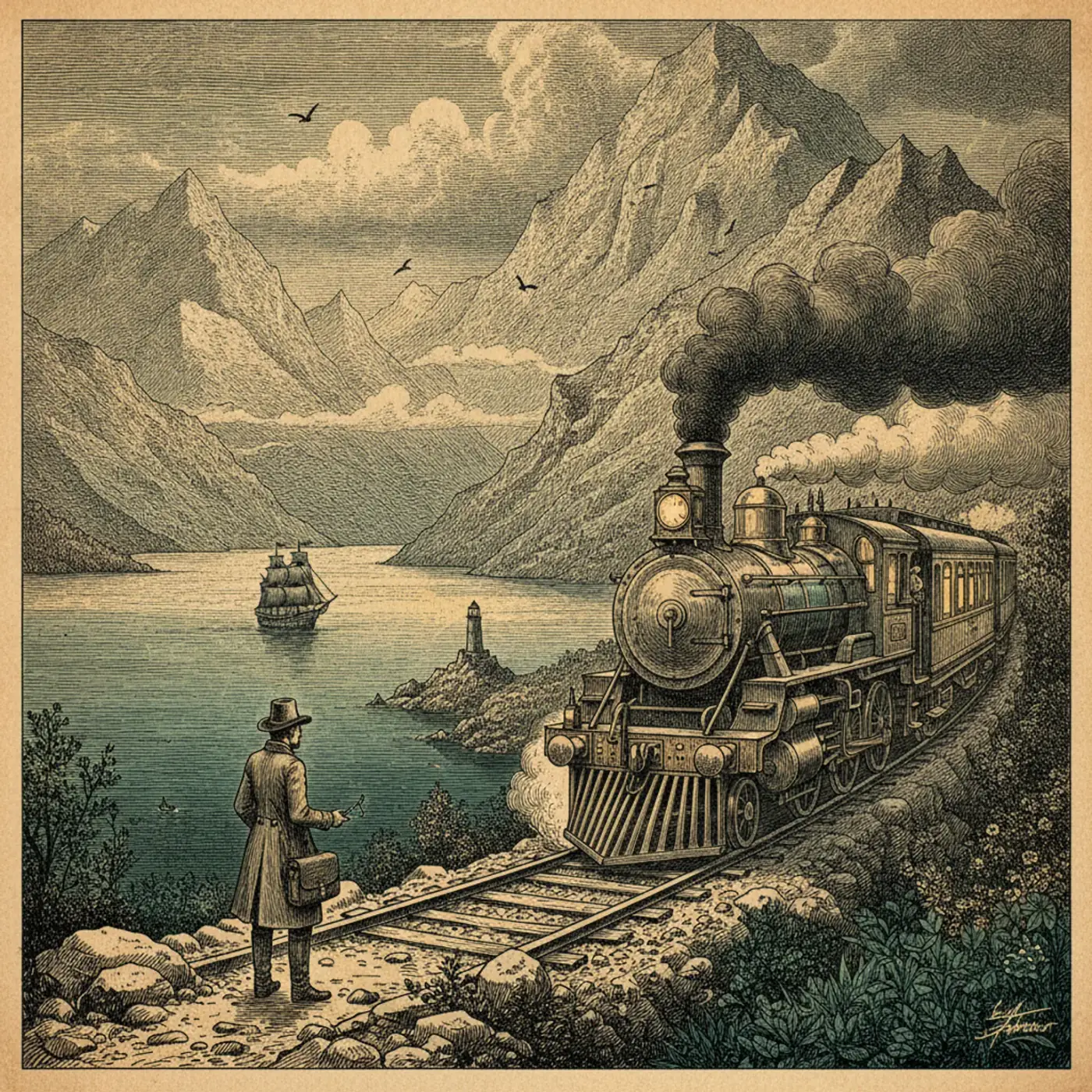
I almost missed the point entirely. My first time on the West Highland Line, I treated it like a commute — Glasgow to Fort William, head down, snacks unwrapped, podcast on. I looked up somewhere near Bridge of Orchy and thought: why is nobody talking about this?
Now I’ve ridden it four times. I’ve gotten off at Rannoch in the rain and eaten a packed lunch on a platform so remote it felt like the edge of the world. I’ve booked the dining car on the Jacobite steam train and felt absurdly pleased with myself. I’ve also made all the mistakes so you don’t have to.
This is the guide I wish existed when I first typed “west highland line train guide scotland” into a browser.
What the West Highland Line Actually Is
It’s a 164-mile single-track railway running from Glasgow Queen Street north through Helensburgh, Garelochhead, Arrochar, and Crianlarich — then splitting. One branch heads west to Oban; the main line pushes north through the desolate, spectacular Rannoch Moor before arriving at Fort William. From Fort William, a separate but connecting line extends to Mallaig on the west coast, crossing the famous Glenfinnan Viaduct.
The whole Glasgow-to-Mallaig journey takes roughly 5 hours 20 minutes if you make the connection at Fort William. It is, by essentially every measure, the most scenic railway journey in Britain — and arguably in Europe.
It’s operated by ScotRail, which means it’s a regular commuter/intercity service running multiple times daily. No special ticket required. No steam locomotive necessary (though you can add that, more on it below).

Glasgow as Your Base
If you’re planning this trip, Glasgow is where it starts — logistically and culturally. Glasgow Queen Street station is the departure point, and the city is well worth 2–3 days of your time before or after the line. I’ve put together a full Glasgow travel itinerary that pairs well with this trip, covering neighborhoods, food, and where to stay without blowing your budget.
There’s also a broader European rail and slow-travel context worth reading if this Scotland trip is part of a longer continent-hopping plan — the 2026 InterRail passes have gotten surprisingly good again.

The Seats That Actually Matter
This is the single most important practical detail and somehow the least-discussed one online.
Sit on the right side heading north (Glasgow to Fort William/Mallaig). That puts you on the east-facing side through Loch Lomond, which gets you the loch views in the first hour. After Crianlarich, the line swings north and the views become more symmetrical, but the right side still wins at Rannoch Moor.
Book early. ScotRail opens reservations around 12 weeks out. Advance singles Glasgow-Fort William run around £19-£28 if you book ahead; walk-up anytime returns can hit £50+. The train isn’t always rammed, but specific window seats in specific carriages go fast on summer weekends.
Do not book a seat in the rear-facing direction if you’re prone to motion sickness on single-track lines with lots of curve. I learned this the hard way near Arrochar.
The Stops Worth Getting Off At
Most guides tell you to just ride it end-to-end. That’s fine. But this is a slow travel destination, not a transfer.
Arrochar and Tarbet — Loch Lomond’s northern shore. A few pubs, the dramatic entry to Loch Long, and genuinely good walking. 90 minutes from Glasgow.
Crianlarich — junction village, small, functional, surprisingly charming. The tea room at the station is not a myth. Good base if you want to walk Strath Fillan without the crowds.
Tyndrum — famous for the Green Welly Stop, which sounds naff but is actually a decent pit stop for outdoor gear if you’re walking anything. The village has a cluster of surprisingly good food options for somewhere this small.
Rannoch Station — this is the one. It sits alone on the moor with no road access except one single-track lane from the east. The station tearoom serves soup. There is nothing else for miles. It is extraordinary. Stay overnight at Rannoch Station House if you want to feel genuinely off-grid.
Corrour — even more remote than Rannoch. No road access at all. The Corrour Station House restaurant is excellent and weirdly famous. You have to arrive by train or on foot. Worth it as a day trip if you’re staying at Rannoch.
Fort William — gateway to Ben Nevis, the Nevis Range, and Glen Coe. At least a full day; ideally two nights.
Glenfinnan — not technically on the main line, but on the Mallaig extension. The Glenfinnan Viaduct is the Harry Potter bridge; yes, it’s worth it, no, you’re not too cool for it.
The Jacobite Question
The Jacobite Steam Train runs Fort William to Mallaig and back, May to October. It crosses the Glenfinnan Viaduct at a speed that lets you actually look at it rather than blur-photograph it. It’s operated by West Coast Railways, not ScotRail, so it needs a separate booking.
Tickets run around £45 for a standard open return. The dining car is a premium add-on and costs more but is genuinely one of those “I’m glad I did that” experiences. Book months ahead for summer — this is not an exaggeration.
Is it touristy? Absolutely. Is it worth it? Yes, especially if you’re doing the trip once and want the full experience.
If you miss it or the season’s over, the regular ScotRail service to Mallaig still crosses the viaduct. It’s slower than the Jacobite and the windows are regular train windows, but it’s free with your rail pass and definately still produces the picture you’re hoping for.
Practical Timing and How Long to Allow
The biggest mistake people make: treating this as a day trip from Glasgow.
You can do Glasgow-Fort William return in a day. The first train up arrives in Fort William around 12:45; you’d have to catch the 16:00 back to make it to Glasgow by evening. That’s two hours in Fort William. It’s not nothing, but it’s also not enough.
My honest recommendation: Glasgow night one, train north on day two, at least one overnight somewhere on the line (Rannoch or Fort William), return on day three or four. That’s how you actually absorb it.
A Note on Solo Travel and Safety
The West Highland Line is one of the safest and most solo-traveler-friendly journeys in Britain. That said, if you’re getting off at remote stops like Rannoch or Corrour, standard hill-walking precautions apply: tell someone your plan, bring layers (weather changes fast), and have an offline map downloaded.
If this resonates and you’re building a longer solo trip, I’d also point you toward some genuinely safe solo female travel destinations for context on how to evaluate destination safety — the framework applies beyond Latin America.
One more practical note: travel insurance on a trip like this is worth having, especially if you’re building connections around the Jacobite or have pre-booked accommodation along the line. I went deep on what travel insurance actually covers in 2026 and the TL;DR is that delay coverage for scenic railways is murkier than it looks.
What This Journey Really Teaches You
There’s a reason the West Highland Line keeps appearing in “slow travel” conversations in 2026. It’s not nostalgia. It’s a corrective.
Most of us travel at a pace that produces photographs and not much else. This line — especially if you get off at Rannoch and just sit with it — forces a different relationship with a place. You’re moving at 40mph through landscape that hasn’t changed in centuries. You’re not consuming it. You’re in it.
If you’re reevaluating what travel actually means to you right now, this is also worth reading alongside the quiet observation that the “digital nomad friendly” city label often obscures more than it reveals — a reminder that the most interesting travel experiences are rarely the most Instagram-legible ones.
The West Highland Line is not Instagram-legible. It’s better than that.
Book the window seat, get off at Rannoch, eat the soup, and stay longer than you planned — this is the journey that makes you remember why you started travelling in the first place.
This article contains affiliate links marked rel="sponsored". We may earn a commission at no extra cost to you.