
[ ITINERARY · THE DISPATCH ]
The 4-Day Luxor Itinerary: Temples, Tombs, and the Nile at Golden Hour
An honest 4 days in Luxor itinerary: Karnak, the Valley of the Kings, a dawn balloon over the West Bank, and a felucca at golden hour. Real prices, scams to dodge, and timing.
Nothing quite prepares you for the scale. You read about it, you’ve seen the photos, and then you stand under the columns at Karnak — each one so fat three people can’t link arms around it, the whole forest of them vanishing up into shadow — and your brain just sort of stalls. That’s the moment this 4 days in Luxor itinerary is built around. The world’s biggest open-air museum, half of an ancient capital on each bank of the Nile, and more pharaonic stone than you can process. It’s a lot. It’s incredible. It’s also hot enough to roast a chicken on the pavement, so pace yourself.
Luxor was Thebes, the seat of power for centuries, and the dead got the West Bank (where the sun sets) while the living got the East. That split still organises everything. Four days lets you do it without melting, doing the heavy temple-and-tomb stuff at the cool ends of the day and hiding from the midday sun like a sensible person.
Day 1: the East Bank — Karnak and Luxor Temple
Go to Karnak first thing, right on opening, before the heat and the cruise groups. It’s vast — not one temple but a sprawling complex built over 2,000 years by successive pharaohs all adding their bit. The Great Hypostyle Hall with its 134 colossal columns is the showstopper; stand in the middle and just let it work on you. Give it two or three hours. Bring water and a hat, there’s not much shade.
Retreat for the midday hours — long lunch, a nap, the pool if your hotel has one. This isn’t laziness, it’s survival; the sun between noon and 4 is brutal.
Then Luxor Temple in the late afternoon, right in the centre of town, walkable. Smaller, more graceful, with the avenue of sphinxes out front (now re-excavated all the way to Karnak). The trick: stay until it’s lit up after dark. The whole thing glows, the columns throw long shadows, and it’s a completely different, almost theatrical place at night. Genuinely the best couple of hours of the day.

Day 2: the West Bank — the Valley of the Kings
Cross to the land of the dead early — heat again, and the tombs get crowded. The Valley of the Kings is where the New Kingdom pharaohs were buried in rock-cut tombs to dodge the grave-robbers (didn’t work, mostly). The standard ticket gets you into three tombs of your choice; the famous ones — Tutankhamun, Seti I, Nefertari over in the Valley of the Queens — cost extra on top.
My honest take: Tut’s tomb is small and the mummy’s a bit underwhelming given the hype, but Seti I (pricey) is the most spectacular painted tomb in Egypt if your budget stretches. For the standard three, ask which are open that day and pick deeper, well-painted ones — the colours on those ceilings, 3,000-plus years old and still vivid, are the real wonder.
Then Hatshepsut’s Temple (Deir el-Bahari), that dramatic terraced thing built into the cliff face — go before it bakes. On the way, the Colossi of Memnon, two giant battered seated statues by the road, are a quick free stop.
Day 3: a dawn balloon and the quiet corners
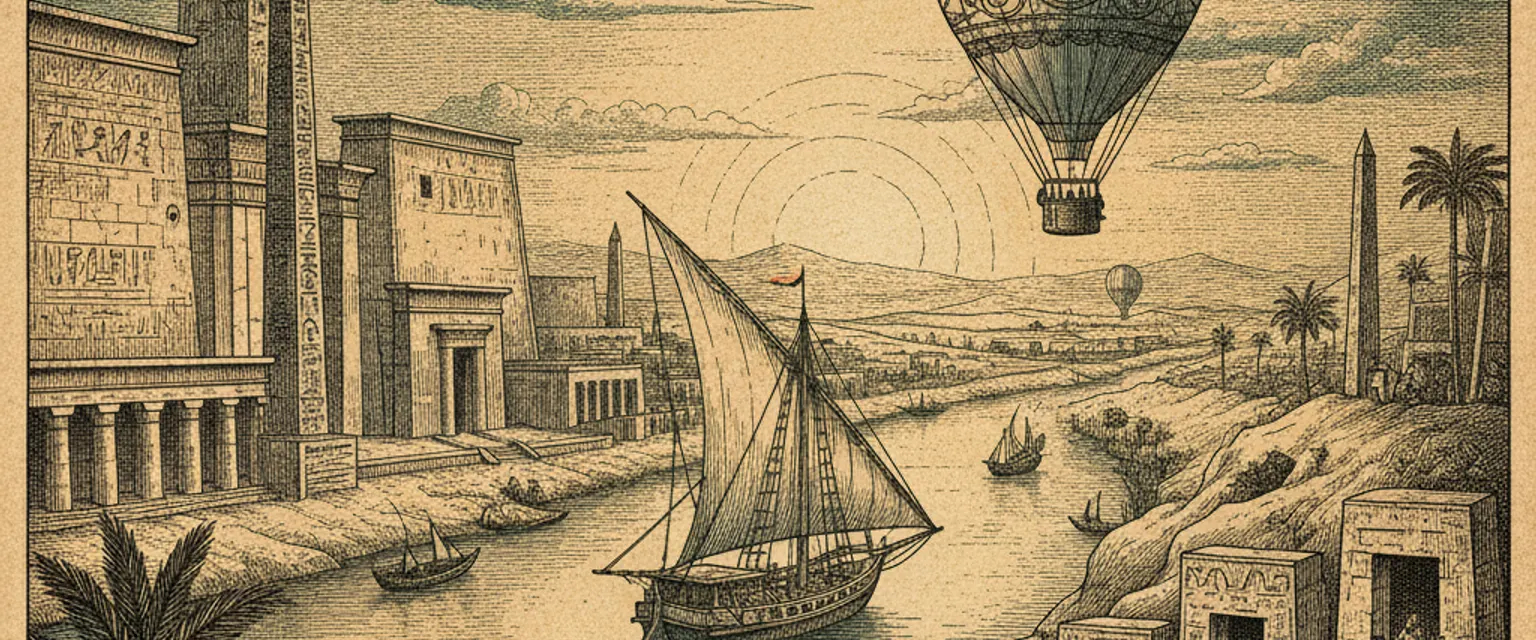
Set a painful alarm for the hot-air balloon over the West Bank at sunrise. Yes it’s touristy, yes it’s worth every dirham — you drift up as the sun comes over the desert, with the Valley, Hatshepsut’s temple, the green Nile strip and the patchwork of fields laid out below in pink light. Around 80 to 120 US dollars depending on season and haggling; book through a reputable operator (check the safety record, this matters). It’s an hour of pure quiet floating and it’s the photo of the trip.
Back on the ground, with the morning still cool, mop up the quieter sites the crowds skip — the Medinet Habu temple of Ramesses III (huge, beautifully preserved, almost empty, and the painted colour still clings to the carvings) and the Ramesseum, with the toppled colossus that inspired the poem “Ozymandias.” Honestly Medinet Habu was my favourite thing in Luxor and barely anyone’s there.
Afternoon off. You’ve earned it.
Day 4: the museum, the souk, and the Nile at golden hour
Slow last day. The Luxor Museum is small, beautifully laid out, blessedly air-conditioned, and far better value than the chaos of Cairo’s — go midday when it’s hot outside. Then wander the souk off Luxor Temple for spices, scarves and alabaster (much of the cheap alabaster is machine-made; the real hand-carved stuff is heavier and the workshops will show you — haggle hard either way, start at a third).
Save the best for last: a felucca on the Nile at golden hour. These are the traditional white-sailed boats, and an hour or two drifting as the sun drops turns the water gold and the West Bank cliffs pink. Agree the price up front (roughly 150 to 250 Egyptian pounds an hour for the boat, not per person — push back if they say per person). No engine, no rush, just the sail and the river that made all of this possible. Perfect ending.
A few honest notes. The heat is the real itinerary-killer — do everything at dawn and dusk, hide midday, drink way more water than feels normal. Dress modestly (covered shoulders and knees) for the sites and the town. Carry small cash everywhere for tickets and tips. And a personal driver or guide for the day is cheap by Western standards and saves enormous hassle versus wrangling taxis in the sun.
Four days and Luxor floored me, repeatedly. It’s hot and it’s hustly and the constant tipping wears you down a touch — but then you’re standing in a 3,000-year-old painted tomb, or floating over the desert at dawn, or watching the Nile turn to gold from a felucca, and none of that matters one bit. There’s nowhere else on earth like it.
Do the temples at dawn and after dark, splurge on the sunrise balloon, find your way to empty Medinet Habu, and end on a felucca at golden hour — that’s Luxor at its absolute best, heat and hassle and all.
This article contains affiliate links marked rel="sponsored". We may earn a commission at no extra cost to you.