
[ ITINERARY · THE DISPATCH ]
The Slow 4-Day Puglia Itinerary: Trulli, Olive Oil, and Refusing to Rush Lunch
I went to Italy's heel to do almost nothing, and I did it beautifully. Four slow days through Puglia where the only deadline is lunch — and lunch runs late, on purpose.
The whole point of 4 days in Puglia is that you stop counting them. This is the heel of Italy, the bit that hangs over the Ionian, and it runs at a pace that made me feel slightly hysterical for the first day and then completely reset me by the last. I came to do almost nothing. I succeeded, and it was the best trip I’d had in years.
Get a small rental from Bari or Brindisi airport. Manual if you can drive one — cheaper, around €30 a day in shoulder season — and small, because the old-town lanes were built for donkeys, not SUVs. This is a road trip. Embrace it.
Day 1: Land in the Itria Valley, find your base
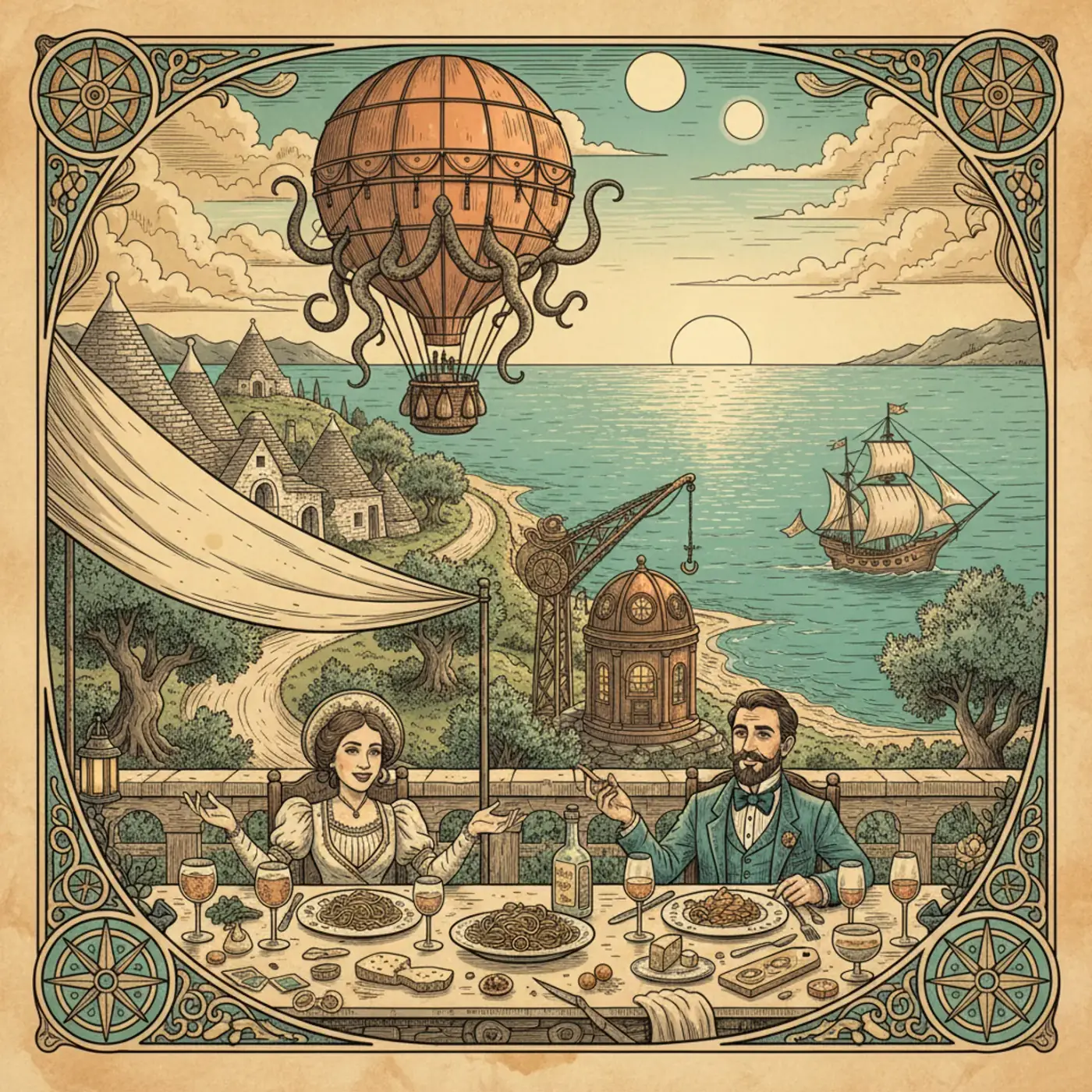
Drive straight to the Itria Valley and just look out the window for a while. The whole landscape is silver-green olive groves and these little cone-roofed stone houses called trulli, dotted across the fields like something a child drew. Some of those olive trees are a thousand years old. You can feel it.
Base yourself in or near Ostuni — the “white city,” stacked up a hill, every wall lime-washed — or in a converted trullo near Alberobello if you want the full fairy-tale. Pick one place and stay all four nights. Changing hotels every night is the enemy of slow. I learned that the hard way on a different trip.
First dinner: don’t overthink it. In Ostuni, find a place up in the old town with locals at the tables and order burrata. Real Puglian burrata, the kind that collapses into cream when you cut it. With a bit of bread and the local olive oil, thats dinner. Maybe some raw red prawns if they have them. Trust me.
Day 2: Alberobello, but early, and then escape it
Alberobello is the trulli town everyone photographs, and yes, it’s UNESCO, and yes, it’s worth seeing. The Rione Monti district is hundreds of these conical houses packed together. Magical. Also? By 11am it’s a coach-tour scrum and half the trulli are souvenir shops selling the same fridge magnets.
So go at 8:30am. Wander the empty lanes, get your photos, have a coffee standing at a bar (€1.20, drink it like an Italian, at the counter), and be gone by ten.
Then drive to Locorotondo, just up the road, which is smaller and whiter and somehow nobody’s there. This is the move all over Puglia: see the famous thing fast, then find its quieter cousin and actually relax in it.
Day 3: Lecce, the baroque show-off
Today you drive south to Lecce, the “Florence of the South,” and it earns the nickname. The whole centre is carved from soft golden limestone — pietra leccese — that the baroque architects went absolutely wild with. Curls and saints and gargoyles everywhere. The Basilica di Santa Croce facade is so over-the-top it’s almost funny.
But here’s the thing. Don’t power-walk a checklist. Get a rustico (a little pastry stuffed with mozzarella, tomato and bechamel) for €2, sit in Piazza Sant’Oronzo, and watch the town. Then have a proper sit-down lunch and order orecchiette with cime di rapa — the little ear-shaped pasta with bitter greens, the signature dish. Have the house wine. Have a nap after. This is allowed. This is the itinerary.
Drive back in the late afternoon light and you’ll understand why people quietly buy ruined trulli to do up.
Day 4: The sea, and the art of stopping
Last day, go to the coast. Polignano a Mare is the famous one — town perched on a cliff over a turquoise cove, and yes it’s pretty, but it’s also packed. If the crowds get to you, drive twenty minutes to a quieter stretch and just swim. The Adriatic in late spring is cold and clear and brilliant.
Long lunch by the water. Crudo (raw seafood), a cold white wine, no rush. And here’s where I’ll tell you the one rule I’d give anyone doing Puglia slow: stop driving by 5pm. Sit somewhere with a glass of something and let the day end. The light goes gold, the swifts come out, and you’ll feel the whole trip land in your chest. Its the best part and it costs nothing.
A word on when to go, because it matters here more than most places. Late spring (May, early June) and September are the sweet spot — warm, the sea swimmable, the crowds thin, the prices sane. July and August are brutal hot and the whole of Italy descends on the coast, so the trulli towns clog up and rooms triple in price. I went in late May and had whole hill towns nearly to myself at lunchtime, which felt like cheating.
And the food, one last time, because it’s the soul of the place. Puglia is “cucina povera” — poor people’s cooking — which means it’s vegetable-led, bread-led, and absurdly good precisely because it had to make a little go a long way. Fava bean purée with wild chicory. Bread that’s a regional treasure (the Altamura loaf has its own protected status). Tomatoes that taste like the actual sun. You will eat better here, for less, than almost anywhere else in Italy. Build your days around finding lunch, not landmarks, and you’ll have understood the place.
Four days, one car, one base, a lot of olive oil. I didn’t see everything. That was the point.
Skip the bucket-list checklist. Drive a little, eat a lot, and let lunch ruin your afternoon plans on purpose. That’s Puglia done right.
This article contains affiliate links marked rel="sponsored". We may earn a commission at no extra cost to you.