
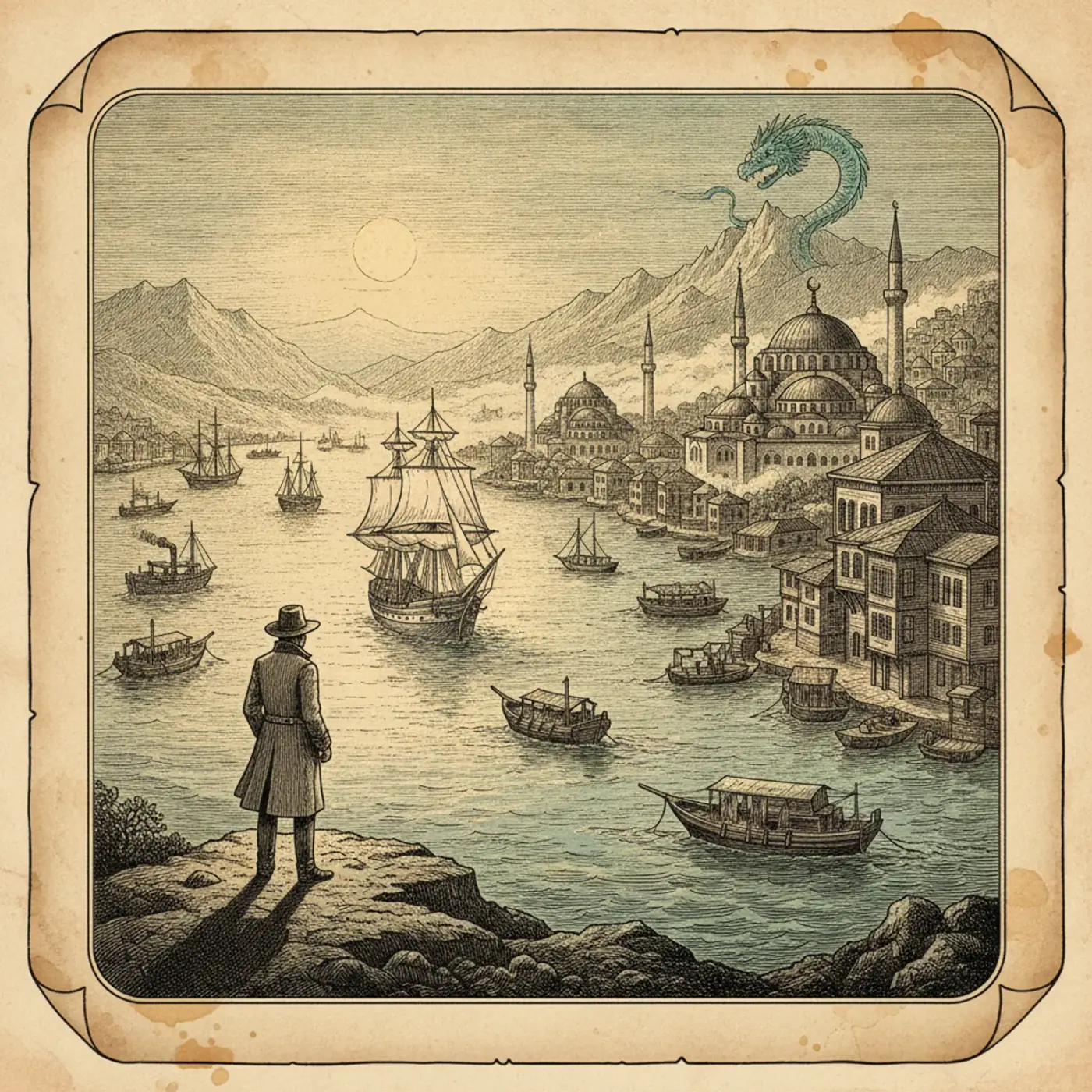
[ GUIDE · THE DISPATCH ]
Istanbul's Asian Side: A Neighborhood-by-Neighborhood Guide for Travelers Brave Enough to Cross
Every Istanbul guide treats Kadıköy like a footnote. I spent a week living on the Asian shore — here's why it might be the better half of the city.
Short on time? The the day-by-day Istanbul itinerary turns all of this into a route you can actually walk.
I crossed the Bosphorus on a Tuesday afternoon on a whim. I’d been told Kadıköy was worth “a half day” — grab some fish, poke around the market, ferry back before dark. Standard tour-guide dismissal.
I did not go back before dark. I went back four days later.
That’s the thing nobody puts in the Istanbul guides: the Asian side isn’t a day trip. It’s an alternate city. Less performatively touristic, cheaper by about 20 percent, and home to a food scene that embarrasses most of what’s on offer in Sultanahmet. If you’re building your Istanbul trip from scratch, seriously consider anchoring on this side of the water.
Here’s the neighborhood breakdown you actually need.

Kadıköy: The Heart of It
Kadıköy is the transit hub and cultural center of the Asian shore. The ferry docks here, the metro is here, and the famous market — Kadıköy Çarşı — sprawls for about six blocks just north of the waterfront.
The market is extraordinary. Not in a sanitized, Instagram-friendly way — in a working neighborhood way. Butchers and spice vendors and pickle shops and cheese stalls operating side by side. A good morning here involves walking slowly and eating constantly: a hunk of kaşar cheese from one stall, a sesame-coated simit from a passing cart, a glass of fresh pomegranate juice from a guy with a mountain of pomegranates and a hand press.
Budget for 80–120 Turkish lira per person for a solid snacking loop. If you want to sit down, Çiya Sofrası on Güneşlibahçe Street is the most famous restaurant in the neighborhood — a labor-of-love regional Turkish kitchen run by chef Musa Dağdeviren. Lunch runs about 300–400 lira. Book ahead or queue.
The surrounding streets have good independent bookshops, music shops selling used records, and zero Hagia Sophia fridge magnets. This alone is worth the ferry fare.

Moda: Where You Actually Want to Wander
Moda is about a 15-minute walk south from the Kadıköy ferry terminal along the waterfront promenade. It is, without question, the most livable-feeling neighborhood I found in Istanbul.
The coastline here has a small park running along it — Moda Sahili — with tea gardens, benches, and views back toward the European side that are somehow more dramatic than anything you see from Sultanahmet. Locals jog here in the morning, couples sit with tea in the afternoon, and by evening the whole stretch fills with a slow-moving crowd.
The residential streets inland from the water are lined with late Ottoman wooden houses in various states of elegant decay. Some have been converted to boutique hotels and cafes. I found a corner bakery on a street I can’t remember the name of that sold the best olive bread I’ve had outside of a Greek island.
For coffee, Fazıl Bey’s on Moda Caddesi is the serious option — a no-frills Turkish coffee house that’s been operating since 1923. A proper Turkish coffee with a piece of lokum costs about 60 lira. No oat milk.
If you’re someone who tends to figure things out as you go rather than overplan — and honestly, that approach works better than you’d think — you’ll find the Asian side particularly forgiving. The neighborhood is compact, walkable, and low-stakes enough that getting “lost” just means finding something good.

Bağdat Caddesi: High Street Shopping
Running roughly parallel to the Marmara coast for several kilometers, Bağdat Caddesi is Istanbul’s answer to a proper urban shopping boulevard — Turkish chains, international brands, and good street food. It’s not where you go for culture, but it’s where locals actually shop, which makes it genuinely interesting for about 90 minutes.
The best approach: take the metro to Suadiye or Erenköy station, walk the boulevard toward Fenerbahçe, and reward yourself with a long tea stop at one of the waterfront cafes near the park at the far end.

Üsküdar: Ottoman Atmosphere Without the Crowds
Cross back slightly north from Kadıköy and you hit Üsküdar — an older, more conservative neighborhood that feels meaningfully different from anywhere on the European side.
The waterfront here is anchored by two beautiful mosques: the Mihrimah Sultan Camii (16th century, Sinan-designed, usually empty of tourists) and the smaller Şemsi Ahmet Paşa Camii that juts directly into the Bosphorus on a tiny pier. Arrive early morning when the light hits the water and the call to prayer is still echoing and you’ll understand why people become obsessed with this city.
There’s also the Kız Kulesi — the Maiden’s Tower on a small island just offshore. You can take a short boat from Üsküdar. Entry is around 200 lira; views from the tower are genuinely spectacular. Skip the overpriced restaurant inside.

Where to Stay on the Asian Side
This is where most guides fail you: they don’t acknowledge that staying here is an option, not just a day trip.
The honest trade-off: you’re further from the big European-side sights (Hagia Sophia, Grand Bazaar, Topkapı), and every visit requires a ferry or metro crossing. But the ferries are cheap (about 20 lira each way on the Istanbulkart), run constantly until midnight, and are themselves an experience. Morning commuter ferry with a glass of hot tea and a simit in your hand, watching the skyline emerge from mist — that’s an Istanbul moment that the tour groups never get.
For accommodation, the Moda and Kadıköy neighborhoods have a growing selection of boutique hotels and apartment rentals. I’d aim for somewhere within a 10-minute walk of the Kadıköy ferry terminal. Budget options start around 800–1200 lira per night for a clean double; mid-range boutiques run 1800–3000 lira.
One practical note: wherever you book, understand the cancellation terms. I’ve learned to always pursue fully refundable rates even when non-refundable looks cheaper — Istanbul plans change with the ferry schedule more than you’d expect.
Getting Between the Two Sides
The ferry is the answer almost every time. The Marmaray tunnel (rail) also crosses under the strait and is faster, but it deposits you at Sirkeci rather than the scenic waterfront, and you miss the crossing entirely.
From Kadıköy: ferries to Eminönü (near the Grand Bazaar) run about every 20 minutes during the day. Journey time is roughly 25 minutes. From Üsküdar: ferries to Beşiktaş (near Dolmabahçe) are faster, about 15 minutes.
For context on what methodical planning vs. loose exploring actually produces in Istanbul and beyond — the contrast I’d draw is similar to what I noticed riding the West Highland Line in Scotland: the best moments came from building in time to be surprised, not filling every slot.

The Case for Making the Asian Side Your Base
Here’s my honest take: if you’re spending more than four days in Istanbul, base yourself on the Asian side for at least two of them. You’ll eat better, sleep cheaper, and understand the city in a way that the Sultanahmet hotel corridors simply don’t allow.
The European side has the monuments. The Asian side has the city.
And if you’re still building your full Istanbul plan, the complete Istanbul itinerary hub covers how to structure the whole trip — including how to thread both sides together day by day without wasting a single ferry crossing.
The Asian shore isn’t an afterthought — it’s the edit that makes the rest of the trip make sense.
This article contains affiliate links marked rel="sponsored". We may earn a commission at no extra cost to you.