
[ GUIDE · THE DISPATCH ]
Medellín Metro Cable Guide: Unlocking Hillside Comunas No Tour Bus Reaches
Medellín's cable cars aren't a tourist gimmick — they're the city's circulatory system. Here's how to ride them properly, which lines are worth your time, and what no tour will tell you about the barrios above.
For the full day-by-day version of everything below, read the how to spend 3 perfect days in Medellin.
The first time I rode Medellín’s Metrocable, I made the rookie mistake of treating it like a scenic gondola at a ski resort — something you ride for the view and then ride back down. I got off at the last stop, looked around for about four minutes, and took the next car back. A full hour of travel for essentially nothing.
Don’t be me. The cable car system here is infrastructure, not a tourism product. It connects neighborhoods that used to be functionally cut off from the city center to the metro network below. That history — the transformation it enabled, the culture it preserved, the politics it still carries — is exactly what makes riding it one of the most interesting things you can do in this city.
If you’re building out your time here, my full Medellín Colombia itinerary will give you the day-by-day picture. But this guide is specifically about using the cable system as a way into the comunas, because that deserves its own treatment.
The Four Lines and What They Actually Connect
There are four Metrocable lines operating right now: J, K, L, and M. They are not interchangeable.
Line K is the one you’ve probably heard about. It runs from Acevedo metro station up through Aranjuez and into Comunas 1 and 2, including the famous Parque Biblioteca España area (or what remains of it after renovation limbo). This is the line that put the city on the map for urban planners worldwide, and it’s still the most visited. The intermediate stop at Acevedo is worth exiting for — there’s a legitimate neighborhood market and a street food scene that peaks around noon.
Line J heads west from the San Javier metro station into Comunas 13 and 14. This is the line tied to the Electric Escalators (Escaleras Eléctricas) and the famous street art of Comuna 13. If you’ve seen any photo essay about Medellín’s transformation, this is where it was taken. It’s also the line most frequented by tourists, which means it’s the one where your guard should be highest — not because the neighborhood is dangerous (it’s significantly improved), but because tourist concentration creates its own problems anywhere in the world.
Line L and Line M are where it gets genuinely interesting. Line L runs from the Arví Park cable station (itself reached via Line K) further into the forest above the city. Line M extends into neighborhoods that see essentially zero foreigners. These upper lines feel categorically different — quieter, residential, no English signage, locals carrying groceries and kids.
Riding It Like You Live Here
The Metro card (Cívica card) is your key to everything — metro trains, cable cars, the electric escalators in San Javier, even some Metroplus buses. You can buy and load one at any metro station. Keep at least 10,000–15,000 COP on it; each cable car trip costs around 3,100–3,400 COP as of early 2026, same as a metro ride.
Timing matters more than most guides admit. Weekday mornings between 9am and noon are the sweet spot — lines move fast, cars aren’t sardine-packed, and you’ll share a gondola with people heading to work or school rather than other tourists. Saturday afternoons are a different story. Families flood the system heading up to Parque Arví for weekend picnics, and the wait at Acevedo can stretch to 25–30 minutes.
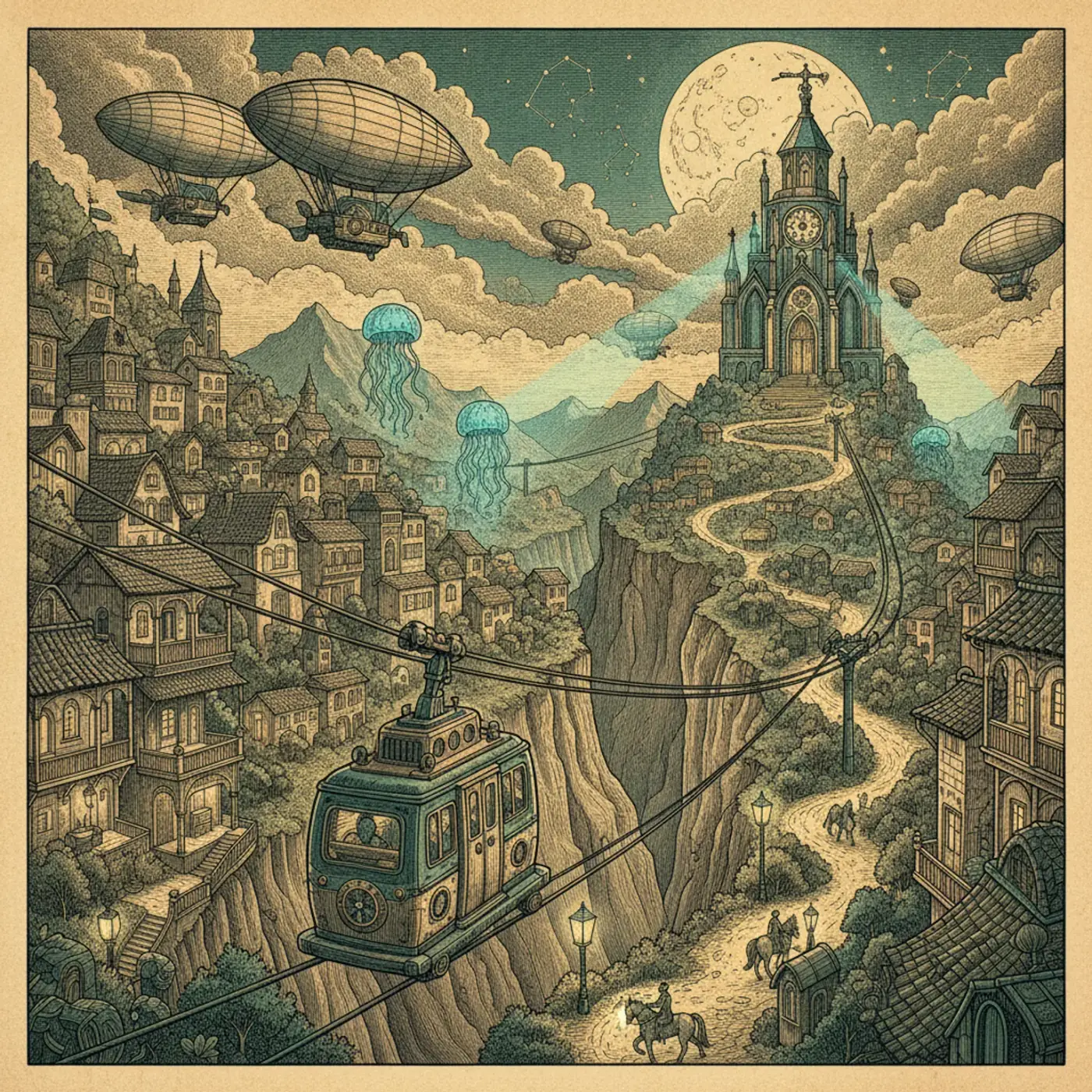
The ride from Acevedo to the top of Line K takes about 15 minutes. Use it. The view over the city is legitimately stunning — terracotta rooftops stacked up the valley walls, the occasional church tower poking through, the mountains always present. But also look at the houses you’re passing over. That density, that improvised construction — it tells you something honest about Medellín that a guided walking tour in El Poblado never will.

The Safety Question (Answered Honestly)
I’m going to be straight with you because the internet has two modes on this: “Medellín is totally safe now!” and “Medellín will get you killed.” Both are lazy.
The cable car lines vary. Line K and J have a significant security presence — uniformed Metro police at every station, cameras, the whole setup. The transformation is real. I walked through parts of Comuna 13 in the middle of the afternoon without any issues, and the neighborhood genuinely buzzes with community life and pride.
The higher stops on Lines L and M require more situational awareness. Go during daylight. Don’t flash your phone or camera constantly. Dress down — leave the nice watch at the hotel. Tell someone where you’re going. These aren’t extraordinary precautions; they’re what you’d do in any unfamiliar urban neighborhood anywhere in the Americas.
The communities up there are not inherently hostile to visitors — most people are just living their lives and find a curious foreigner mildly amusing. But you are in someone else’s neighborhood, not a theme park. Act accordingly.

What to Do When You Get Off
The cable car deposits you somewhere. Now what?
At the top of Line K: Walk toward the library complex and the viewpoints above it. There are community murals along the main paths that are absolutely worth stopping for. The views back down over the valley are panoramic. Street food carts cluster near the station on weekends.
In San Javier / Line J area: Walk down (or up) the electric escalators. The art here is legitimately world-class street work — not spray-can tagging but intentional murals commissioned as part of the neighborhood’s reclamation. Guided tours exist and are worth considering here specifically, because local guides can give you context about what each mural actually represents. That context transforms what you’re seeing.
Parque Arví (Lines K then L): This is a nature reserve, essentially. Hiking trails, food stalls selling regional snacks, a farmers market on weekends. Budget at least half a day. Bring a light jacket — it’s noticeably cooler up there than in the city below.
One thing I wish someone had told me: navigating in the hillside comunas is genuinely tricky because Google Maps goes a bit haywire with elevation changes and informal paths. I’ve switched almost entirely away from it in complex urban terrain — if you want my current setup, I laid it all out in why I stopped using Google Maps offline and what I use instead.

What the Tour Buses Skip
Organized tours of Medellín’s cable system are almost universally Line K and Line J only, with a guide talking at you about urban renewal statistics. That’s fine as an intro. But the actual fabric of these neighborhoods — the corner store run by the same family for 40 years, the makeshift football pitch carved into the hillside, the grandmother selling arepas from a cart that appears every morning at exactly 7:30 — none of that is on the tour.
The cable system is useful in another way too: it reframes how you think about public transport as a design intervention. Medellín did something genuinely radical here, and understanding it changes how you look at cities. If you find this kind of transport-meets-culture thing interesting, you might enjoy the deep dive I did on navigating public transport in Marrakech — different continent, same idea of reading a city through how it moves people around.
The cable cars are free advertising for everything Medellín wants you to believe about itself. The truth, as usual, is more complicated and more interesting than the marketing. Ride all four lines. Get off at stops that don’t have tourist infrastructure. Walk until you’re a little lost, then find your way back.
The Metrocable isn’t a tour — it’s a key. What you unlock with it is entirely up to you.
This article contains affiliate links marked rel="sponsored". We may earn a commission at no extra cost to you.