
[ ITINERARY · THE DISPATCH ]
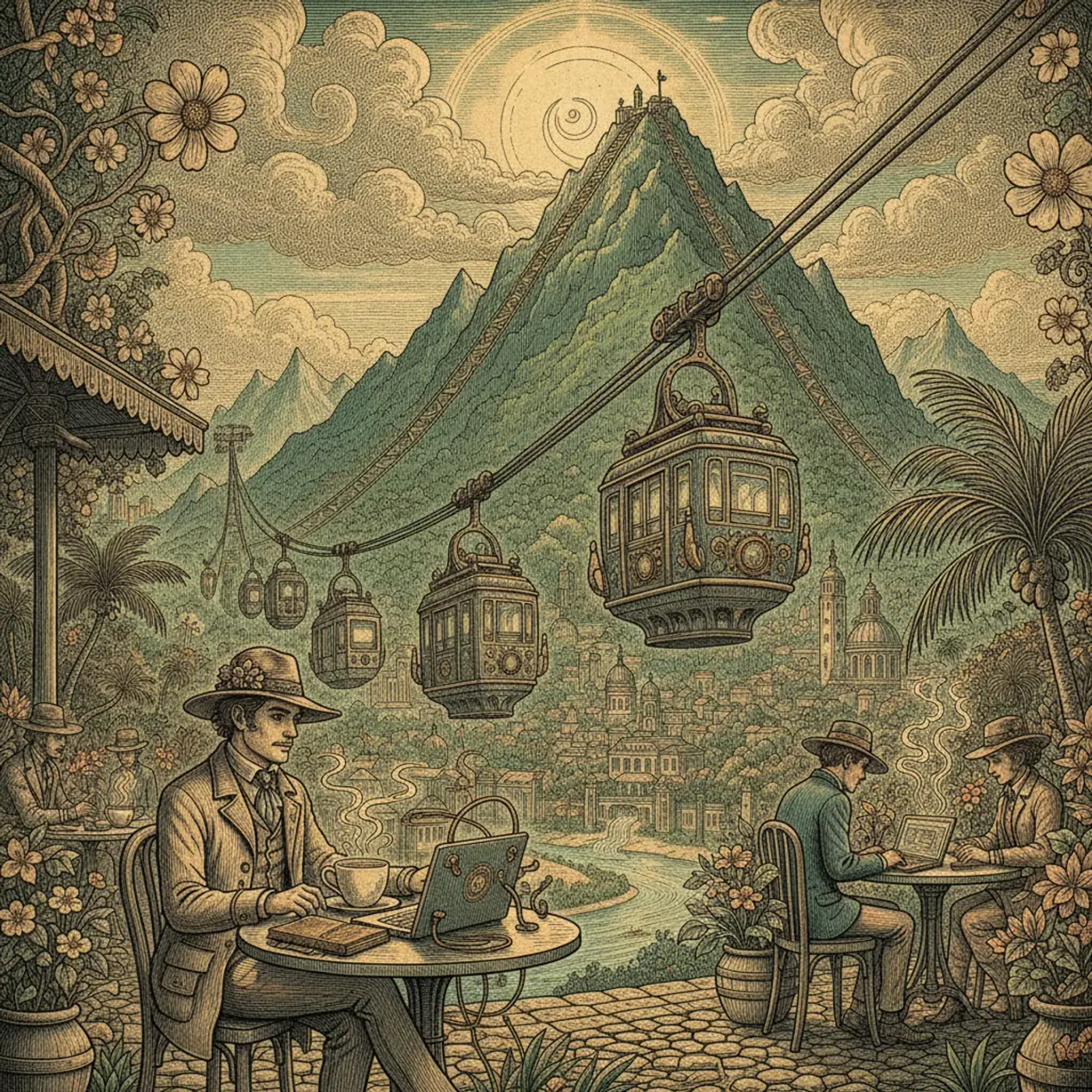
3 Days in Medellin for Digital Nomads: Cafes With Wi-Fi, Cable Cars, and Eternal Spring
Medellin sits at the sweet spot where the weather never asks anything of you and the cafe Wi-Fi actually holds a video call. Three days balancing laptop mornings, comuna tours, and the cable car that changed the city.
If you want the whole thing mapped out, see the Medellin itinerary with an interactive map.
I came to Medellin to work and ended up barely working, which is the highest compliment I can pay a city. They call it the City of Eternal Spring and for once the nickname earns it — it sits high enough in the Andes that the temperature parks itself around 24°C every single day of the year. No winter to dread. No summer that flattens you. You just stop thinking about weather entirely, which frees up a surprising amount of brain. If you’ve got 3 days in Medellin and a laptop, here’s how I’d run it.
A quick reality check first. Medellin’s nomad scene is real and growing fast, and that has two sides. The cafes are excellent and the Wi-Fi is mostly solid. But Poblado, the gringo hub, has tipped into being a bit of a parody of itself — sports bars, English menus, prices creeping up. I’d base elsewhere. More on that in a sec.

Day 1: Settle in Laureles, work the morning, walk the afternoon
Stay in Laureles, not Poblado. It’s leafy, residential, walkable, and it feels like an actual neighborhood where actual paisas (the local word for Medellin folk) live. Rents are lighter too. Set up your first work morning at a cafe — Pergamino has a Laureles branch with strong coffee and decent tables, or Café Velvet if you want quiet. Order a tinto (small black coffee) for under a dollar and settle in.
Knock off mid-afternoon and walk. Laureles around the Segundo Parque and La 70 comes alive in the evening — open-air bars, people dancing in the street some nights, zero pretension. Get a bandeja paisa if you’re brave (the regional plate: beans, rice, pork, sausage, egg, plantain, avocado — it could feed a small family) or the much lighter arepa with eggs if you’re not.

Day 2: Comuna 13 and the cable car that rewrote the story
This is the day that justifies the trip. Take the Metro then the Metrocable up the hillside — gliding over the rooftops of neighborhoods that, a generation ago, were among the most dangerous places on Earth. The cable car wasn’t built for tourists; it was built to connect poor hillside comunas to the city below, and it genuinely changed lives. Riding it tells you more about modern Medellin than any museum.
The headline is Comuna 13. Once notorious, now covered in extraordinary street art, with outdoor escalators climbing the steep slope and a graffiti-and-music scene that’s electric. Do it on a guided walking tour (around US$15-25, a few hours) rather than wandering alone — not for safety so much as for the story. A good local guide who grew up there will explain what the murals mean, what the escalators replaced, what the violence actually was. Without that, it’s just pretty walls. With it, it’s one of the most moving few hours you’ll spend in South America.
Work a couple of hours in the evening to make up for it if you must. I didn’t. I sat on a balcony instead.
Day 3: Slow morning, then up to Guatapé or down to a long lunch
Last work session in the morning — try a cafe in Provenza (the nicer pocket of Poblado, full of remote workers tapping away) so you can compare scenes. Then choose your ending.
If you want one big day-trip, Guatapé is about two hours out: a candy-colored lakeside town and the giant El Peñol rock you climb (740 steps, ~US$5) for a knockout view over a maze of flooded islands and inlets. It’s touristy but genuinely gorgeous, and an easy day-tour or DIY bus from the Terminal del Norte.
If you’d rather stay local, do a proper long Colombian lunch and a stroll through Parque Arví — take the Metrocable line all the way up past Santo Domingo into actual cloud forest at the top of the city. From skyline to hiking trails in one cable car. That contrast is the whole pitch of this place.
Three days is enough to fall for Medellin and start doing the maths on staying a month. The weather, the transit, the cafe culture, the way the city is rightly proud of how far it’s come — it adds up to one of the easiest cities in the world to be a remote worker in. Just stay out of Poblado’s worst bits and keep your papaya to yourself.
Come to work. Get almost nothing done. That’s how you know the place is good — and the eternal spring is not a marketing line, it’s real.
This article contains affiliate links marked rel="sponsored". We may earn a commission at no extra cost to you.