
[ ITINERARY · THE DISPATCH ]
5 Days in Patagonia's W Trek: Mud, Wind, Glaciers, and the Best Sore Legs of My Life
A day-by-day diary of the W Trek in Torres del Paine — five days, a lot of wind, two blisters, one glacier that stopped me dead. Honest about the suffering-to-payoff ratio.
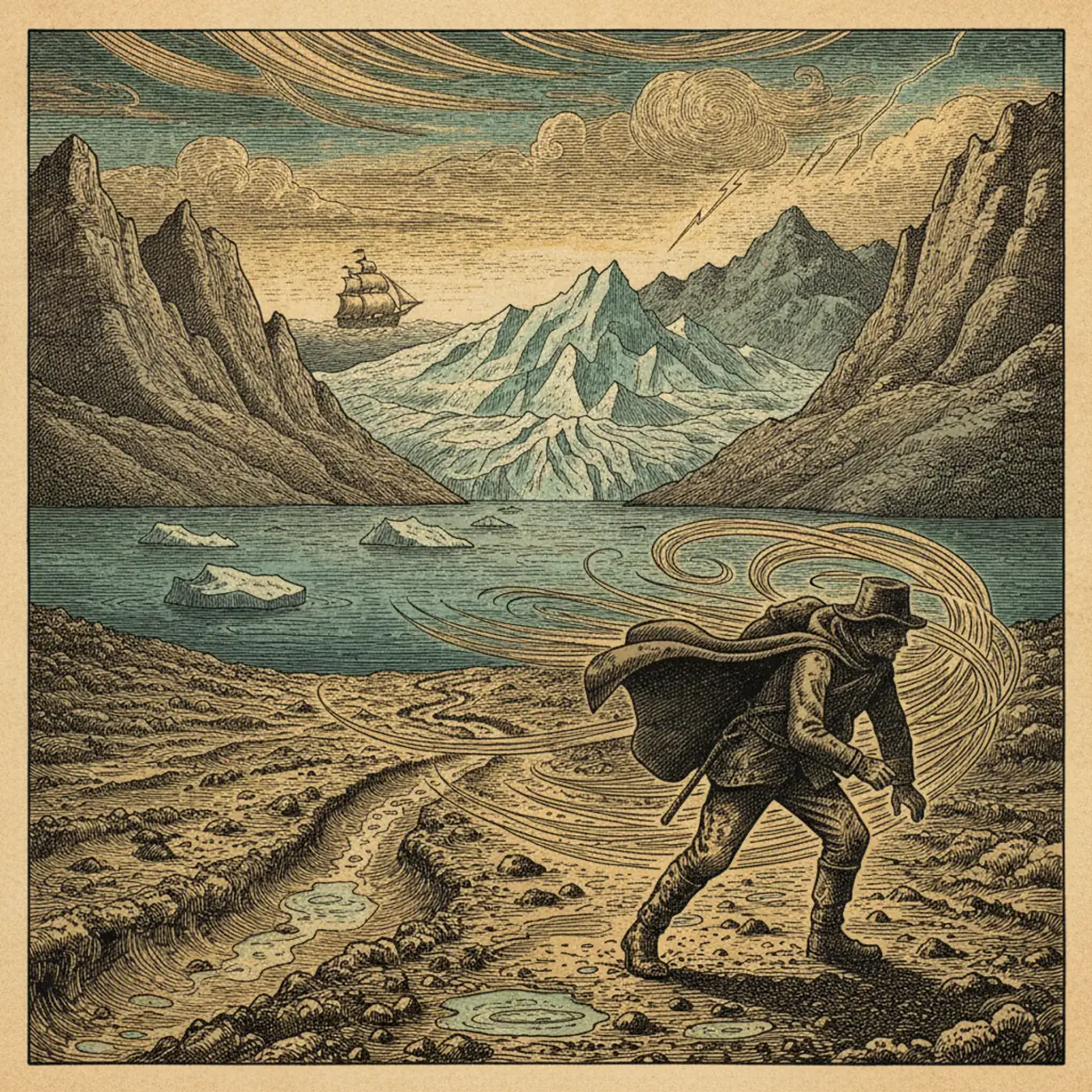
I’ll tell you straight what 5 days W Trek Torres del Paine actually involves, because the photos lie. The photos are all golden granite towers and turquoise lakes. The reality is also mud, sideways rain, wind that knocks you off the trail, and one freeze-dried meal too many. And yet. It’s the best thing I’ve ever done with my legs, and I’d go back tomorrow. Here’s the honest day-by-day.
The W is a roughly 70-80km route through Chile’s Torres del Paine national park, shaped like a W on the map, usually done over 4-5 days staying in refugios (mountain huts) or campsites along the way. You cannot wild camp — book your refugios or camps months in advance through Vertice and Las Torres, they sell out fast in the Dec-Feb high season. Get into Puerto Natales first, stock up, and take the early bus into the park.
Day 1: Into the park, first taste of the wind
Bus from Puerto Natales (about 2 hours), catamaran or shuttle to your start. Most people do the W west-to-east or east-to-west; I went east-to-west, basing the first night near Las Torres.
Day one is a warm-up walk to your first refugio, and it’s where the wind introduced itself. Patagonian wind isn’t weather, it’s a physical presence — gusts that genuinely shove you sideways. I watched a guy’s hat go into orbit, gone forever. Lesson one: clip everything down, wear the windproof shell, and use the trekking poles for balance, not just the climbs. Legs felt great. Naive optimism intact.

Day 2: Base of the Towers — the brutal, brilliant one
This is THE day. You hike up to the Base of the Towers (Mirador Las Torres) — the three impossible granite spires above a glacial lake that are the postcard of all of Patagonia.
It’s a hard slog, maybe 8-9 hours return, and the last hour is a steep scramble up a moraine boulder field that, at altitude with tired legs, is genuinely demoralising. People do it pre-dawn to catch the towers lit up red-gold at sunrise. I did. I left in the dark, freezing, swearing under my breath, fully questioning my choices.
And then the sun hit the towers and they went the colour of hot coals and the whole exhausted crowd up there just went silent, and I’m not ashamed to say I got a bit emotional about three big rocks. That moment is the suffering-to-payoff ratio in a nutshell. Hardest morning, best reward. Don’t skip it.
Day 3: The long middle — toward the French Valley
A big transit day along Lake Nordenskjöld, that ridiculous milky-turquoise colour that comes from glacial flour in the water. Hours of walking with the wind off the lake. My legs filed their first formal complaint around hour five. The first blister arrived. (Tape your hot spots BEFORE they blister — I knew this, I ignored it, I paid.)
You overnight near the mouth of the French Valley (Valle del Francés), ready for the middle stroke of the W tomorrow. Refugio dinners, by the way, are basic but hot — and after a day like this, a bowl of anything warm feels like a five-star meal. Carry snacks; you burn an absurd amount out here.
Day 4: The French Valley — hanging glaciers and avalanche sound
Up into the French Valley, the central prong. You climb between two glaciers, and if you’re lucky you’ll hear the hanging glacier on the Paine Grande side calving — a crack like a gunshot, then a rumble, then a slab of ice peeling off the mountain. You feel it in your chest. It’s the most alive a landscape has ever felt to me.
Push up to the Británico viewpoint if your legs and the weather allow — amphitheatre of granite peaks all around. If they don’t, the Francés mirador lower down is still spectacular and nobody’ll judge you. By now everything aches in a deep, satisfied way and you’ve stopped caring how you look. This is the good part of trekking. The part where the city brain finally switches off.
Day 5: Grey Glacier — the finale
Last day, west to Grey Glacier — a vast wall of blue ice spilling off the Southern Patagonian Ice Field into Lake Grey, with electric-blue icebergs drifting across the water in front of it. You can hike to viewpoints, and some people do a boat trip or even kayak among the bergs (worth it if you’ve the budget and time).
Standing in front of that glacier, wind howling, legs absolutely destroyed, five days of mud and freeze-dried dinners behind me — that was the moment it all landed. I limped out of the park grinning like an idiot.
A few hard-won tips to close. Layers, not bulk — you’ll overheat climbing and freeze stopping. Waterproof everything inside dry bags. Bring more blister tape than you think and use it early. And respect the wind above all else; it’s the thing that turns a hard hike into a dangerous one, so check forecasts and don’t be a hero on exposed sections.
Five days, two blisters, one glacier, three rocks that made me cry. Best sore legs of my life. No question.
The W will hurt, the wind will test you, and the freeze-dried curry will haunt you — and you’ll book a flight back the moment your legs forgive you. Go suffer. It’s worth every step.
This article contains affiliate links marked rel="sponsored". We may earn a commission at no extra cost to you.