I bowed at the wrong angle in a traditional tea house in Insadong — a full 90-degree snap like I was greeting a shogun — and knocked the entire lacquered tray clean off the table. The haenyeo-print teacups survived. My dignity did not. The host laughed so hard she had to sit down, then spent the next 45 minutes teaching me the correct 15-degree nod while refilling everything for free. Best forty-five minutes of the trip. Worth every shard of embarrassment.
Two days in Seoul demands ruthless sequencing. You get Gyeongbokgung Palace, Bukchon Hanok Village, N Seoul Tower at dusk, and Myeongdong street food. No museums, no metro confusion — just the hits, in order, with enough time to actually feel them.
Book the palace hanbok rental the night before — it sells out.
72 Hours: Seoul Properly
Three days adds Hongdae's creative chaos and Ewha's university-district calm. You get a full afternoon to eat your way down Sinchon without a schedule breathing down your neck.
4 Days: History + Hiking
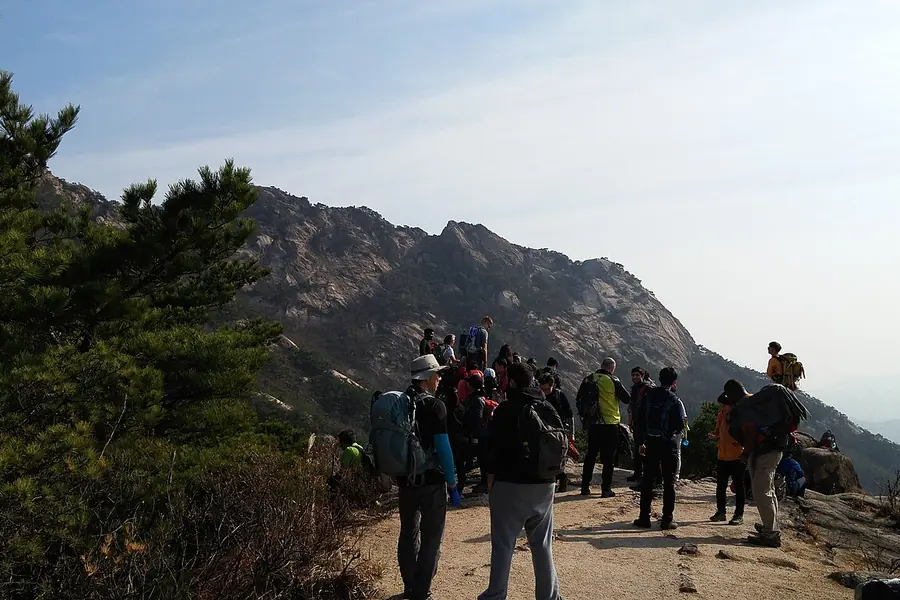
Four days unlocks Namsangol Hanok Village and the Bukhansan National Park ridge trail — the hike that makes you realise Seoul is essentially a mountain city that also happens to have 10 million people in it.
7 Days: Fall for the Neighbourhoods
A week lets Seoul stop performing for you and start being itself. You will have a regular pojangmacha (street food cart) by Day 4. By Day 6 you will be giving directions to other tourists. This is the correct outcome.
Estimated budget:$280–$480 est. (budget–mid, incl. 1 hotel night)
Estimated budget:$420–$680 est. (2 hotel nights + day trips)
Estimated budget:$560–$880 est. (Bukhansan day + 3 nights)
Estimated budget:$1,100–$1,800 est. (full week, mid-range hotels)
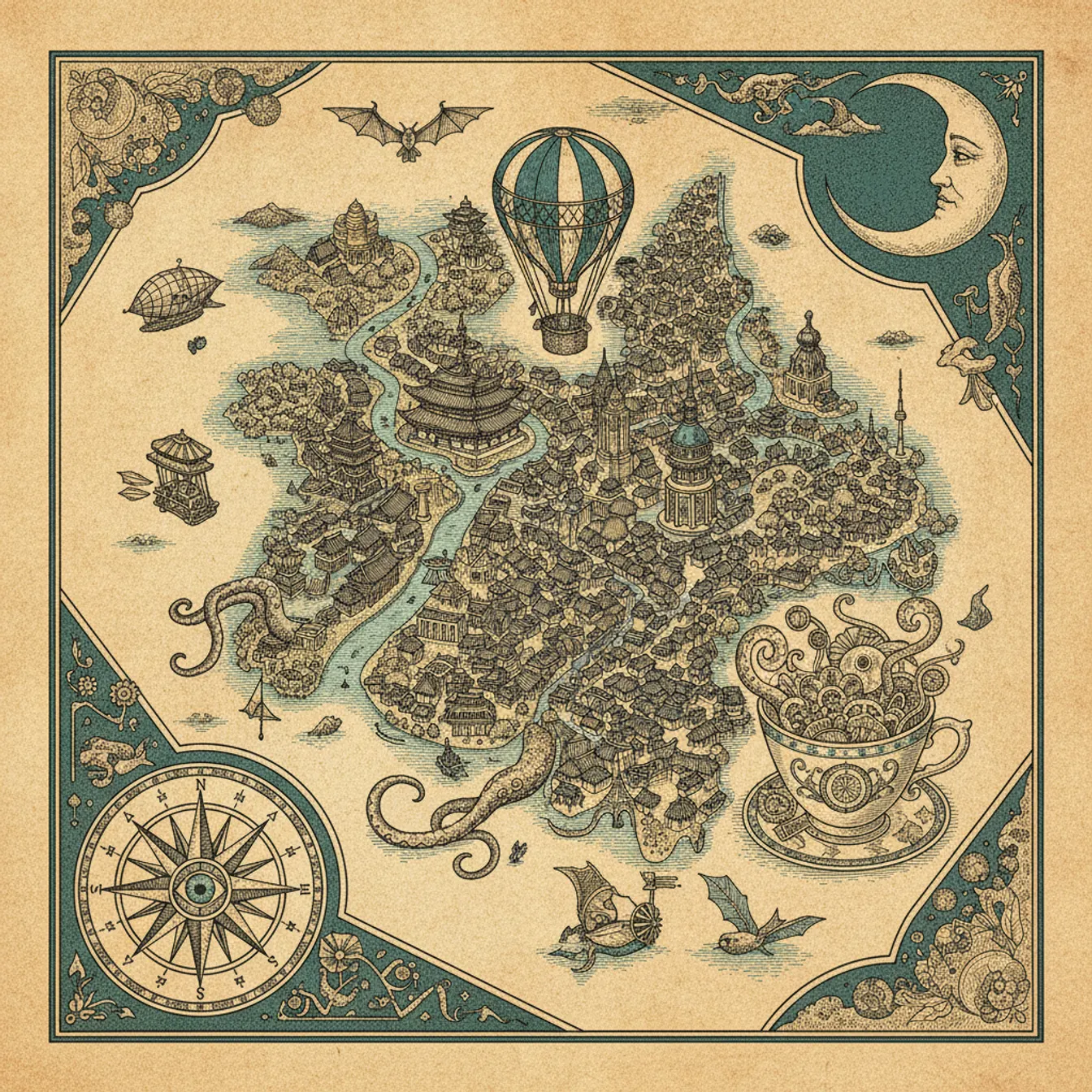
[ THE DISPATCH · FIELD MAP ]
A tilted, hand-drawn dispatch of Seoul. Click a quarter to explode it open.
0 / 6 quarters explored
Legend · tap to highlight
[ GYEONGBOKGUNG ]
Old stones, older stories.
Gyeongbokgung PalaceKorea's grandest palace, open since 1395 and still impressing.
Bukchon Hanok Village600-year-old alleyways where people still actually live.
[ MYEONGDONG ]
Grand squares and big ideas.
Myeongdong Street Food StripEgg bread, tornado potatoes, and 47 different skincare shops.
Namdaemun MarketKorea's oldest market, selling everything, organized by nothing.
[ HONGDAE ]
Stays up later than you do.
Hongdae Street Art DistrictWhere Seoul's art school graduates come to make rent and make noise.
Sinchon — university food streetThe tteokbokki is 60p and the queue stretches around the block.
[ BUKHANSAN ]
Green breathing room.
Namsangol Hanok VillageFive relocated hanok houses, free entry, zero tour groups at 8:30.
Bukhansan National Park — Baegundae Peak T836 metres above a city of 10 million. The contrast never gets old.
[ GWANGJANG ]
Where the city meets the water.
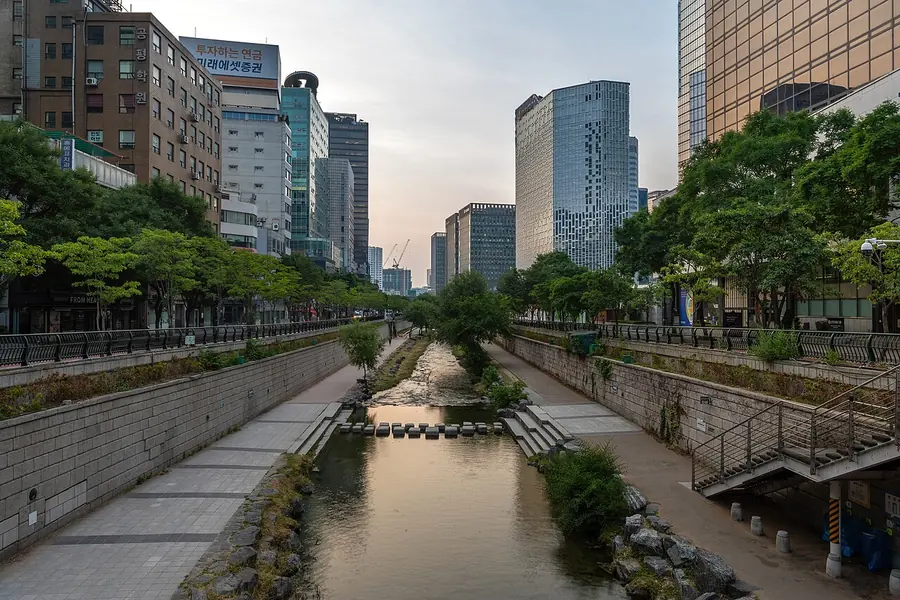
Cheonggyecheon Stream (Gwanghwamun end)A highway was demolished to build this. The city hasn't looked back.
Gwangjang MarketKorea's oldest market and the only place to eat bindaetteok at 11AM.
[ GANGNAM ]
Grand squares and big ideas.
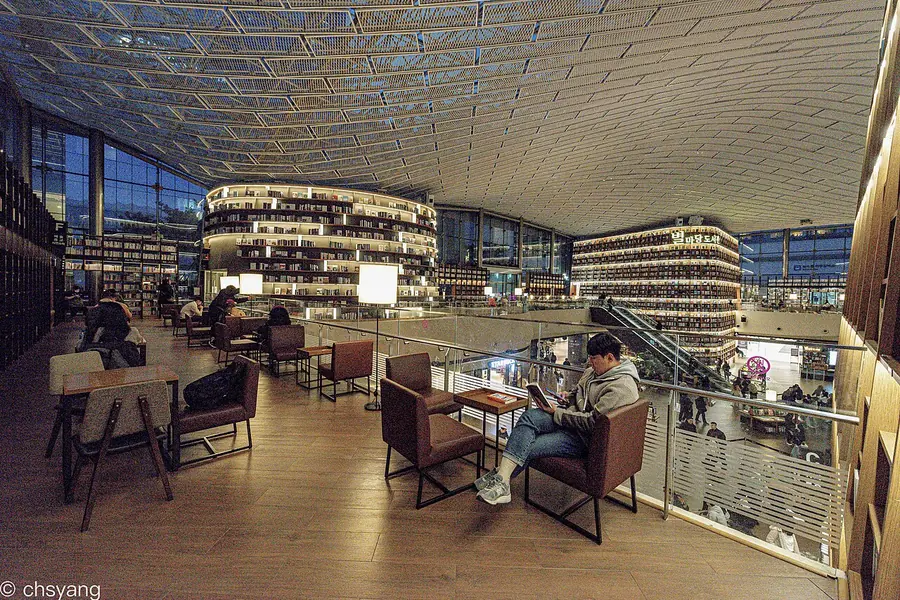
COEX Mall + Starfield LibraryThe largest underground shopping mall in Asia, with a library inside it.
Apgujeong Rodeo Street + Garosu-gilWhere K-pop gets made, marketed, and consumed in real time.
Day 1
Gyeongbokgung Palace + Bukchon + Insadong
Five hundred years of Joseon, one very confused tourist
One day to anchor yourself. We start at the palace before the tour buses, walk the hanok alleyways of Bukchon while they're still quiet, then decompress in Insadong's tea houses before the afternoon push to N Seoul Tower.
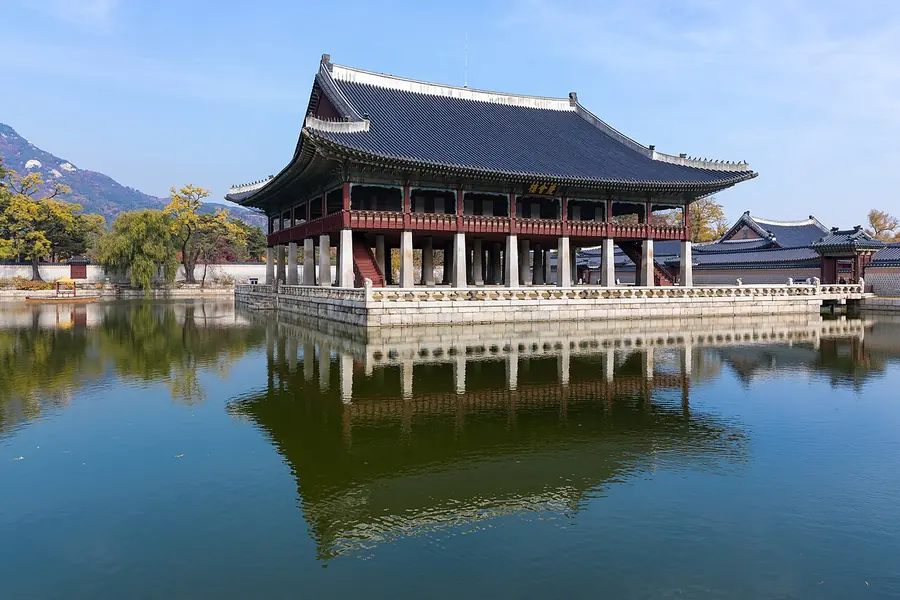
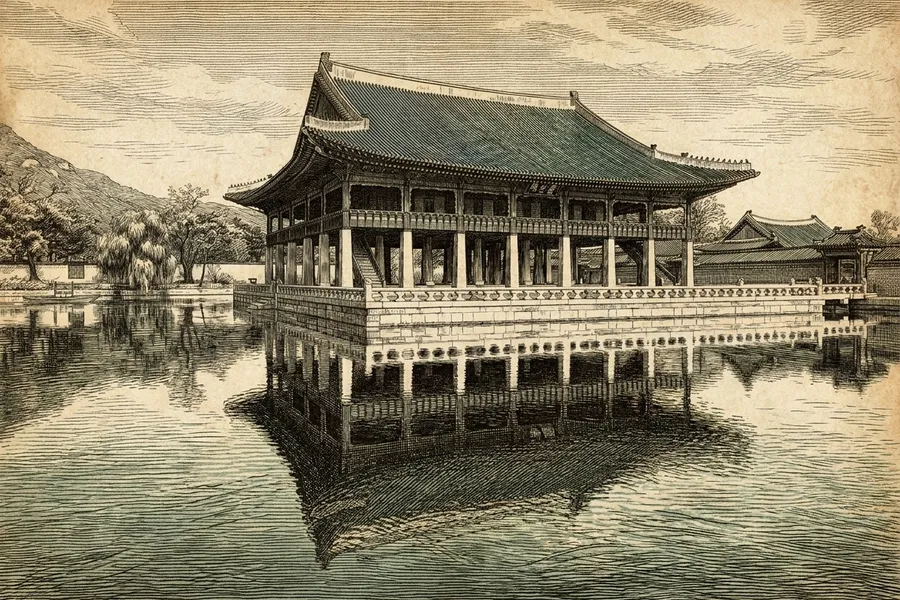
No rush — the palace is better after 9:30 when the morning mist clears off the mountains. Take the Gyeonghoeru Pavilion reflection seriously. It deserves it.
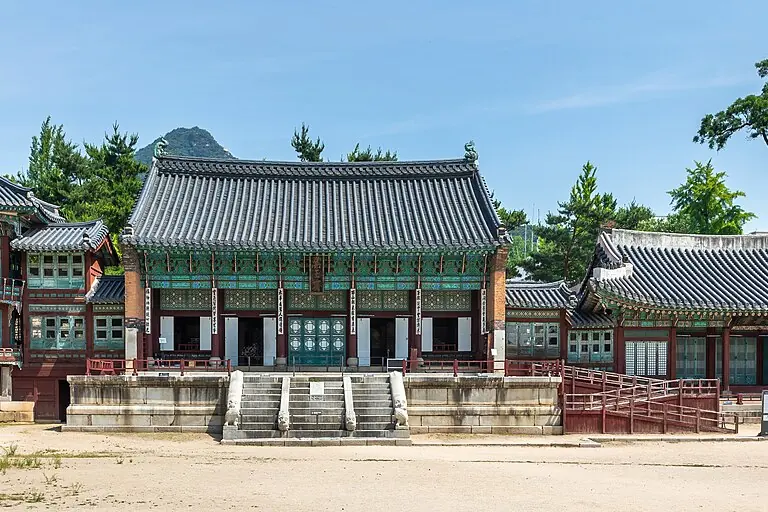
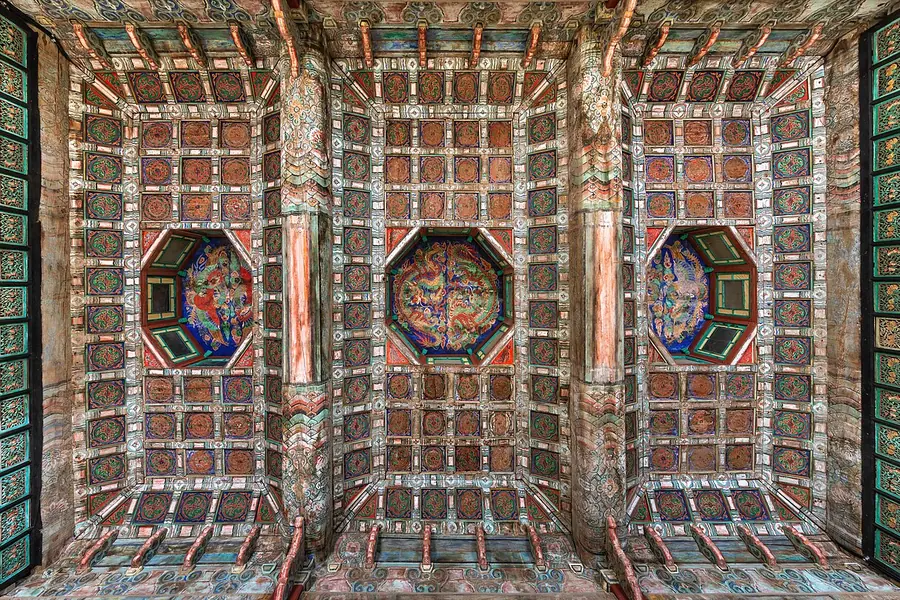
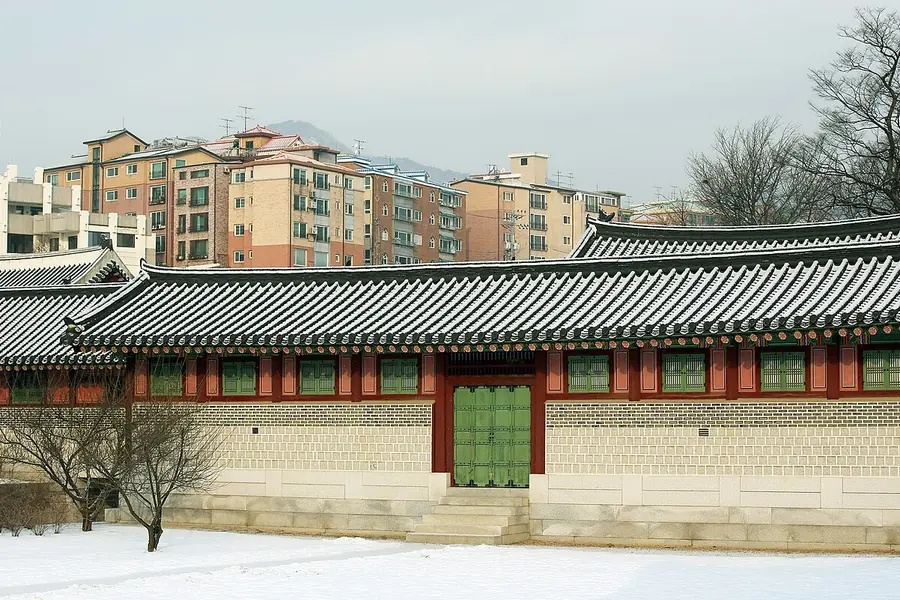
Gyeongbokgung Palace
Korea's grandest palace, open since 1395 and still impressing.
The main gate, Gwanghwamun, opens at 9AM. Rent a hanbok from one of the stalls on the south side — entry is free in traditional dress and the photos are absurd in the best way. Don't miss the Gyeonghoeru Pavilion floating on its pond or the National Palace Museum tucked in the northeast corner.
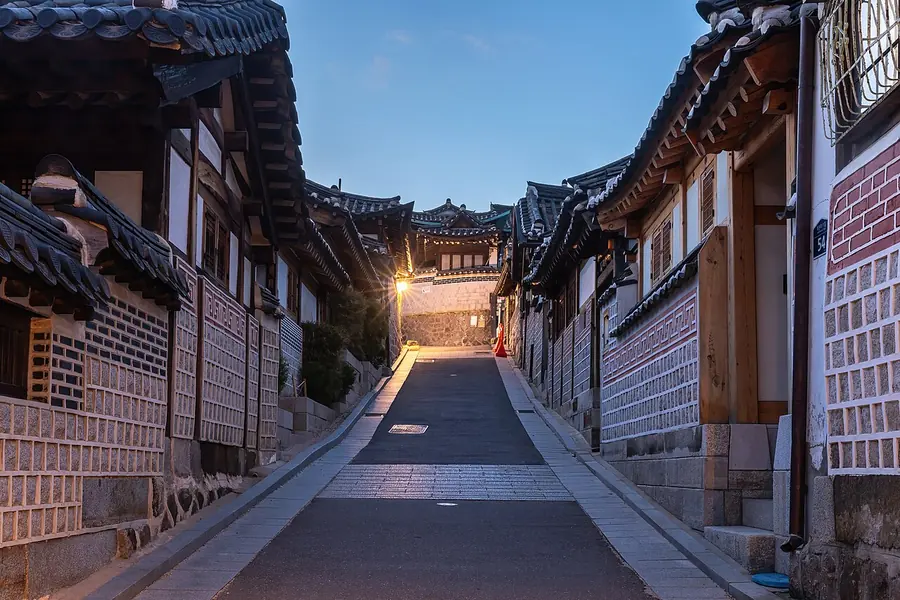
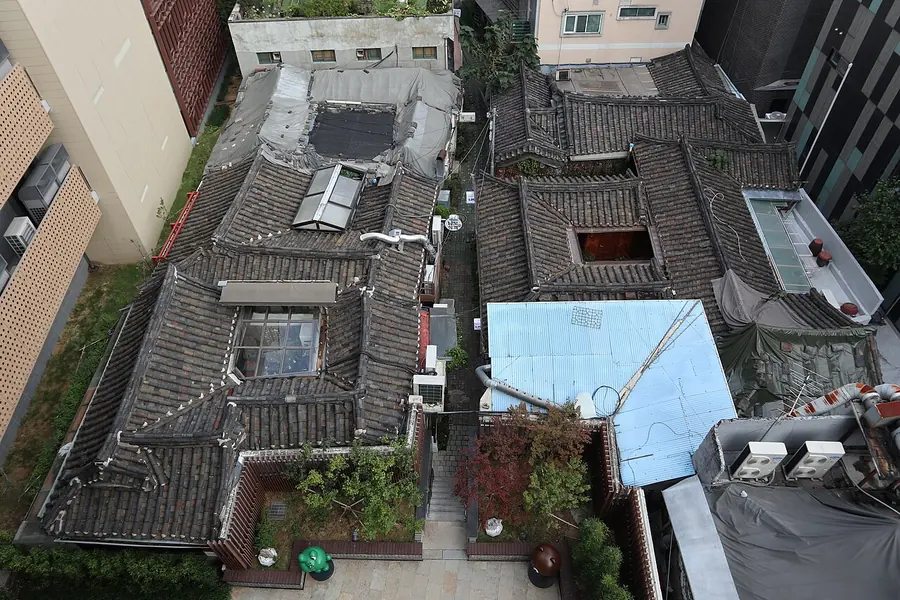
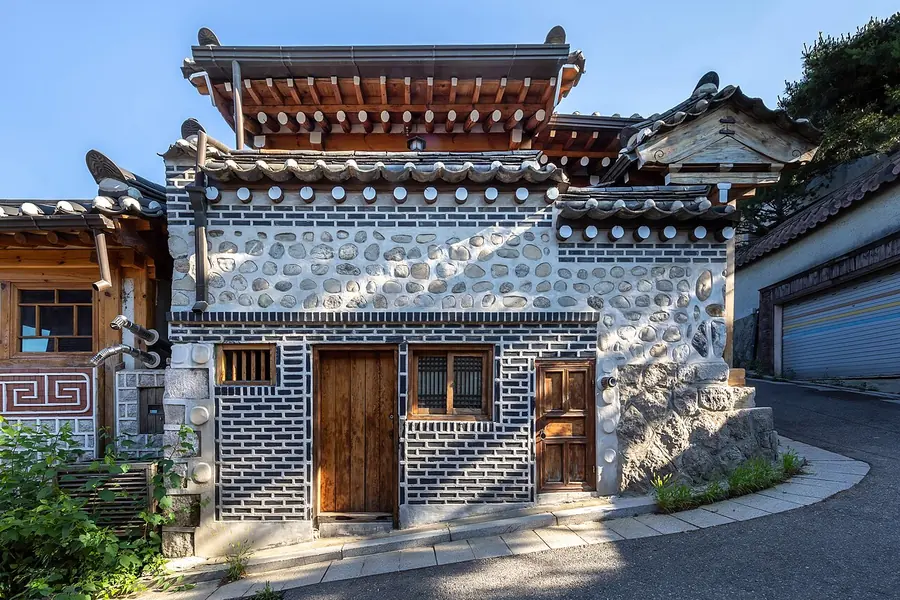
600-year-old alleyways where people still actually live.
Walk north from the palace into the hillside hanok district. The famous photo point on Gahoe-ro 11-gil requires arriving before 10AM on weekdays or accepting it crowded. More rewarding: get lost in the smaller lanes to the east where the guesthouses and artisan workshops operate without any Instagram pressure.
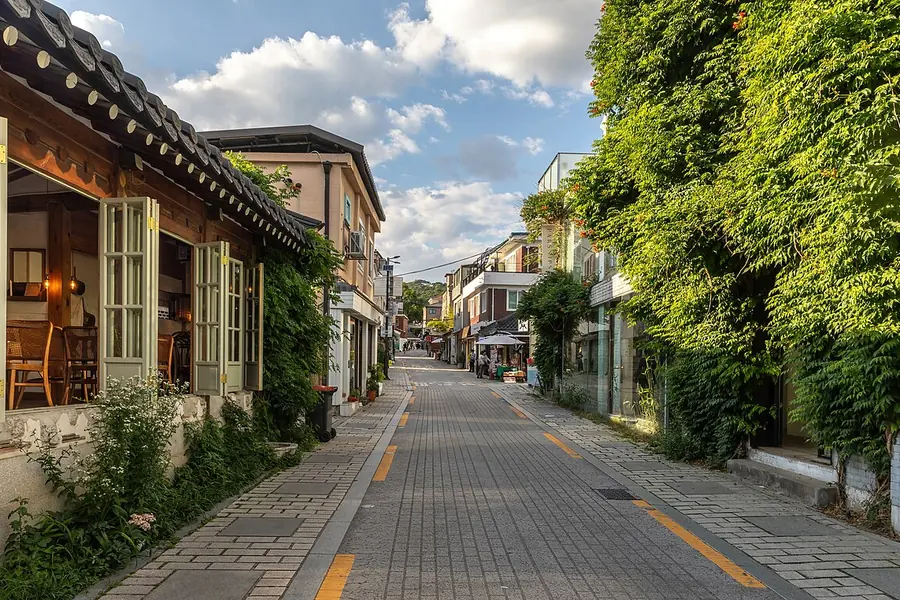
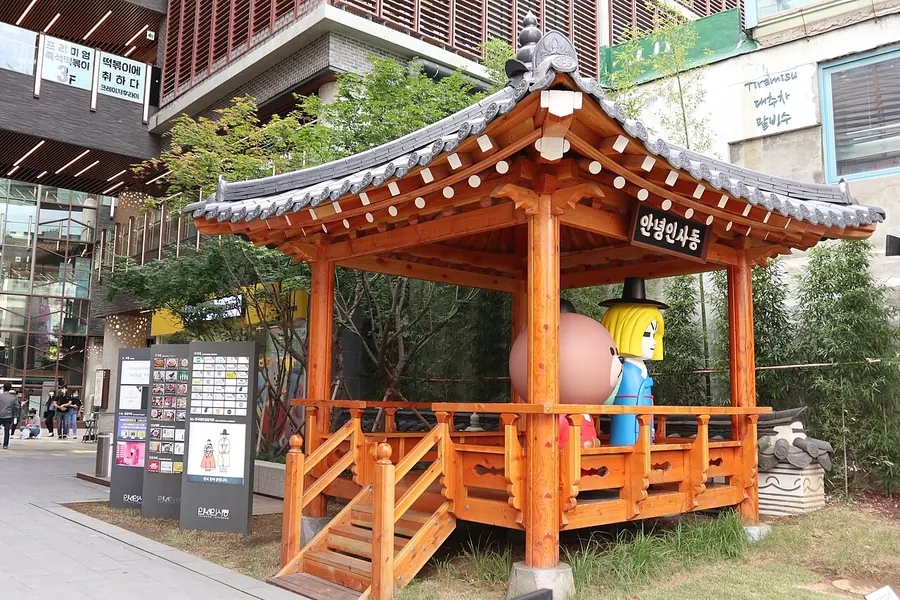
Craft galleries, persimmon tea, and the tray I knocked over.
Ssamziegil courtyard market is the anchor — a four-storey spiral of independent shops selling hanji paper crafts, ceramics, and food that is genuinely Korean rather than Korean-for-tourists. Eat in one of the basement food stalls, then find a tea house on the upper floors for sikhye (rice punch) or omija (five-flavour berry tea). Yes, I knocked the tray here. Yes, it was the best thing that happened.
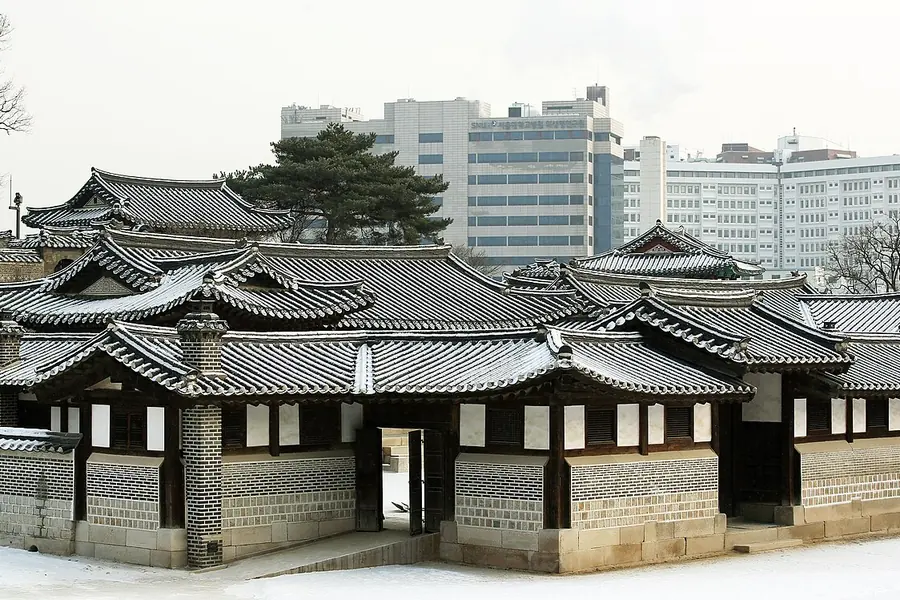
The palace the guidebooks like less. The locals like it more.
Changdeokgung is UNESCO-listed and slightly smaller than Gyeongbokgung, which means it's less crowded and more atmospheric. The Huwon Secret Garden at the rear requires a separate timed-entry ticket but is one of the finest designed landscapes in East Asia — 300 varieties of tree over 78 acres.
Department stores, city views, and the bar district that never closes
Final day — urban intensity mode. Myeongdong for morning, N Seoul Tower for the view before lunch, Itaewon for dinner. You'll cover more ground today but the distances are short.
Easy morning in Myeongdong, relaxed afternoon at the tower, dinner in Itaewon with time to find your own bar afterward.
Myeongdong Street Food Strip
Egg bread, tornado potatoes, and 47 different skincare shops.
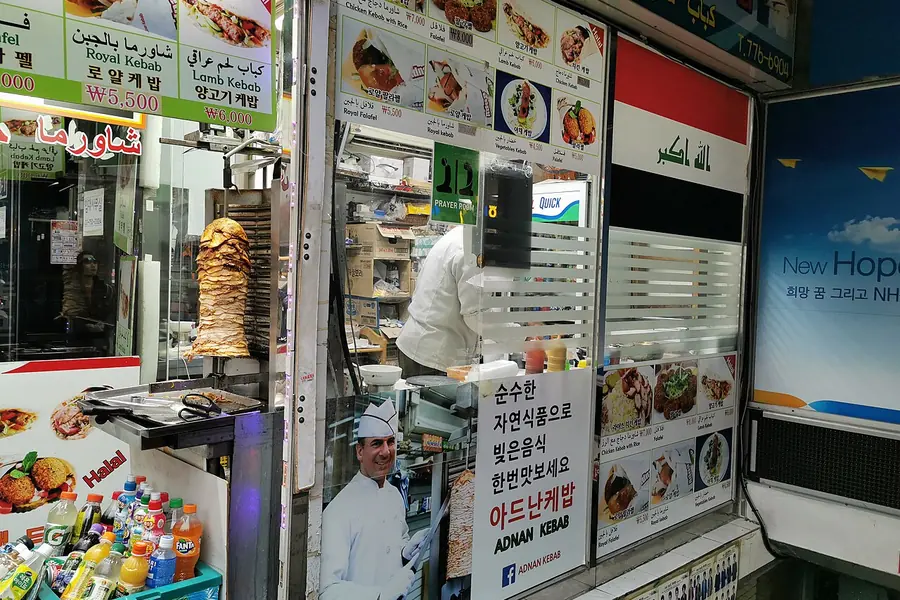
The street food carts on Myeongdong 8-gil set up from 9AM. Gyeran-bbang (egg bread) is the entry-level move; spicy rice cakes with fish cake broth are the correct follow-up. Ignore the skincare shops unless you need them — but Seoul's beauty district is genuinely staggering if that's your thing.
Namdaemun Market
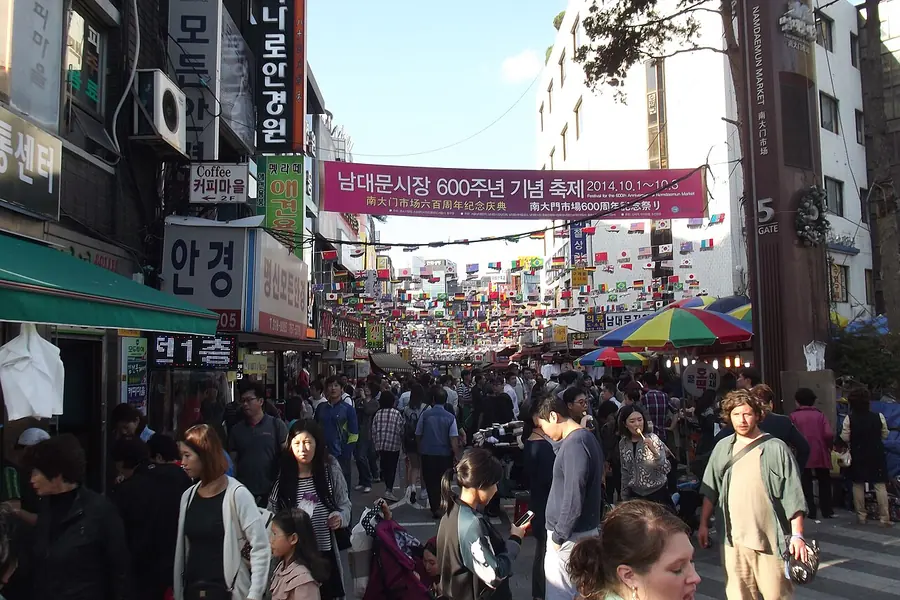
Korea's oldest market, selling everything, organized by nothing.
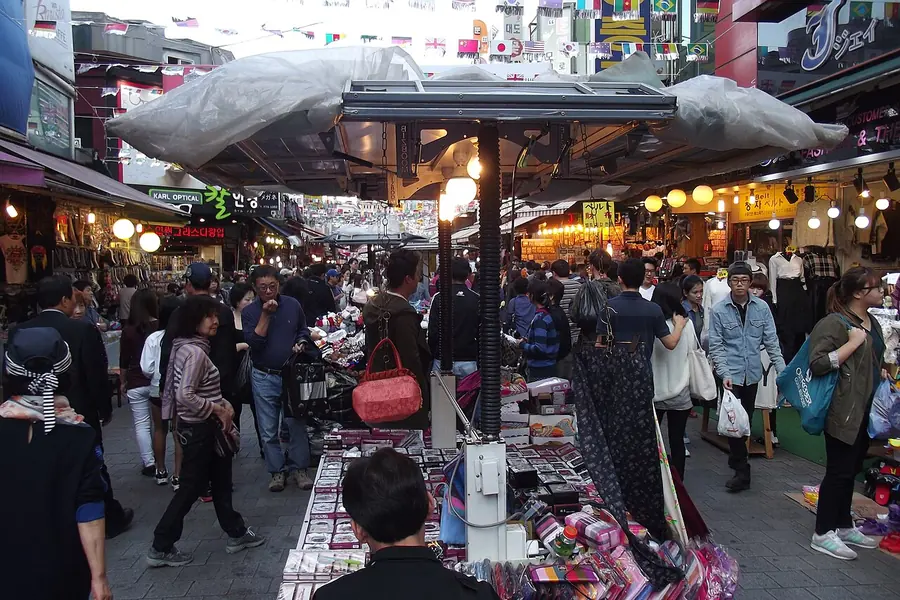
Namdaemun has operated continuously since 1414 and it shows — in the best way. Hundreds of vendors across multiple indoor and outdoor sections. The kalchi (hairtail fish) section alone is worth it for the spectacle. Buy dried goods, socks, kitchenware, and at least one thing you have absolutely no use for.
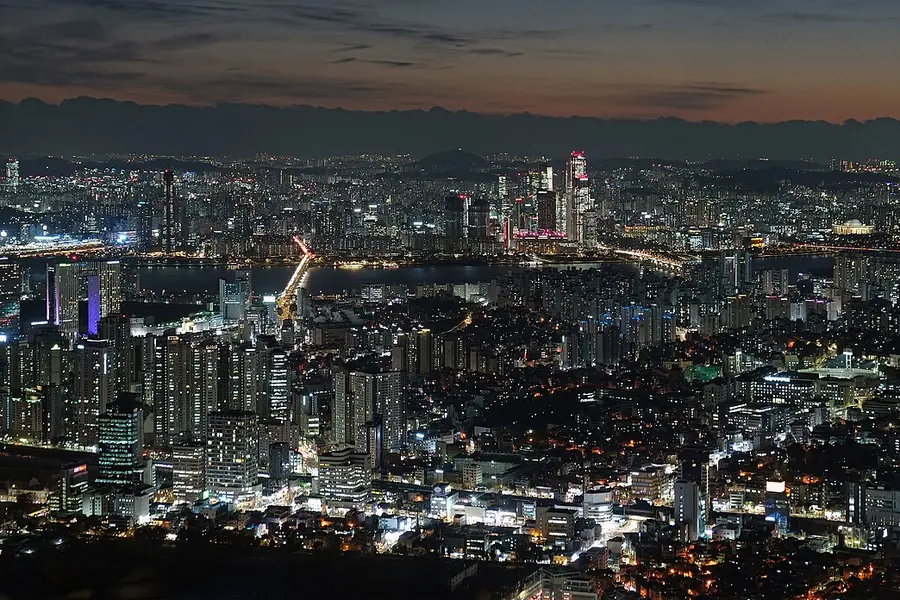
The love-lock tower with 360 degrees of Seoul and bad coffee.
Take the cable car up from Myeong-dong (15 minutes). The tower itself is touristy but the observation deck view at lunch — before afternoon haze — is one of the best urban panoramas in Asia. The padlocks on the railings are half the attraction. Add your own if you're travelling with someone whose name you'd like to keep on a lock in South Korea permanently.
Seoul's most cosmopolitan neighbourhood, best at night.
Itaewon is where Seoul's expat community, international restaurants, and nightlife collide. The main strip has everything from Nepalese momos to Mexican tacos; Gyeongnidan-gil (just east) has Seoul's best natural wine bars and independent restaurants. Homo Hill around Itaewon 1-ga is the centre of Seoul's LGBTQ+ nightlife — welcoming regardless of who you are.
University Seoul — street murals, live music, and the best tteokbokki of your life
Your final morning — make it creative. Hongdae is loud and young and exactly the counterweight to the palace district. Take the afternoon slow in Sinchon before the trip home.
Full day out west. Morning in Hongdae, afternoon at Ewha, evening back in Hongdae for live music — the indie clubs on the side streets open at 8PM and genuinely deliver.
Hongdae before noon is a different city from Hongdae at midnight. Do both on the same day if your itinerary allows it. The street performers are out by 1PM.
Hongdae Street Art District
Where Seoul's art school graduates come to make rent and make noise.
The Hongik University area has cultivated one of Asia's best independent art and music scenes since the 1990s. Start at the Graffiti Alley behind the park, walk the street market (Club Day market runs Fridays), and stop for brunch at any of the cafés around Wausan-ro. The coffee is excellent and the interior design competition is fierce.
Sinchon — university food street
The tteokbokki is 60p and the queue stretches around the block.
Sinchon is Hongdae's calmer sibling — still university-dominated but slightly less performance-oriented. The food street running south from Sinchon Station has the best value eating in Seoul: tteokbokki (spicy rice cakes), kimbap rolls, and dakgalbi (stir-fried chicken) all under ₩8,000 a serve. Eat standing up. It's fine.
Ewha Womans University Campus
The most beautiful university campus in Korea, open to everyone.
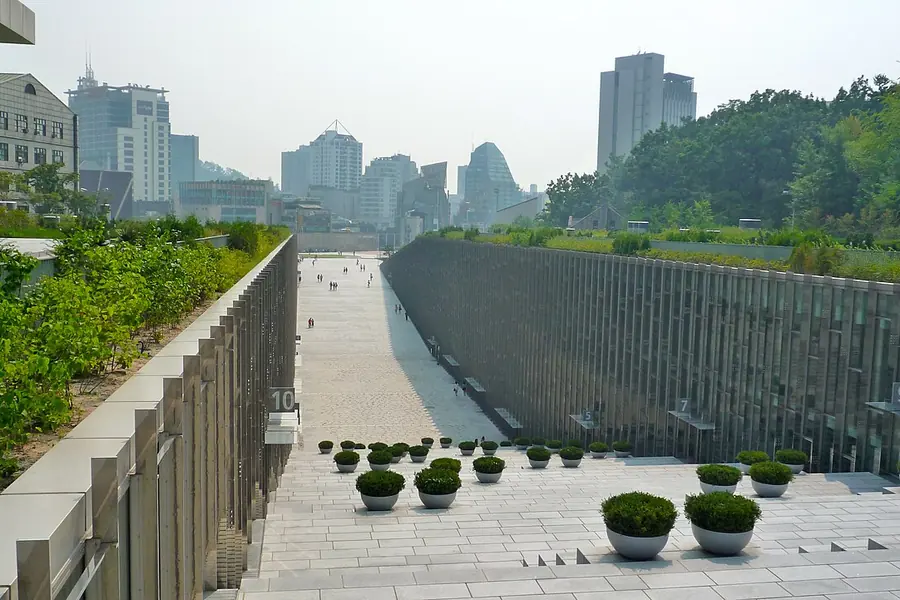
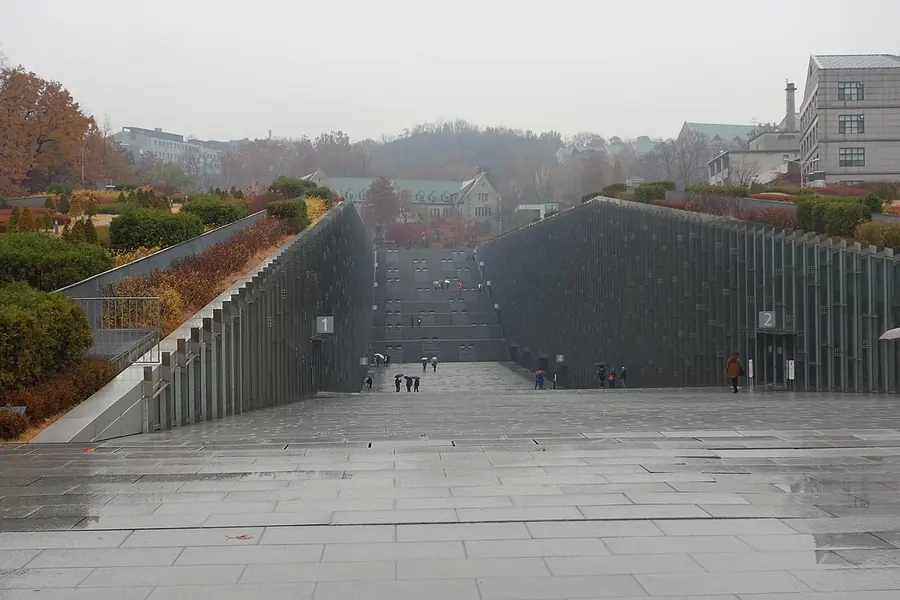
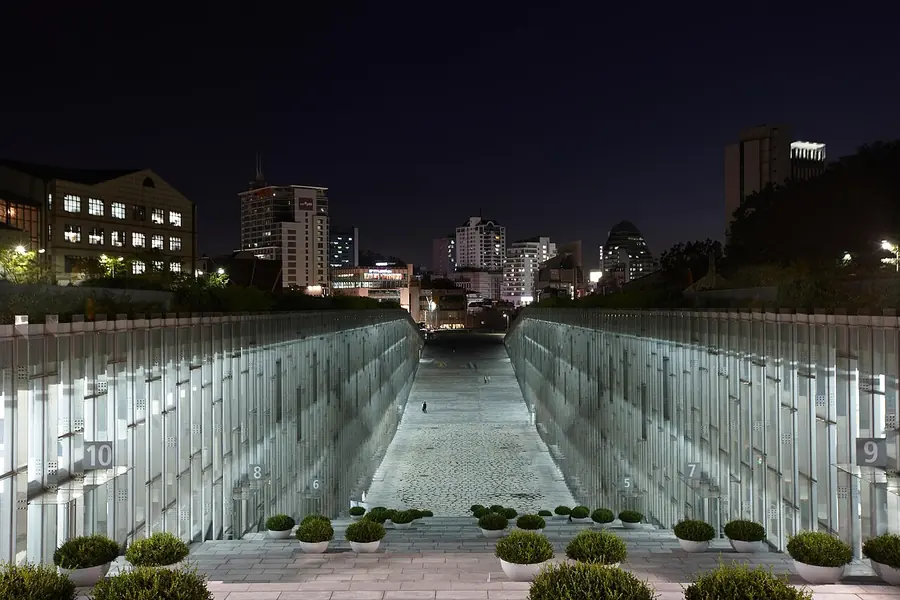
The ECC (Ewha Campus Complex) by Dominique Perrault is a sunken glass canyon cut into the hillside that you genuinely cannot believe is a student union building. Walk the grounds freely — the campus is open, the gardens are immaculate, and the cafeteria in the ECC does cheap and excellent lunch. The surrounding streets (Ewha Women's University Street) are full of the kind of independent boutiques that haven't made it to Instagram yet.
Korea's indie scene, ₩10,000 cover, and someone always brilliant.
Club FF, Freebird, and Evans Lounge are the stalwarts. Shows run Tuesday through Sunday, usually two sets starting at 8PM and 10PM. Buy tickets at the door. The sound systems are better than you expect, the beer is cold, and if the headliner doesn't land for you, there are six more venues within 200 metres.
Day 4
Namsangol Hanok Village + Bukhansan Ridge Hike
Traditional Seoul in the morning, mountain Seoul in the afternoon
Early start — Bukhansan is a proper hike and you want to be on the ridge before the afternoon heat. Namsangol is a gentle morning warm-up before the trail.
Same structure but without the time pressure. Linger at the Baegundae Peak view longer than you think you should.
Namsangol Hanok Village
Five relocated hanok houses, free entry, zero tour groups at 8:30.
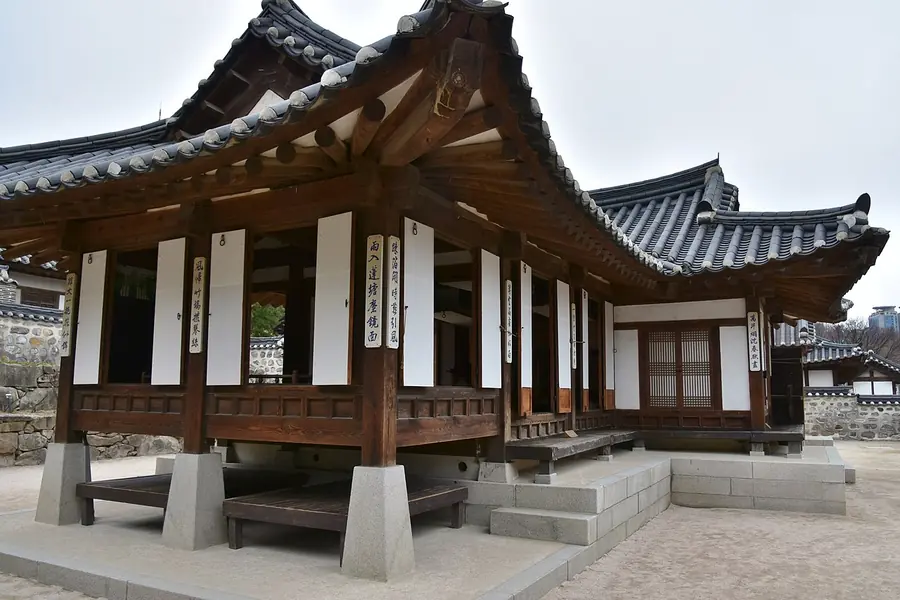
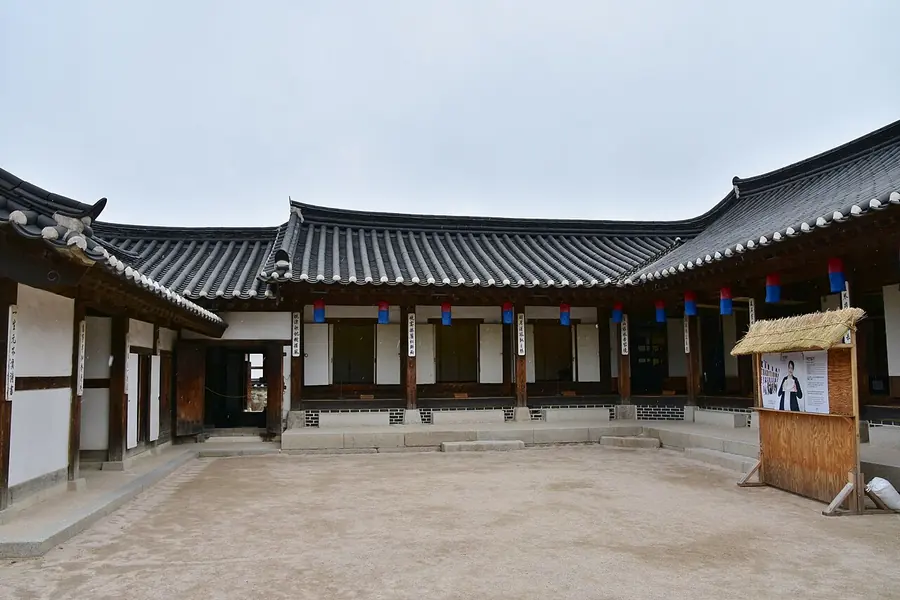
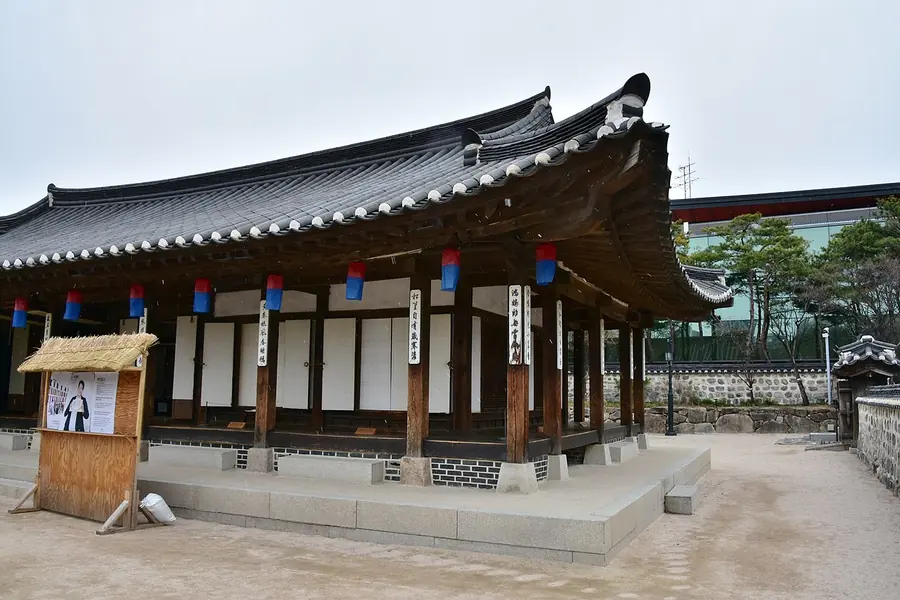
Namsangol is a city-maintained open-air museum of five reconstructed aristocratic hanok houses set in terraced gardens on the north slope of Namsan mountain. It lacks the lived-in authenticity of Bukchon but offers something Bukchon doesn't: space, quiet, and free cultural performances on weekends. The time capsule buried here in 1994 is due to be opened in 2394.
836 metres above a city of 10 million. The contrast never gets old.
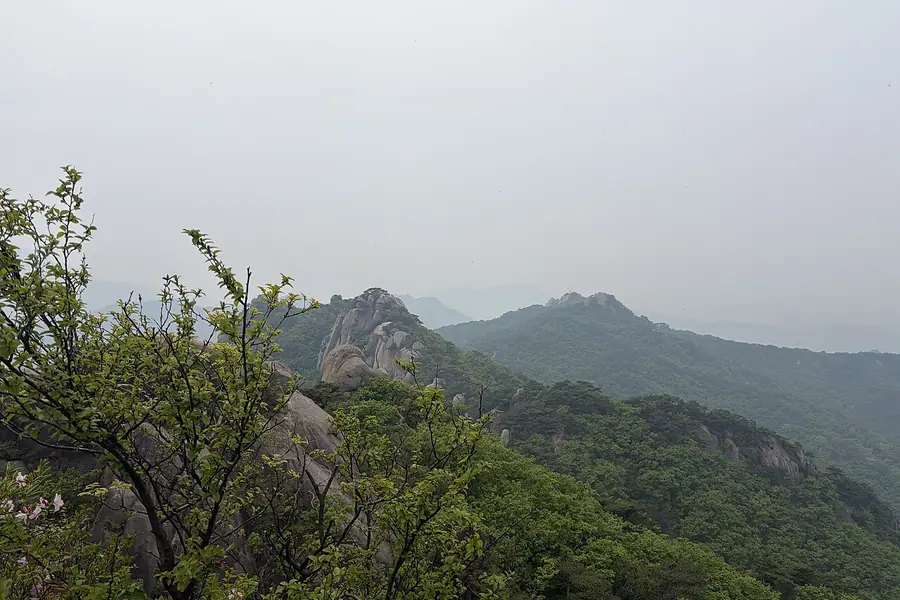
Take the 4 or 4-1 bus from Gireum Station to the Bukhansan Uisangbong trailhead. The Baegundae Peak trail (3.6km each way) gains 500 metres and ends on bare granite with Seoul spread beneath you in every direction. Carry water, wear trail shoes, go before 11AM in summer. The descent passes the Bukhansanseong Fortress wall — one of the longest surviving mountain fortresses in Korea.
Street tents, soju, and the best post-hike meal in the city.
The pojangmacha (orange tent street carts) along Jongno 3-ga are Seoul's oldest food culture and they peak at dinner. Order sundae (blood sausage), odeng (fish cake skewers), and makgeolli (rice wine) and sit on a plastic stool at a communal table. You will be offered soju within seven minutes. Accept it.
Day 5
Dongdaemun + Cheonggyecheon + Gwangjang Market
The stream, the market, and the design museum that looks like a spaceship
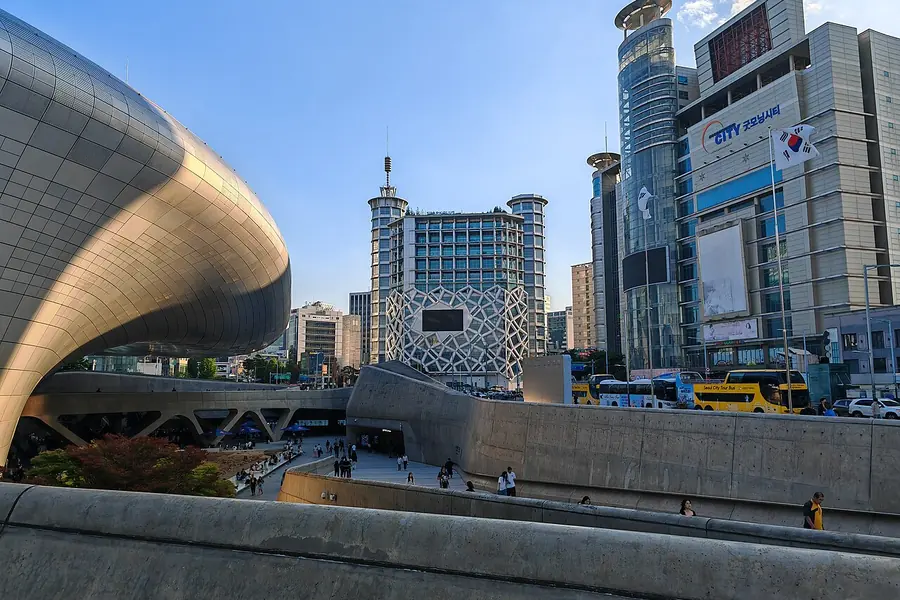
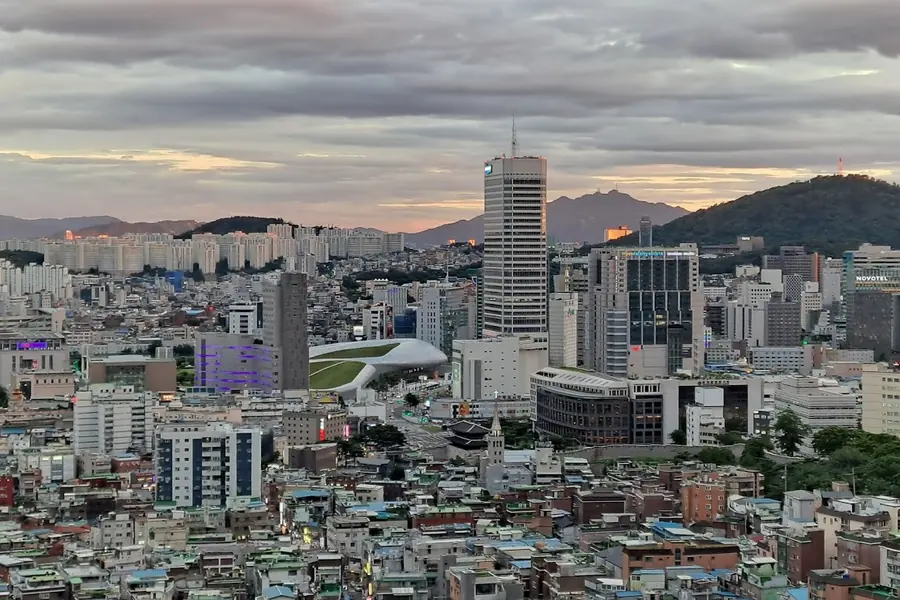
Day 5 is Seoul without a filter. The Cheonggyecheon stream is a restored urban waterway running through downtown — peaceful at 9AM and surreal by dinner when the light installations come on. Gwangjang Market is the oldest and best covered market in Seoul. Dongdaemun Design Plaza is Zaha Hadid's silver alien spaceship parked in the middle of the textile district. All three within a 2km walk.
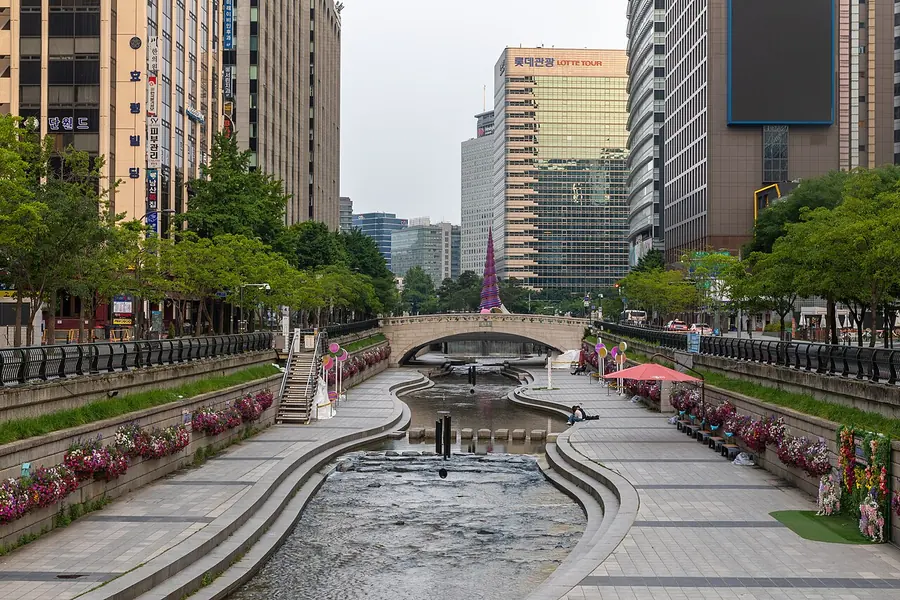
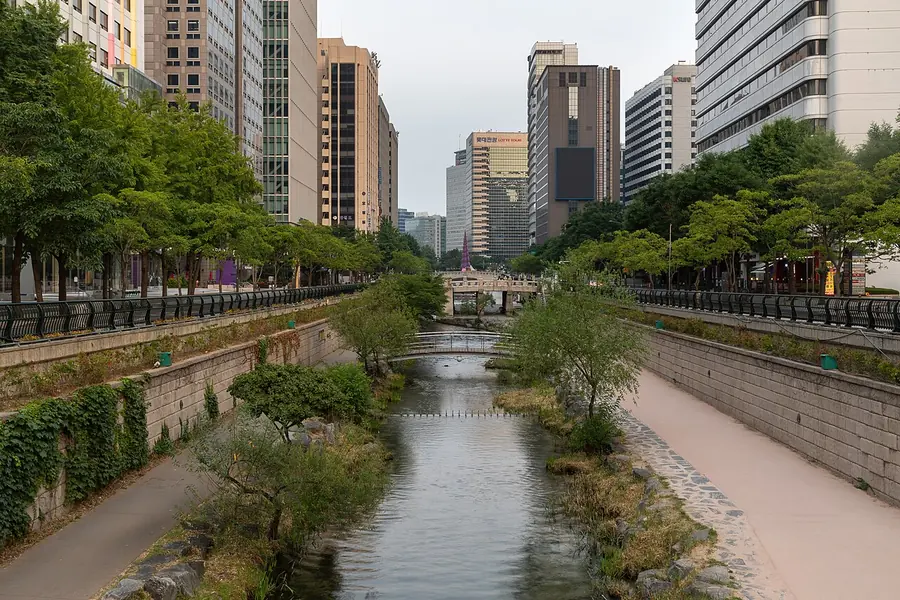
Cheonggyecheon Stream (Gwanghwamun end)
A highway was demolished to build this. The city hasn't looked back.
The 10.9km restored stream runs from City Hall east to the Han River, walkable at water level below the city streets. Start at the Cheonggye Plaza fountain (next to City Hall) and walk east toward Gwangjang. The stream path is cool, quiet, and lined with willows — jarring in the best way given the eight-lane highway that used to be here.
Korea's oldest market and the only place to eat bindaetteok at 11AM.
Open since 1905. The covered central hall is food-first: pajeon (spring onion pancake), mayak kimbap (addictive small rolls — mayak means narcotic, which is honest), and bindaetteok (mung bean pancakes) fried fresh in front of you. The fabric sections on the upper floors sell raw silks and pojagi wrapping cloth at prices that make tailors weep with joy.
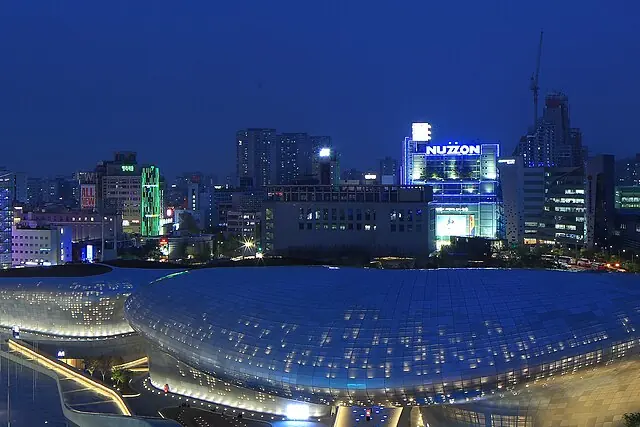
Zaha Hadid poured 45,000 unique aluminium panels into this. It shows.
The DDP is genuinely one of the most extraordinary contemporary buildings in Asia — 86,574 square metres of undulating aluminium with no straight lines anywhere in the structure. The galleries inside rotate quarterly; the museum shop is excellent; the rooftop rose garden is free. The night market around the perimeter runs until 5AM and is the heart of Seoul's wholesale fashion industry.
The market that never closes, literally — 24 hours, seven days.
The Doota and Migliore buildings open at 10AM and run to 5AM. The outdoor market around DDP sets up from 9PM. If you have any interest in fashion at any budget, this is mandatory. If you don't, the sheer scale of it — towers of neon, thousands of stalls, buyers from across Asia with rolling suitcases — is worth seeing purely as spectacle.
Day 6
Gangnam + COEX + Apgujeong
Polished Seoul: the mall beneath the city and the street that inspired a global earworm
Gangnam is not the South Korea from the PSY video — or rather, it is, but it's also a serious business and design district with Asia's largest underground mall and the country's most concentrated luxury retail. Apgujeong Rodeo Street has K-pop agency buildings, plastic surgery clinics, and the best cold brew in the city. The contrast with Insadong is vertiginous. That's the point.
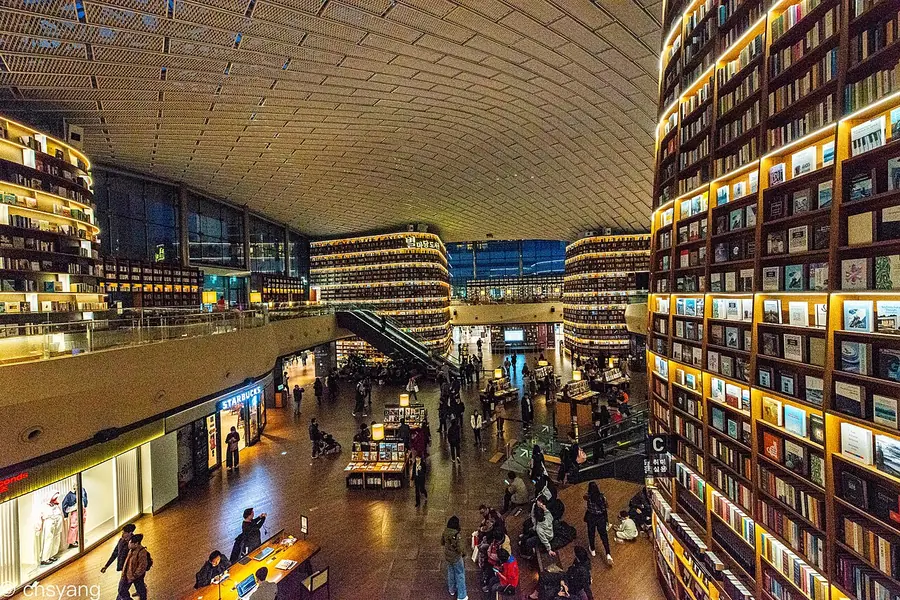
COEX Mall + Starfield Library
The largest underground shopping mall in Asia, with a library inside it.
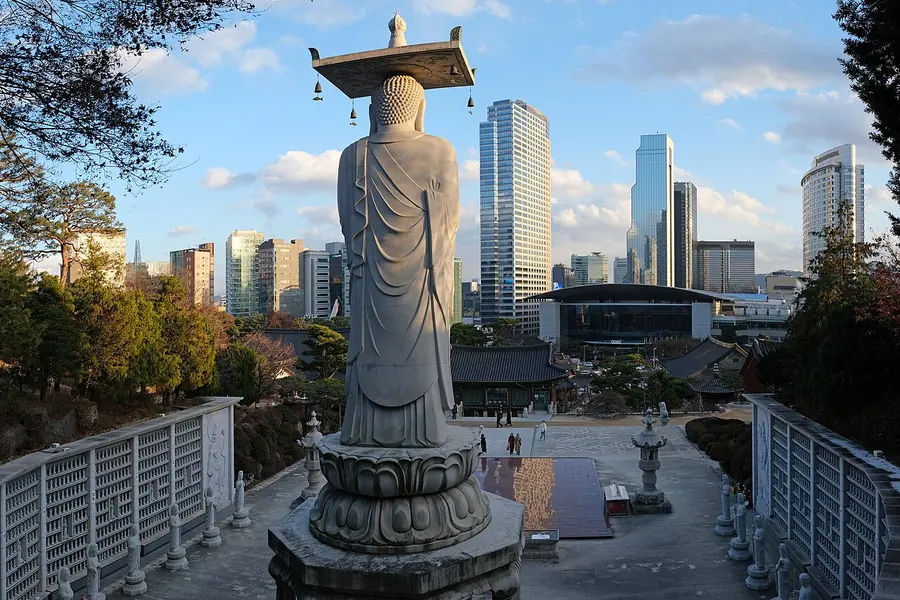
COEX runs beneath the entire Bongeunsa temple block. The Starfield Library — a two-storey open stack of 50,000 books in the mall's central atrium — is one of the most photographed spaces in Seoul and deserves to be. The aquarium below is excellent if you're travelling with children or simply enjoy looking at things that glow. Bongeunsa temple sits serenely above it all, having been there since 794 AD.
Where K-pop gets made, marketed, and consumed in real time.
Walk Apgujeong Rodeo Street from SMTOWN (SM Entertainment's flagship store) north toward Garosu-gil (tree-lined street). The Rodeo strip has agency cafés, idol merchandise shops, and the kind of cold brew that costs more than a bowl of naengmyeon but is genuinely exceptional. Garosu-gil is Seoul's answer to Shoreditch — boutiques, architecture offices, and restaurants that don't need to advertise.
Grilled pork belly, soju, and a table that does all the work.
Find a table-grill samgyeopsal restaurant on the side streets off Gangnam Station — the ones with the ventilation hoods and banchan (side dish) service. Three kinds of pork belly, sesame oil dipping sauce, perilla leaves, and a shot of soju after each piece. This is not fancy. This is exactly right.
Norebang (Private Karaoke) — Gangnam
Private rooms, tambourines, and no shame required.
Norebang is not karaoke — it's a private room where you and your group hire the space by the hour, with a song library of 50,000 tracks, a tambourine in the corner, and a button to summon more snacks. The ones in Gangnam are the most polished. The ones in Hongdae are the most fun. Either will make you regret not doing this every weekend of your adult life.
Day 7
Jongno + Gwanghwamun Square — Farewell
The goodbye Seoul makes very difficult
Last day. Don't add anything new. Go back to Gyeongbokgung at golden hour if the timing works, or sit by the Cheonggyecheon stream with iced coffee and accept that you should have booked a longer trip. Buy the good kimchi from Gwangjang. It will survive the flight.
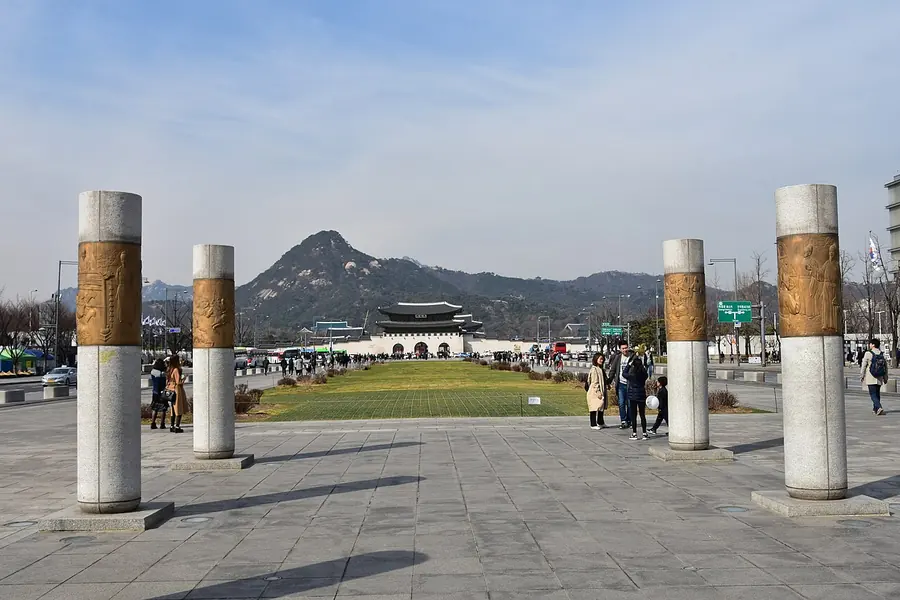
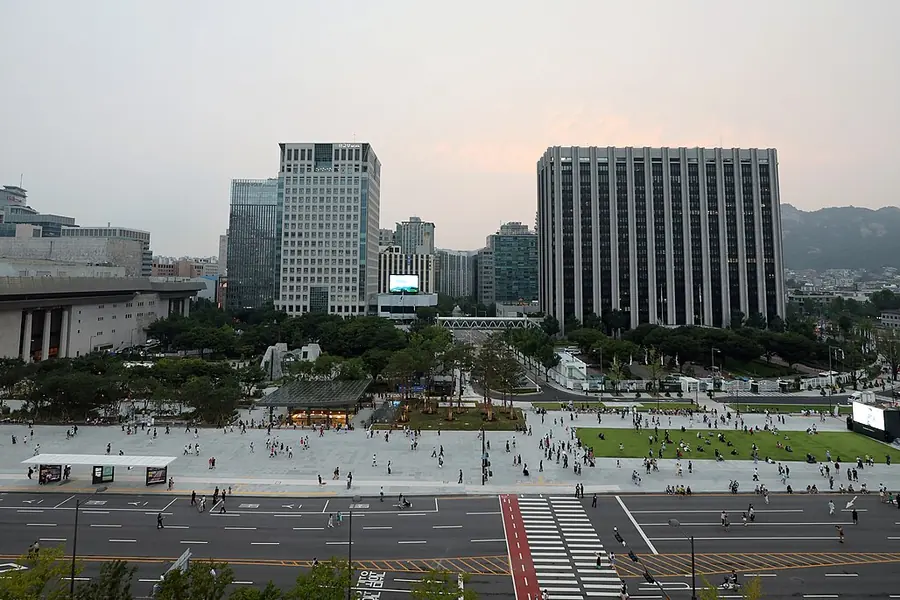
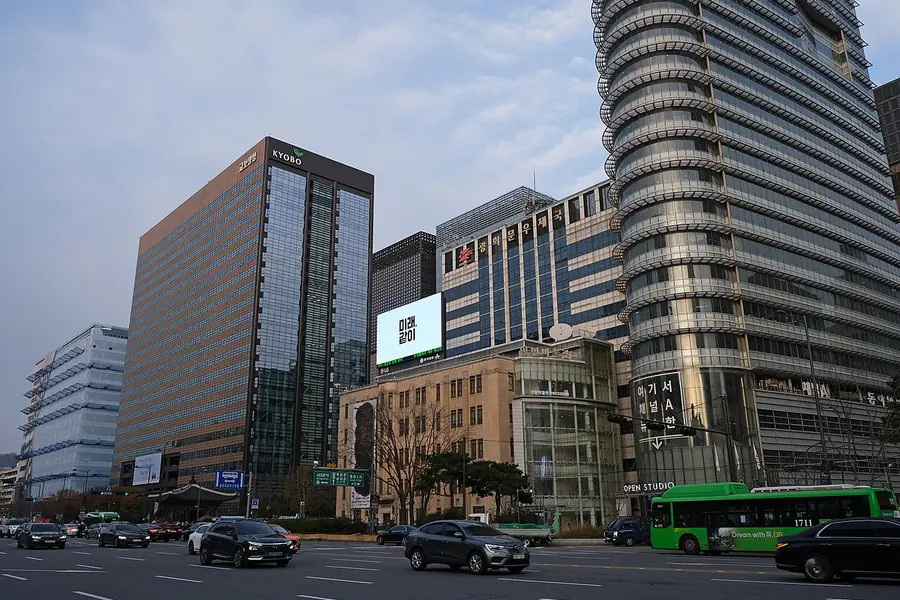
Gwanghwamun Square (early)
The civic heart of Korea, best when it belongs to the joggers.
Gwanghwamun Square in front of the palace gate is genuinely beautiful in the early morning — Admiral Yi Sun-sin's statue, King Sejong's underground museum, and the Bugaksan mountain backdrop all visible without the midday press of tourists. Walk it once, then walk to the Gyeongbokgung parking lot tteok-bokki cart that sets up at 9AM. It's the best ₩4,000 breakfast in Seoul.
The queued-for soup that has anchored Jongno since 1983.
Tosokchon is a 40-year institution serving one dish: samgyetang — a whole small chicken stuffed with glutinous rice, ginseng, jujube, and garlic, slow-cooked in broth. The queue is always there and moves in 20 minutes. This is the correct final meal. It is restorative in a way that is almost aggressive.
Hanji paper goods, celadon pottery, and the tea you forgot to buy.
Back to where the trip started, because Seoul is a city that circles back. Ssamziegil for hanji notebooks, Insa-dong 12-gil for ceramics, and the basement market for dried persimmon and jujube tea that will survive in your checked luggage without incident. Skip the themed K-pop shops on the main strip. Find the hand-papermaking studio on the second floor of the east building and buy something made in Seoul by someone who lives there.
43 minutes, direct, and you can check your bags at Seoul Station.
The AREX all-stop train from Seoul Station to Incheon Airport T1 runs every 5 minutes and takes 43 minutes. Critically: you can check your airline bags at Seoul Station up to 3 hours before departure (select airlines) and walk through immigration at the airport without queuing. This is not a trick. This is just Korea being good at logistics.
Seoul is the city that ambushes you. You arrive expecting the K-pop and the palaces — and you get them — but you don’t expect the way a 600-year-old hanok village sits three streets from a glass tower designed by Zaha Hadid, or the way a mountain national park begins at the end of a suburban bus route, or the way a grandmother running a pojangmacha tent in Jongno will pour you rice wine before you’ve even sat down because that is simply what you do.
The 2/3/4/7-day splits in this itinerary are not just edits of each other — they represent different relationships with the city. Two days is tourist Seoul, executed well. Four days is the version where you start to notice that the city has layers you haven’t reached yet. Seven days is the version where you realise you have a favourite pojangmacha and you are giving someone else directions in the subway and you should have booked a longer trip.
2-Day
7-Day
Pace
Rapid, curated
Unhurried, exploratory
Neighbourhoods
Jongno, Myeongdong
+ Hongdae, Gangnam, Dongdaemun
Palaces
Gyeongbokgung
+ Changdeokgung Secret Garden
Food depth
Street food hits
Full market immersion
Hiking
No
Bukhansan ridge trail
Nightlife
Itaewon
+ Hongdae live music, norebang
Budget (per person)
$280–$480
$1,100–$1,800
Best for
Layover, first sample
First proper visit
This article contains affiliate links marked with rel="sponsored". We may earn a commission at no extra cost to you.