My plan was one glass of txakoli and an early night. Three hours later I was six bars deep into the Old Town, holding a toothpick, arguing with a stranger named Iker about whether the gilda or the tortilla was the superior pintxo, and losing badly. In San Sebastian you do not sit down to dinner. You stand, you point at the best-looking thing on the bar, you drink the fizzy white wine poured from a great height, and you move on before you get comfortable. By bar seven I had abandoned the early night and conceded the gilda point. Iker was right. Come hungry; skip the first-night reservation.
The Perfect San Sebastian Itinerary (2, 3, 4 & 7 Days)
Two days nails the essentials. The golden curve of La Concha beach, the view from Monte Igueldo, and a proper pintxos crawl through the Old Town, bar by bar, toothpick by toothpick. Compact, delicious, and entirely walkable.
Do not reserve for the first night. Pintxos are a standing, moving feast; just follow the locals.
72 Hours: The Three Beaches and Gros
Three days adds the surfer neighbourhood of Gros and Zurriola beach, a hike up Monte Urgull, and time for a proper sit-down Basque lunch. You start to feel the rhythm of the city rather than just ticking it off.
4 Days: Michelin and the Hills
Four days lets you book one of the great restaurants, climb both headlands, and slow down into the long Spanish lunch and late dinner rhythm. This is the trip where San Sebastian becomes a way of life, not a checklist.
7 Days: The Whole Basque Coast
A week opens up the wider Basque Country. Bilbao and the Guggenheim, the fishing village of Getaria and its txakoli vineyards, a hop across the border to French Biarritz, and the dramatic flysch coast at Zumaia. San Sebastian as your beautiful, edible home base.
Estimated budget:$380-$680
Estimated budget:$560-$1000
Estimated budget:$760-$1400
Estimated budget:$1400-$2700
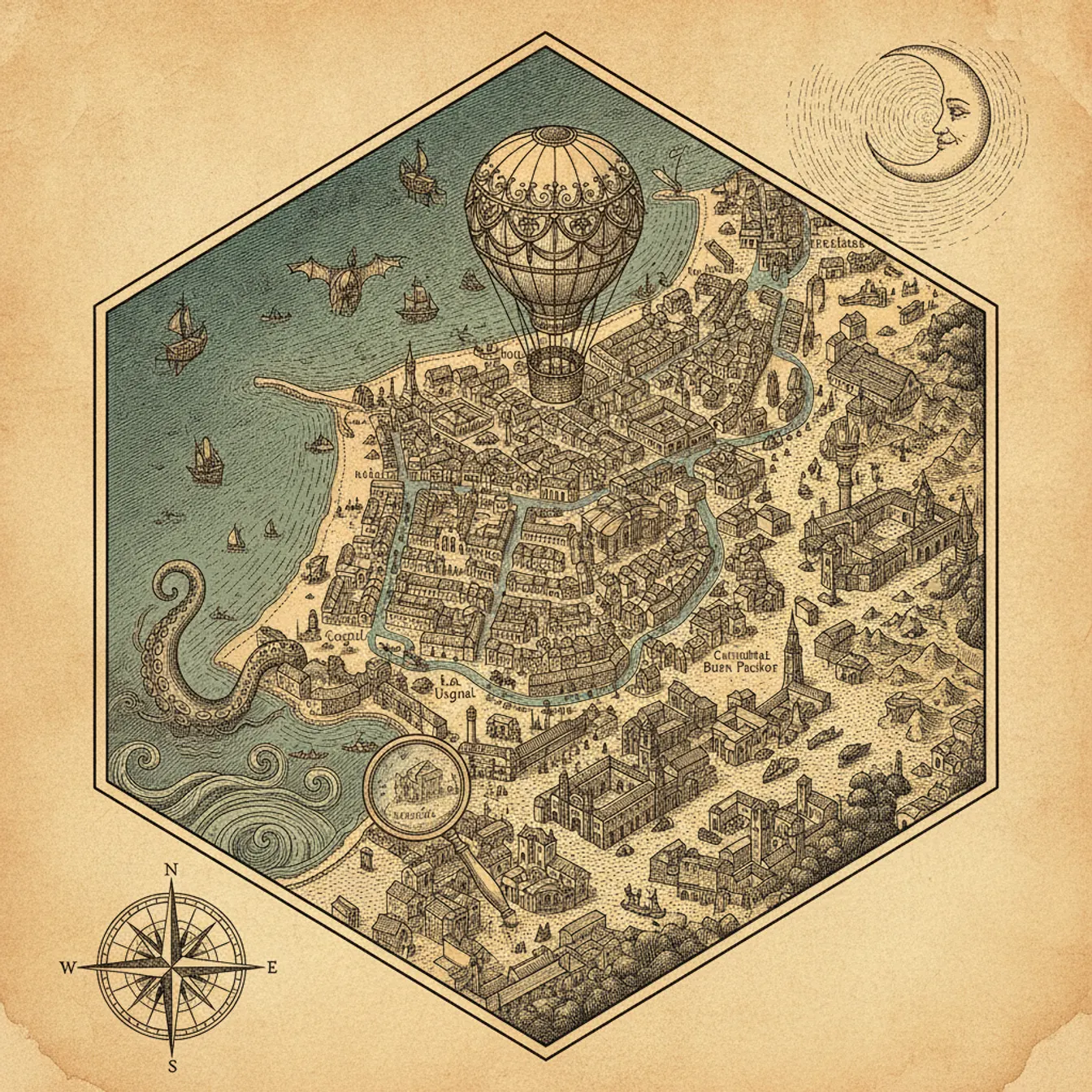
[ THE DISPATCH · FIELD MAP ]
A tilted, hand-drawn dispatch of San Sebastian. Click a quarter to explode it open.
0 / 5 quarters explored
Legend · tap to highlight
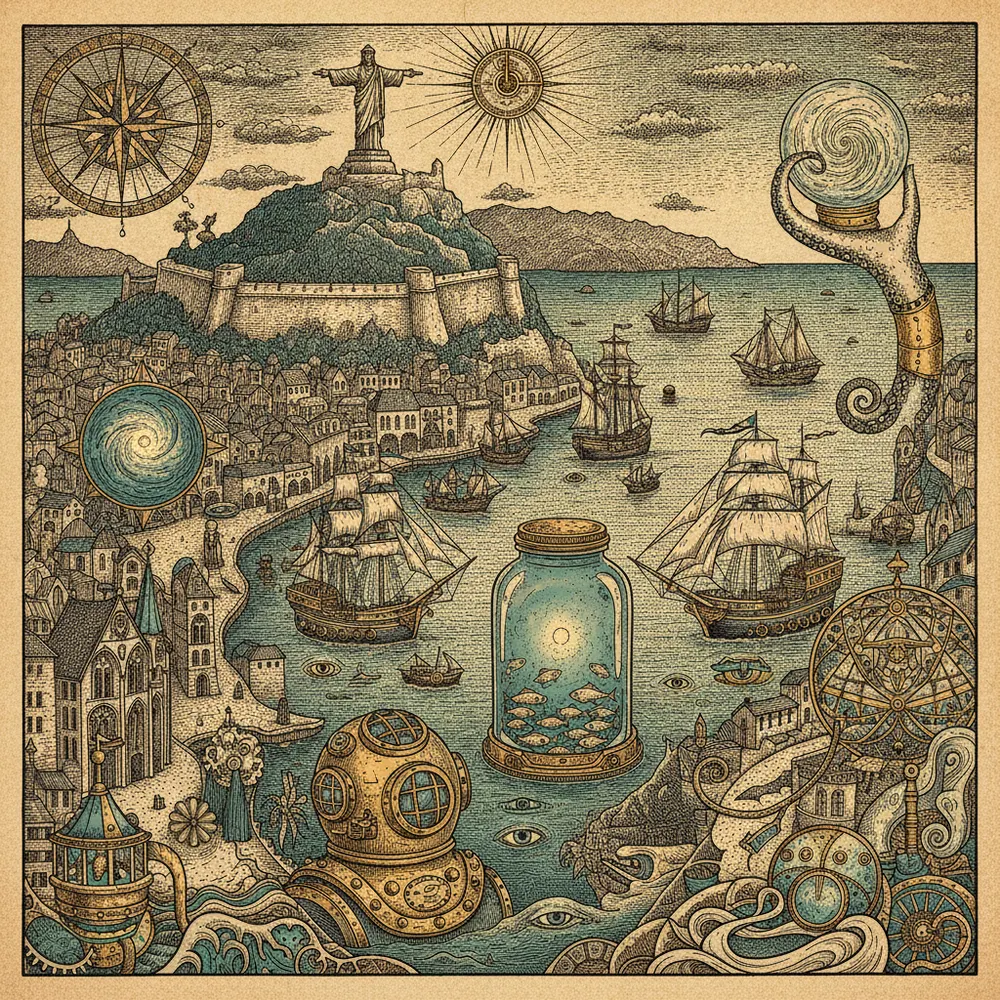
[ PARTE VIEJA (OLD TOWN) ]
Old stones, older stories.
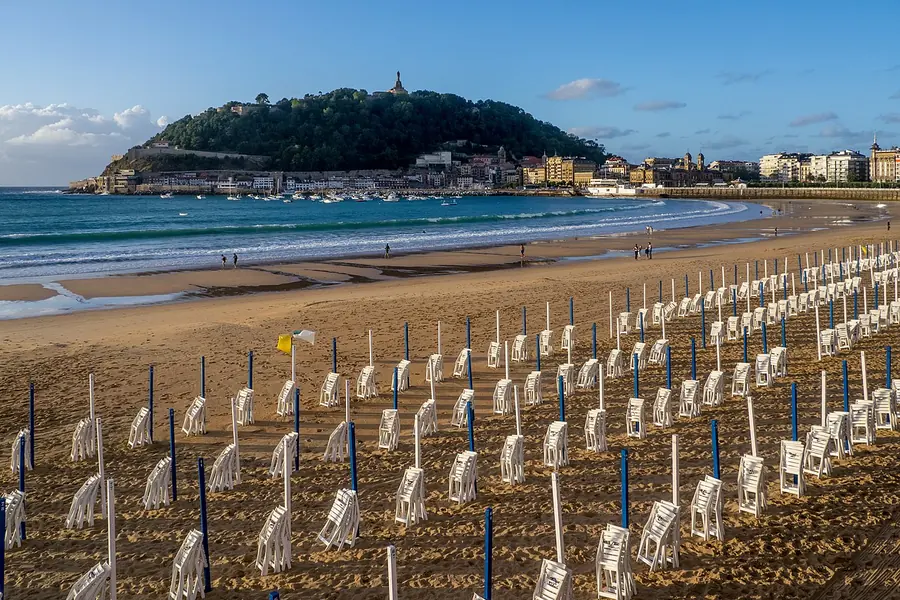
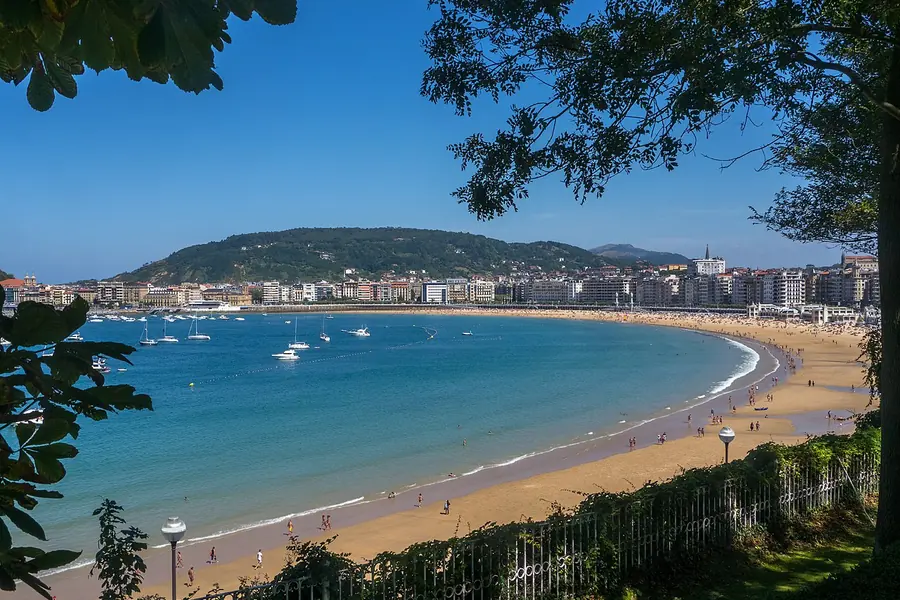
La Concha BeachA perfect golden scallop of sand, framed by hills and an island, in the middle of the city.
Parte Vieja (Old Town)The dense, joyful warren of stone lanes where the pintxos magic happens.
[ LA CONCHA & MONTE IGUELDO ]
Where the city meets the water.
Old Town pintxos crawlStanding, pointing, eating, and moving on, the only correct way to dine here.
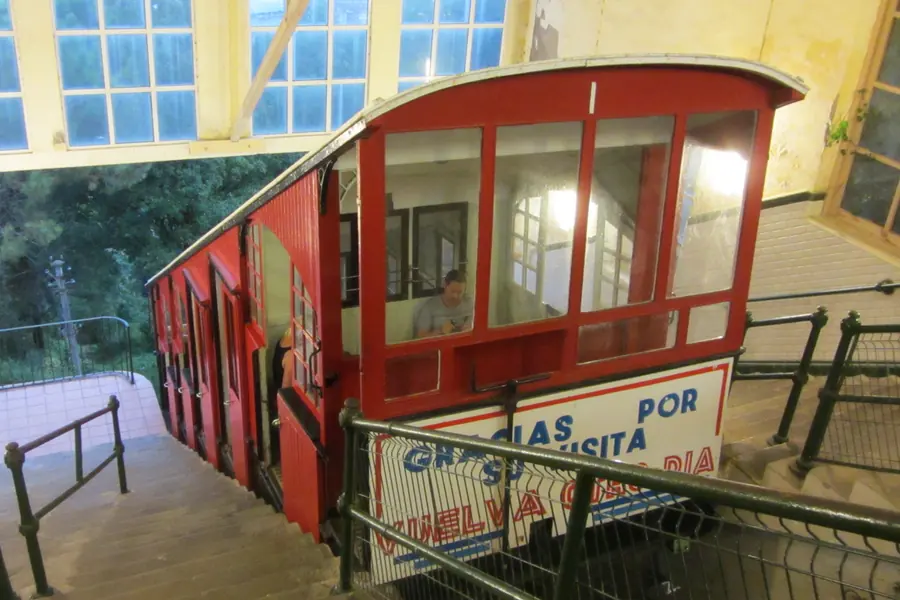
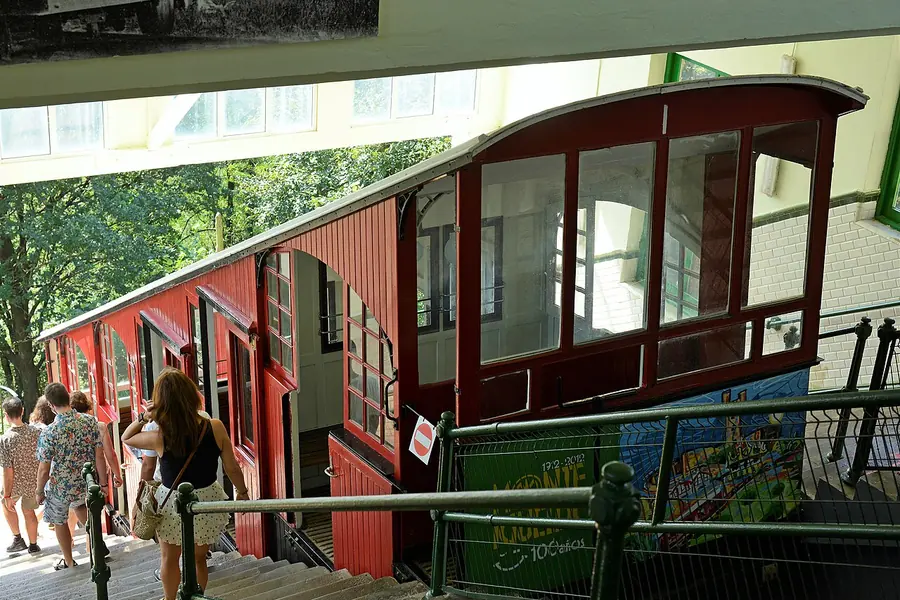
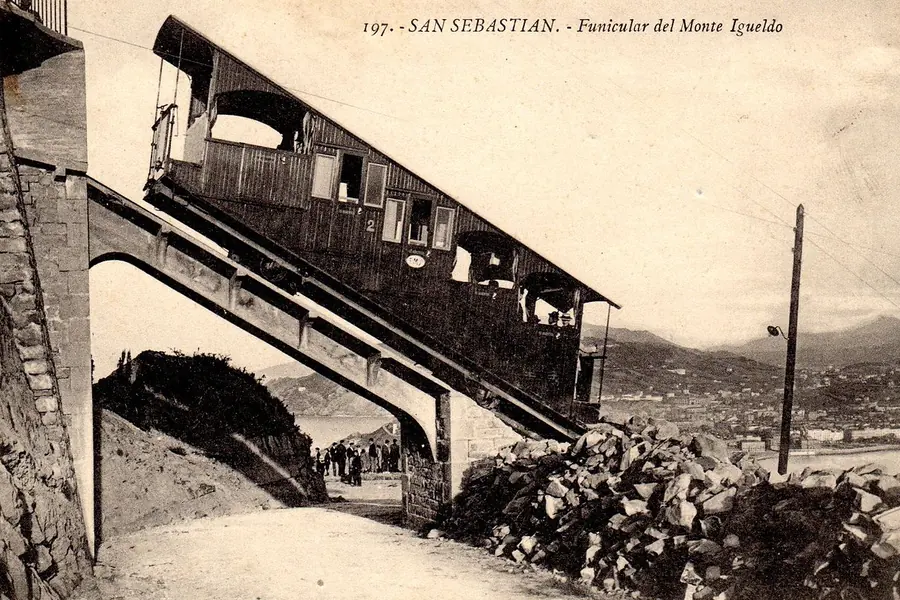
Monte Igueldo and the funicularA 1912 funicular up to a creaky old amusement park and the classic bay view.
[ GROS & ZURRIOLA BEACH ]
Where the city meets the water.
Zurriola Beach and GrosThe surfer's beach and the city's coolest, most local neighbourhood.
Monte UrgullA leafy hilltop fortress over the Old Town, crowned by a giant statue of Christ.
[ MONTE URGULL & THE PORT ]
Green breathing room.
A long Basque lunch in the portGrilled fish and txakoli at the harbour, the way Donostia does midday.
A three-star lunch: Arzak or AkelarreOne of the world's great kitchens, in a city with more Michelin stars per capita than anywhere.
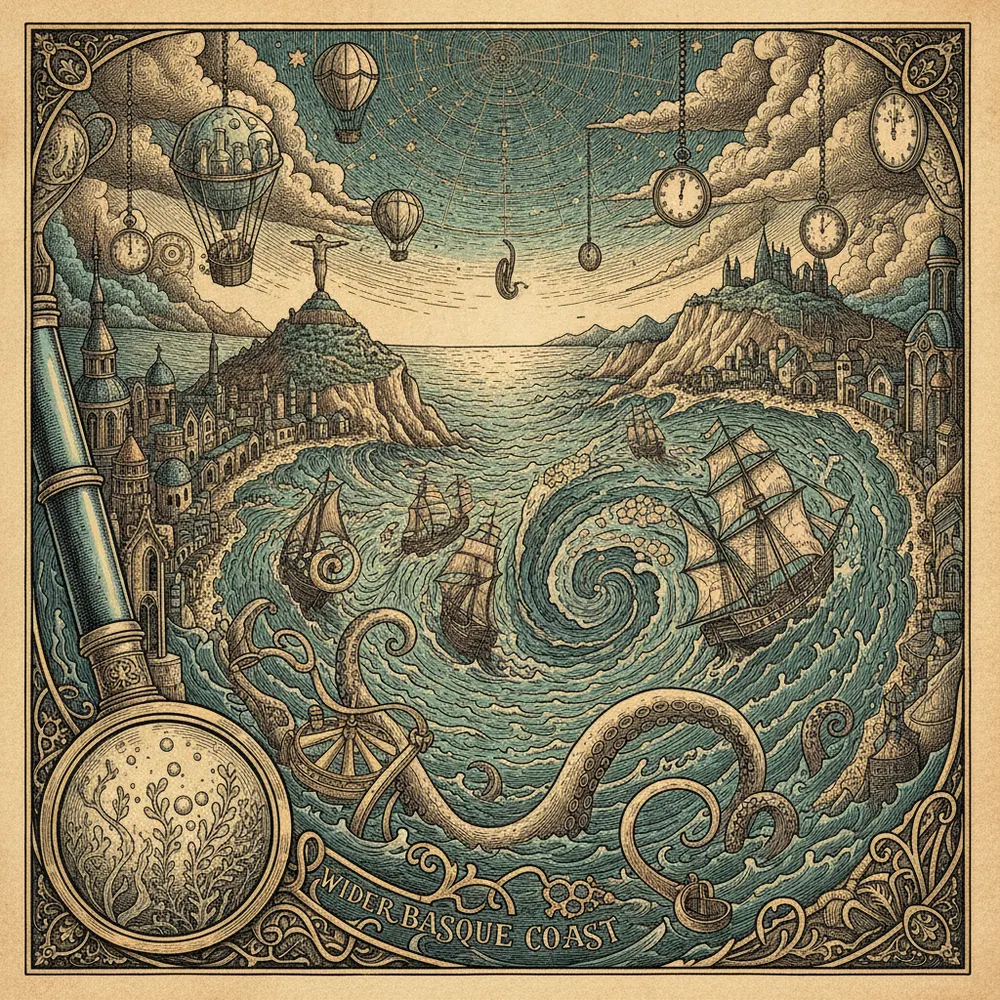
[ THE WIDER BASQUE COAST ]
Boats, bridges and reflections.
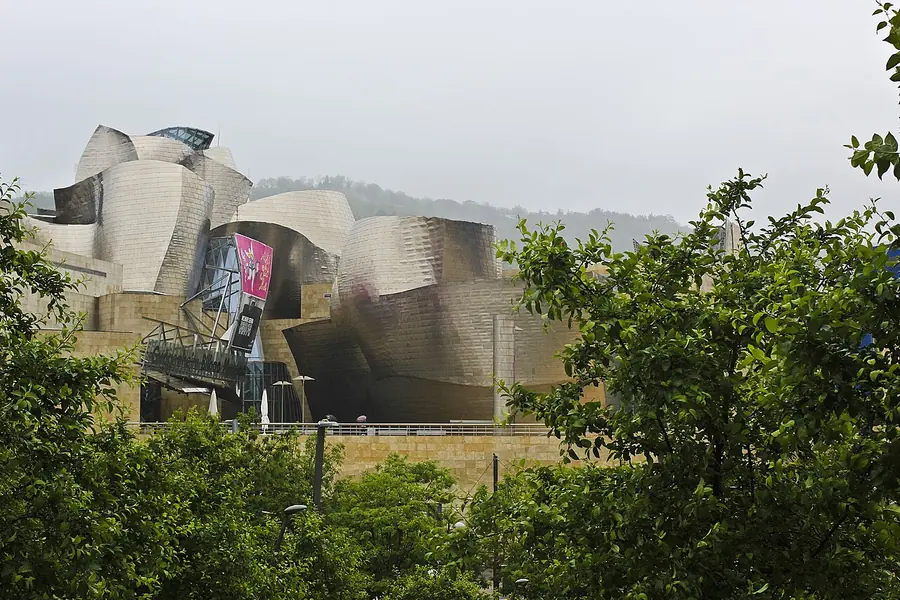
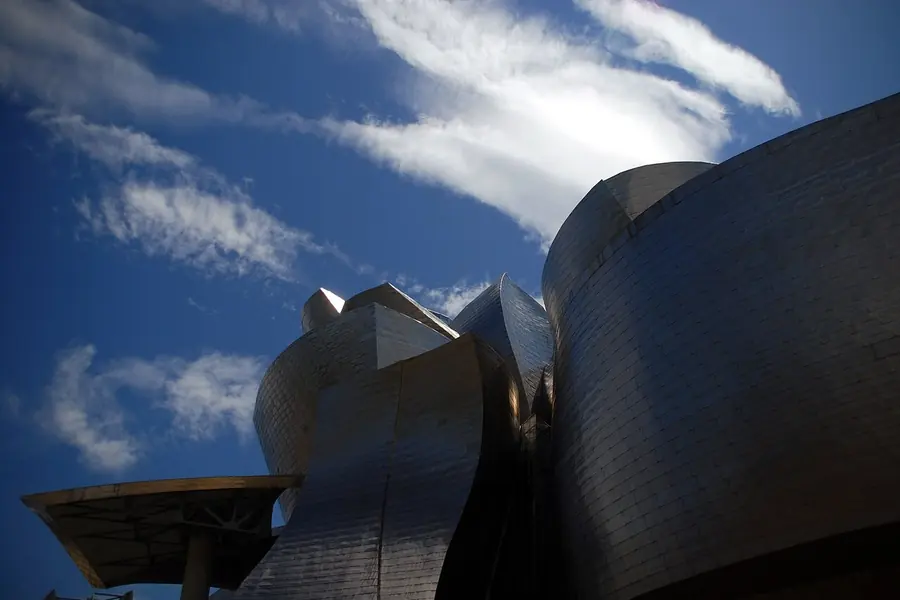
Guggenheim Museum BilbaoFrank Gehry's titanium ship that single-handedly reinvented a whole city.
Bilbao Casco Viejo and pintxosThe old quarter's seven streets, with a grittier, bargain take on pintxos.
Day 1
La Concha and the Old Town
The beach and the first pintxos crawl
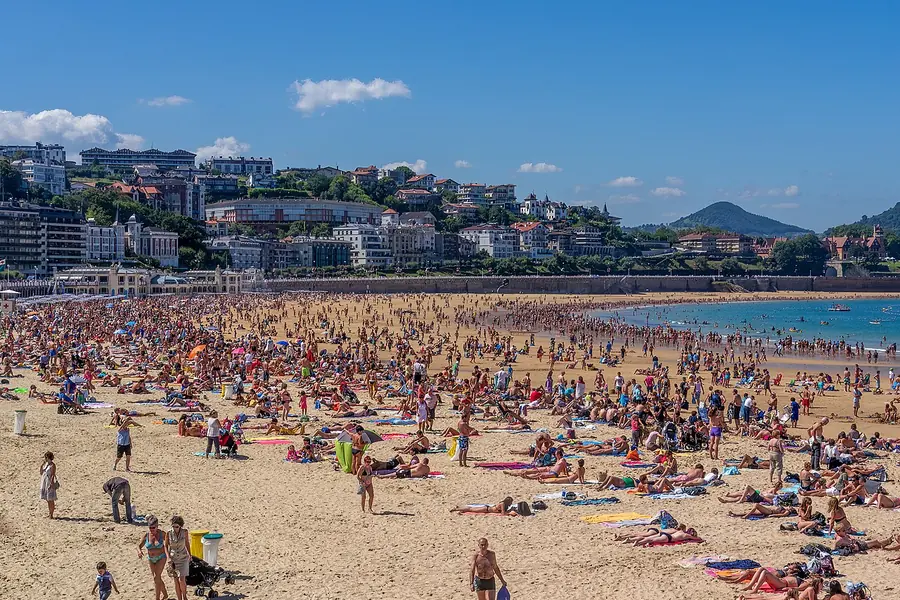
La Concha Beach
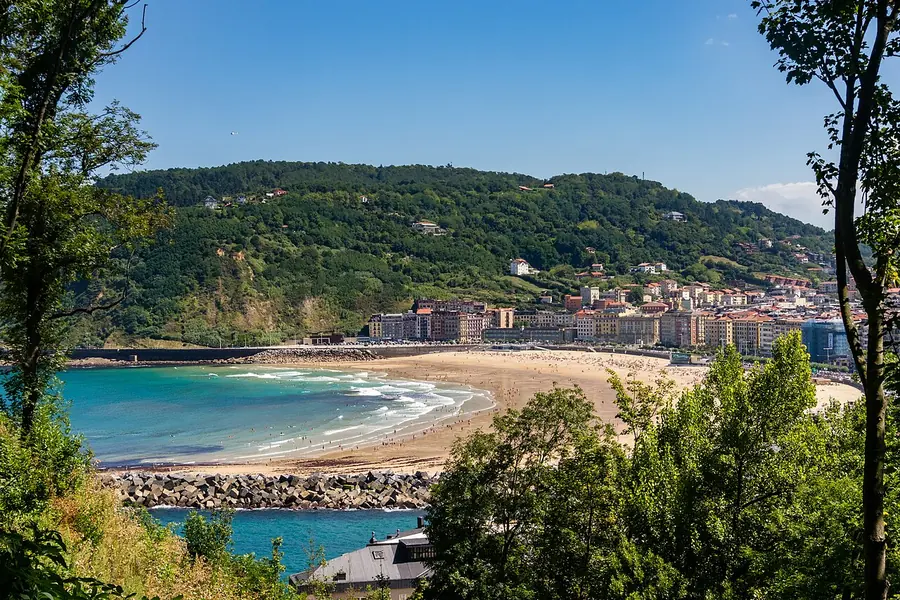
A perfect golden scallop of sand, framed by hills and an island, in the middle of the city.
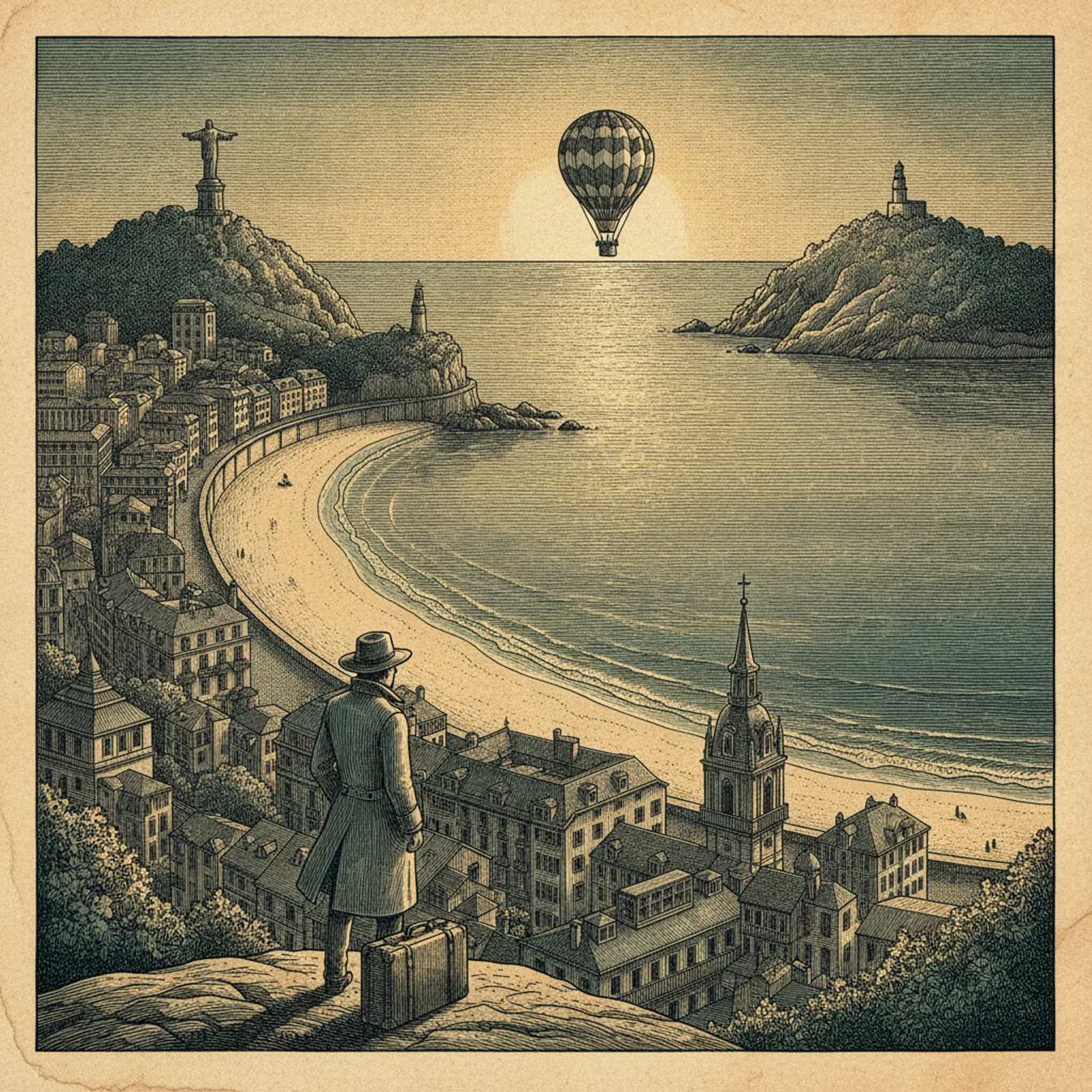
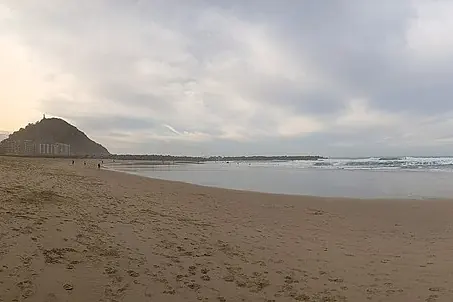
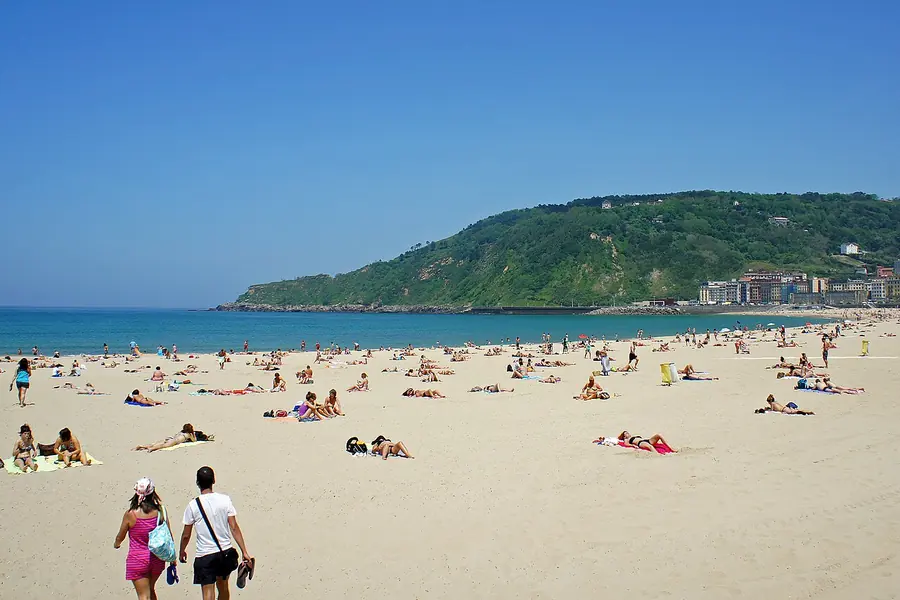
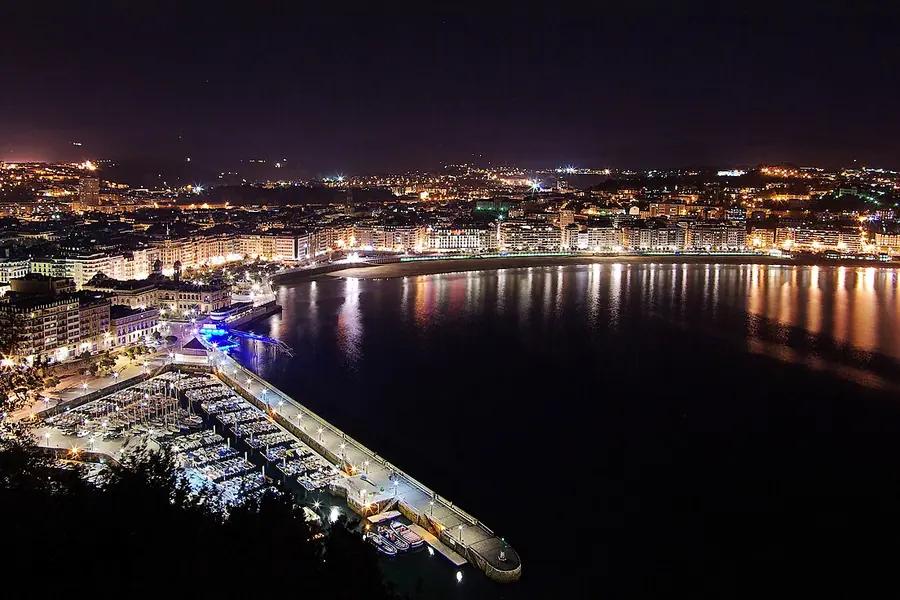
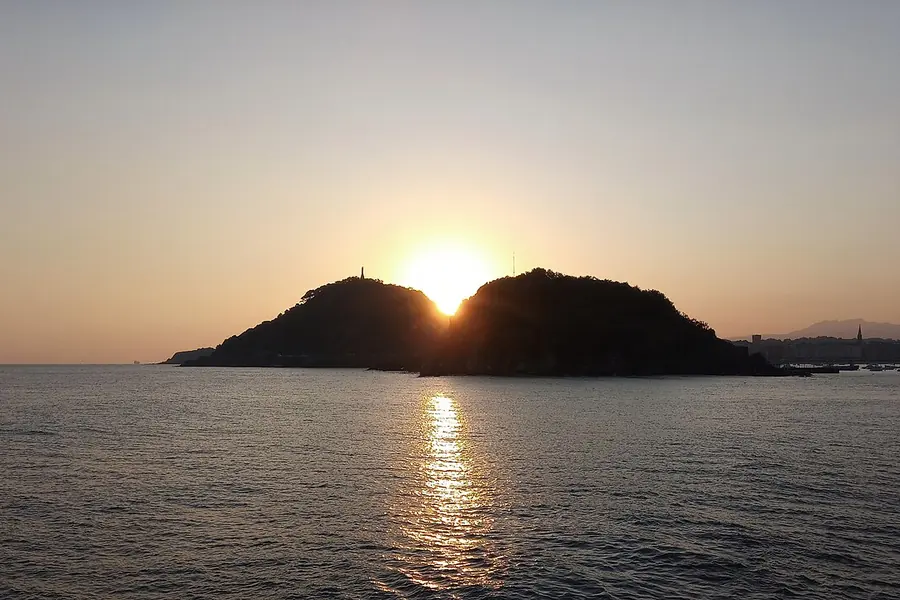
La Concha is one of the most beautiful urban beaches in Europe, a flawless crescent of golden sand curving along the bay with Monte Urgull at one end and Monte Igueldo at the other and Santa Clara island floating in the middle. Walk the elegant white-railing promenade, swim in the calm bay, and understand instantly why this city has been a royal resort for over a century.
The dense, joyful warren of stone lanes where the pintxos magic happens.
The Parte Vieja, the Old Town, is a tight grid of stone streets packed with bars, churches, and the lovely Plaza de la Constitucion, its balconies numbered from its old life as a bullring. By day it is calm and atmospheric; by evening it becomes the densest concentration of great food on earth. Get your bearings now around Calle 31 de Agosto, then come back hungry.
Standing, pointing, eating, and moving on, the only correct way to dine here.
San Sebastian invented the modern pintxo, and the only way to eat is to crawl: one or two bites and a small glass at each bar, then on to the next. Hit Gandarias for the solomillo, Borda Berri for the braised cheek and risotto, Bar Nestor for the legendary tomato salad and tortilla (arrive early, it sells out), and La Cuchara de San Telmo for the off-menu hot pintxos. Pace yourself.
Day 2
Monte Igueldo and the Views
Up the funicular and around the bay
Monte Igueldo and the funicular
A 1912 funicular up to a creaky old amusement park and the classic bay view.
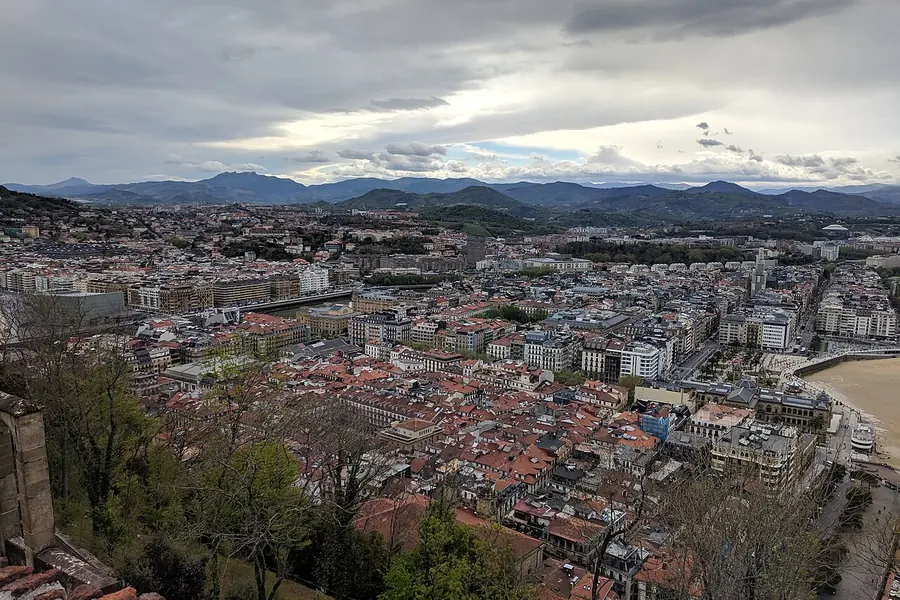
A wonderfully old-fashioned 1912 funicular climbs Monte Igueldo at the western end of the bay, where a charmingly dated little amusement park and a viewpoint deliver the postcard panorama of La Concha and the whole city. Ride up for the view, not the rides, though the rickety old roller coaster on the cliff edge has its fans. Go on a clear morning for the best light.
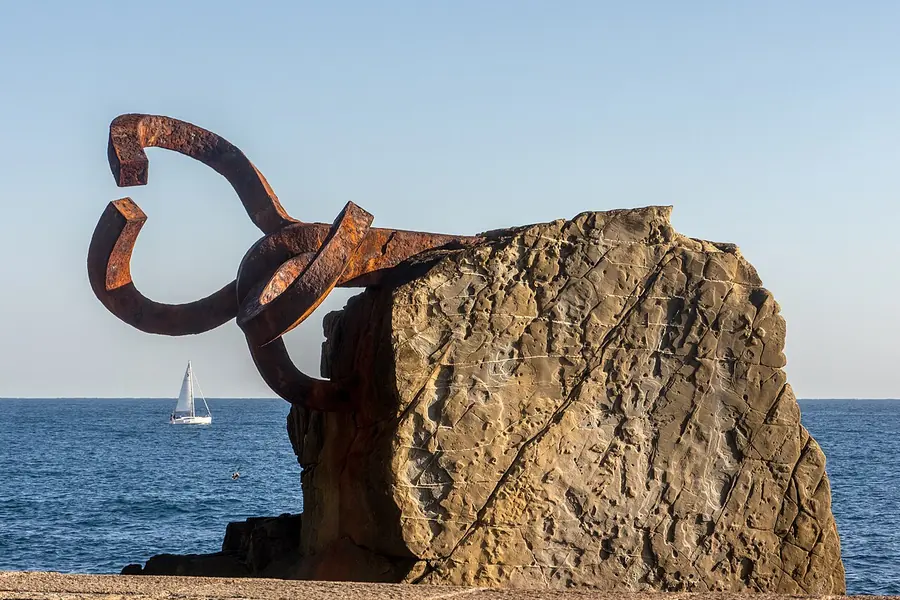
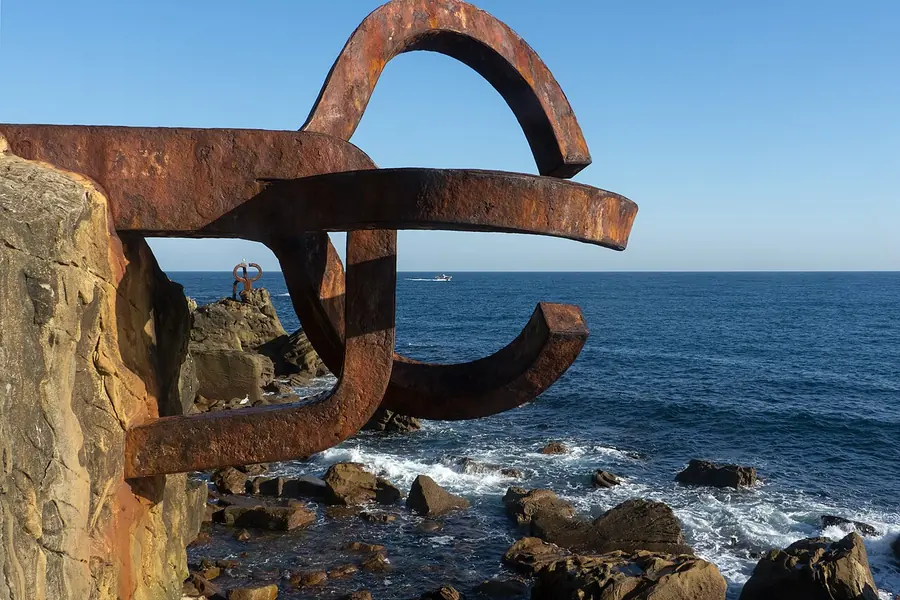
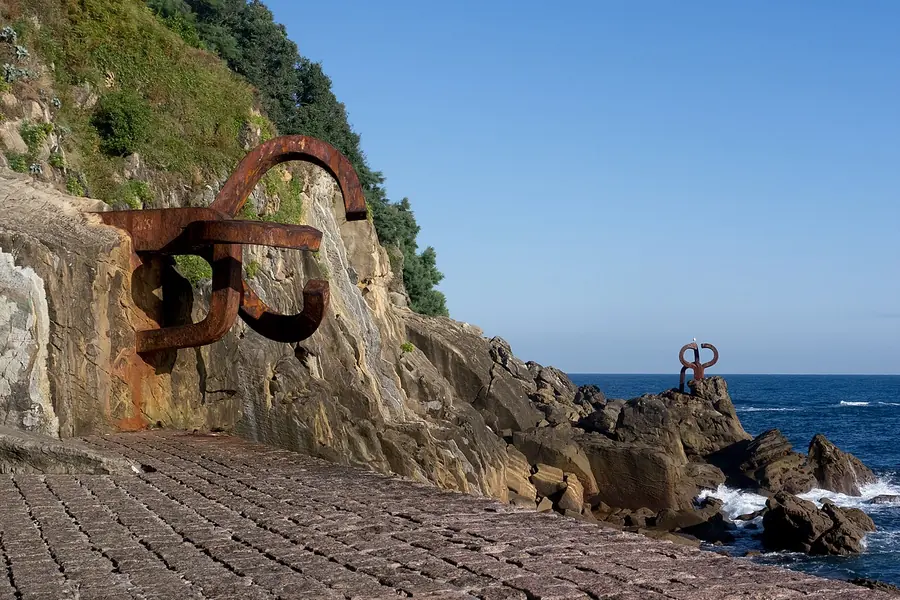
Chillida's iron sculptures bolted into the rocks where the sea explodes through vents.
At the foot of Monte Igueldo, Eduardo Chillida's Peine del Viento is a set of rusted steel claws anchored into the rocks at the end of the bay, where on a rough day the sea blasts up through stone vents in the plaza. It is the city's most beloved piece of public art and a mesmerising spot to watch the Atlantic. Time a visit for high tide and a bit of swell.
The blistered, jiggly cheesecake that conquered the internet, at its birthplace.
The famous Basque burnt cheesecake, that crackly-topped, custardy, deliberately scorched slab, was born at La Vina in the Old Town. Order a slice with a glass of sweet wine and taste the original before every cafe on earth started copying it. It is rich, simple, and worth the queue. End an evening here, or fold it into your pintxos crawl as the sweet finish.
Day 3
Gros, Zurriola, and Monte Urgull
Surf beach and a hilltop fortress
Zurriola Beach and Gros
The surfer's beach and the city's coolest, most local neighbourhood.
Across the river from the Old Town, Zurriola is the city's surf beach, rougher and breezier than La Concha, fronting the hip neighbourhood of Gros. Rent a board or just watch the surfers, then explore Gros's relaxed bars and the bold Kursaal cultural centre on the seafront. This is where young Donostiarras actually hang out, away from the tourist crush.
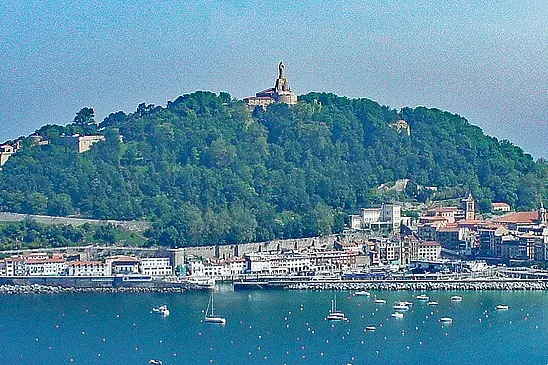
A leafy hilltop fortress over the Old Town, crowned by a giant statue of Christ.
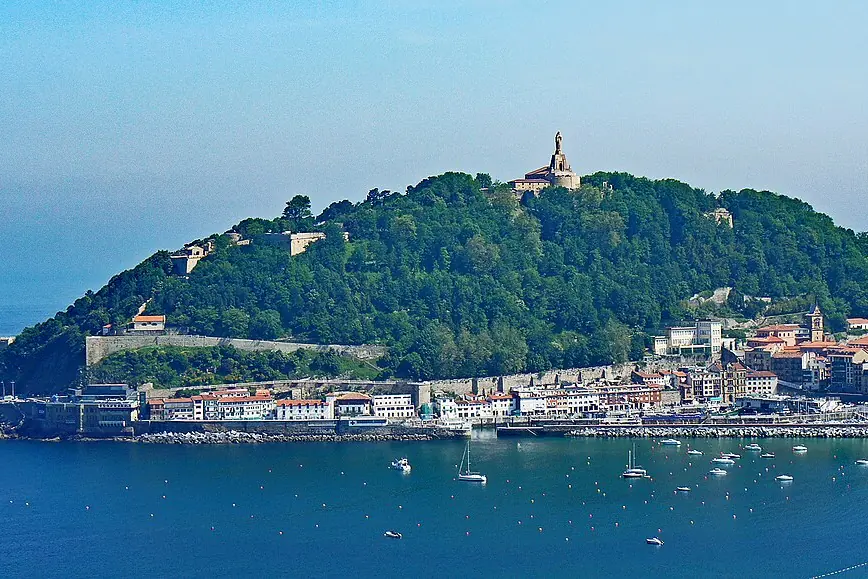
Monte Urgull rises right behind the Old Town, a wooded hill topped by the Mota Castle and a huge statue of Christ overlooking the bay. Wind up the shady paths past old cannon batteries to the summit for a sweeping view over La Concha, the port, and the rooftops. It is a short, rewarding climb and a green lung in the heart of the city.
Grilled fish and txakoli at the harbour, the way Donostia does midday.
Down in the little fishing port below Monte Urgull, the harbour restaurants grill the day's catch simply and superbly. Have a proper Spanish lunch, whole grilled turbot or hake, glasses of crisp txakoli, eaten slowly the way the Basques do, well into the afternoon. It is the civilised, sit-down counterpoint to the standing chaos of the pintxos bars.
Day 4
A Michelin Day and Slow Living
The great restaurants and the long lunch
A three-star lunch: Arzak or Akelarre
One of the world's great kitchens, in a city with more Michelin stars per capita than anywhere.
San Sebastian has one of the highest concentrations of Michelin stars on the planet, and a meal at three-star Arzak, the Basque temple of Juan Mari and Elena Arzak, or the cliff-top Akelarre by Pedro Subijana, is a bucket-list experience. Book months ahead and go for lunch to ease the price. If the top tier is full, one-star Mugaritz nearby is its own famous adventure.
San Telmo Museum
Basque history and art inside a former convent at the foot of Monte Urgull.
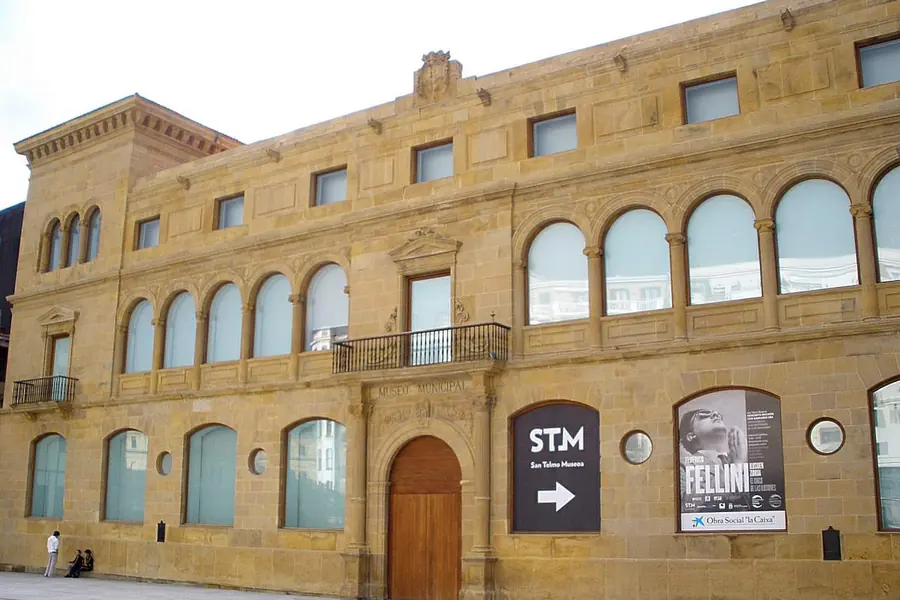
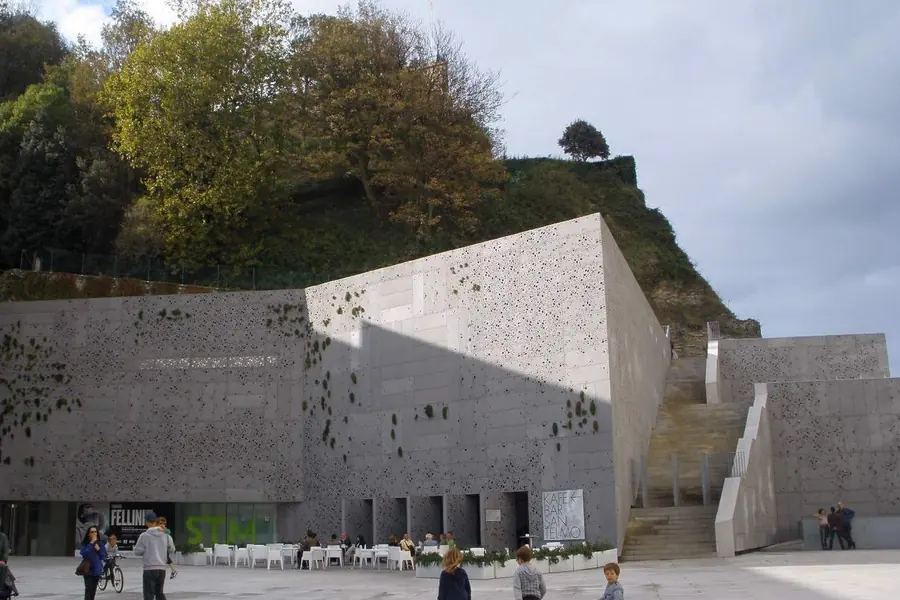
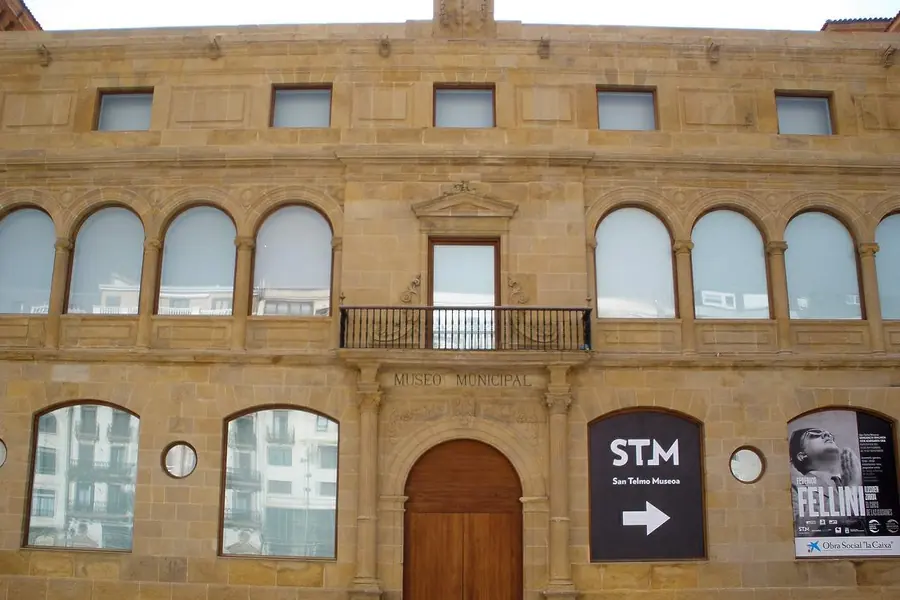
San Telmo Museoa, set in a 16th-century Dominican convent against the flank of Monte Urgull, tells the story of Basque society, culture, and history, with a striking modern annexe and a quiet cloister. It is a calm, thoughtful counterweight to all the eating and a good way to understand the proud, distinct Basque identity behind the city you have been enjoying.
Frank Gehry's titanium ship that single-handedly reinvented a whole city.
An hour west by bus or car, Bilbao's Guggenheim is Frank Gehry's shimmering titanium masterpiece, the building credited with transforming a faded industrial city into a cultural destination. Jeff Koons's flower Puppy guards the entrance and the riverside setting is superb. The art inside is strong, but the building is the real artwork. Pair it with a stroll along the revitalised Nervion riverfront.
The old quarter's seven streets, with a grittier, bargain take on pintxos.
Bilbao's Casco Viejo, the old town built around its original seven streets, offers its own lively pintxos scene, often cheaper and earthier than San Sebastian's. Browse the Mercado de la Ribera market hall, graze the bars around Plaza Nueva, and feel the bigger, working city energy before heading back east. It makes the perfect afternoon to round out a Bilbao day.
Day 6
Getaria, Zumaia, and the Coast
Fishing villages and the flysch cliffs
Getaria and txakoli country
A salty fishing village of grilled fish, txakoli vines, and Balenciaga.
Getaria, half an hour west along the coast, is a postcard fishing village famous for two things: whole fish grilled over coals on the street outside its restaurants, and the steep txakoli vineyards on the hills above. It is also the birthplace of designer Cristobal Balenciaga, with a sleek museum to prove it. Have a long grilled-fish lunch and a glass of the local fizzy white.
Zumaia flysch cliffs
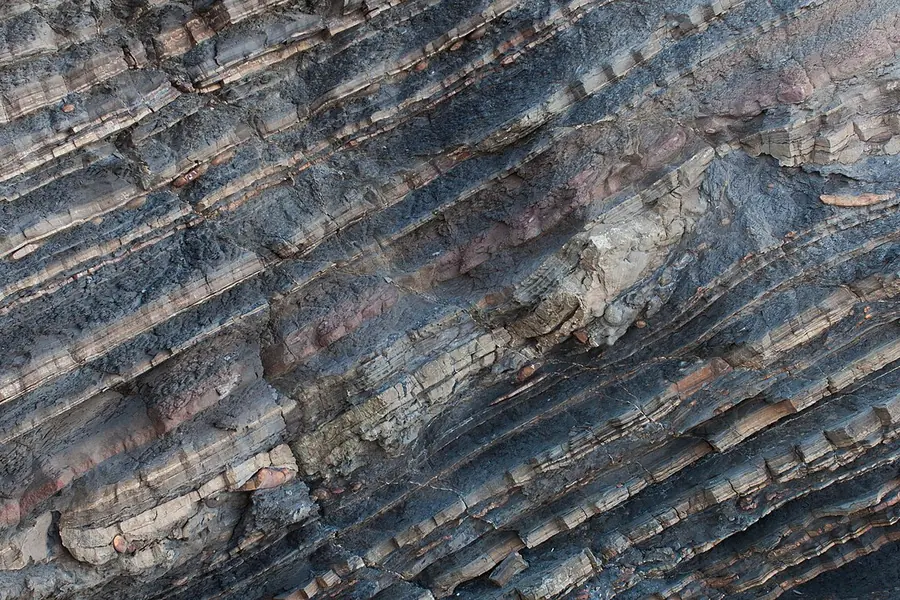
Tilted rock layers like a giant geology textbook, of Game of Thrones fame.
A little further along, Zumaia is famous for its flysch coast, dramatic cliffs of tilted, striped rock layers laid down over millions of years and exposed by the sea, a sight that drew Game of Thrones filming. Walk the clifftop trail or, at low tide, the rock platform of Itzurun beach below. It is a geology lesson turned spectacle, and a beautiful coastal walk.
An elegant French-Basque resort town with a sheltered bay and a royal-wedding church.
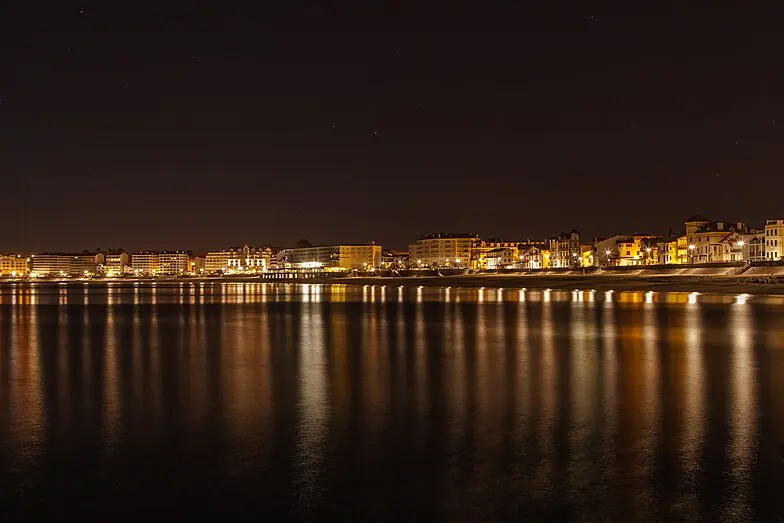
Just across the French border, Saint-Jean-de-Luz is a graceful French-Basque seaside town with a calm, swimmable bay, half-timbered houses, and the church where Louis XIV married. Wander the pedestrian streets, buy macarons at Maison Adam, and feel the subtle shift from Spanish to French Basque culture, same language roots, different pastries. An easy, charming half-day.
Faded Belle Epoque glamour, big Atlantic surf, and a clifftop Virgin on a rock.
Finish the week in Biarritz, the glamorous old imperial resort that became Europe's surf capital. Watch the surfers off the Grande Plage, walk out to the Rocher de la Vierge on its iron footbridge, and take in the Belle Epoque grandeur of the seafront. It is a fitting, slightly faded, very stylish full stop to a Basque coast week before the drive back to San Sebastian.
San Sebastian, or Donostia in Basque, is what happens when a perfect city beach, a fiercely proud food culture, and a hilly green coastline collide in one small, walkable city. It has La Concha, routinely called the best urban beach in Europe; it has more Michelin stars per resident than almost anywhere on the planet; and it has the Old Town bars that invented the pintxo. It is, frankly, hard to have a bad time here.
This itinerary is built around one honest truth: eating is the main event, and the right way to do it is on your feet. You crawl the pintxos bars rather than booking a table, you take the long Spanish lunch seriously, and you walk off the excess up the two headlands that bookend the bay. Everything else is supporting cast to the food and the beach.
The 2/3/4/7-day versions are real choices. Two days is the beach and the bars. Three adds the surfer neighbourhood and the fortress hill. Seven turns the city into a base for Bilbao’s Guggenheim, the txakoli villages of the coast, and a hop across the border into the French Basque Country.
How to use this plan
Use the day filter to match your trip length. The city is small and walkable; you only need transport for the day trips, where buses and a rental car both work well. Do not reserve for your first pintxos night, just follow the crowds and point at the best-looking bites; do book the top Michelin restaurants months ahead; and time your visit for late spring through early autumn, avoiding the packed Semana Grande festival in mid-August unless you specifically want the party.
This article contains affiliate links marked with rel="sponsored". We may earn a commission at no extra cost to you.