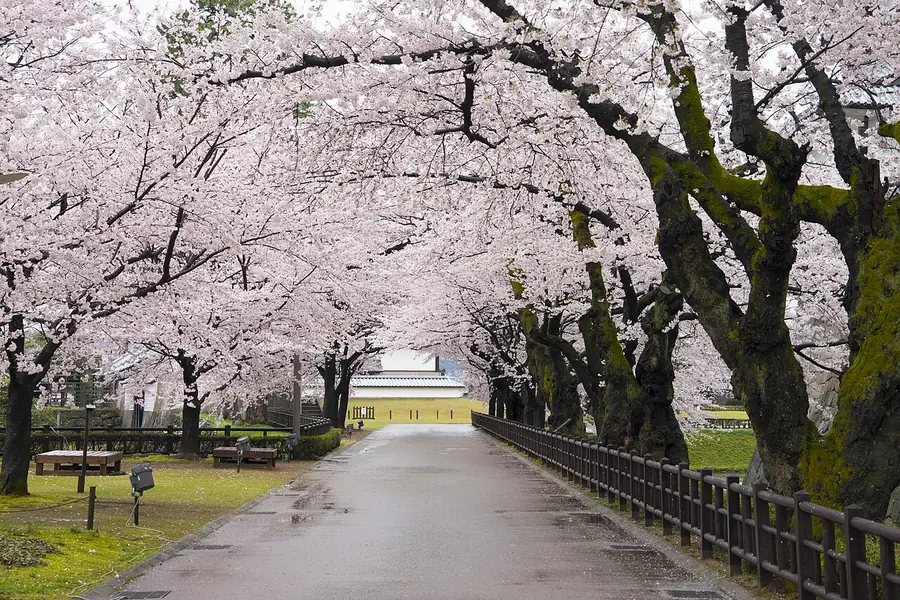
I came to Kanazawa to kill an afternoon between Tokyo and the Alps and ended up staying four days. The thing that did it: a fishmonger at Omicho Market slicing a piece of nodoguro so fresh it was almost translucent, handing it to me on a paper boat, and refusing money because I'd correctly guessed the fish. Everyone skips Kanazawa for Kyoto. Everyone is wrong, and quietly, Kanazawa seems fine with that.
48 Hours: Garden, Geisha District, and a Lot of Gold
Two days covers the holy trinity — Kenroku-en (one of Japan's three great gardens), the perfectly preserved Higashi Chaya geisha quarter, and Omicho Market, where you eat the best seafood lunch of your life. Tight but very doable. Kanazawa is compact and walkable in a way Kyoto isn't.
Eat at Omicho Market at 11am, before the lunch rush and while the morning catch is still out. This is the one piece of timing that matters.
72 Hours: Add the Samurai District and the Art
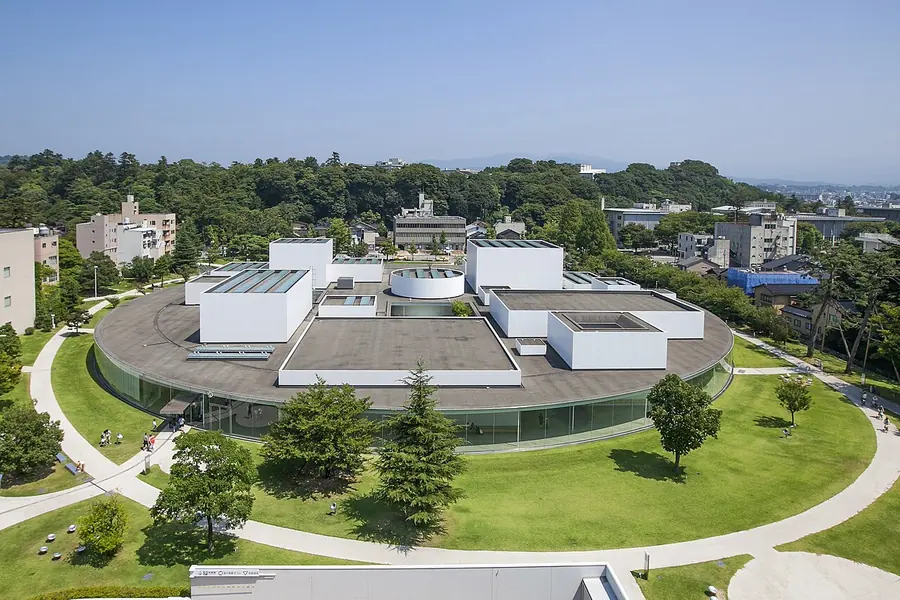
Three days adds the Nagamachi samurai quarter (earthen walls, a real preserved residence) and the 21st Century Museum of Contemporary Art — yes, the one with the swimming pool you walk under. A day of slow streets and one genuinely brilliant modern building. Kanazawa balances old and new better than almost anywhere in Japan.
4 Days: A Day Trip to the Noto or the Onsen
Four days buys you an escape — either out to the dramatic Noto Peninsula coast (the 2024 earthquake hit it hard; check what's open and support what is) or to Yamanaka Onsen for a proper hot-spring soak. Both remind you that Kanazawa is the gateway to a quieter, wilder Japan.
7 Days: Kanazawa as a Base for the Hokuriku Coast
A week lets Kanazawa become a home base. Day trips to Shirakawa-go's thatched farmhouses, Eiheiji Zen temple, Kaga's onsen towns, and the Kutani porcelain kilns. You'll start recognising the trams, the tofu shop, the woman at the sweet stall. This is the version where the city becomes yours.
Estimated budget:$220-$420 (1 hotel night, market lunch, garden + museum entries)
Estimated budget:$340-$640 (2 nights, samurai house, modern art museum)
Estimated budget:$520-$980 (3 nights plus one day-trip excursion)
Estimated budget:$1,000-$1,900 (full week, onsen night, multiple day trips)
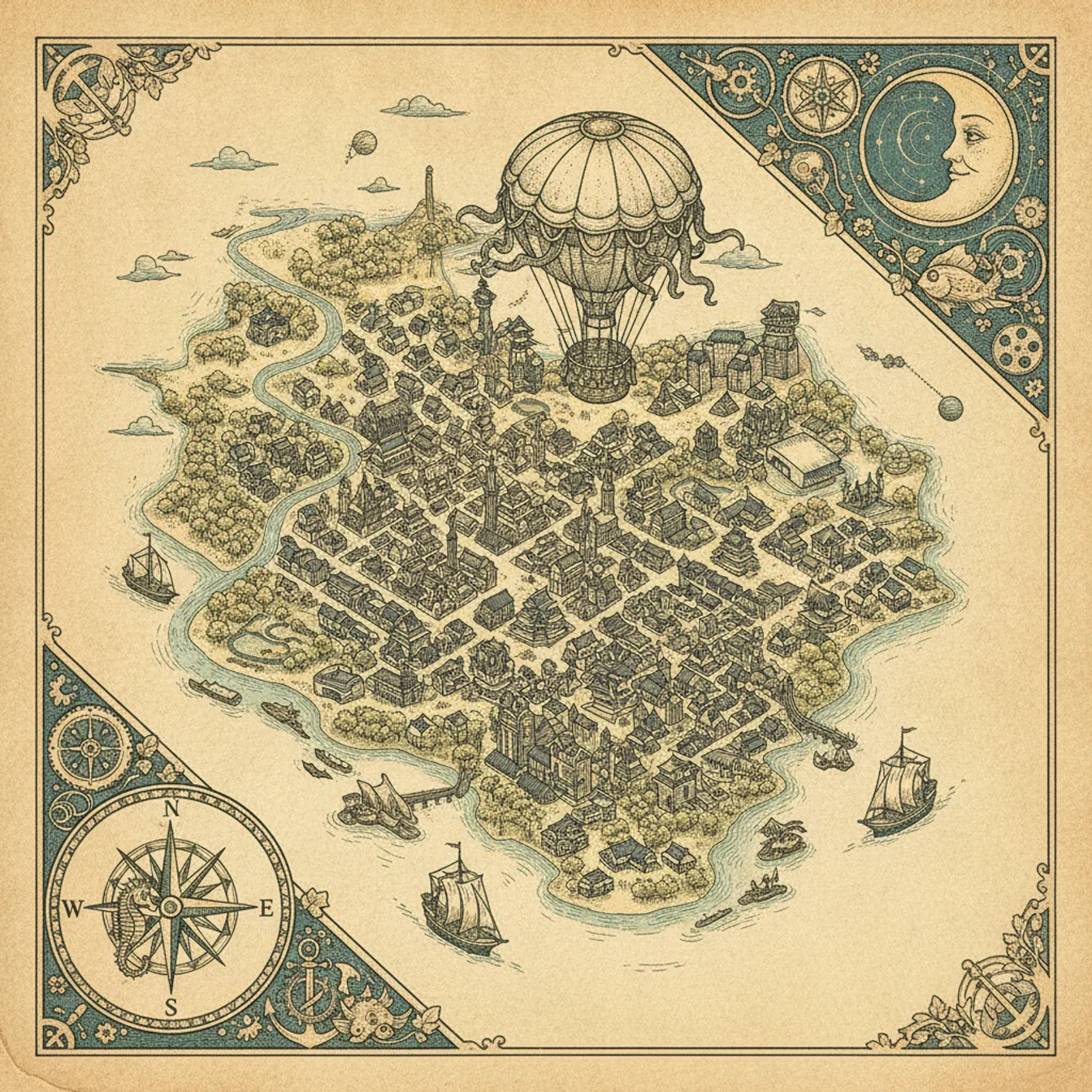
[ THE DISPATCH · FIELD MAP ]
A tilted, hand-drawn dispatch of Kanazawa. Click a quarter to explode it open.
0 / 6 quarters explored
Legend · tap to highlight
[ KENROKU-EN & CASTLE ]
Green breathing room.
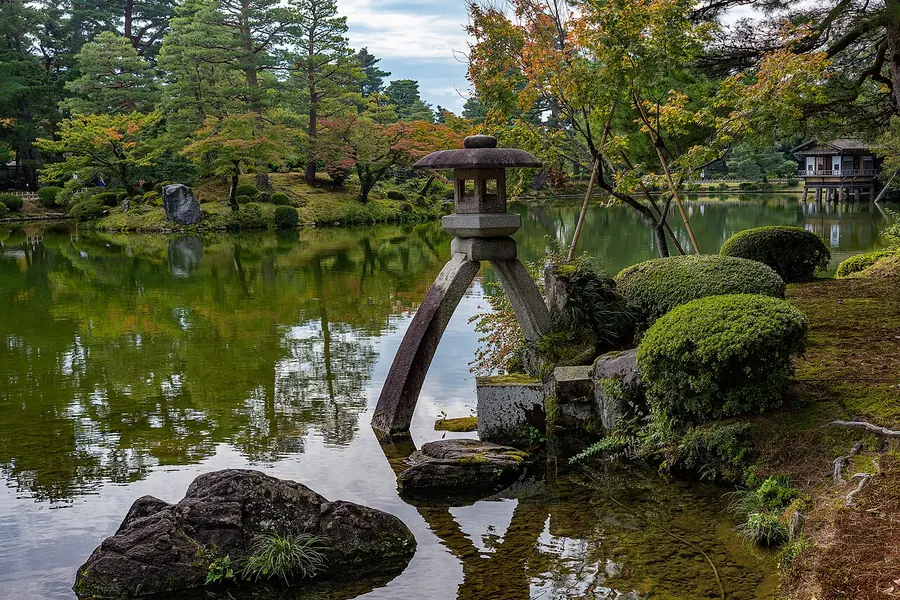
Kenroku-en GardenOne of the three great gardens of Japan. Go at opening; the light on the pond is the whole point.
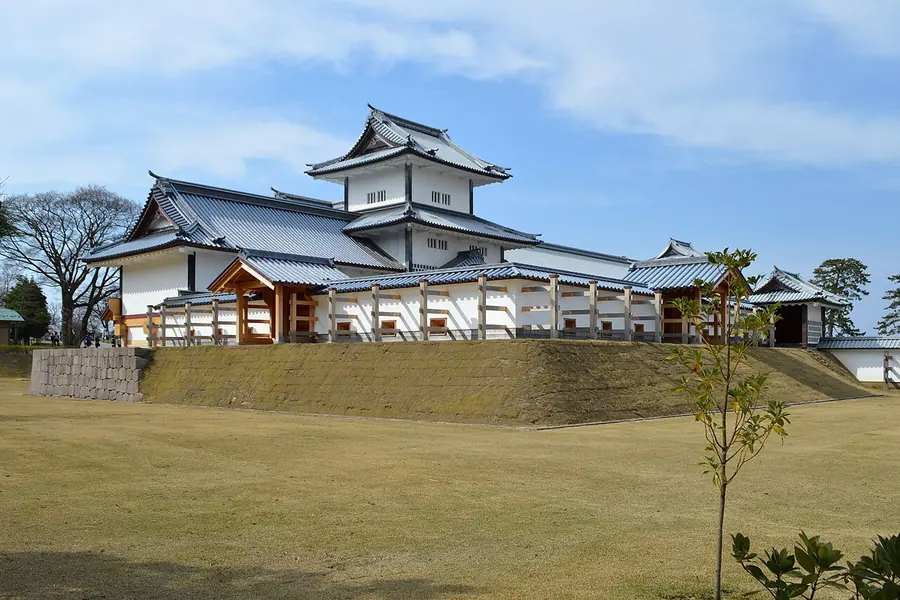
Kanazawa Castle ParkThe Maeda clan's fortress, rebuilt with original 17th-century joinery and no nails.
Omicho MarketKanazawa's 300-year-old kitchen. Get the kaisendon. Don't overthink it.
Utatsuyama Temple DistrictA hillside of 50 temples behind Higashi Chaya. Almost nobody comes up here.
[ NAGAMACHI SAMURAI DISTRICT ]
Old stones, older stories.
Nagamachi Samurai District & Nomura HouseEarthen-walled lanes where mid-rank samurai lived. The Nomura garden is a small miracle.
21st Century Museum of Contemporary ArtThe one with Leandro Erlich's swimming pool you walk under. Genuinely delightful.
[ KORINBO & MUSEUM QUARTER ]
Grand squares and big ideas.
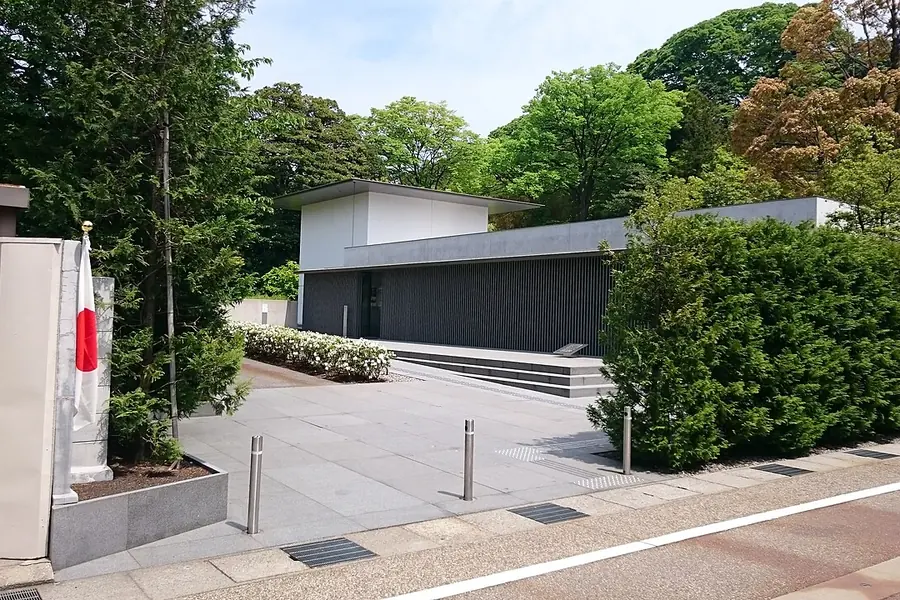
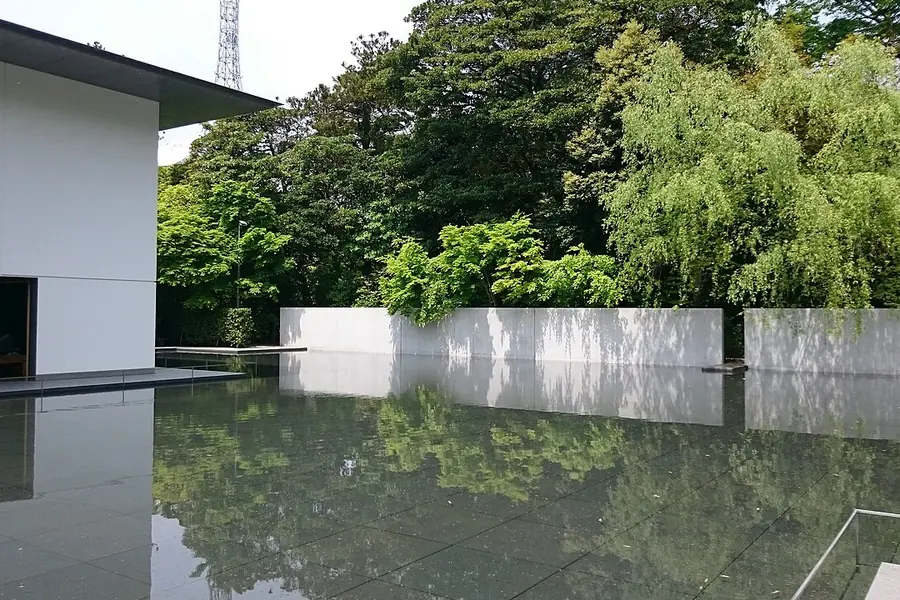
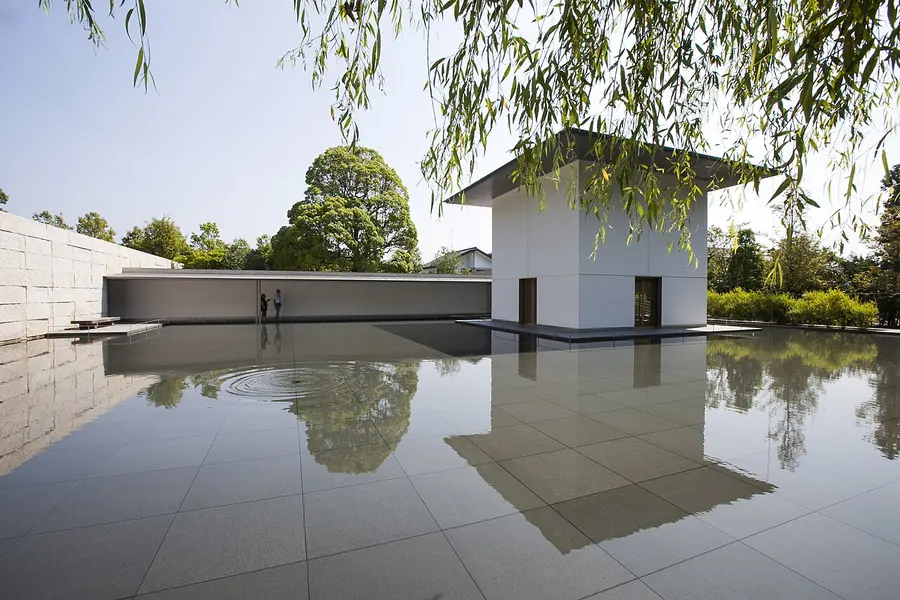
D.T. Suzuki MuseumA minimalist concrete shrine to the man who brought Zen to the West. Just sit.
[ NOTO & KAGA (DAY TRIPS) ]
Where the city meets the water.
Shirakawa-go (Gassho-zukuri Villages)UNESCO thatched farmhouses an hour away by bus. The Ogimachi viewpoint is the postcard.
Yamanaka Onsen (alternative)A gorge-side hot-spring town an hour south. The Korogi Bridge walk is worth the trip alone.
Day 1
Kenroku-en, the Castle & Higashi Chaya at Dusk
Japan's great garden in the morning, the geisha lanes turning gold at night
Kenroku-en Garden
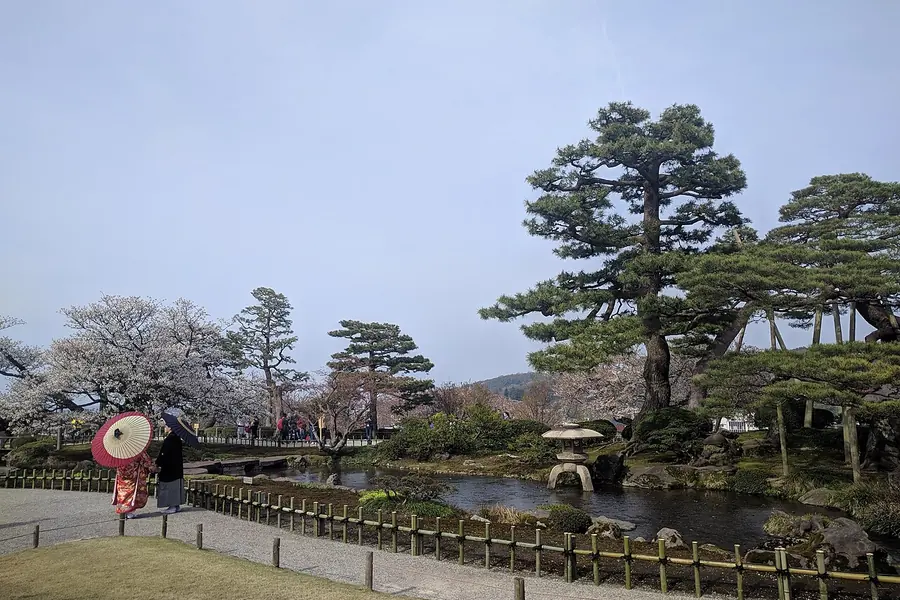
One of the three great gardens of Japan. Go at opening; the light on the pond is the whole point.
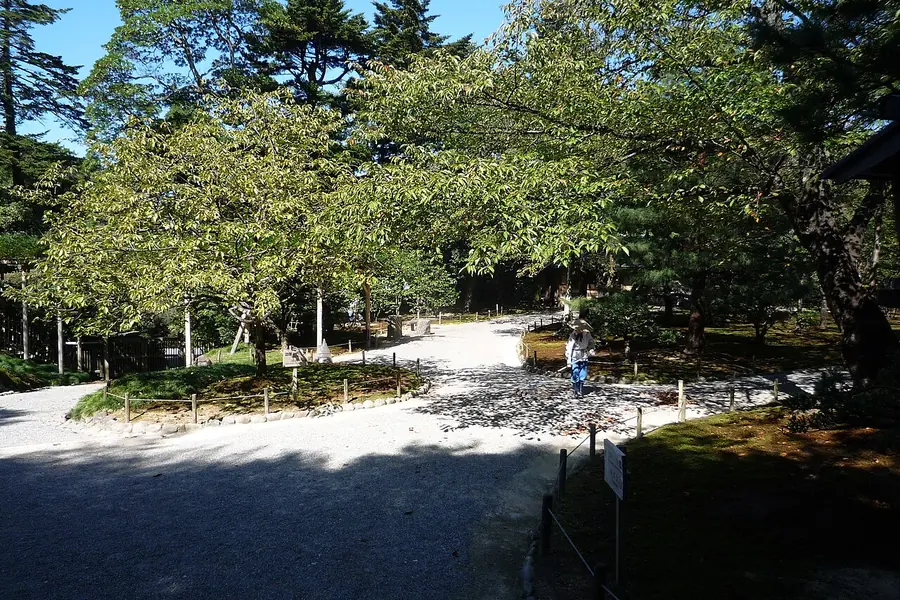
Kenroku-en took the Maeda lords nearly two centuries to perfect, and it shows — every sightline is composed, every season engineered. The name means "garden of the six attributes," the qualities a perfect garden was meant to balance. Arrive at the 7am or 8am opening (¥320) before the tour groups; the Kotojito lantern by Kasumi Pond is the single most photographed thing in the city for a reason. Allow 90 minutes.
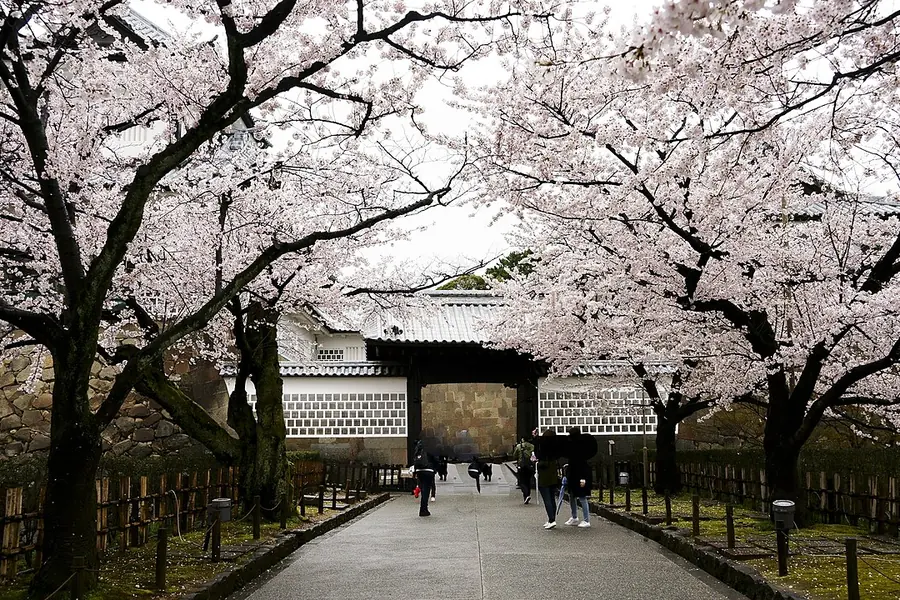
The Maeda clan's fortress, rebuilt with original 17th-century joinery and no nails.
Just across the road from Kenroku-en, the castle grounds are free and the reconstructed Hishi Yagura turret is a masterclass in traditional carpentry — built using the original techniques, you can see the wooden joints from inside. The white lead-tile roofs were said to be edible in a siege. The grounds are vast and quiet. Worth an hour before lunch.
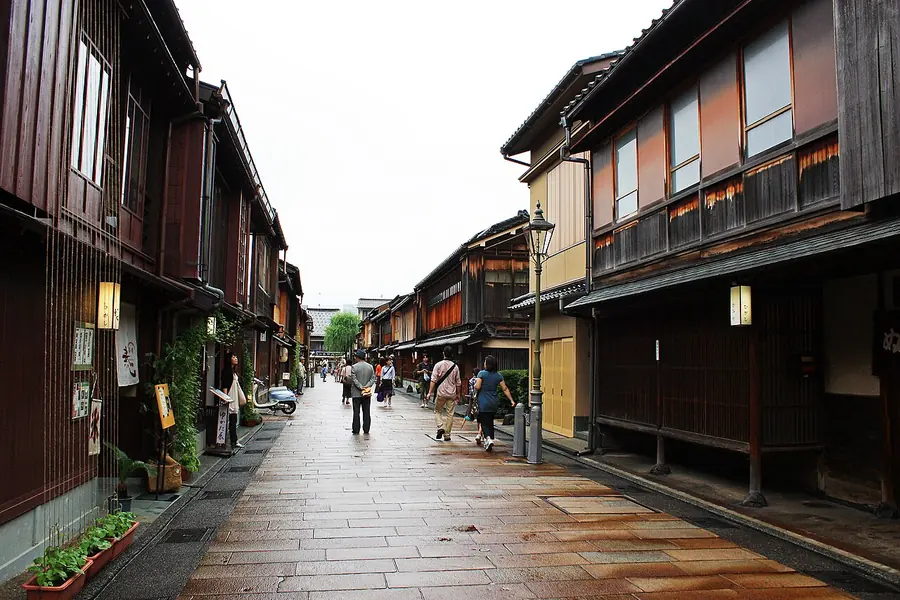
The best-preserved geisha quarter outside Kyoto. Latticed teahouses, gold-leaf everything.
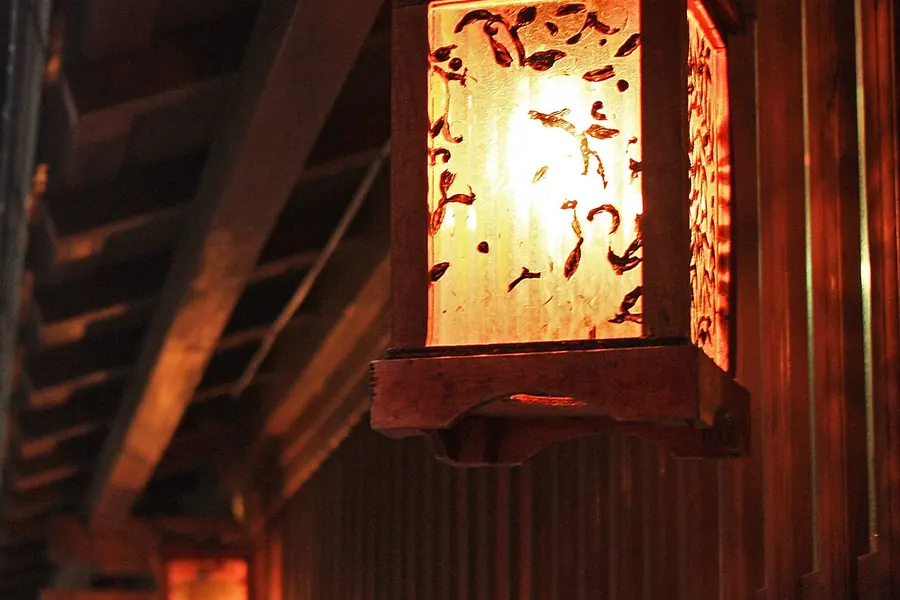
Higashi Chaya is two streets of immaculate two-storey wooden teahouses (chaya) where geisha still perform. Visit Shima, a preserved 1820s teahouse you can tour (¥500), then duck into Hakuza for gold-leaf ice cream — Kanazawa makes 99 percent of Japan's gold leaf and they put it on everything, shamelessly. Come late afternoon when the day-trippers thin out and the lanterns come on.
The best seafood lunch in Japan, then a hilltop of temples
Omicho Market
Kanazawa's 300-year-old kitchen. Get the kaisendon. Don't overthink it.
Omicho has fed Kanazawa since the 1700s and is still where the city's restaurants buy fish. Skip the touristy upstairs floors and find a counter stall doing a kaisendon — a bowl of rice buried under sea urchin, sweet shrimp, and nodoguro (the local rosy seabass, the best fish you've never heard of). A bowl runs ¥2,000-¥4,000 and is worth every yen. Go around 11am, before the queue and while the morning catch is laid out whole.
Utatsuyama Temple District
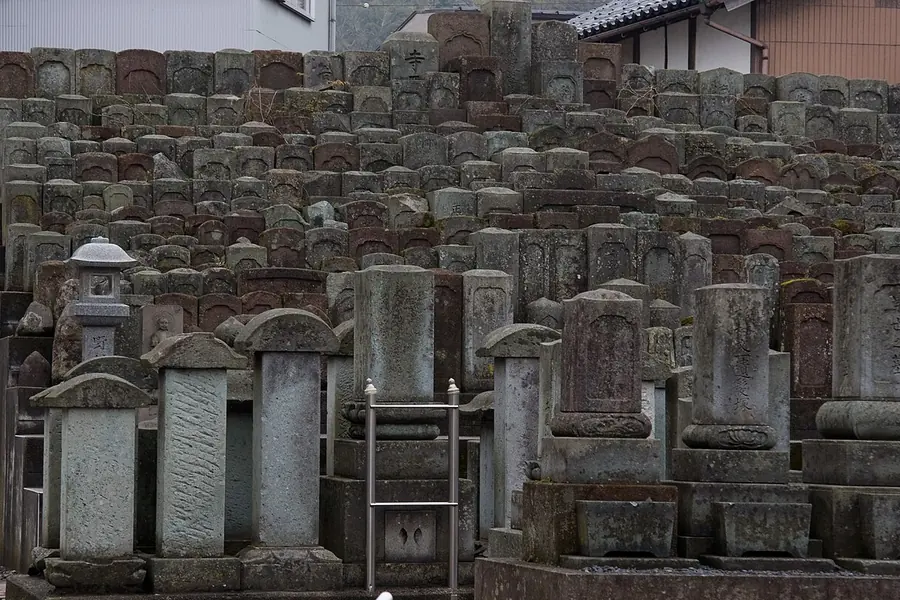
A hillside of 50 temples behind Higashi Chaya. Almost nobody comes up here.
A ten-minute climb from the geisha district, Utatsuyama is a wooded ridge dotted with around fifty small temples and shrines, threaded by a quiet walking trail with views over the city's grey-tiled roofs. Houtokuji and the cluster around it are particularly atmospheric. This is the Kanazawa most visitors miss entirely — free, peaceful, and very good for clearing the head after a big lunch.
Earthen walls and a 1583 residence, then Japan's most playful museum
Nagamachi Samurai District & Nomura House
Earthen-walled lanes where mid-rank samurai lived. The Nomura garden is a small miracle.
Nagamachi's narrow streets are still lined with the ochre earthen walls (some wrapped in straw mats in winter) that screened samurai residences. Tour the restored Nomura-ke (¥550): its tiny inner garden, with a stream running under the verandah and a 400-year-old cypress, was once ranked among the best in Japan by an American magazine and you'll see why in about four seconds. Quiet, residential, real.
21st Century Museum of Contemporary Art
The one with Leandro Erlich's swimming pool you walk under. Genuinely delightful.
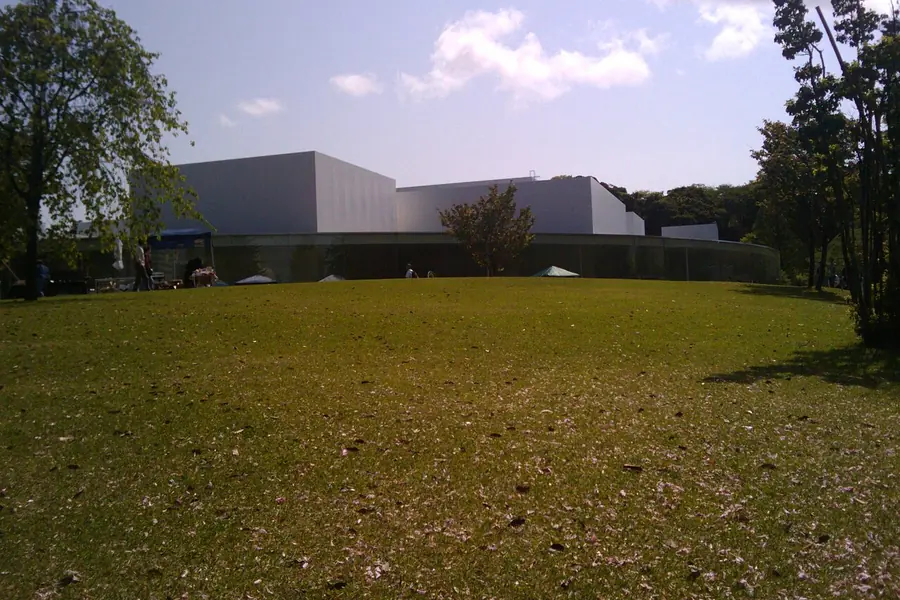
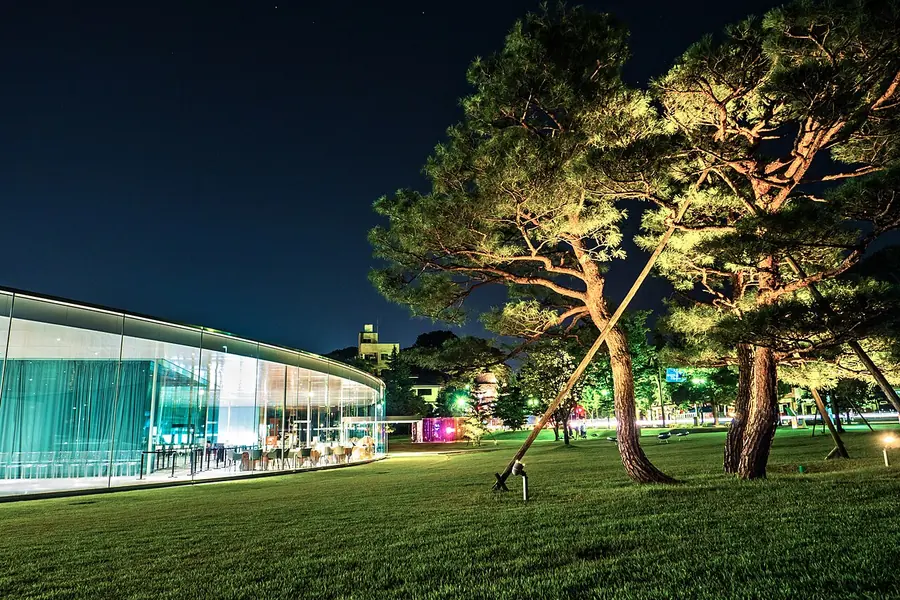
A circular, glass-walled museum by SANAA that's a piece of art in itself. The permanent star is Leandro Erlich's "Swimming Pool" — from above you see people standing in water; you go downstairs and walk under the surface. The free outer ring is full of light and James Turrell's open-sky room; the ticketed inner galleries (around ¥1,200) rotate. Kids love it, adults pretend not to. Book the pool slot online.
A minimalist concrete shrine to the man who brought Zen to the West. Just sit.
Dedicated to the philosopher who introduced Zen Buddhism to the English-speaking world, this small Yoshio Taniguchi building is less a museum than a meditation. The Water Mirror Garden — a still, shallow pool ringed by walls, occasionally rippled by a hidden mechanism — is designed to be sat with in silence. Entry is ¥310. Allow it 40 minutes of doing absolutely nothing.
Thatched mountain farmhouses, or a long soak in a Kaga hot spring
Shirakawa-go (Gassho-zukuri Villages)
UNESCO thatched farmhouses an hour away by bus. The Ogimachi viewpoint is the postcard.
The gassho-zukuri farmhouses of Shirakawa-go — steep thatched roofs built like "praying hands" to shed heavy snow — are about 75 minutes from Kanazawa by Nohi or Hokutetsu bus (book ahead, ~¥2,600 round trip). Walk up to the Ogimachi Castle viewpoint, tour the Wada House, eat hoba-miso. Go early; it's a day-tripper magnet by noon. A genuine window into pre-industrial mountain Japan.
Yamanaka Onsen (alternative)
A gorge-side hot-spring town an hour south. The Korogi Bridge walk is worth the trip alone.
If you'd rather soak than sightsee, Yamanaka Onsen in the Kaga hot spring region is about an hour by train and bus. The riverside Kakusenkei gorge walk, crossing the elegant Korogi wooden bridge, is one of the loveliest short strolls in the region, and the public bath Kikunoyu lets you try the waters without booking a ryokan. Lacquerware shops line the main street. Easily a full afternoon.
A working monastery in the cedars, where monks have practised since 1244
Eiheiji Temple
The head temple of Soto Zen, founded 1244. Working monks, not a museum.
Around 90 minutes south of Kanazawa, Eiheiji is one of the two head temples of Soto Zen Buddhism and home to roughly 150 practising monks. Its mossy mountainside complex of 70-plus connected wooden buildings, linked by covered staircases under towering cedars, is genuinely atmospheric. You can stay overnight for zazen (book well ahead) or just tour (¥700). Quiet voices only — this is a place of training, not a theme park.
Fukui Dinosaur Museum (optional add-on)
Japan's best dinosaur museum, near Eiheiji. Surprisingly world-class. Kids lose their minds.
If you've got the legs for it, the Fukui Prefectural Dinosaur Museum near Katsuyama is one of the largest dinosaur museums in the world, built on Japan's richest fossil beds. The egg-shaped silver building houses dozens of full skeletons and a working fossil lab. It's a bit of a detour, but a brilliant one if you're travelling with anyone under twelve — or are simply honest about liking dinosaurs.
Day 6
Kaga Porcelain & the Coast
Kutani kilns, a cliff-edge cape, and the longest drivable beach in Japan
Kutani Pottery Village (Komatsu)
The home of Kutani-yaki — Japan's boldest, most colourful porcelain. Watch it being painted.
Kutani ware is the vivid, overglazed porcelain Kaga has produced for over 350 years — deep blues, greens, and golds in patterns no other Japanese style would dare. Around Komatsu you can visit working kilns and the Kutani Pottery Art Village, watch artists hand-paint pieces, and buy direct. Far more interesting than a souvenir shop, and the history is genuinely fascinating once you start asking.
Chirihama Beach Driveway
An eight-kilometre beach you can legally drive your car along at sunset. Only one in Japan.
Chirihama, north toward the Noto Peninsula, is the only beach in Japan you can drive on — eight kilometres of hard-packed sand where cars, buses, and even motorbikes cruise the waterline. Roll the windows down, buy a grilled clam from a beach shack, and watch the sun drop into the Sea of Japan. Faintly absurd, completely memorable. Check it's open; high tides and weather close it.
Day 7
Slow Kanazawa & the Tea Districts
A last loop through the quieter quarters, a proper tea ceremony, and one final bowl
Nishi Chaya & Teramachi
The other geisha district — smaller, sleepier, with a temple street nobody photographs.
Across the river, Nishi Chaya is the quieter sibling of Higashi Chaya — a single short street of teahouses with a free little museum, and far fewer cameras. Wander into the adjacent Teramachi, a dense district of some seventy temples including Myoryuji, the "Ninja Temple," a trick- filled building of hidden stairs and secret rooms (reservation required). A perfect slow morning to close the week.
Tea Ceremony at Gyokusen-an
Matcha and a sweet in a garden teahouse, served with no rush and no tourist gloss.
Kanazawa is, with Kyoto, one of Japan's great tea cultures, and the Maeda lords were obsessive patrons. Take a proper bowl of matcha at a garden teahouse such as Gyokusen-an or the rest house inside Kenroku-en — you sit on tatami, a sweet shaped like the season arrives first, and the tea comes bright and bracing. ¥700-¥1,500. The right, quiet way to say goodbye to the city.
Kanazawa is the city Japan keeps for itself. The bullet train from Tokyo gets you here in under three hours now, and still almost everyone barrels past it on the way to Kyoto — which means you get one of the three or four most beautiful old cities in the country with a fraction of the crowds.
It survived the war unbombed, so the geisha quarters and samurai streets are real, not reconstructions. The Maeda clan who ran the place for three centuries were absurdly rich and spent it all on gardens, tea, gold leaf, and porcelain instead of armies. The result is a city that feels cultured to its bones — and then there’s a SANAA museum with a swimming pool you walk under, because Kanazawa never decided it had to choose between old and new.
How to use this plan
Two days is genuinely enough for the essentials — the city is small and walkable, and a single loop bus (¥600 day pass) catches almost everything. Three days adds the samurai district and the modern art. Four or seven turn Kanazawa into a base for the wider Hokuriku coast: thatched villages, Zen monasteries, hot springs, and a beach you can drive on.
One rule above all others: eat at Omicho Market, and eat there at lunch. The nodoguro alone justifies the detour. After that, just wander — Kanazawa rewards getting slightly lost more than almost any city I know.
This article contains affiliate links marked with rel="sponsored". We may earn a commission at no extra cost to you.