
[ ITINERARY · THE DISPATCH ]
Two Days in Naoshima: Art Islands, Yayoi Pumpkins, and a Sea of Installations
A Naoshima art island 2 day itinerary built around the Chichu and Benesse museums, the famous yellow pumpkin, and the rule that quietly governs everything: book ahead or don't bother.
Let me tell you the single most important thing about a Naoshima art island 2 day itinerary, before anything else, because it will make or break the whole thing: book the museums weeks in advance. I’m serious. The Chichu Art Museum runs on timed entry now and it sells out, and I watched a couple from Melbourne stand at the door, having flown halfway round the world, get turned away. Don’t be them.
Right. With that out of the way — Naoshima is one of the strangest, best places I’ve ever been. A small fishing island in the Seto Inland Sea that some very rich, very stubborn people decided to turn into a living art museum. And it works. It absolutely works.
Day 1: Benesse House, the Pumpkin, and the Village Houses
If you can, sleep on the island the night before, so you start fresh and not jet-lagged off the morning ferry. Rent a bike from near Miyanoura port — electric, get the electric, the island has hills and you’ll thank me on day two.
Morning is the Benesse House Museum, the Tadao Ando concrete cathedral that started all this. It’s a hotel and a museum fused into one building, art hung in raw concrete rooms with the sea framed through every other window. There’s a Hockney, a Warhol, a room of Jasper Johns. But honestly the building is the art, the way Ando drags daylight down through slots in the ceiling.
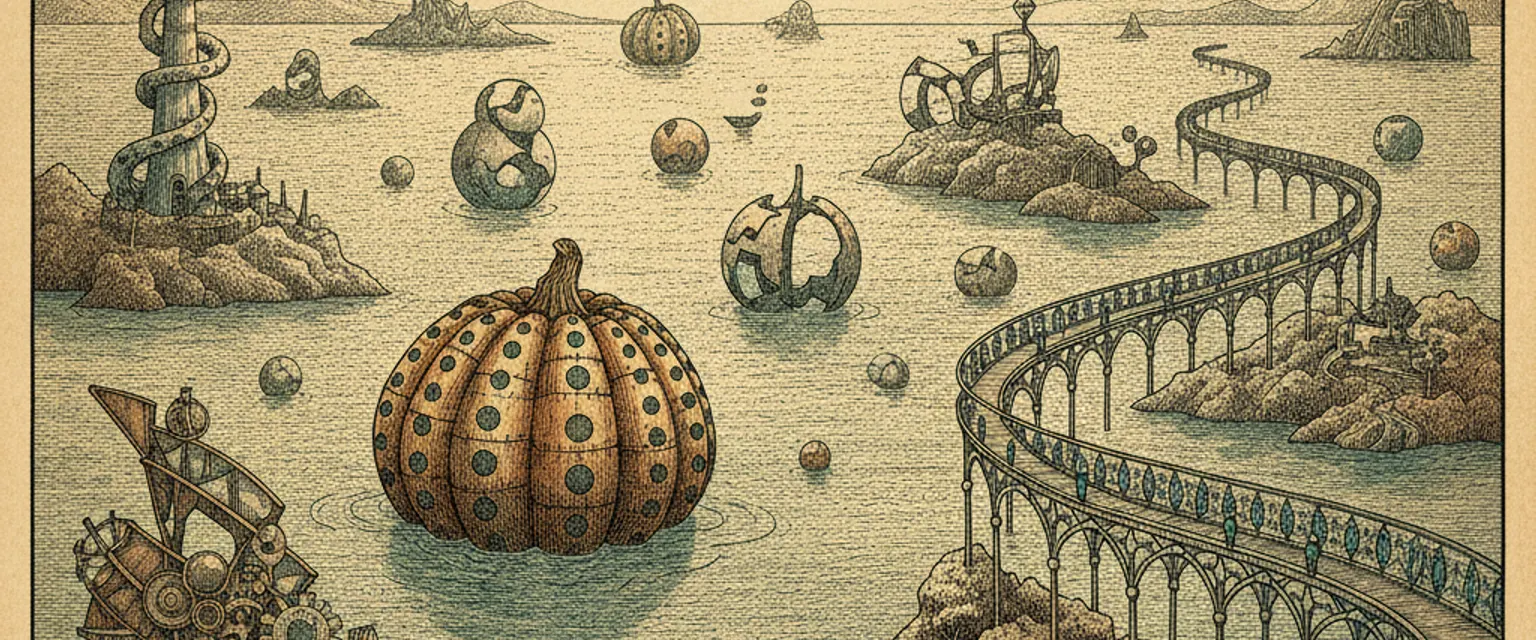
Outside, follow the path down to the water and there it is: Yayoi Kusama’s yellow pumpkin, polka-dotted, sitting on its own little concrete pier with the sea behind it. It got washed away in a typhoon a few years back and they fished it out and fixed it, which I find weirdly moving. Go early or late for the photo without forty people in it. There’s a red one near the port too.
Lunch is light on the island — a cafe at the museum, or ride back toward Honmura for a proper meal. The island isn’t a foodie destination, I’ll be straight with you, so manage expectations. It’s about the art.
Afternoon, the Art House Project in Honmura village. This is my favourite thing here. They took seven old wooden houses in a working village and handed each to an artist. One is a pitch-dark room you sit in for fifteen minutes until your eyes adjust and a faint glowing surface slowly appears — Minamidera, by James Turrell, and it genuinely rearranged my head for a minute. Another’s a pond of LED numbers under an old house. You wander the village with a ticket, finding them between actual people’s homes, cats on the doorsteps.
Day 2: Chichu, Lee Ufan, and Maybe a Second Island
Today’s the big one. The Chichu Art Museum — built mostly underground so it doesn’t scar the hilltop, another Ando masterpiece. Inside, three artists, that’s it. A room of Monet water lilies lit entirely by natural light. A Walter De Maria space with a giant black granite sphere and gold columns that feels like a temple. And a Turrell skyspace. It’s small and it is perfect and you cannot get a same-day ticket, so I’ll say it once more: book it.
A short walk away is the Lee Ufan Museum, quieter, half the visitors, all stones and steel and empty space, and I came out of it weirdly calm. People skip it to save time. Don’t.
If you’ve got energy left, hop the ferry to Teshima in the afternoon. The Teshima Art Museum is a single white concrete shell, no art inside in the usual sense — just water beading up through tiny holes in the floor and rolling around, wind moving through openings in the roof, birds. You lie on the floor and watch water move for an hour. Sounds mad. It’s one of the most beautiful things I’ve experienced and I can’t fully explain why.
Where to Stay and How to Move
Stay on the island if you possibly can — Benesse House itself if budget allows (you can wander the museum after hours, which is special), or one of the small guesthouses near Honmura or Miyanoura for a fraction of it. Day-tripping from Takamatsu or Okayama is doable but you’ll spend half your time watching ferry clocks and you’ll miss the island’s best hour, which is dusk after the day crowds leave.
Get around by electric bike or the island’s little community buses. It’s small. You can ride end to end in twenty minutes, hills included.
Two days is the sweet spot — one for Benesse and the village, one for Chichu and a second island. Any less and you’re cramming; much more and you’ve run out of art, because for all its fame Naoshima is tiny.
I went a sceptic, half-expecting an overhyped Instagram trap. I left having sat in the dark, lain on a floor watching water, and stood alone with a yellow pumpkin at dusk. It got me. It’ll probably get you too.
So is it worth the faff? Yes — but only if you book ahead and sleep on the island. Treat it as a day trip and you’ll see the pumpkin and miss the point entirely.
This article contains affiliate links marked rel="sponsored". We may earn a commission at no extra cost to you.