
[ ITINERARY · THE DISPATCH ]
Two Days in Darjeeling: Toy Trains, Tea Estates, and Kanchenjunga at Sunrise
An honest Darjeeling 2 day itinerary — the pink dawn light on Kanchenjunga from Tiger Hill, a ride on the toy steam train, a working tea estate tour, and the cheap momos locals actually eat.
A good Darjeeling 2 day itinerary lives and dies by the weather, and I’m going to be honest about that up front rather than pretend you’ll get a postcard no matter what. This is a hill station perched at 2,000-odd metres in the eastern Himalaya, and when the cloud rolls in — which is often — you can’t see your hand in front of your face, let alone the third-highest mountain on earth. But when it’s clear? When Kanchenjunga shows up at dawn, that great white wall going gold then pink above the tea slopes? It’s one of the most beautiful things I’ve ever stood and gawped at. So come hopeful, check the forecast, and have a backup plan for fog.
Two days. Tea, trains, and one very early morning.

Day 1: Arrive, Wander, Acclimatise
The journey up is part of it — from the plains at Siliguri/New Jalpaiguri, the road (or the toy train) climbs and twists for hours through tea estates and one-street villages, and the air keeps getting cooler and cleaner. By the time you reach Darjeeling you’ll want a jumper even in summer. It’s properly chilly at night year-round, so pack layers; people don’t expect that and freeze.
Spend the first afternoon gently — you’re at altitude and rushing it gives you a headache. Walk the Mall and Chowrasta, the central square where everyone gathers, ponies for hire, old men reading papers, kids chasing pigeons. Browse the Oxford Book & Stationery shop (a Darjeeling institution) and the Tibetan handicraft stalls. Have a pot of first-flush Darjeeling at Glenary’s, the grand old colonial bakery-café — get a window seat, order the tea properly (no milk in a good first flush, fight me), and have a slice of something.
Late afternoon, walk up to the Bhutia Busty Gompa, a Buddhist monastery just below town with — on a clear day — Kanchenjunga floating right behind it. Far fewer people than the main sights and a lovely quiet end to the day.
Dinner: forget the tourist restaurants and find momos. The steamed Tibetan dumplings here are the real local food — pork or veg, with a fiery dipping sauce — and a plate from a hole-in-the-wall in the lower bazaar costs about 60–80 rupees and beats anything fancy. Get a bowl of thukpa (noodle soup) too. The first time I ate momos in Darjeeling it was in a tin-roofed shack in the rain and I’ve been chasing that exact plate ever since.

Day 2: Sunrise, Steam, and Tea
The alarm goes at 3:30 a.m. and you will hate me. Get up anyway.
Tiger Hill, about 11 km out and the highest point around, is the classic sunrise spot — the moment the sun breaches the horizon and hits Kanchenjunga’s snows, turning them gold then a deep blushing pink, with Everest just visible far to the west on the clearest days. It’s crowded, it’s cold, there’s a chai-wallah doing a roaring trade, and when the light hits, the whole shivering crowd goes quiet then gasps at once. If it’s clear it’s memorable (the word I’m not allowed to use, so: it’s the kind of thing you’ll still describe to people years later). If it’s cloudy, it’s just cold. That’s the gamble. Check the forecast and only commit on a clear-looking morning.
On the way back, most jeeps stop at Ghum — India’s highest railway station — and Batasia Loop, where the toy train spirals through a garden with the mountains behind. Which brings us to the train.
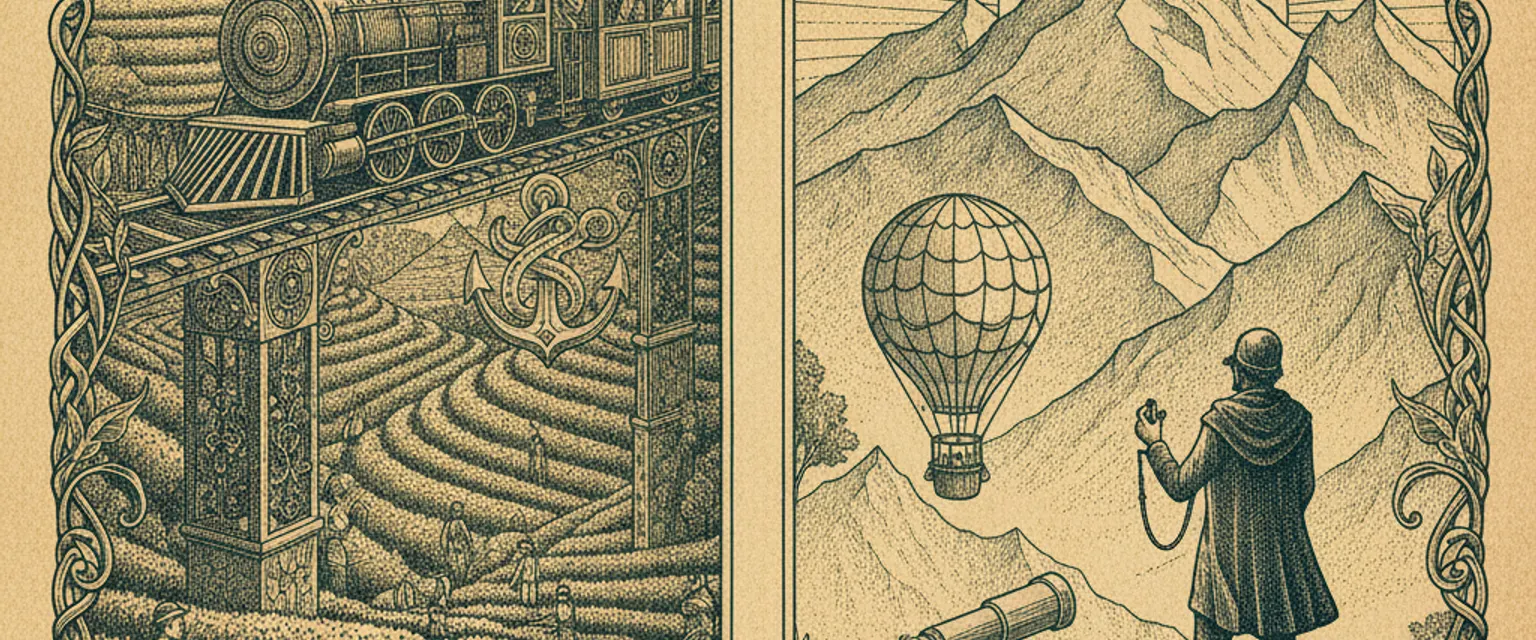
The Darjeeling Himalayan Railway, the “toy train,” is a UNESCO World Heritage narrow-gauge line, and the little blue steam engines are genuinely charming. Don’t do the long all-day haul unless you adore trains — instead take the short joyride from Darjeeling to Ghum and back, about two hours, with the loop and a couple of photo stops. Book the steam service ahead in season (it sells out). Sit on the right going up for the valley views. It chuffs along at walking pace through the middle of town, basically through people’s front gardens, and it’s daft and delightful.
Afternoon: a tea estate, and do a proper one. Happy Valley, walkable below town, is a working garden where you can walk the slopes, watch (in season) the plucking and the factory processing — withering, rolling, drying — and taste the result. It’s the real thing, not just a shop pouring samples. Free or a small tip for the guide; buy a box of first flush direct, it’s cheaper and fresher than back home and a far better souvenir than a fridge magnet.
Last evening, back to Glenary’s or another café, a final pot of tea, and watch the mist do its slow thing over the hills. The the cloud will probably win by nightfall. It usually does. Doesn’t matter — you got your mountain at dawn, and that’s the whole point.
Two days isn’t long, but Darjeeling at altitude has a way of making time feel slow and clear. You’ll leave wired on good tea and slightly addicted to momos. Worth the 3:30 alarm? Definately, on a clear day.
Gamble the early start on a clear forecast, take the short toy-train joyride not the marathon, and buy your tea straight off the estate — Darjeeling pays you back for the cold mornings in pink light and good leaves.
This article contains affiliate links marked rel="sponsored". We may earn a commission at no extra cost to you.