
[ TIPS · THE DISPATCH ]
Traveling With Dietary Allergies When You Don't Speak the Language
Traveling with food allergies abroad, with no shared language, is doable — and a lot safer than it sounds. Allergy translation cards, the carry-everywhere EpiPen rule, and cuisines to treat with suspicion.
Traveling with food allergies abroad, when you can’t read the menu or warn the waiter, is the thing that nearly stopped me leaving home at all — and it turned out to be a manageable problem with a few unglamorous systems, not the death sentence my anxiety had drawn up. I’ve got a serious nut allergy. The kind with an EpiPen and a hospital story. And for years I let it keep me to countries where I shared a language, until a near-miss in a tiny restaurant — a sauce, a shrug, a waiter who genuinely didn’t understand and genuinely didn’t care — taught me that hoping people understand is not a plan. A plan is a plan. Here’s mine.
The allergy translation card is non-negotiable
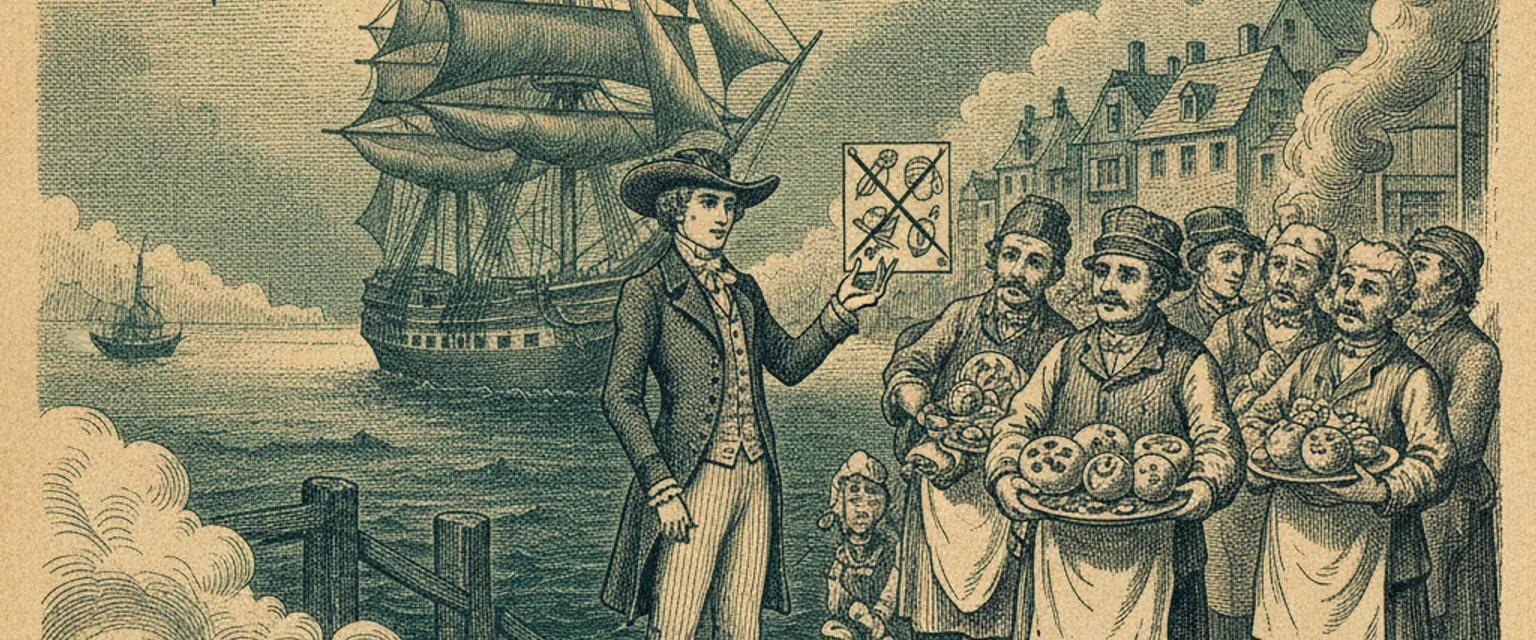
The single most important thing I own, travel-wise, is a laminated card. On it, in the local language — translated properly, not by me guessing with an app — is a clear, blunt statement of my allergy and what it does.
Not “I’d prefer to avoid nuts.” It says, roughly: “I have a severe, life-threatening allergy to all nuts. Even a tiny trace can stop my breathing and send me to hospital. Please tell the chef. If you are not certain the dish is completely free of nuts, please tell me honestly so I can order something else.” That tone is deliberate. You want it to land as serious, because in a lot of food cultures “allergy” gets quietly downgraded to “fussy preference,” and a preference gets ignored. Life-threatening doesn’t.
Get these made before you go. There are services that produce them per-country (search “allergy translation card” and your destination), or have a native speaker write it — but a native speaker, please, not Google Translate, because medical phrasing is exactly where machine translation fails in scary little ways. Carry several copies. Laminated, because they get handed round greasy kitchens. I hand it over the second I sit down, before the menus even, and I watch the waiter’s face when they read it. That face tells you a lot.

The EpiPen rule: it’s on your body, always
This one’s simple and I’ll say it plainly. If you carry adrenaline, it goes where you go. On your body. Every time.
Not in the hotel room. Not in the daypack you left at the table to go to the loo. On you — a bumbag, a jacket pocket, whatever — because a reaction can come on in minutes and an EpiPen three streets away in your room might as well be on the moon. Carry two, because one dose sometimes isn’t enough and the second buys you time for the ambulance. And carry a doctor’s note for them, ideally translated, because pre-loaded needles raise eyebrows at airport security and a note smooths that over fast.
While we’re here: know how to say “I need a hospital” and “I’m having an allergic reaction” in the local language, and have your insurance details and emergency number saved offline. You hope to never use any of it. You prepare like you will.
Some cuisines you just have to treat with suspicion
Now the honest, slightly uncomfortable part. Some food cultures are far harder than others for specific allergies, and pretending otherwise is how people get hurt. You have to learn where your particular landmine hides.
For nuts, like mine, a lot of Southeast Asian cooking is a minefield — peanuts crushed into sauces, garnished on top, fried in the same wok, present in things you’d never suspect. Not the food’s fault; it’s just built that way. So in those places I’m not casually eating at every street stall on a whim. I’m slower, I’m pickier, I use the card every time, and I accept that I’ll miss out on some dishes — which is a fair price for breathing. For shellfish allergies, coastal everywhere is the watch-zone and “fish sauce” hides in places you wouldn’t think. For gluten, the wheat-heavy cuisines and anything battered or thickened. For dairy, watch the ghee and the butter-finished sauces.
The point isn’t to scare you off these incredible food cultures — it’s to go in clear-eyed about your specific risk so you can enjoy them safely instead of gambling. Cross-contamination is the sneaky one, by the way. A kitchen can have a nut-free dish and still cook it in a pan that just held a nutty one, so for a severe allergy you sometimes have to ask not just “does this contain it” but “could it have touched it” — which is exactly the nuance a good translation card spells out for you.
You can absolutely do this
Here’s what I wish someone had told the anxious, homebound version of me. Traveling with a serious food allergy is not reckless and it’s not off-limits. It’s just a thing you manage, with systems, the way you manage it at home — only with a card doing the talking and a sharper eye on the kitchen.
The card hands over before you order. The pens stay on your body. The risky cuisines get respect, not avoidance — respect, slowness, and the card again. Build those habits and the world opens back up, food cultures and all. I eat amazingly well abroad now. I’m just careful, and carefulness, it turns out, travels fine.
Get the card made by a real human, keep the pens on your body, and treat every kitchen as innocent-until-it-reads-the-card — then go eat the world.
This article contains affiliate links marked rel="sponsored". We may earn a commission at no extra cost to you.