
[ ITINERARY · THE DISPATCH ]
Three Days in Cusco: Altitude Sickness, Inca Walls, and Coca Tea Salvation
Cusco sits at 11,150 feet and it will absolutely humble you on day one. Here is a three-day plan that respects your lungs, leans into the Inca stonework, and treats coca tea as the load-bearing beverage it actually is.
Nobody warns you properly about the altitude. They mention it the way they mention sunscreen, a casual aside, and then you step off the plane at 11,150 feet and walking to the taxi rank leaves you breathing like you sprinted a flight of stairs. Cusco is gorgeous and it is also trying to flatten you, and the entire trick to a good three days here is admitting that on day one.
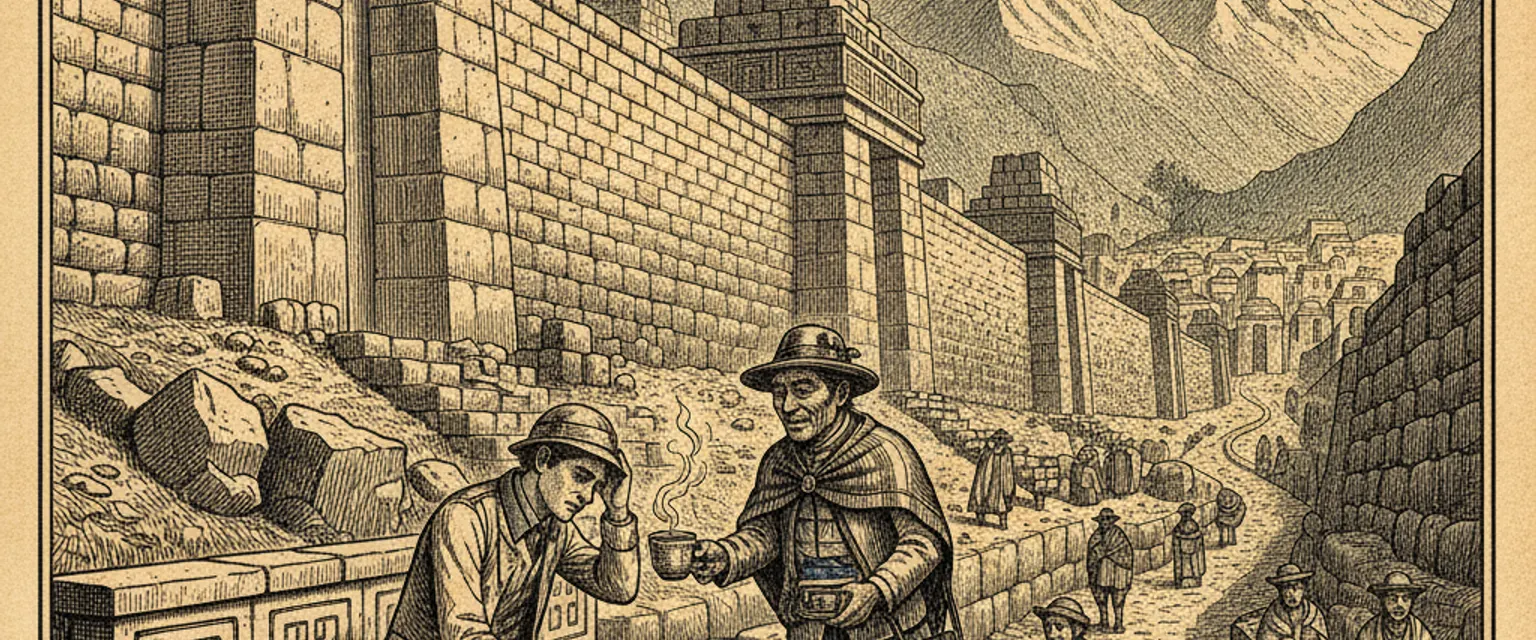
I came in too cocky, took the steep lane up to my guesthouse at a normal walking pace, and had to sit on a stone step for ten minutes pretending to admire the view while my heart rate came down. The view was genuinely worth admiring. That was not why I sat down.
So this plan is built backwards from the altitude. The first day does almost nothing on purpose. By day three you are climbing ruins. If you reverse that order, Cusco wins.
Day 1: Do Less Than You Think, Drink More Coca Tea Than You’d Admit
Get to your hotel, drop the bag, and ask for a cup of mate de coca. Every place has it, usually a thermos in the lobby and a basket of dried leaves. It is not a drug experience, it is a mild green herbal tea that genuinely helps with the headache and the breathlessness. I drank it constantly and so did every local around me.
Then walk, but slowly, to the Plaza de Armas. This is the postcard square, ringed by arcades and two enormous churches, and your only job today is to circle it at the pace of someone much older than you. Sit on a bench. Eat something light, because heavy food plus altitude is a recipe for feeling rotten. The San Blas neighborhood uphill is the artisan quarter with the good little galleries, but save the steep climb for tomorrow.
Drink water until you’re sick of it. Sleep early. Tomorrow your lungs will have made peace with the sky.

Day 2: The Inca Core, San Pedro Market, and Walls That Defy Logic
Now you can move. Start at the Qorikancha, the Inca temple the Spanish built a church on top of. The genius part is the foundation: Inca stonework so precise the granite blocks lock together without mortar, curved walls that have shrugged off earthquakes for five centuries while the colonial additions cracked. Run your hand along the seam. You cannot fit a credit card in it.
Walk Calle Hatun Rumiyoc to find the famous twelve-angled stone, a single block cut to interlock with twelve neighbors, wedged into a wall like a stone jigsaw piece. It sounds like a tourist gimmick. It is, and it’s also quietly astonishing.
Mid-morning, dive into San Pedro market for lunch. The juice stalls will blend you a glass of fruit you can’t name for about a dollar, and the food counters at the back do a caldo de gallina (hen soup) that locals swear cures everything from hangovers to heartbreak. It’s loud, cheap, and the realest meal you’ll have all trip.
In the afternoon, taxi up to Sacsayhuaman, the fortress complex above the city. The walls here are made of stones the size of small cars, and the standard explanation for how they were moved is essentially a shrug. The site is a steep but short walk, and now that you’ve acclimatized, it’s manageable. Time it for late afternoon when the light goes gold and the day-trip crowds thin out.
Day 3: Pisac and the Sacred Valley as a Gentle Warm-Up
If Machu Picchu is on your wider trip, day three should drop you slightly lower in altitude to keep acclimatizing while still seeing something extraordinary. Pisac is the answer.
A shared colectivo from Calle Puputi gets you to the town for a few soles, or you book a half-day tour. Pisac has two halves: the famous market in town, heavy on textiles and tourists, and the Inca ruins on the ridge above, which most market-shoppers never bother to climb to. Climb to them. The agricultural terraces fan down the mountainside in a curve so clean it looks engineered by someone with a grudge against right angles, and you’ll often have whole sections to yourself.
The valley floor sits around 9,700 feet, noticeably easier to breathe in than Cusco, which is exactly the point. Eat lunch down there. The trout is local and excellent.
Get back to Cusco by evening, and now, finally, you’ve earned a proper dinner and a pisco sour. Your body has caught up. The city stops feeling like a test and starts feeling like the reward.
Is three days in Cusco enough? For the city itself and one Sacred Valley taste, yes, comfortably. If you’re adding Machu Picchu, treat these three days as essential acclimatization and budget at least two more on top, because arriving at altitude and immediately attempting big hikes is how people end up miserable in a hotel room instead of standing on a mountain.
This article contains affiliate links marked rel="sponsored". We may earn a commission at no extra cost to you.