
[ DISCOVERY · THE DISPATCH ]
The Neon Sign Graveyards Where Old Cities Go to Glow One Last Time
Neon sign museums to visit are part scrapyard, part time machine — decades of a city's dead storefronts, still buzzing, parked in one electric lot. Here is how to find and see them right.
The best neon sign museums to visit don’t feel like museums at all. They feel like a city’s attic, if the attic was outdoors and humming and slightly dangerous and gorgeous in a way that makes your chest go a bit tight.
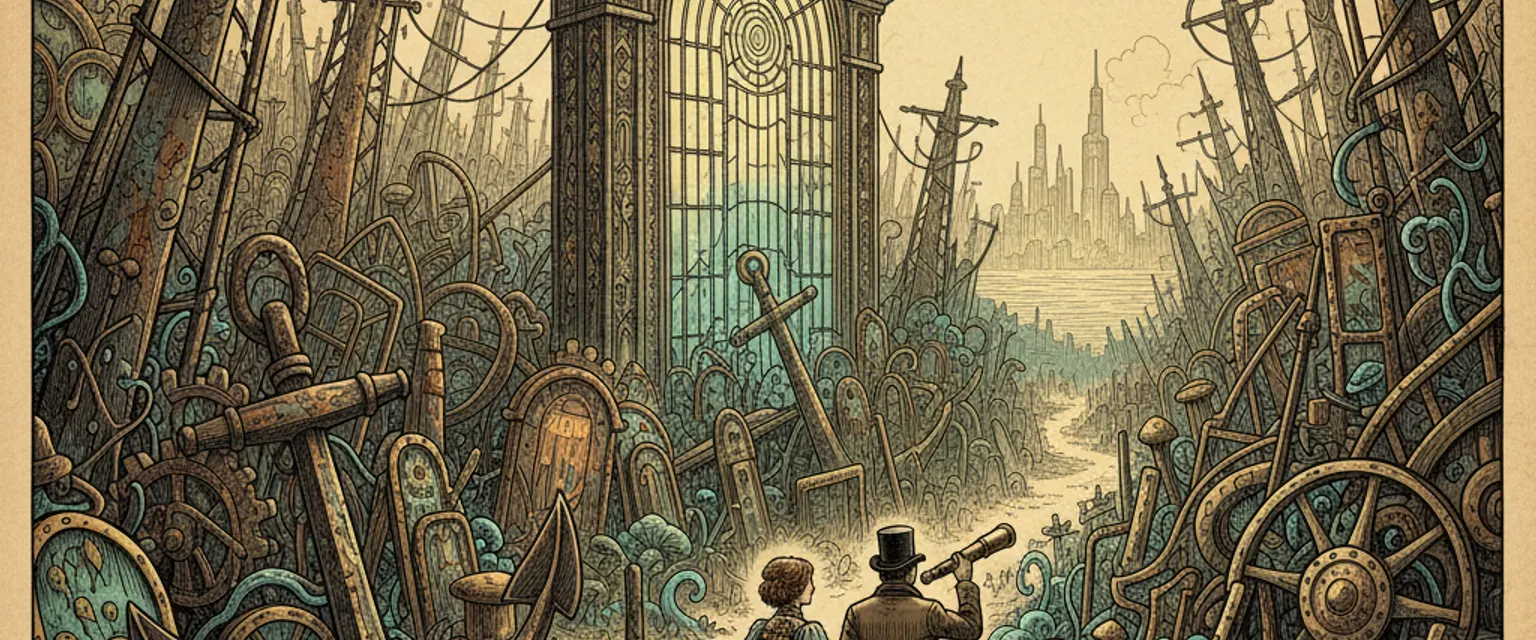
I walked into my first one expecting kitsch. A few old signs, ha ha, retro. What I got instead was rows of dead businesses, all leaning together in the dark, half of them lit, buzzing that low neon buzz you feel more than hear. A bowling alley that closed in the seventies. A motel whose arrow still pointed hopefully at nothing. A bakery sign in cursive script no machine could make today. Each one used to mean “come in, we’re open.” Now they just glow at each other.
It got me, honestly. More than I expected.
Why these places exist at all
Real neon is craft. Like, actual craft. Someone heated a glass tube with their hands and bent it into a letter, then filled it with gas that glows when you run current through it. Neon for red-orange, argon for blue. It’s not a printed sticker, it’s not an LED panel, it’s a person’s skill frozen in light. When a diner closes and that sign comes down, you’re not throwing out a sign. You’re throwing out hours of a glassblower’s life.
So some cities started saving them. A few turned into proper museums with plaques and guided tours and a gift shop. Others are scrappier, a fenced lot a nonprofit runs on weekends, where a volunteer who clearly loves this stuff walks you through and tells you which bar each sign came from and who used to drink there.
Both kinds are worth it. The scrappy ones are often better, just so you know.

Getting the timing right (this is everything)
Go at dusk. Not full dark, not daylight. That blue half-hour right after sunset.
Here’s why. In daylight the signs are off or look pale and sad, just dusty glass and rusted brackets. In full black night they glow beautifully but you lose the lot around them, the context, the other signs, the sky. At dusk you get both, the deep blue overhead and the signs blazing against it, and it’s the difference between a snapshot and the kind of photo people stop scrolling for.
A few more things I wish I’d known:
- Bring a real camera if you have one, or at least know your phone’s night mode. The contrast between glowing glass and dark sky fools auto settings into a blown-out mess.
- Tip the volunteer guide or buy the merch. These collections run on basically nothing and a lot of love.
- Don’t touch. Old neon is fragile and some of it carries serious voltage. There’s usually a reason for the rope.
The one that stuck
There was a sign, a little dancing chicken from a fried-chicken joint, its neck and legs wired to “move” in three lit stages so it looked like it was kicking. The guide flipped it on for us. This dumb glowing chicken from a restaurant that closed before I was born, kicking away in the dark, and the whole small group of strangers just… laughed, delighted, all at once.
That place fed people for forty years. The building’s a parking lot now. But the chicken still dances, because somebody decided that mattered enough to save.
I don’t know. There’s something about a whole lot of dead storefronts still trying to call you in. It’s funny and it’s a little sad and it’s one of the more human things you can go look at. Skip the influencer mural wall. This is the real photo.
So pick a city, find its glowing graveyard, get there at dusk, and let a hundred dead businesses light up for you one more time.
Honestly? These are the most underrated museums on earth — go before the last glassblenders retire and nobody’s left to fix the buzz.
This article contains affiliate links marked rel="sponsored". We may earn a commission at no extra cost to you.