
[ DISCOVERY · THE DISPATCH ]
Suriname Is South America's Forgotten Country and It Speaks Dutch in the Jungle
Ninety percent rainforest, a wooden Dutch-colonial capital, roti for breakfast, and almost no tourists. Suriname is the country I'd bet on before anyone else clocks it. Here's why I went and what I did.
Suriname is the only place in South America where I ordered breakfast in a mix of Dutch, English and a creole called Sranan Tongo, ate Javanese-Indonesian satay for lunch, and had Indian roti for dinner — all in the same wooden colonial city, all in one day. This is the forgotten corner of the continent, a tiny country wedged above Brazil that most people couldn’t place on a map, and it’s one of the most quietly fascinating places I’ve ever travelled.
Almost nobody goes. That’s the whole pitch, and it’s a good one.
Why it speaks Dutch (and ten other things)
Suriname was a Dutch colony until 1975, which is why the official language is Dutch — genuinely strange to hear in the middle of the Amazon basin. But that’s only the surface. Over centuries the Dutch brought in laborers from India, Java, China and elsewhere, on top of the Indigenous peoples and the Maroon communities descended from people who escaped enslavement and built their own societies deep in the forest. The result is this dense cultural layering you can taste in the food and see on every street.
In Paramaribo, the capital, you’ll find a synagogue and a mosque sitting literally side by side, sharing a parking lot, getting along. Hindu temples down the road. A grand white wooden Dutch Reformed church. I stood between the mosque and the synagogue feeling like I’d misunderstood how the world usually works. In a good way.
Paramaribo: wood, water, and warmth
The historic centre of Paramaribo is a UNESCO site, and it’s all white-painted wooden buildings — Dutch architecture built in tropical timber, weathered and creaking and gorgeous. You can walk the lot in an afternoon. Fort Zeelandia by the Suriname River, the long waterfront, the leafy Palmentuin (palm garden) where I watched green parrots wheel over the trees at dusk.
It’s small and unhurried and friendly to a degree that took me off guard. I got lost looking for a roti shop and a woman named Indira walked me there personally, then sat down and ate with me. The roti — a flatbread with curried chicken, potato and a long bean called kousenband — cost a couple of euros and was one of the best things I ate all year.

The real reason to come: the interior
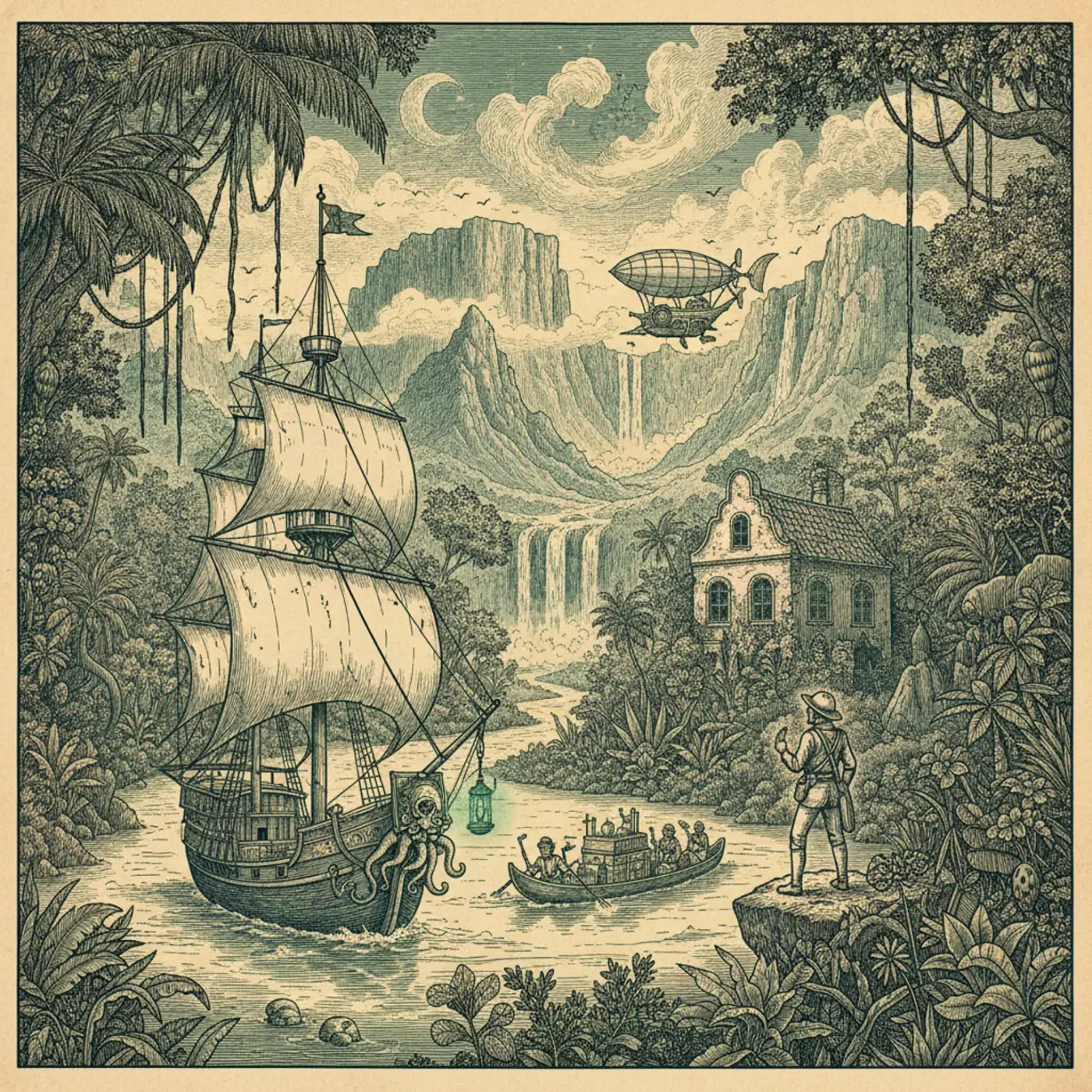
Look, the city’s lovely. But Suriname is something like ninety percent rainforest, and the proper trip is leaving the coast and heading upriver into that interior.
You can fly or drive-and-boat to lodges deep in the forest. I went to a place on the Upper Suriname River, reached by a long dugout-canoe ride through Maroon villages, where the only sounds at night were frogs, insects and the river. Howler monkeys at dawn that sound like the apocalypse. River swims in tea-colored water. Visits to Maroon communities who still live with their own language, music and traditions, descended from people who freed themselves generations ago.
There are also reserves like Brownsberg, with waterfalls and viewpoints over a vast reservoir, doable as a couple-of-day trip from the capital. And further afield, the Central Suriname Nature Reserve, which is properly remote, properly wild.
This is the bit that makes me say bet on Suriname. The forest is intact, the wildlife is there, and there are basically no crowds. None. You can have an entire jungle lodge nearly to yourself.
How to actually do it
Getting there is the friction. Flights into Paramaribo (the airport code is PBM) tend to route through Amsterdam, through Belém in Brazil, or via the Caribbean — there’s no super-easy hop unless you’re coming from the Netherlands. Check connections carefully and expect a long-ish haul.
Once you’re in, the interior trips run small and book up, so arrange your jungle lodge or river tour in advance rather than hoping to sort it on the ground. The operators in Paramaribo are used to organizing this and it’s not expensive by Western standards.
Timing: aim for one of the drier windows, roughly February to April or August to November. The wet season floods trails and makes river travel a slog. And bring proper bug protection and a rain layer regardless — it’s the tropics, things change fast.
Cash and patience help. It’s a low-key place, English gets you a long way even if Dutch is official, and people are overwhelmingly kind. Just don’t expect slick tourist infrastructure, because half the appeal is that there isn’t any yet.
I left Suriname slightly evangelical about it, which doesn’t happen to me often. It’s the rare destination that’s genuinely off most radars, easy to enjoy, deeply unusual, and clearly on the cusp of being discovered. The first time I sat on a wooden veranda in Paramaribo with a beer, listening to three languages drift past and watching the river go by, I thought: how is nobody here.
Go to Suriname before the secret leaks — eat the roti, take the canoe upriver, and see South America’s forgotten country while you can still have the jungle almost to yourself.
This article contains affiliate links marked rel="sponsored". We may earn a commission at no extra cost to you.