
[ DISCOVERY · THE DISPATCH ]
Saudi Arabia Is Building a City in a Mirror and I Don't Know How to Feel About It
A 170km mirrored line across the desert, no cars, no streets. The most expensive thing humans have ever tried to build. I went to look at what actually exists — and came back genuinely conflicted.
I’ll level with you before we start, because this isn’t a normal travel post and pretending otherwise would be dishonest. A NEOM The Line visit in 2026 is not a holiday in any sense your mum would recognise. It’s going to look at a thing — an enormous, baffling, possibly impossible thing — and trying to decide what you actually think about it while standing in the heat of the Tabuk desert. I went. I’m still chewing on it.
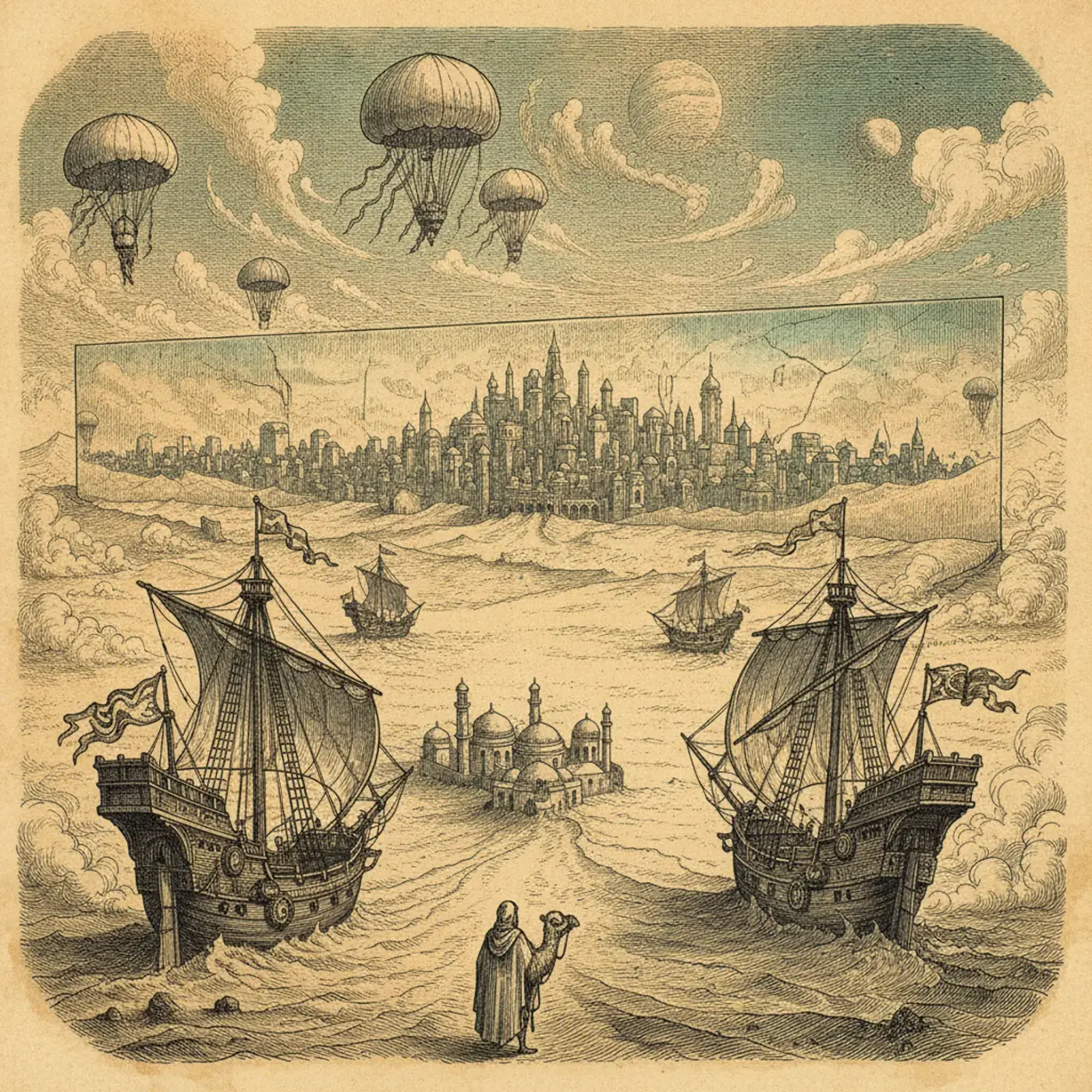
For the uninitiated: The Line is the headline piece of NEOM, Saudi Arabia’s trillion-dollar plan to build cities in the empty northwest. The pitch is a city 170 kilometres long, 500 metres tall, 200 metres wide, clad in mirrors, no cars, no roads, nine million people stacked in a single glittering wall across the sand. The renders are everywhere. They look like a screensaver from a film about a future nobody asked for.
The renders are not the thing that exists. That’s the whole crux of this.

What’s actually there
Let me describe what you can realistically see, because the gap between the marketing and the dirt is the most interesting part of the trip. There’s construction. A lot of it. Vast earthworks, excavation on a scale that’s genuinely hard to take in — kilometres of it, machinery the size of buildings, a workforce in the tens of thousands. From a distance the mirrored sections that are up do this strange thing where they swallow the horizon and reflect the desert back at itself.
It’s impressive in the way a dam is impressive. Or a quarry. It is not, in 2026, a city you walk around. There are no cafés on The Line. There is no there, there — not yet, maybe not ever at the scale promised. Estimates of the eventual length keep shrinking in the reporting. Make of that what you will.
So if you go imagining you’ll stroll a mirrored boulevard, you’ll be deflated. If you go to witness the largest, strangest construction effort of your lifetime as it happens, you’ll get exactly that.
The contrarian bit: the desert is the actual destination
Here’s where I switch from sceptic to genuine enthusiast, and it surprised me. The region around NEOM is staggering and completely real. No renders needed.
AlUla. Go to AlUla. It’s a few hours away and it’s one of the most extraordinary places I’ve ever stood. Hegra (Mada’in Salih) is a Nabatean site cut into sandstone — think Petra’s quieter, less-trampled cousin, with tombs carved straight into these honey-coloured rock faces and almost nobody around when I went at opening. The old town of AlUla, the date palms, the canyon roads at sunset where the rock turns the colour of embers — that’s the trip. That’s what I’d fly back for.
The part I keep wrestling with
I’m not going to skate past this, because you shouldn’t either. NEOM exists under a government with a human rights record that a lot of people, me included, have serious problems with. There’s the displacement of the Huwaitat tribe from land NEOM is being built on. There’s the broader context. A trip here is not neutral, and anyone selling it as a frictionless bucket-list tick is dodging the hard part.
I don’t have a tidy answer for you. I went because I think witnessing things — even uncomfortable things, especially uncomfortable things — has value, and because the ancient Hejaz predates all the politics by two thousand years and deserves to be seen on its own terms. But I’d be lying if I said I felt clean about it. You’ll have to do your own moral arithmetic. Just don’t pretend the arithmetic isn’t there.
Practical, since you asked
Saudi’s tourist e-visa is genuinely straightforward now — applied online, approved in a day or two for me. Dress respectfully (it’s more relaxed than it was, but read the room). Alcohol is illegal, full stop, don’t be a fool about it. Rent a car for AlUla and the desert; distances are huge and there’s no train threading it together. Summer is brutal — November to March is the only sane window, honestly. I went in shoulder season and even then the midday sun was a serious thing.
And manage your expectations about The Line itself. You’re going to see a construction site of historic scale, not a finished marvel. That’s not a disappointment if it’s what you expected. It’s a disappointment if you believed the screensaver.
So, worth it?
For the desert and Hegra — unreservedly yes, that’s a world-class trip on its own. For The Line specifically? Go as a witness, not a tourist. Go to see whether the most ambitious, most expensive, most morally complicated building project of our age becomes a city or a very famous hole in the ground. Right now it could honestly be either.
See the ancient stones for certain. Look at the mirror, sure — but go knowing you’re looking at a question, not an answer.
This article contains affiliate links marked rel="sponsored". We may earn a commission at no extra cost to you.