
[ DISCOVERY · THE DISPATCH ]
Saudi Arabia Has Tombs Carved Into Cliffs That Rival Petra With Nobody There
Hegra has Nabataean tombs as grand as Petra's — same civilization, same carved facades — except I stood in front of them basically alone. Saudi's quiet headliner, and how to actually see it.
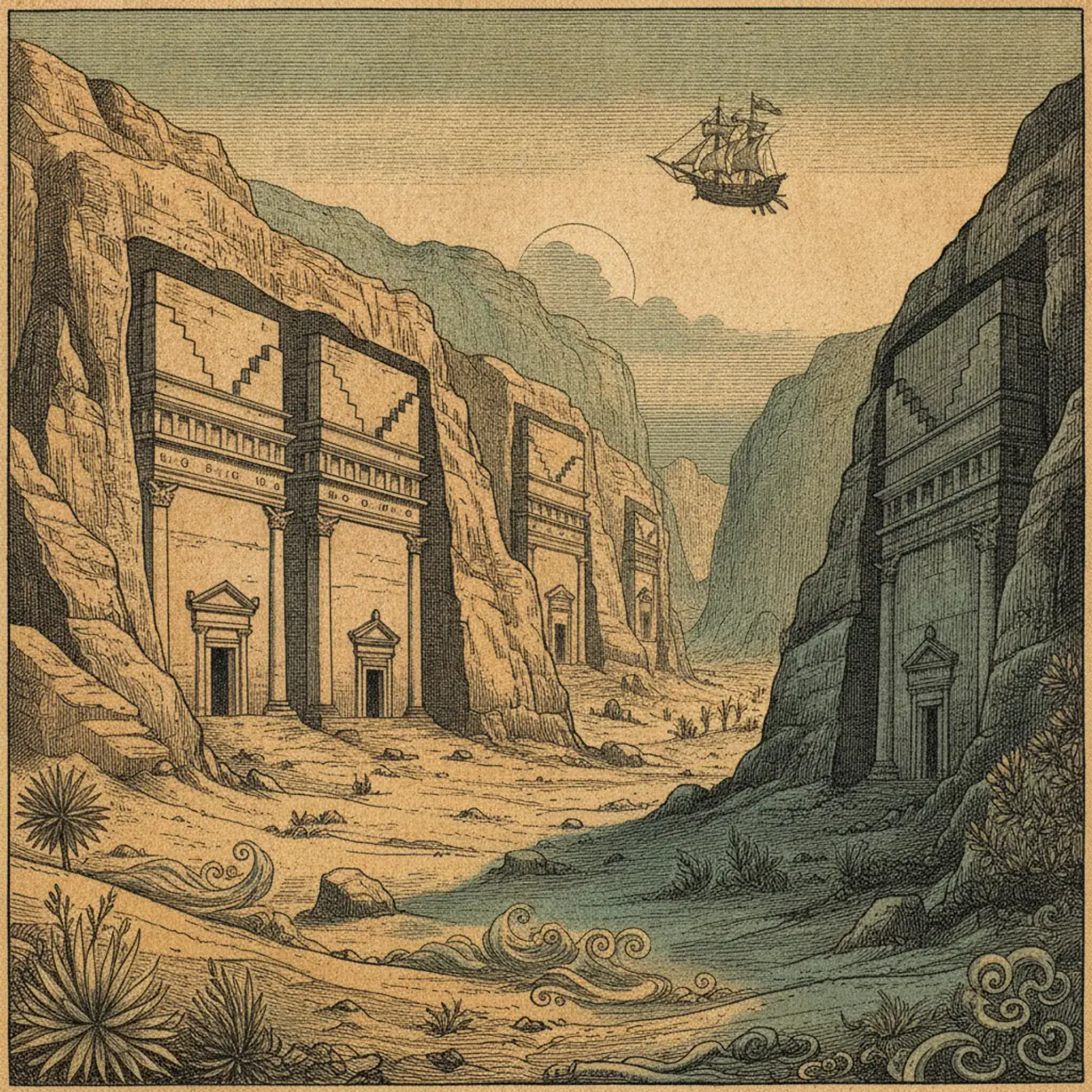
Hegra in Saudi Arabia gave me the thing Petra never could: silence. I’ve been to Petra. Loved it, sort of, in between the donkey touts and the selfie scrums and the queue to photograph the Treasury. Hegra is carved by the same people, the Nabataeans, in the same era, with the same astonishing skill — enormous tomb facades cut straight into freestanding sandstone outcrops, lions and eagles and inscriptions still crisp after two thousand years — and when I stood in front of the biggest one, the famous lone tomb of Lihyan son of Kuza, there was almost nobody else there. A handful of people. A lot of wind. That was it.
It felt like trespassing. In the best possible way.

Same masters, different desert
Quick history, because it matters. The Nabataeans were the trading civilization who built Petra in what’s now Jordan. Hegra — also called Mada’in Salih — was their second city, further south, a key stop on the incense route. Same hand, same vision, same vertical tombs with that distinctive facade. There are over a hundred monumental tombs scattered across the AlUla desert here, and in 2008 Hegra became Saudi Arabia’s first UNESCO World Heritage site.
For decades it sat virtually unvisited, because Saudi Arabia simply wasn’t open to tourists. That changed only recently, with the country issuing tourist visas and pouring serious money into AlUla as its flagship destination. So you get this strange, lucky moment: a wonder on par with one of the most famous sites on Earth, freshly accessible, and not yet mobbed. I don’t know how long that lasts. Probably not long.
How visiting actually works
This is the part to get right, because Hegra is not a turn-up-and-wander site. You can only enter the archaeological area as part of an official guided tour, led by a local “rawi” (storyteller-guide), on timed slots, usually moving between the tomb clusters by a shuttle coach. You book it in advance through the official AlUla experiences platform — do this before you arrive, because the slots are genuinely limited and selling out a popular afternoon is a real risk.
My rawi was a young Saudi woman from AlUla named Reem who’d trained specifically to tell these stories, and she was fantastic — pointing out the masons’ unfinished tombs, the spots where you can still see the chisel marks, the little details of who was buried where and why. The guided format annoyed me on paper and won me over completely in practice.

Getting to AlUla
AlUla has its own small airport with direct flights from Riyadh and Jeddah, and increasingly some international and seasonal connections. That’s by far the easiest way in — fly into AlUla, and Hegra is a short drive from the town and the main hotels. You can also drive from Medina in a few hours if you want the road trip.
You’ll need a Saudi tourist visa, which is now an online eVisa for most nationalities and pretty painless. Sort it before you go.
Where you stay: AlUla has a spread from simple desert camps to some genuinely lavish resorts out among the rock formations. Even the modest options aren’t cheap — AlUla is positioned as a premium destination and priced like it. Budget accordingly, or come on a tighter package.

More than just the tombs
Don’t fly all that way for Hegra alone, because AlUla as a whole is the surprise. The Old Town of AlUla is a labyrinth of mud-brick houses you can walk through. Elephant Rock is a giant natural arch that genuinely looks like an elephant and is worth a sunset visit. And the canyons and oasis palm groves around the valley are beautiful in a stark, monumental way I wasn’t expecting.
A couple of honest cautions. It’s hot — go November to March or you’ll suffer, full stop; I went in February and the days were perfect and the nights cold. And the tightly-managed, ticketed nature of the place can feel a bit theme-park curated in spots. But the tombs themselves, out in the open desert, cut into rock by people two millennia gone, with the wind and almost no one around — that’s the real thing, no asterisk.
The moment that got me: standing at the base of Lihyan’s tomb, this perfect facade rising maybe a hundred feet, completely alone for a stretch of minutes, with the desert stretching flat and gold in every direction. At Petra you fight for that. Here it was just handed to me. I keep thinking about it.
See Hegra now, in this odd quiet window before the crowds arrive — it’s Petra-scale wonder with the volume turned all the way down, and that won’t be true forever.
This article contains affiliate links marked rel="sponsored". We may earn a commission at no extra cost to you.