
[ DISCOVERY · THE DISPATCH ]
Everyone's Flying to the Faroe Islands for the Fog — and It's the Best Mistake You'll Make
A Faroe Islands travel guide for people who've twigged that the weather everyone warns you about is actually the whole point. Sheep outnumber humans, the fog rolls in sideways, and I have never been more sure I'd come back.
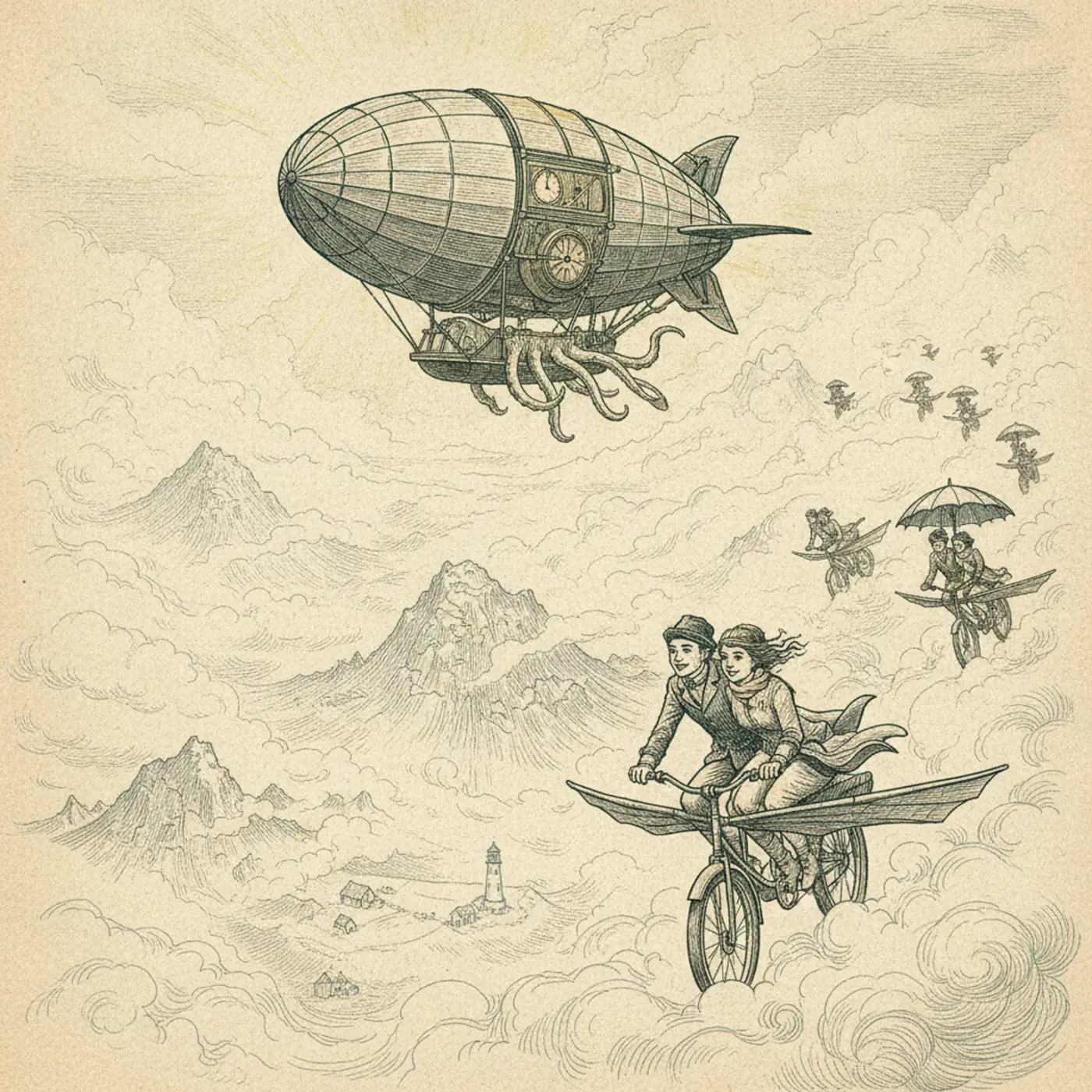
This Faroe Islands travel guide starts with a confession: I booked the trip half by accident, on a delayed-flight whim and a $230 fare out of Copenhagen, and I spent the first morning convinced I’d made a terrible mistake. It was raining sideways. I couldn’t see the mountain that was supposedly directly in front of my guesthouse. Then the fog lifted for about ninety seconds and I saw what was there and I actually said “oh” out loud, to nobody.
The Faroes are eighteen lumps of green rock flung between Iceland and Scotland, owned by Denmark but very much their own thing. There are no trees to speak of (wind ate them, basically). There are more sheep than people — the word “Faroe” might even come from the old Norse for sheep, which tells you the priorities. And the weather does not so much change as audition for different roles throughout the day. Sun, fog, hail, sun again. By eleven a.m.
Go for the fog, I’m serious
Here’s the hot take this whole place runs on: the weather everyone tells you to dread is the actual product. When the fog (they call it mjørki) drapes itself over Sørvágsvatn or pours down the cliffs at Kalsoy, the islands look like the opening shot of a film you’d remember forever. People wait for the “clear day.” The clear day is fine. The half-fog day, where mountaintops float disconnected from their bases — that’s the one.
I’m not saying romanticise being cold and wet. I’m saying bring real waterproofs and then stop fighting it.
You need a car. Just rent the car.
Public transport exists and is charmingly thorough, but the magic here is in the driving. The islands are stitched together by sub-sea tunnels — including the Eysturoyartunnilin, which has the only undersea roundabout in the world, lit up like a jellyfish disco. You’ll pay tunnel tolls (usually settled automatically via your rental, ask when you collect), and you’ll mutter about it, and it’ll be worth it.
The drive to Gásadalur, through a single-lane tunnel blasted through a mountain, dumps you at the most photographed view in the country: the Múlafossur waterfall pouring straight off a cliff into the Atlantic, a tiny village behind it. It’s busy now by Faroese standards, which means there might be eleven other people there. Go early. Or go in fog and have it to yourself.
Other things I’d not skip: the village of Saksun, which sits in a natural amphitheatre around a tidal lagoon and feels like the edge of the map; Tjørnuvík beach for the black sand and the view of the two sea stacks called the Giant and the Witch; and the hike to the lake-above-the-ocean illusion at Sørvágsvatn (you pay a small landowner fee now, around 200 DKK, and it’s fair — it’s their land and their gate).
What it actually costs, and the catch
It’s not cheap, I won’t lie. Food in Tórshavn runs Scandinavian-expensive. A sit-down dinner will lighten you by a fair bit, and the fancy place everyone name-drops, KOKS, is its own pilgrimage with its own price tag. But you can eat well for less: grab supplies at a Bónus supermarket, get the fish soup at a café, and one night just try a heimablídni — a home-hospitality dinner where a local family cooks for you in their actual house. It’s the warmest meal you’ll have and it funnels money straight to the islanders instead of a chain.
The catch? Weather can cancel ferries and close the helicopter routes (yes, there’s a heavily subsidised helicopter you can ride between islands for almost nothing, book it weeks ahead). Build in slack days. Don’t plan a flight out the morning after a remote-island stay. The fog that makes the place also strands you in it, occasionally. Worse fates exist.
When to go
May and September are the sweet spot — flights drop, the roads empty out, and the daylight’s still generous (June gives you near-endless light, but also peak prices and the most crowded the Faroes ever get, which is, again, not very). Winter is brutal and beautiful and only for the committed. Whenever you go, the fog is included at no extra charge, and that, genuinely, is the whole point.
I came home with wet boots, a wool jumper, and a low-grade obsession I haven’t shaken. The Faroes don’t perform for you. They just sit there in the weather, being completely themselves, and dare you to keep up.
Book the fog days on purpose. Future you, standing on a cliff in the mjørki, will thank present you.
This article contains affiliate links marked rel="sponsored". We may earn a commission at no extra cost to you.