
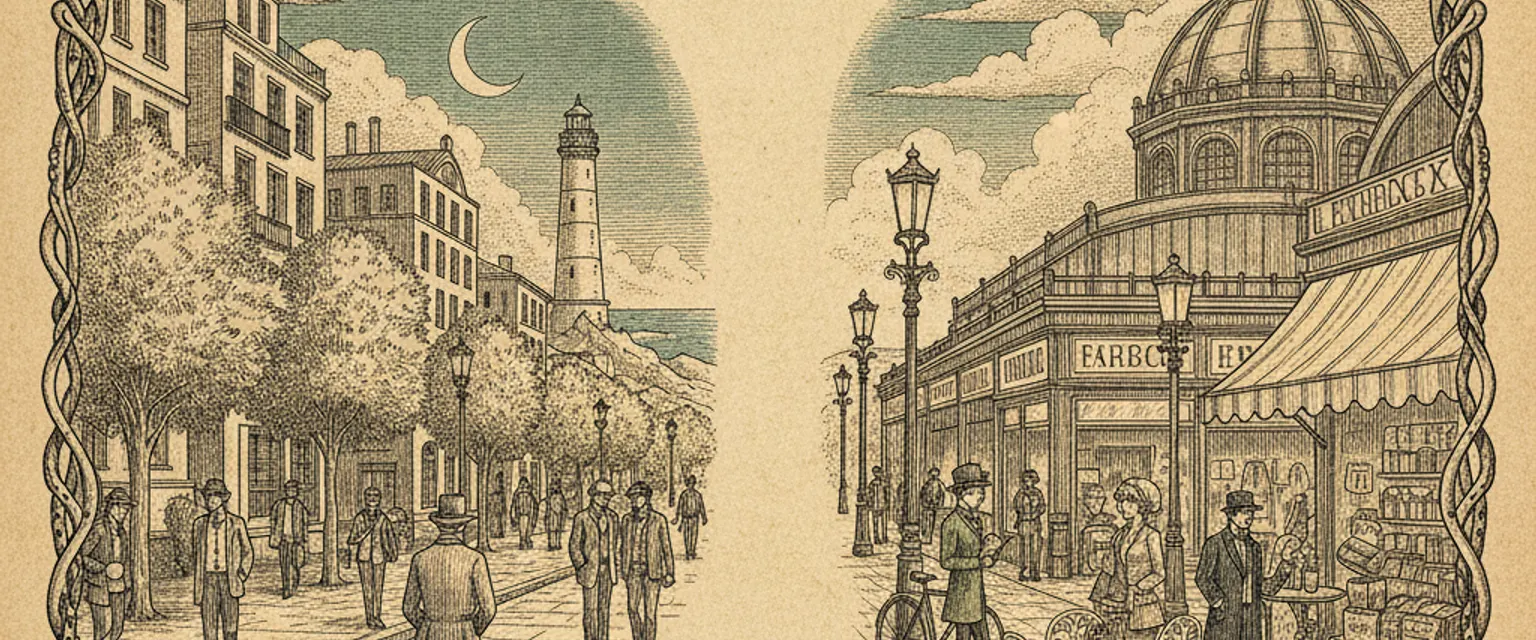
[ GUIDE · THE DISPATCH ]
Poblenou vs. Sant Antoni: Barcelona's Quietly Best Neighborhoods
Poblenou vs Sant Antoni, Barcelona: a lived-in take on the city's two quietly best neighbourhoods — seaside-industrial cool versus market-led local life.
Short on time? The perfect 3-day Barcelona itinerary turns all of this into a route you can actually walk.
Ask ten people about Poblenou vs Sant Antoni in Barcelona and nine of them will steer you toward the Gothic Quarter instead, which is exactly why I don’t trust nine out of ten people. The Barri Gòtic is gorgeous and also a theme park now. These two — Poblenou and Sant Antoni — are where Barcelona actually breathes, and picking between them is the most useful decision you’ll make for your trip.
I’ve stayed in both over the years, dragged there originally by cheaper rents and kept there by stubbornness. They’re both brilliant. They are also nothing alike, and the wrong choice will quietly sour a good trip. So.

The quick gut-check
Poblenou is sea air, wide grid streets, a former factory district that turned into a low-key, slightly arty, almost suburban-feeling pocket near the beach. Sant Antoni is dense, central, market-anchored, full of people who’ve lived there their whole lives plus a wave of folk who moved in for the food and never left.
If you’re a person who needs to be in the middle of things, Sant Antoni. If you’re a person who needs to be able to breathe and see the sea, Poblenou. That’s eighty percent of the decision right there.

Poblenou: space, sea, and a slower clock
Poblenou’s spine is the Rambla del Poblenou — and forget what you know about the tourist Rambla, this one is local, leafy, lined with old-man bars and ice cream shops and kids on scooters. It runs down toward the beach, which is the real draw: Bogatell and Mar Bella are calmer, wider and far less of a sardine-tin than Barceloneta. I’d swim here every morning and never once fought for a towel-sized patch of sand.
The old factories became design studios and co-working spaces (they call the area 22@, which sounds like a wifi password and sort of is). It means good coffee, a creative buzz, but also — fair warning — pockets that feel a bit corporate and dead on a Sunday.
Food-wise it’s quietly excellent. There’s a vermut bar called Balius that does live jazz some nights. El 58 (Le Cinquante-Huit) does French-Catalan small plates that I still think about. And La Pubilla up near the market does breakfast that ruins you for all other breakfasts.

Sant Antoni: the market is the whole personality
Sant Antoni’s heart is, literally, its market — the Mercat de Sant Antoni, a gorgeous iron-and-glass beast that reopened after years of renovation and is now the best food market in the city that isn’t overrun by people filming themselves. Locals shop here. You should eat here. The Sunday book-and-coffee market that wraps around it (the “Dominical”) is a lovely scruffy ritual.
The neighbourhood itself is part of the Eixample grid, so it’s got those handsome wide blocks with the chamfered corners, but it’s cheaper and realer than the posh upper Eixample. Carrer del Parlament is the famous str/eet — brunch spots, vermut bars, the lot — and it’s become a bit of a scene, sure, but step one block off it and you’re back among the dry cleaners and the abuelas.
I love it here for the density. Everything’s a five-minute walk. The Boqueria, the Raval, Plaça Espanya, all on foot. The downside is the flip side of that: no sea, less air, and on a hot August night the streets hold the heat like an oven. You feel the city more, for better and worse.
The first time I stayed in Sant Antoni I went out for milk and came back four hours later having had three vermuts and made two friends and a dinner reservation. That doesn’t happen to me in Poblenou. In Poblenou I go out for milk and come back with milk, and a bit of sunburn, and a clearer head.

So which one?
Pick Poblenou if you want the beach, room to think, a calmer base, and you don’t mind a short hop to the centre. Great for families, for longer stays, for anyone who finds the old town exhausting.
Pick Sant Antoni if you want to be central, eat constantly, and feel the pulse of an actual Barcelona neighbourhood that hasn’t sold its soul. Great for a first proper visit, for food obsessives, for short punchy trips.
Honestly? For a week I’d do Poblenou. For a long weekend I’d do Sant Antoni. They reward different appetites and there’s no wrong answer, only the answer that fits the trip you’re actually taking, which is a thing alot of guides forget to ask.
Sea and space, or markets and motion — both are the real Barcelona, so just be honest about which version of yourself shows up on holiday.
This article contains affiliate links marked rel="sponsored". We may earn a commission at no extra cost to you.