[ TIPS · THE DISPATCH ]
Photography Etiquette Abroad: When That Perfect Shot Is Actually Rude
That gorgeous candid of a stranger? It might be theft. Travel photography etiquette comes down to asking first, respecting sacred no-camera zones, and knowing the drone laws that'll fine you.
Travel photography etiquette is one of those things nobody teaches you and everybody assumes you already know, and the result is a planet full of well-meaning tourists quietly being rude with a camera. I was one of them. For years I shot first and felt clever about it, until a woman in a market in Marrakech looked straight into my lens with an expression I still think about — not angry, just tired, the look of someone who’s been turned into someone else’s content one too many times. I deleted the photo. I should never have taken it. Let’s talk about getting this right.
Ask before you shoot people (it’s not optional)
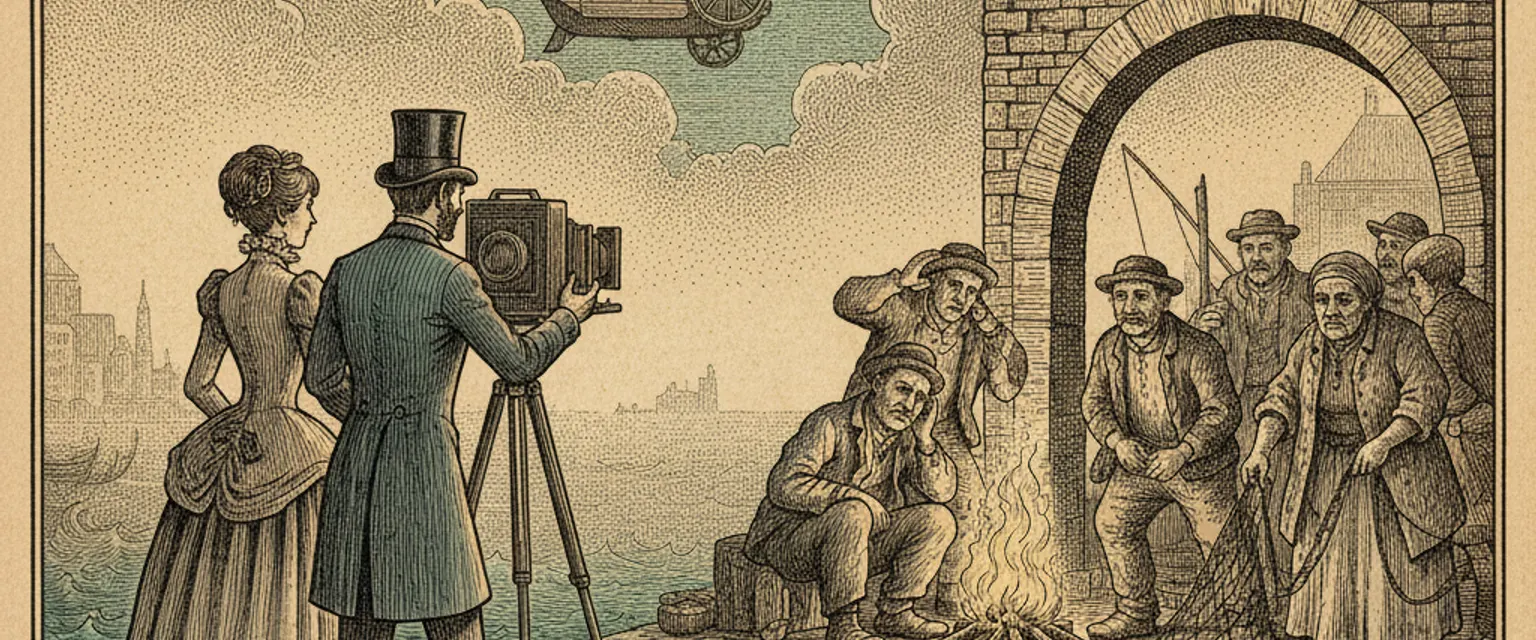
Here’s the uncomfortable truth at the center of all of this: a candid photo of a stranger, taken without their knowledge, in their own country, is a small theft. You’re taking their image, often to perform “authentic travel” for people back home, and giving them nothing and no say. The fact that they look gorgeous or characterful or “so local” doesn’t make it okay — that’s exactly the framing that makes it not okay.
So you ask. It’s genuinely easy. You don’t need the language. Hold up the camera, raise your eyebrows, smile, maybe a little nod toward them — the universal “may I?” gesture works in every country I’ve ever been in. They’ll smile and nod, or they’ll wave you off. And here’s the part that matters most: if it’s a no, it’s a no. Lower the camera, smile, say thank you anyway, move on. No sneaking it from the hip thirty seconds later. That defeats the entire point.
The thing people don’t expect is how much better the photos get when you ask. A consented portrait, where the person knows you and has chosen to be there, has a connection in the eyes that no stolen candid ever will. I’ve gotten my best portraits in the ten seconds after someone said yes — and a name, and sometimes a whole conversation. Petros the fisherman, the spice seller in Old Delhi, the grandmother in Oaxaca who insisted I photograph her good side. Those aren’t stolen moments. They’re shared ones. They’re worth alot more.
There are exceptions in the other direction, to be fair. Wide street scenes, crowds, people who are incidental in a shot of a building — that’s normal documentary stuff and nobody expects a release form. The line is roughly: is this person the subject, identifiable and singled out? Then ask. Are they one of forty people in a plaza? Then shoot the plaza.

The sacred no-camera zones
Some places say no cameras, and they mean it for reasons that have nothing to do with you and everything to do with what the place is.
Inside many temples, mosques, churches, and shrines, photography is restricted or banned outright — sometimes everywhere, sometimes just in the inner sanctum, sometimes only during worship. Funerals and religious ceremonies are very often off-limits even when nobody’s posted a sign, because you’re standing inside a sacred or grieving moment and your shutter doesn’t belong there. Some Indigenous communities forbid photography of certain ceremonies, objects, or even landscapes for spiritual reasons that are simply not yours to override.
The rule is simple and it’s not a hardship: look for the sign, and when in doubt, don’t. A closed lens at a sacred site isn’t a missed shot, it’s good manners made visible. And honestly, some of my most vivid travel memories are the ones I have no photo of, precisely because I had to actually be there for them instead of through a screen. The monk gesturing “no” at a Bhutanese monastery did me a favor. I remember that hall better than any place I photographed that whole trip.
If you really want the image, ask a staff member or guide whether it’s permitted and whether a small fee unlocks it — at some sites it does, openly and legitimately. But take the no gracefully when it comes.
Drone laws will fine you into next week
Now the practical one, because this is where people get genuinely burned. Drone laws abroad are a chaotic patchwork, the rules change country to country, and the penalties are not gentle.
Some countries ban tourist drones flat-out. Some require a permit you must arrange before you arrive, or registration, or you have to declare it at customs. Plenty ban drones over cities, crowds, airports, military sites, and — crucially — over the exact heritage sites and national parks you bought the drone to film. People have had drones confiscated at the airport, been fined heavily, and in a few countries faced far worse than a fine. A friend lost his at customs in one country and paid a penalty on top for not declaring it. Pricey lesson.
So before you even pack it: check the specific civil-aviation rules for every country on your route, not a general “is drone travel okay” search. Check whether you need to register or declare it. Assume cities, crowds, and famous sites are no-fly until proven otherwise. And read the room on the ground — even where it’s legal, a drone buzzing over a quiet beach or a religious procession is its own kind of rude.
All of this comes back to one idea, really. A camera, or a phone, or a drone, points outward at other people and their places, and that direction carries an obligation. Be a guest who asks, who respects the closed door, who reads the rules before flying the gadget. Do that, and you’ll come home with photos you don’t have to feel weird about — which, it turns out, are also the good ones.
The best shot is the one freely given, not the one quietly taken — and once you start asking, you’ll never want to go back to stealing them.
This article contains affiliate links marked rel="sponsored". We may earn a commission at no extra cost to you.