
[ DISCOVERY · THE DISPATCH ]
The Lake in Tanzania That Turns Animals Into Stone Statues
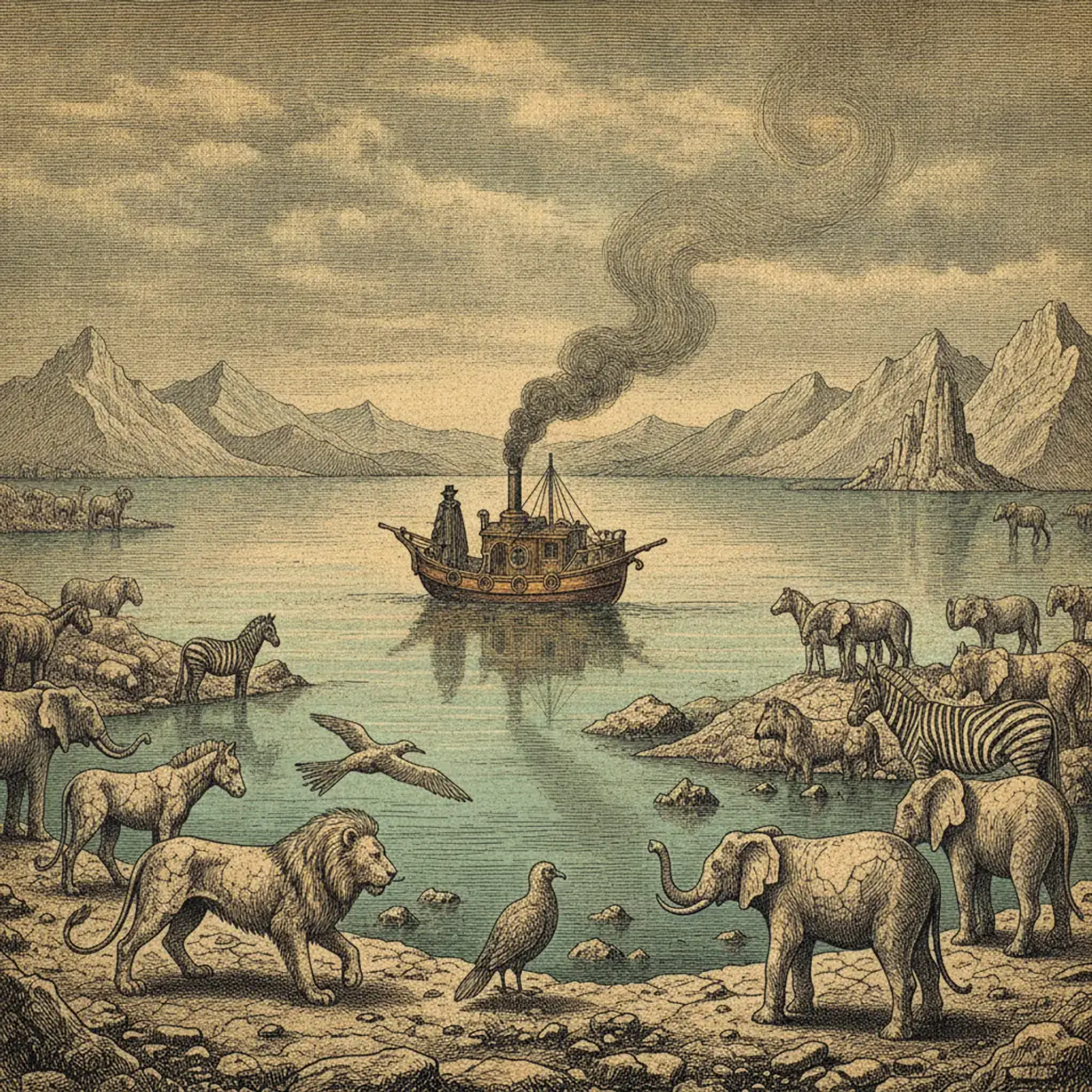
There's a lake in northern Tanzania so caustic it calcifies dead birds and bats into eerie, perfectly preserved statues. It reads like a horror set. It's real, it's gorgeous, and you can stand on its shore. Mind your eyes.
Lake Natron Tanzania is the most quietly terrifying beautiful place I’ve ever stood next to, and I’ve stood next to a few. You’ve probably seen the photos even if you didn’t know what you were looking at — a bird, wings half-spread, frozen mid-motion, the whole body turned to something between stone and bone, propped up on a rock like a grim little museum exhibit. Those photos are real. The lake really does that.
I had to see it. So I did.

What’s actually going on with the water
Natron is a soda lake, fed by hot springs and mineral-heavy runoff with no real outflow, so everything concentrates. The water can hit a pH around 10.5 — somewhere near ammonia, near bleach — and in the dry season the temperature creeps frighteningly high. Most things that fall in and die don’t rot the way they would anywhere else. The chemistry preserves them. Sodium carbonate coats the body, it dries hard, and you’re left with this eerie calcified husk, often holding the exact pose it had at the end.
A photographer named Nick Brandt made these images famous about a decade ago — he found the bodies washed up on the shoreline, propped them on branches and rocks, and shot them like portraits. Some people got cross about the “posing” bit, but the calcification itself isn’t a trick. The lake genuinely turns its dead into statues.
And here’s the bit that knocked me sideways when our guide explained it. This horror-movie water is also the single most important breeding ground on Earth for lesser flamingos. Millions of them. The very thing that makes the lake deadly to most animals — the caustic chemistry, the cyanobacteria that turn the surface blood-red and orange — is exactly what the flamingos feed on, and the harsh water keeps predators out, so they nest right in the middle of it on little salt mounds. Death lake and nursery, same place. Nature does not care about your comfort with contradictions.
Standing there
We came up from the south, through the village of Engaresero, which is the usual gateway and Maasai land. You pay a community fee at the gate and you take a local guide — both required, both the right thing to do anyway, because the money goes to the village and the guide stops you doing something stupid.
The walk out toward the water in the morning was already brutally hot, and this was the supposedly cooler season. The ground crunches. White crusts of soda everywhere, then the colour starts — pinks and rust-reds and a strange greenish shimmer where the algae blooms. Ol Doinyo Lengai, the active volcano the Maasai call the Mountain of God, sits behind it all like a stage backdrop somebody painted too dramatically.
The first time the wind shifted and carried the smell — sharp, mineral, faintly chemical — my eyes actually stung a little. That’s your reminder. This is not a swimming lake. People assume “lake” means “wade in,” and at Natron wading in means caustic burns on any skin that’s already scratched, and worse if it gets in your eyes. Look. Photograph. Do not paddle.

How to actually do it
Natron isn’t on the standard northern safari loop, and that’s a feature, not a bug — Serengeti and Ngorongoro pull the crowds, and Natron gets a trickle. It sits roughly between the Serengeti area and Kilimanjaro, and most people fold it into a longer Tanzania trip rather than fly out just for it. The road in is rough; a 4x4 and a driver who knows it is non-negotiable, the the corrugated track will rattle your fillings loose otherwise.
There are a few camps and lodges near Engaresero, ranging from basic tented setups to a couple of nicer ones with actual pools, which after a day in that heat feels less like luxury and more like medical necessity. Bring more water than seems reasonable. Bring a wide hat, real sunscreen, electrolytes. The sun here is not negotiable and there is precious little shade on the flats.
Timing: come in the dry season for firmer ground and easier access, but the flamingo breeding spectacle peaks in the wetter months when conditions are right, which is a frustrating little trade-off. Ask your operator what’s happening that specific season. The flamingos move on their own schedule and nobody can promise you the full carpet of pink.
I left Natron weirdly moved. Most “weird nature” stuff is a one-note novelty — look at the strange thing, okay, done. Natron isn’t. It’s death and birth stacked on top of each other, beautiful and hostile in the same glance, a place where a flamingo raises its chicks a few metres from where a dove turned to stone. You don’t forget it.
Go look at the lake that makes statues. Just keep your feet, and your eyes, well out of it.
This article contains affiliate links marked rel="sponsored". We may earn a commission at no extra cost to you.