
[ DISCOVERY · THE DISPATCH ]
I Tried 'Slow Travel' for a Month and It Quietly Broke My Brain in the Best Way
Thirty days, one town, zero day trips. No checklist, no rushing, no 'and then we did.' It felt like doing nothing — and it rearranged something in my head I didn't know was crooked.
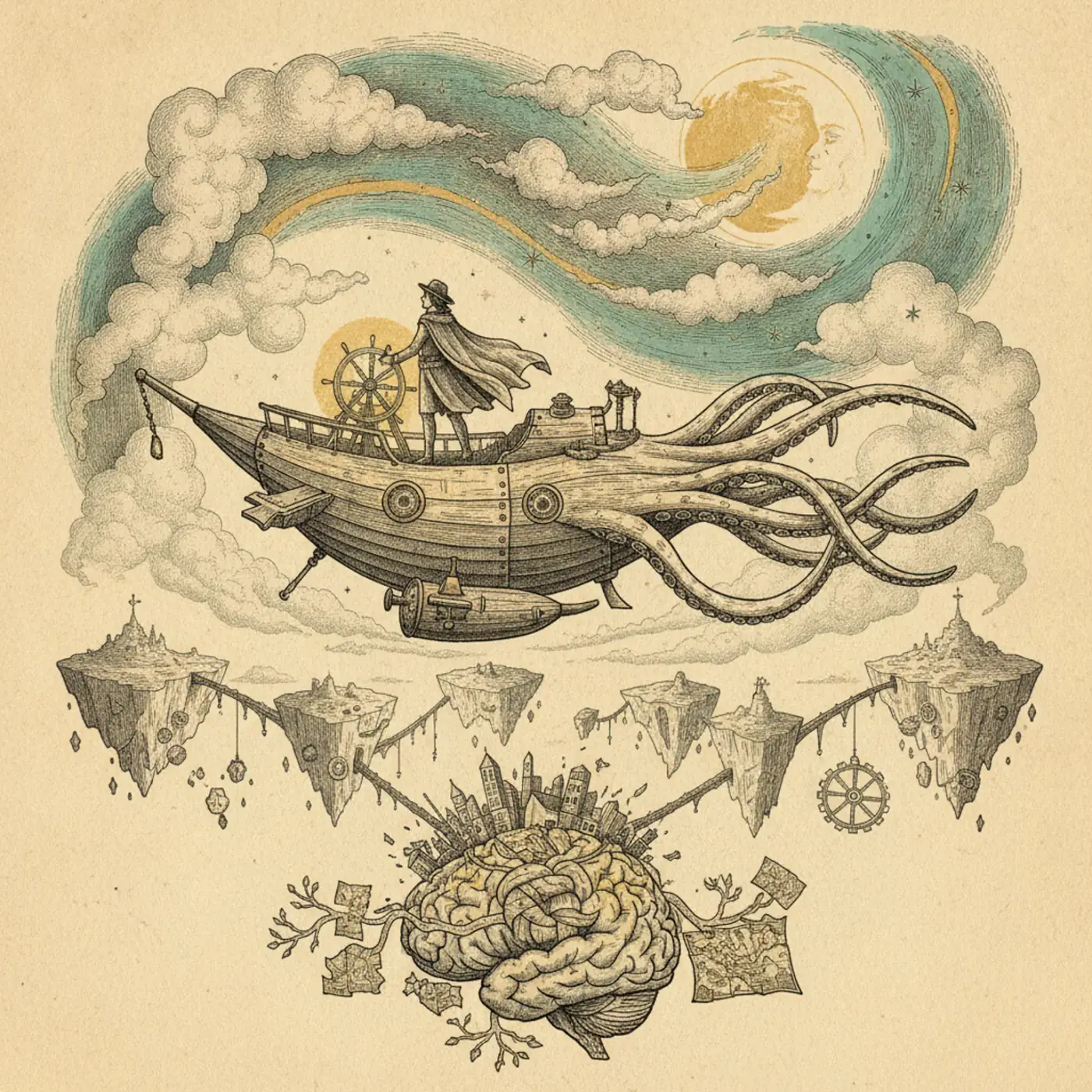
I’m a checklist person. Was, anyway. The kind who plans a city in colour-coded blocks and feels a small electric joy ticking off the seventh thing before lunch. So when I decided to try slow travel one place a month — pick a town, stay thirty days, no day trips, no “while we’re here let’s pop to,” nothing — my own brain treated it like a threat. What do you mean we’re not going anywhere? We’re already here, said the brain. That’s the whole problem, said me.
I picked a smallish town in Puglia. I won’t tell you it changed my life, because that’s the line everyone uses and it’s mostly nonsense. But it did something stranger and harder to describe. It broke a habit I didn’t know I had.
Week one: the tourist won’t die
The first week was a fight with myself. I kept making lists. I “did” the main square, the cathedral, the obvious things, in about two days, and then sat in my little rented apartment feeling a low-grade panic, like I was wasting the trip. There was a whole region out there. Lecce was right there. Why was I not in a car right now seeing eleven hill towns?
Because that was the experiment. So I made myself stay. And it was, I’ll be honest, a bit dull. Week one of slow travel is basically detox. Your brain keeps reaching for the next hit of new and you keep saying no.
Week two: the boredom (which is the point)
Nobody warns you about week two. By week two you’ve seen “everything” and there’s nothing left to consume, and a slightly itchy restlessness sets in. This is the make-or-break bit. Most people would bail here, book a train, go chase novelty somewhere else.
I sat in it instead. And somewhere around day ten, the strangest thing started happening. I stopped looking at the town as a series of attractions and started just… living in it. I had a café. Not “a café I went to” — my café, the one by the fish shop, where the owner, a guy called Donato, started making my coffee before I’d sat down by about day eight. I had a route to the market. I knew which baker sold out by ten. I knew the cat that owned the alley behind my building.
That’s the shift. You stop being a person consuming a place and become, briefly, a person who lives there. It’s a completely different texture.
Week three: I became annoying
By week three I had opinions. Strong ones. About which fruttivendolo (greengrocer) was honest with the prices and which one saw a foreigner coming. About the right time of evening for the passeggiata, that lovely Italian habit of everyone just strolling, slowly, before dinner, for no reason except to be among people. I joined it. I strolled. I, a person who walks fast and with purpose, strolled at the pace of an 80-year-old in no hurry whatsoever and it felt like medicine.
I read three books. I learned maybe forty words of dialect, badly. I had a long, half-comprehending conversation with an old woman on a bench about her grandchildren that I understood maybe a third of and enjoyed completely. None of this would’ve happened in a three-day visit. There wasn’t time. There’s never time, when you travel fast. That’s what I finally got.

What actually broke (in a good way)
Here’s the brain thing, as best I can put it. We’ve been sold this idea that a trip’s value is the sum of what you saw. More sights, more value. Slow travel quietly demolishes that. By the end I’d “seen” almost nothing by the old metric. One town. No itinerary. And it was the richest month of travel I’ve had in years.
What broke was the part of me that’s always reaching for the next thing. The constant low hum of am-I-missing-something. For thirty days I wasn’t missing anything, because there was nothing to miss — there was just here, and here got deeper the longer I stayed. The boredom of week two turned out to be a door, and on the other side of it was the actual place, the one tourists never reach because they leave before it opens.
I’m not going to pretend I’ve become a saint about it. I’m back to making lists for short trips, because short trips need them. But something rewired. Now when I have the time, I’d rather know one place properly than skim ten. And I notice the rush in other people now — the family in the square photographing everything, seeing nothing, already mentally on the next stop. I was them. Maybe I still am, on a bad day.
If you can spare a month — and a lot of remote workers genuinely can now — try it once. Pick somewhere unremarkable. Stay. Get bored. Push through. Let it get boring enough to become real.
Stay long enough to have a café owner who knows your order. That’s the whole secret, and it cannot be rushed.
This article contains affiliate links marked rel="sponsored". We may earn a commission at no extra cost to you.