
[ TIPS · THE DISPATCH ]
How to Drink the Water Abroad (or Know Exactly When You Shouldn't)
Is the tap water safe to drink abroad? The real answer, plus the ice and salad gotchas, filter bottles vs tablets, and a rough map of where the tap is fine.
The single worst day of any trip I’ve ever taken was spent entirely in a bathroom in a small town outside Hanoi, and I have a pretty good idea why. So when people ask me is the tap water safe to drink abroad, I don’t give the breezy “oh you’ll be fine” answer. Because sometimes you won’t be, and a couple of days of your trip can vanish down the drain — literally — over something that was completely avoidable.
Here’s the honest, slightly unglamorous truth nobody puts on a postcard. The water question is real, it’s worth taking seriously, and it’s also not as scary as the nervous over-packers make it. You just need to know the rules, and then mostly forget about it. So.
The rough map: where the tap is fine, and where it isn’t
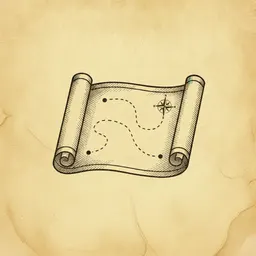
Let’s start with the big picture, because it calms people down. In a lot of the world, the tap water is perfectly fine and bottled water is a waste of money and plastic. Across most of Western Europe, the UK, Scandinavia, North America, Japan, South Korea, Australia, New Zealand, Singapore — drink the tap. It’s often cleaner and more tested than the bottled stuff, and refusing it just generates a mountain of plastic and a lighter wallet.
Then there’s a big middle band of the world where the tap is genuinely not for drinking — much of South and Southeast Asia, large parts of Africa, Central America, and patches of South America and the Middle East. There, you stick to bottled or treated water, and you do it without being precious about it.
But — and this is the bit the simple maps miss — it’s not always country-by-country. It’s often region-by-region, even tap-by-tap. The water in a big modern capital might be fine while a rural village two hours away is a hard no. Mexico City versus a tiny pueblo. A flash hotel’s filtered supply versus the street tap outside. Don’t assume the whole country is one answer.
The other tell — look at what locals do. If everyone, including well-off locals, drinks bottled or boiled water at home, that’s your answer. They’re not being fussy. They know.
The ice and salad gotchas that get the careful people
Here’s where folks who think they’re being careful still get caught, and it’s almost always one of two things. Ice. And salad.
You can be diligent — bottled water all day, brushing your teeth with it, the works — and then order a cold drink and it comes packed with ice cubes made from the exact tap water you’ve been avoiding. The cold doesn’t kill anything; freezing just puts the bugs to sleep, and they wake up cheerfully in your gut. So in dodgy-water regions, “no ice, please” becomes a reflex. (Caveat: a lot of bars and decent restaurants in tourist areas use machine-made ice from purified water — those uniform cylinder cubes with the hole through the middle are usually a good sign. The cloudy hand-cracked stuff is the gamble.)
Salad is the sneakier one. Raw vegetables and unpeeled fruit get rinsed in tap water and served wet — and nothing cooks the bugs off. That “healthy” side salad can be riskier than the deep-fried everything next to it. My rule in those regions: eat it cooked, eat it hot, or eat it peeled. A banana, an orange, anything you peel yourself is safe. A washed-and-served strawberry is a roll of the dice. And honestly? Hot, fresh, busy street food is often safer than a fancy salad, because high heat and fast turnover are your friends.
Same logic for brushing your teeth — in a no-tap zone, use bottled. It sounds paranoid until you’ve learned the hard way that a sleepy mouthful of rinse water counts.
Filter bottles vs tablets: what I actually carry
So how do you get safe water without buying a forest’s worth of plastic bottles every day? Two main tools, and I bring different ones for different trips.
A filter bottle is my default for cities and general travel. You fill it from the tap, the built-in filter handles the bacteria and protozoa as you drink, and you refill it endlessly for free. The good ones deal with the stuff that makes you sick (just check what your specific filter is rated for — basic ones don’t remove viruses, which matters in some places). Mine’s paid for itself a hundred times over and saved a genuinely embarrassing number of plastic bottles. For a trip where I’ll have regular access to a tap, even an iffy one, this is the move.
Purification tablets (chlorine dioxide or iodine) are my backup and my pick for proper backcountry trips — hiking, remote places, situations with no clean tap at all. They weigh nothing, you drop one in, wait the time on the packet (usually around 30 minutes, longer if the water’s cold or cloudy), and it kills basically everything including viruses. Downside, there’s a faint chemical taste some people hate, and the wait is annoying when you’re thirsty NOW. But for “I am genuinely out in the middle of nowhere and need to make stream water drinkable,” nothing beats them for pack weight.
Boiling, by the way, is the old reliable that always works — a rolling boil for a minute kills everything. Not always practical, but free and foolproof if you’ve got the means.
For most trips I carry the filter bottle and tuck a small strip of tablets in the first-aid kit as insurance. Belt and braces. Costs almost nothing, weighs almost nothing.

Don’t let it ruin the fun, though
One last thing, because I don’t want you white-knuckling every glass. Travel-related stomach trouble is usually mild and short — a rough day or two, not a catastrophe — and you don’t need to treat every meal like a chemistry exam. Pack a basic kit (rehydration salts are the real hero, far more than any anti-diarrhoea pill — that day near Hanoi, the sachets of salts got me functional again faster than anything), know the local rules, and then relax into the trip.
Be sensible about ice and salad in the risk zones, drink the tap freely where it’s fine, carry a way to treat water, and that’s genuinely 95% of it. You came to experience the place, not to fear it. Just don’t, whatever you do, brush your teeth on autopilot in the wrong country. Ask me how I know.
Ask the front desk, watch the ice and the salad, carry a filter — and then go enjoy your trip instead of fearing the faucet.
This article contains affiliate links marked rel="sponsored". We may earn a commission at no extra cost to you.