
[ GUIDE · THE DISPATCH ]
Getting Around Lisbon: Trams, Funiculars, and the Hills That Will End You
Getting around Lisbon is half charming yellow trams and half cardiovascular punishment. Here's the real deal on the Viva Viagem card, why tram 28 is both a must-ride and a pickpocket buffet, and when to just give in and walk (or not).
For the full day-by-day version of everything below, read the our full Lisbon itinerary, with maps.
Getting around Lisbon is a tale of two cities: the romantic one with the rattling yellow trams climbing impossible streets, and the brutal one where your calves stage a revolt by lunchtime. Both are true. I adore this city, I’d live here tomorrow, and I have also stood at the bottom of a hill in Alfama actually questioning my life choices. So let me arm you properly, because Lisbon’s transport is genuinely lovely once you stop fighting it — and the hills are real, and they will end you if you’re not ready.

Step one: the Viva Viagem card
Do this the moment you land or hit your first metro station. The Viva Viagem (sometimes branded Navegante) is a cheap reusable card you buy from any metro machine for half a euro. Then you load it. You’ve got two main ways:
- Zapping — pay-as-you-go credit. Top up a few euros, tap on, and it deducts a discounted fare per ride across metro, trams, buses, funiculars, AND the ferries. This is the flexible option and what I’d recommend for most people.
- 24-hour ticket — unlimited rides for a day. Worth it if you’re going to ride a lot in one day (multiple trams + funiculars + metro).
One genuinely annoying quirk: you can’t mix zapping credit and a 24-hour pass on the same card at the same time, and you can’t share one card between two people through the gates. So everyone in your group needs their own. Just buy one each, load zapping, done.

Tram 28 — ride it, but ride it smart
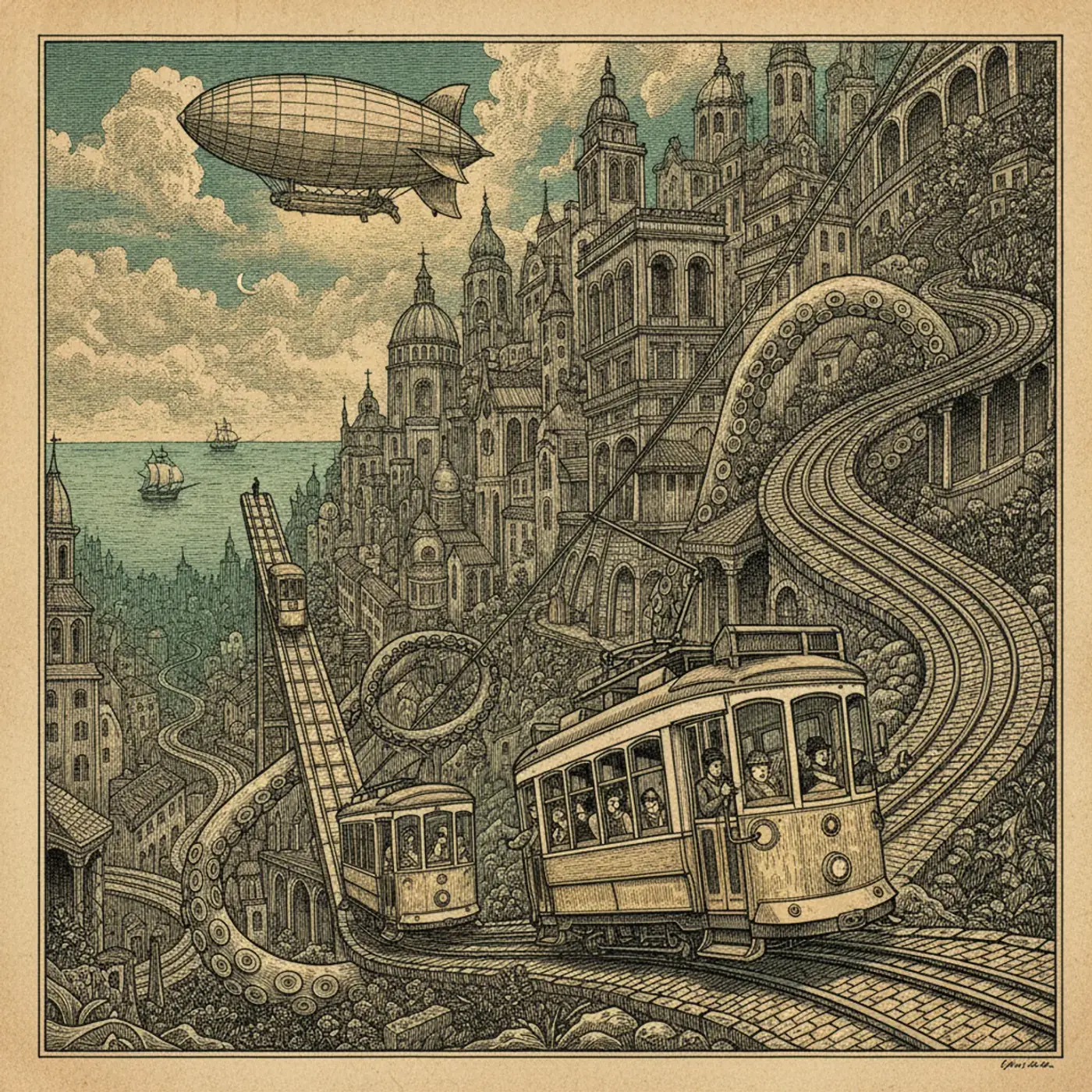
You’ve seen the photos: the vintage yellow tram grinding up a narrow cobbled lane in Alfama, washing flapping overhead. That’s the 28, and it’s a genuinely brilliant ride that loops through the oldest, prettiest, hilliest neighbourhoods — Graça, Alfama, Baixa, Estrela. It’s not a tourist gimmick bolted on; it’s a real working tram that happens to run the most scenic route in the city.
The catch: everyone knows this. By mid-morning it’s jammed sardine-tight, and a jammed tram 28 is a notorious pickpocket spot — practiced, professional, and very good at their job. So: ride it early (board near the start of the line, around Martim Moniz or Campo Ourique, before 9-ish), keep your bag in front of you and your phone deep in a zipped pocket, and don’t get so lost in the view that you forget your wallet exists. Do that and it’s one of the best half-hours in Lisbon. Ignore it and you’ll be filing a police report by noon.
If 28’s too mobbed, tram 12 does a shorter scenic loop, and 15 runs out to Belém (for the pastéis de nata at the original Pastéis de Belém and the monastery) — that one’s a modern tram, less romantic, much more comfortable.

The funiculars and the lift — your hill insurance
Lisbon built infrastructure specifically because the hills are insane, so use it. The funiculars (they call them elevadores / ascensores) are little tram cars that haul you straight up the steepest slopes:
- Elevador da Glória — connects the downtown Baixa/Restauradores up to the Bairro Alto bars and the São Pedro de Alcântara viewpoint. Saves you a vicious climb.
- Elevador da Bica — the photogenic one down a near-vertical street toward the river.
- Elevador do Lavra — the quiet one locals use.
And the Santa Justa lift — a wrought-iron elevator from the lower town up to the Carmo ruins area — is gorgeous but has a permanent tourist queue and a separate-feeling fare situation; honestly there’s a free-ish back way to the same viewpoint through the streets behind it if you’d rather skip the line. All the funiculars are covered by your Viva Viagem, by the way, so use them freely.

The metro, buses, and ferries
The metro is clean, cheap, and the fastest way to cover distance — four colour-coded lines, great for getting from the airport into town (the red line runs right to the airport) and for longer hops to Parque das Nações or out toward the football stadiums. It doesn’t reach the oldest, hilliest core well though — that’s tram and foot territory.
Buses fill the gaps the metro misses and climb hills the trams don’t. Ferries across the Tejo to Cacilhas are cheap, run on your card, and give you the best skyline view of Lisbon there is, plus great seafood on the far side. Underrated little outing, that.
So when do you just walk?
The flat downtown grid (Baixa) — walk it, easy. Between neighbourhoods that involve a serious climb (anything up to the castle, up to Bairro Alto, into upper Alfama) — take the tram or funicular up and walk down. That’s the golden rule. Climbing Lisbon’s hills for fun is a young person’s game and even they regret it. Going down is delightful; going up is a workout you didn’t sign up for.
Wear proper shoes with grip — those gorgeous cobbles (the calçada portuguesa) are slick as ice when it rains and have claimed many a tourist’s dignity. And just… build in slack. Lisbon rewards a slower pace. Tram up, wander down, café, repeat.
Get a Viva Viagem, ride tram 28 at dawn with your hand on your wallet, and let the funiculars fight the hills so your knees don’t have to.
This article contains affiliate links marked rel="sponsored". We may earn a commission at no extra cost to you.