
[ DISCOVERY · THE DISPATCH ]
Bolivia Has a Train Cemetery in the Desert and It's Strangely Beautiful
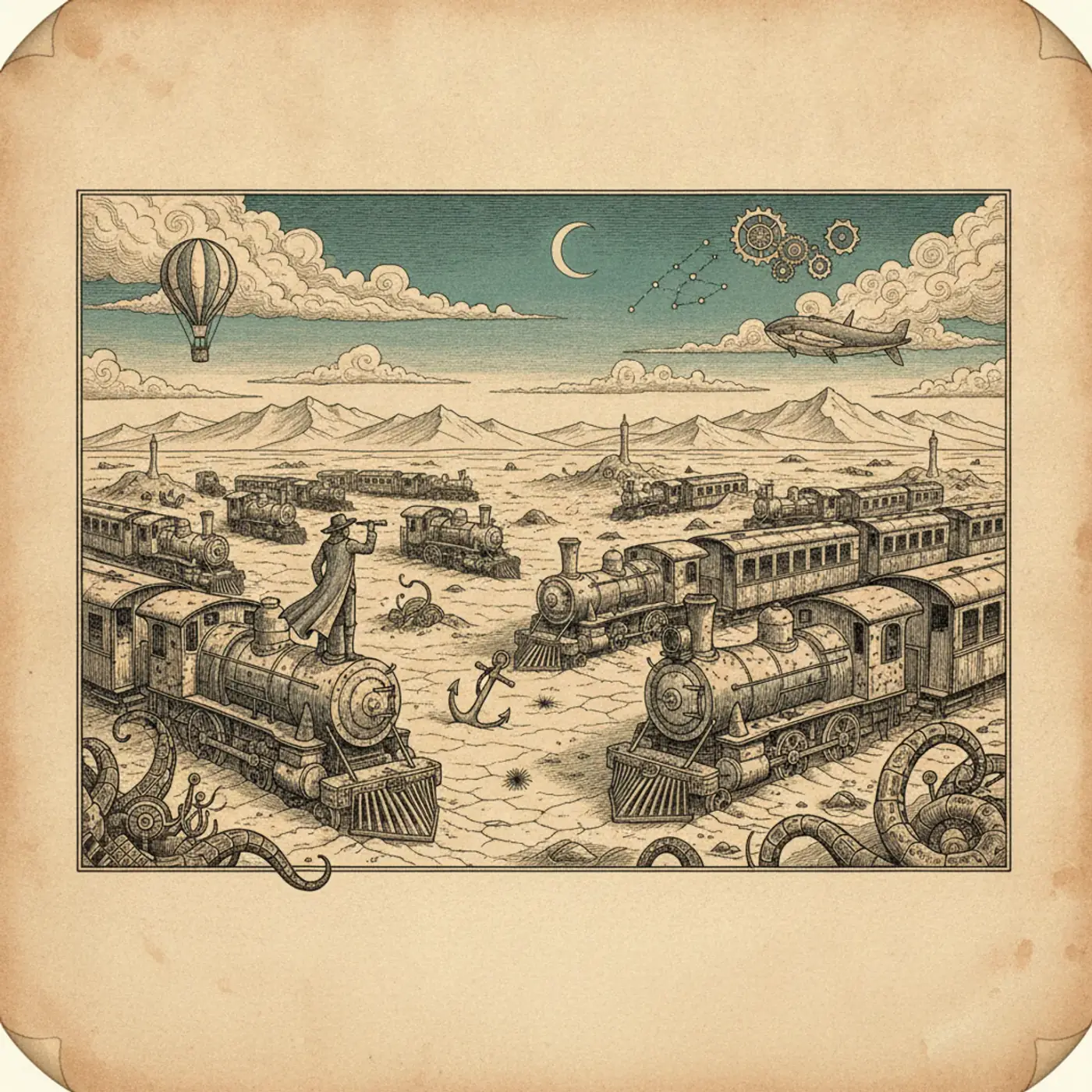
Just outside Uyuni, before you ever reach the famous salt flats, there's a field of rusting locomotives slowly being eaten by the desert. Everyone speeds past it to get to the mirror. They're wrong. Stop. It's the best part.
The Uyuni train graveyard Bolivia tour brochures barely mention is the thing I think about most from my entire South America trip, and the salt flats are RIGHT THERE. Let that sink in. The Salar de Uyuni — the biggest mirror on the planet, the postcard, the reason everyone comes — and I’m telling you the rusting trains beat it. Fight me.
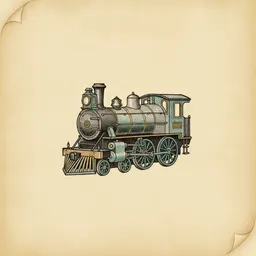
Here’s the setup. Just outside the dusty little town of Uyuni, on the southern edge before the land tips into salt, there’s a field of dead locomotives. Steam engines from the early 1900s, hauled out here and abandoned, now sun-bleached and rust-orange and slowly being dismantled by wind, salt air, and a century of nobody caring. They sit on the old tracks going nowhere. The desert is reclaiming them inch by inch.

How they got there
Quick history, because it matters and it’s genuinely interesting. Uyuni was a major rail hub back in the day — British engineers built the lines in the late 1800s and early 1900s to haul minerals from the Andean mines down to the Pacific ports. When the mining industry collapsed and the rail networks shrank, the trains had nowhere to go and no work to do. So they were dumped out here on the salt-flat margin. The dry, salty air should preserve metal, in theory, but the salt also corrodes it, so the result is this strange in-between state — solid enough to climb on, decayed enough to look ancient.
Locals stripped a lot of the usable parts decades ago, so many of the engines are hollow shells now, doorways and boilers open to the sky. People have spray-painted some of them, which purists hate and I quietly don’t mind — it adds to the post-apocalyptic, end-of-the-line feeling. It looks like a place after the world ended.
Why you have to make time for it
Every standard Uyuni tour stops here. For about twenty minutes. They unload you, everyone takes the same three photos hanging out of the same engine window, and then you’re herded back into the 4x4 and hauled off to the salt. The train cemetery is treated as a warm-up act, a thing you tolerate on the way to the main event.
That’s the mistake. This place rewards time. It rewards quiet. It rewards being there when there isn’t a coach-load of people doing the same poses.
The first time, I did it the normal way — twenty rushed minutes, jostling for the photo, mildly underwhelmed. Then a couple of days later, before my onward bus, I walked back out from town on my own at dawn. Fifteen, twenty minutes on foot from the centre, no big deal, you can basically see it from the edge of town. And it was a completely different place. Empty. Cold. The low sun coming sideways through the broken windows, throwing long shadows across the sand, every rivet and rust-streak lit up gold. Total silence except the wind moaning through the hollow boilers. I had maybe forty engines and a thousand square kilometres of nothing entirely to myself. I’m not embarrassed to say I got a little emotional about a pile of old trains.
The practical bits
Uyuni town is bleak in the honest way — high, cold, windswept, not much to it — but it’s the base for everything and you’ll likely have a night here either side of a salt-flats tour. The town sits at around 3,650 metres, so you’re high up; if you’ve flown straight in or come fast from lower ground, take the altitude seriously, drink water, take it easy the first day, and don’t laugh off a headache.
Most people reach Uyuni by overnight bus from La Paz, Sucre, or Potosí, or via the train from Oruro. There’s a small airport too if you’re short on time. For the train graveyard specifically you don’t need a tour at all — it’s a free walk from town, open all the time, no gate, no ticket. That’s part of the charm and part of the responsibility: there’s nobody maintaining it, so don’t be the idiot who falls through a rusted floor. Climb with sense. Some of these things will not hold your weight and a broken leg out here is a real problem.
Bring warm layers regardless of season — the Altiplano is cold morning and night even when the midday sun is fierce. And spend a little money in town. Uyuni doesn’t get rich off people who treat it as a 20-minute photo stop; eat at a local place, tip your guide properly, buy the alpaca jumper from the actual market and not the airport.
The salt flats are extraordinary, I won’t pretend otherwise — go, do the mirror photos, watch the sunset turn the whole world pink, it’s deserved. But don’t let anyone rush you past the trains. Give them a morning. Walk out alone. Stand in the cold with the wind keening through a hundred-year-old boiler and the sun coming up over a graveyard of machines that used to move a country.
Skip the herd, walk out at dawn, and give the dead trains the morning they deserve. The salt flats can wait an hour.
This article contains affiliate links marked rel="sponsored". We may earn a commission at no extra cost to you.