
[ TIPS · THE DISPATCH ]
ATM or Currency Exchange Booth? Where to Actually Get Foreign Cash Without Bleeding Fees
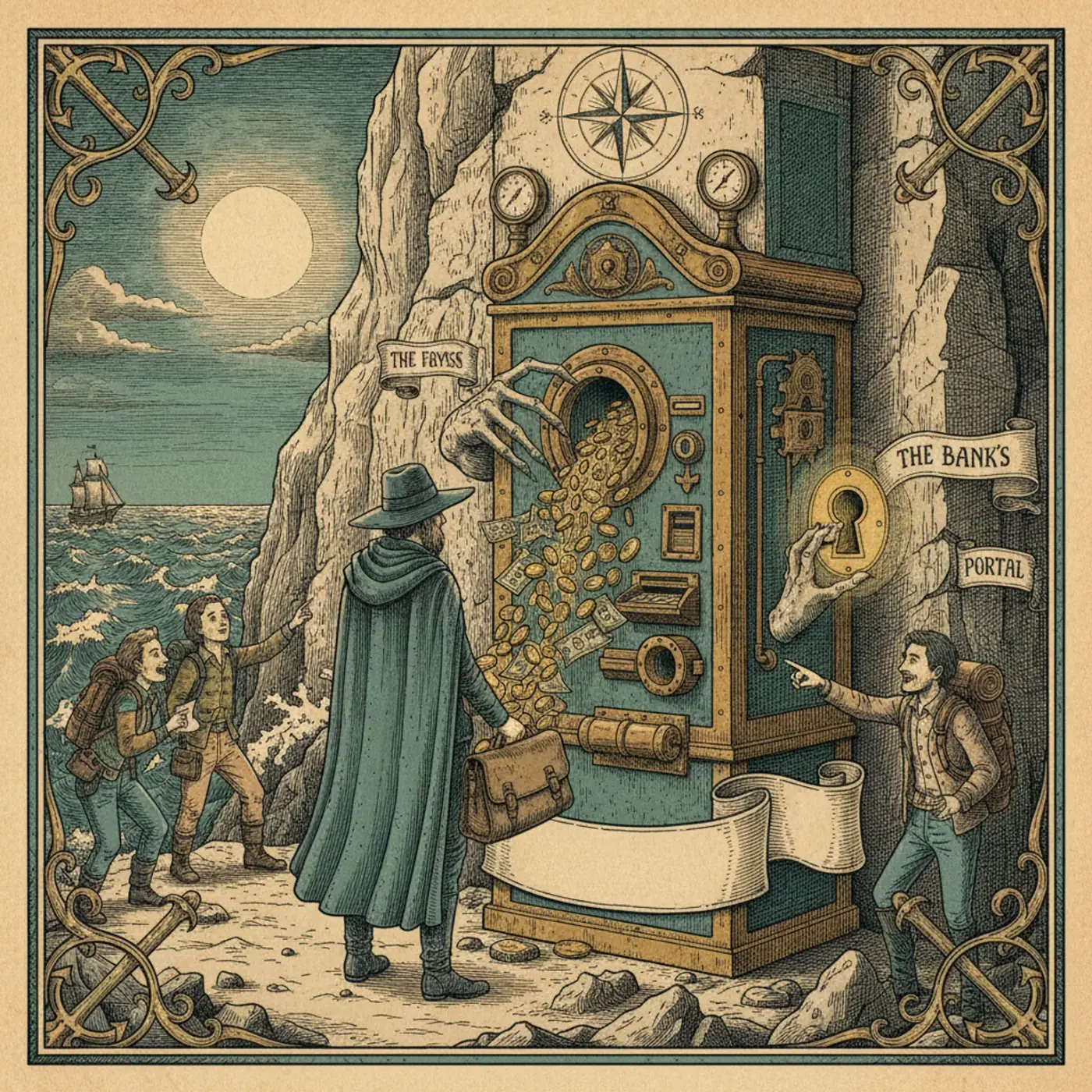
Airport exchange kiosks are where money goes to die. I've ranked every way to get foreign cash by the actual rate you walk away with — and the one trick the kiosks pray you never click.
The best way to get foreign currency cash abroad is the thing nobody at the airport wants you to know, because half of that terminal is built to separate you from it. I learned this the expensive way in Bangkok, handing over a wad of dollars at a “0% commission!” booth and walking off feeling clever, right up until I did the math on the back of the receipt and realised I’d just donated roughly 11% of my money to a man behind glass. Eleven percent. For nothing.
So here’s the ranked, no-nonsense version. From “you’re basically being robbed” to “you barely lose a cent.”

The ranking, worst to best
Dead last: airport currency exchange booths. Travelex, the spinning rate boards, the “no commission” signs. The “no commission” bit is a magic trick — they bake the profit into a terrible exchange rate instead. You’ll routinely lose 8–13% versus the real rate. The airport ones are the worst of the worst because they know you’re trapped and tired. Avoid like a wet floor sign.
Bad: your home bank’s “order foreign currency” desk. Convenient, feels safe, you collect crisp notes before you go. But the rate is usually mediocre and there’s often a flat fee on top. Better than the airport, still not good. Fine for a tiny starter amount, no more.
Meh: hotel front desks and tourist-area exchange shops. A grab bag. Some city-center shops in places like Prague or Istanbul are actually decent and competitive — but the ones clustered right by the big sights are tourist traps with rates to match. You have to comparison-shop, and who can be bothered.
Good: a regular bank ATM at your destination. Walk up to an actual bank’s machine — not the standalone ones in convenience stores — and withdraw local cash. You get something very close to the true mid-market rate. The only catch is fees, and those you can mostly dodge (keep reading).
Best: a no-foreign-fee card + a bank ATM. This is the combo. A debit or travel card that charges zero foreign transaction fees, used at a real bank ATM, gets you cash at essentially the interbank rate. This is what I do everywhere now. The difference over a two-week trip is real money — easily the price of a couple of nice dinners.
The one trick the kiosks pray you never click
When you use a foreign ATM — or pay by card abroad — you’ll get a screen asking something like: “Would you like to be charged in USD (your home currency) or in the local currency?”
Always, always pick the local currency.
That innocent little “charge me in my own currency” option is called Dynamic Currency Conversion, and it’s a flat-out scam dressed as a convenience. The machine does the conversion at its own garbage rate and pockets the spread — usually 3–7% worse than letting your own bank convert it. Your bank’s rate is nearly always better. Hit “local currency,” “without conversion,” “continue in euros/baht/whatever,” every single time. This one tap is worth more than all my other tips combined.
How I actually do it, every trip
- I carry a no-foreign-fee card. A Wise card, a Revolut, or a Charles Schwab debit (US folks — it reimburses ATM fees worldwide, which is honestly a cheat code). Pick one, set it up before you fly.
- I land with a tiny bit of local cash already, ordered cheaply or left over from a past trip — just enough for a taxi or a SIM card in case the first ATM is being difficult. Twenty bucks’ worth, no more.
- I make ONE big withdrawal, not five small ones. Most ATMs charge a flat fee per withdrawal, so taking out a chunk once beats nibbling. Take what you’ll reasonably need for several days.
- I decline DCC on the ATM screen, every time, on reflex now.
- I keep cash for cash places — markets, street food, small family restaurants, taxis — and tap my card for everything else.

A few country-specific gotchas
- Some places are nearly cashless. In Sweden, the Netherlands, much of Scandinavia, you can go days without touching a note. Don’t over-withdraw.
- Some are cash kingdoms. Japan, Germany, big chunks of Southeast Asia still run heavily on cash. Smaller restaurants and ryokan in Japan will look at your card like it’s a foreign object. Carry more there.
- Watch the daily ATM limit. Some machines cap withdrawals low, which means more flat fees if you need a lot. A bank branch machine usually lets you take more in one go.
- Tell your bank you’re traveling, or at least make sure they won’t freeze the card on the first foreign withdrawal. Fewer banks do this now, but the panic of a declined card in a strange city is not worth the five-minute heads-up.
I genuinely wince thinking about that Bangkok booth. Eleven percent. I could’ve eaten like a king for what I gave that man. Don’t be 2014 me.
Get a zero-fee card, find a real bank’s ATM, take out a decent chunk at once, and stab “local currency” on that screen like it personally wronged you. Do that and you’ll keep nearly every cent the booths were hoping to skim.
This article contains affiliate links marked rel="sponsored". We may earn a commission at no extra cost to you.