
[ TIPS · THE DISPATCH ]
Altitude Sickness Will Wreck Cusco, La Paz, and Leh: How to Acclimatize So It Doesn't
I spent my first night in Cusco convinced I was dying. I wasn't — I was just at 3,400m and an idiot about it. Here's how to prevent altitude sickness so your trip isn't a write-off.
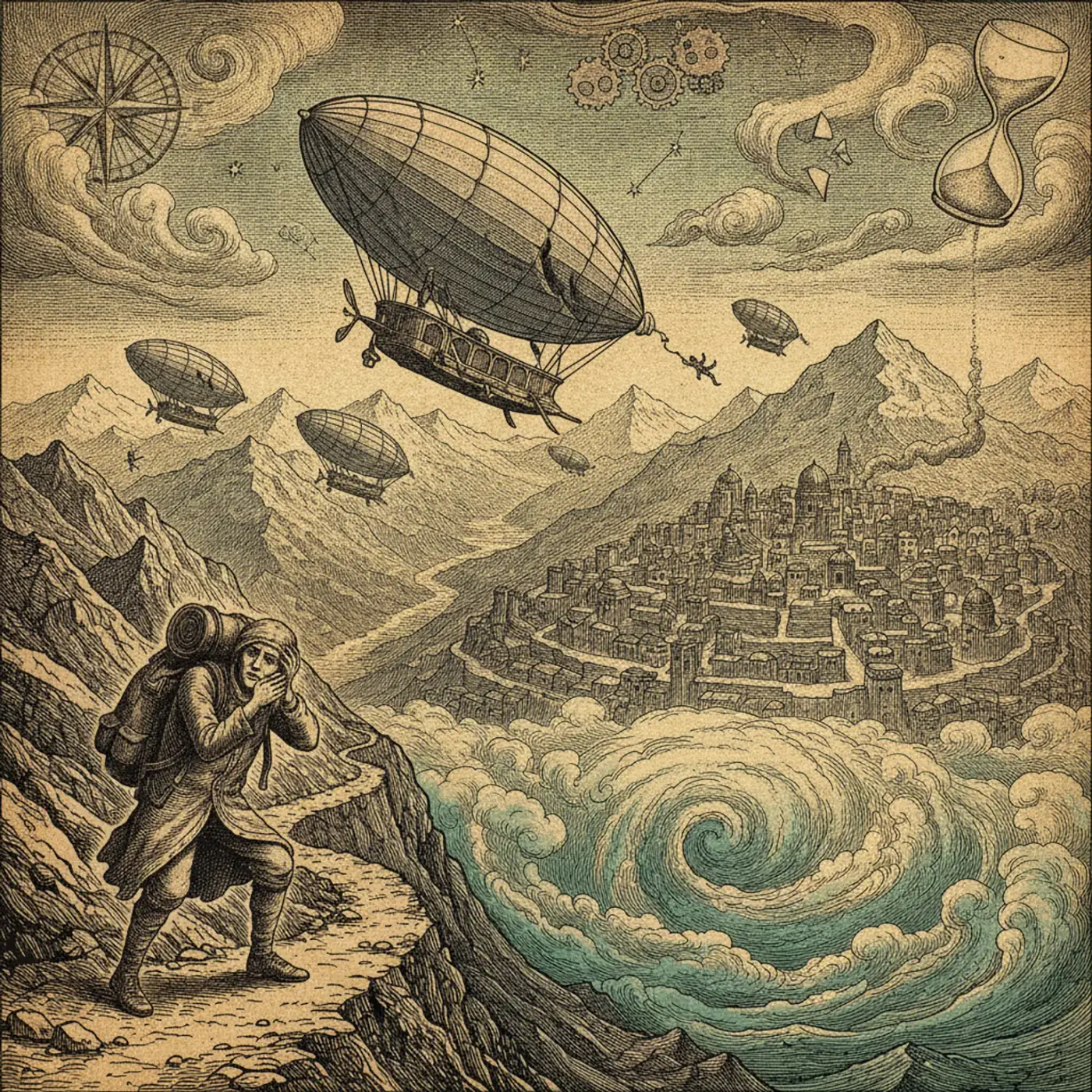
If you want to know how to prevent altitude sickness on a trip to somewhere genuinely high — Cusco, La Paz, Leh, the big Andean and Himalayan towns — the honest answer is mostly boring. Go slow. That’s it. That’s the headline. But people don’t, including me, and that’s why I spent my first night in Cusco lying flat on a hostel bed at 3,400m, head pounding like a kick drum, absolutely certain I had done something terrible to myself.
I hadn’t. I’d just flown straight up from sea level and then walked uphill carrying a backpack like a hero. Don’t be a hero.

What’s actually happening to you
Up high there’s less oxygen in each breath. Same percentage, thinner air, so less of it per lungful. Your body adapts — makes more red blood cells, breathes faster — but adaptation takes days, not hours. Push past it too fast and you get acute mountain sickness: headache, nausea, no appetite, can’t sleep, feeling generally like a hungover ghost.
That’s the mild version and it’s miserable but not dangerous. The dangerous versions (fluid on the lungs or the brain — HAPE and HACE) are rarer but they’re the ones that kill people, and they almost always announce themselves first as AMS that keeps getting worse. Which is why the symptom you should fear isn’t a headache. It’s a headache that won’t quit.
The slow-ascent rule that does most of the work
Here’s the number to tattoo on your brain. Once you’re above 3,000m, don’t increase your sleeping altitude by more than about 500m per night. And every 1,000m or so, take a rest day where you sleep at the same height two nights running.
Daytime, you can climb higher than you sleep — in fact “climb high, sleep low” is the whole game. Go up, look at the view, come back down to sleep. Your body acclimatizes to where it sleeps, not where it peaked.
The cruel trap is the flight. Flying into Cusco (3,400m), La Paz (the airport’s at a wild 4,000m+), or Leh (3,500m) drops you at altitude with zero gradual build-up. If you can, spend a night or two lower first — the Sacred Valley sits around 2,800m and is a far kinder landing pad than Cusco itself. I wish someone had told me that before I booked.

Your first day, whatever you do
Take it absurdly easy. No big hike. No drinking. Drink water like it’s your job (you dehydrate faster up there and dehydration mimics and worsens AMS). Eat carbs even if you’re not hungry — appetite vanishes at altitude and you need the fuel. Sleep with your head propped up a bit; it genuinely helps the breathing.
Skip the celebratory beer. I know. But alcohol at altitude hits like a freight train and depresses your breathing exactly when you need it firing. Day one sober, day two negotiable.
Diamox vs slow ascent vs coca
Let’s settle this, because there’s a lot of folklore.
Diamox (acetazolamide) actually works. It’s a prescription drug that nudges your body into acclimatizing faster by tweaking your blood chemistry. Typical preventive dose is small, started a day before you go up. Cheap, well-studied, effective. Side effects: it makes your fingers tingle and fizzy drinks taste foul, and it’s a mild diuretic so you’ll pee a lot. Talk to a travel clinic before you go — it’s a real medicine, not a vitamin.
But — and this matters — Diamox is a tool, not a cheat code. It speeds acclimatization; it does not let you sprint up a mountain consequence-free. Slow ascent still beats it. The best plan is slow ascent with Diamox as backup if you have to gain height quickly.
Coca — coca tea, coca leaves to chew — is everywhere in the Andes and locals swear by it. My honest take? It’s pleasant, mildly stimulating, takes the edge off a headache and settles your stomach. Comfort, not cure. It will not protect you from a too-fast ascent. Enjoy the tea. Don’t rely on it. (And note it can show up on a drug test, so know that before you fly home.)
The one rule that actually saves lives
If your symptoms get worse despite resting and not going higher — or if you get confused, can’t walk straight, or get breathless just sitting still — go down. Immediately. Descend.
Altitude sickness is the only illness I can think of where the cure is geographic. Drop 500–1,000m and you’ll usually feel dramatically better within hours. People die up high not because the mountain is cruel but because they “don’t want to ruin the trip” and push on. The trip is already ruined if you’re being airlifted. Going down a thousand metres and trying again in a day or two is not failure. It’s the smart move.
Don’t let summit fever or a non-refundable trek make the decision for you. The mountain will still be there.
A quick honest word on who struggles
Fitness barely predicts this. I’ve watched marathon runners crumble at altitude while their unfit aunt strolled around fine. It’s mostly genetic luck and how fast you went up. So don’t assume because you’re in great shape you’re immune — that overconfidence is exactly what got me flattened in that Cusco hostel.
Go slow, hydrate, carry Diamox, respect the descent rule. Do that and these high cities are some of the most extraordinary places on earth, and you’ll actually be conscious enough to enjoy them.
Treat the altitude with respect and it gives you the Andes; treat it like a flight of stairs and it’ll hand you the worst headache of your life — your call.
This article contains affiliate links marked rel="sponsored". We may earn a commission at no extra cost to you.