
[ ITINERARY · THE DISPATCH ]
The 4-Day Mendoza Itinerary: Malbec, the Andes, and Lunches That Last Hours
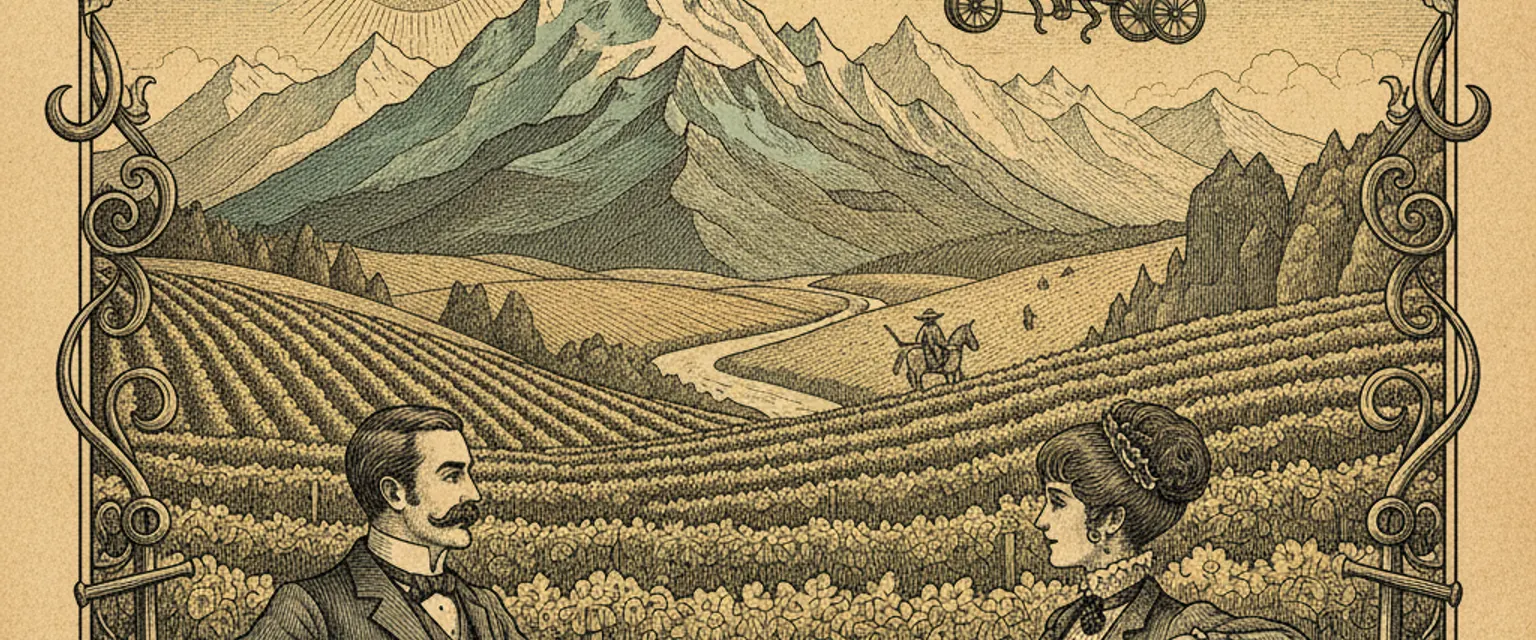
Mendoza is malbec country at the foot of the Andes, where a wine tasting becomes a four-hour lunch and you measure days in vineyards instead of hours. Four days, three wine regions, one big mountain.
The thing nobody warns you about Mendoza is how the days disappear. You book a wine tasting for noon, and somehow it’s 4pm, you’re three glasses deep into a malbec flight, there’s a plate of grass-fed steak in front of you that you don’t remember ordering, and the Andes are turning pink in the distance. This is not a place you rush. The long lunch is the whole point.
Mendoza is Argentina’s wine capital — high-altitude desert at the foot of the Andes, malbec as far as you can see, and three distinct wine regions within easy reach of the city. Four days lets you do all three without it becoming a blur (much). Here’s the plan.
Day 1: Land Slow, Eat Big
Don’t schedule a winery on arrival day. Mendoza city is a low-rise, tree-lined grid built for strolling, with wide irrigation canals (acequias) running along every street — a legacy of turning desert into vineyard.
Spend the afternoon in Parque General San Martin, the enormous park on the west edge of town, and if you’ve got energy, the climb (or drive) up Cerro de la Gloria gives you a first look at the mountains. Otherwise just wander the Plaza Independencia and the four smaller plazas around it, stopping for coffee and people-watching.
For dinner, find a parrilla (grill house) and get your first proper Argentine asado: order the bife de chorizo or ojo de bife, a bottle of house malbec that costs less than a cocktail back home, and settle in. Argentines eat late — 9pm is normal, 10 is fine — so adjust.
Day 2: Bike and Wine in Maipu
Maipu is the closest wine region to the city and the most relaxed introduction. The classic move here is bike-and-wine: rent a cruiser bike, get a map, and pedal a flat loop between small family bodegas, an olive-oil farm, and an artisan liqueur maker. It’s low-key, the cellar doors are friendly, and the distances are short.
Just pace yourself — this is the day people overdo it. Three or four stops with a long lunch in the middle beats trying to hit eight. The wineries here are smaller and less polished than the famous ones, which is exactly the charm.
Day 3: Lujan de Cuyo, the Heart of Malbec
Lujan de Cuyo is the historic premium region — higher than Maipu, with the old-vine malbec that put Mendoza on the world map. This is where you visit the bigger, architecturally show-off bodegas and do proper guided tastings.
Book one long lunch at a winery restaurant in advance — places like the bodegas with on-site dining do multi-course menus paired with their wines, with the vineyards and the Andes laid out in front of you. This is the meal you’ll talk about when you get home. It runs three or four hours. Let it.
Two or three bodegas is plenty for the day. Quality over speed.
Day 4: The Uco Valley and the Big Mountains
Save the best for last. The Uco Valley is an hour-plus south of the city, higher and more dramatic, with the most ambitious modern wineries in Argentina and the Andes rising right behind them. The architecture out here is jaw-dropping — glass-and-stone cathedrals to wine — and the views are the postcard.
It’s a full-day commitment because of the drive, so build it around one standout lunch and a couple of tastings rather than racing. Some bodegas here require reservations well in advance; sort that before you arrive.
If wine fatigue has set in (it happens), an alternative day-four is a high-mountain drive toward Aconcagua, the tallest peak in the Americas, past the old Inca Bridge and into proper Andes scenery. Either way, end your trip with the mountains front and center.
How many wineries should I visit per day? Two or three, max — with a long lunch in the middle. The temptation is to cram, but tastings here are generous and the lunches are events. Quality beats a checklist.
Do I need a car in Mendoza? Not really, and you shouldn’t self-drive between bodegas after tasting. Use a hired driver or a small-group tour for the wine regions; the city itself is walkable.
When is the best time to visit Mendoza? Harvest season (late February to April) is the most atmospheric, with the vendimia festivals and the vines heavy with fruit. Spring (October–November) is also lovely. Summer days are hot but dry; winter is quiet with snow on the high peaks.
This article contains affiliate links marked rel="sponsored". We may earn a commission at no extra cost to you.