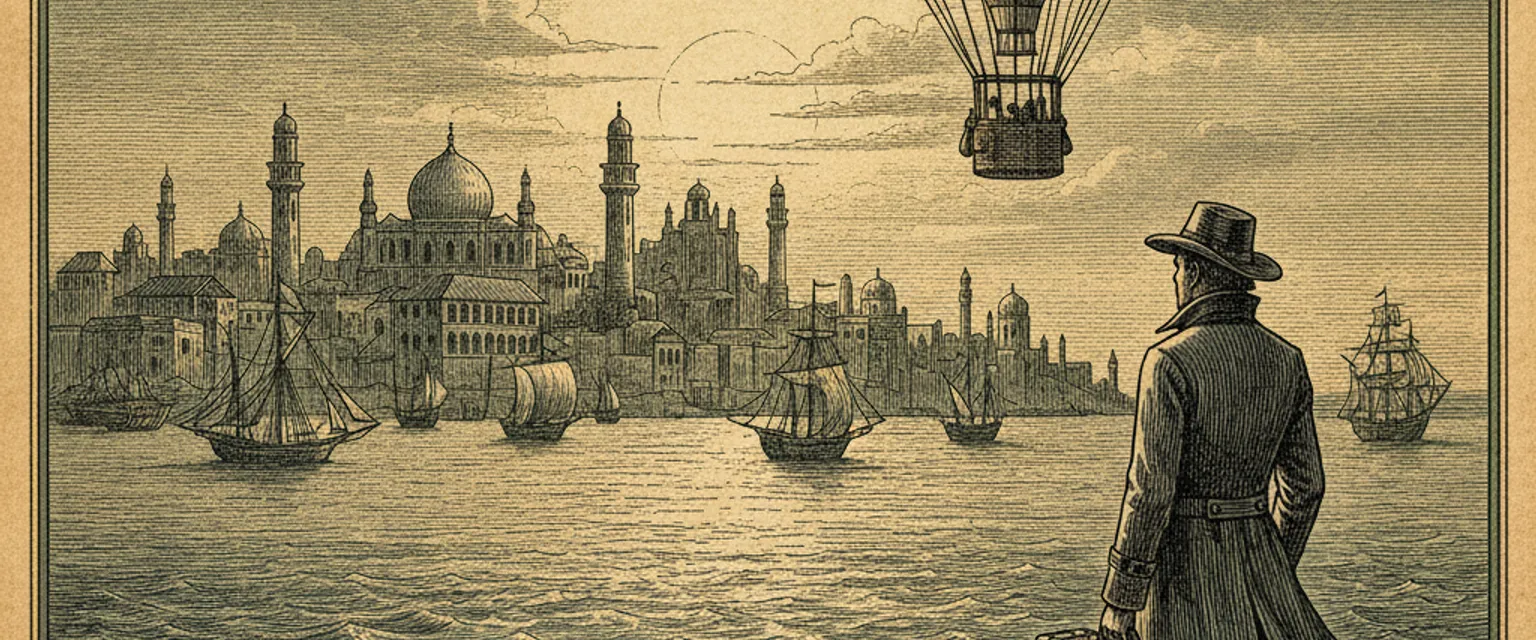
I got lost in Stone Town within twenty minutes of arriving, and it was the best thing that happened to me all week. Following the smell of cardamom and frying bread, I stumbled into a courtyard where an old man was carving a door by hand, the same way his grandfather had. He waved me over, poured cinnamon tea, and told me Zanzibar runs on two clocks: the call to prayer and the tide. Get those two right, he said, and everything else falls into place. He was completely correct.
Two days is enough to fall hard for the island's old soul. You will wander Stone Town's labyrinth, eat your weight at the Forodhani night market, do a half-day spice farm tour, and watch the sun drop behind the dhows from a rooftop. Tight, but it works.
Skip the far northern beaches on a 2-day trip; the transfer eats half a day each way.
Add the beaches and the turtles
Day three buys you the postcard: a transfer up to Nungwi or Kendwa, an afternoon swimming in water that genuinely looks fake, and a sunset dhow cruise with grilled seafood. This is the trip most people should take if they only have a long weekend.
Stone Town, beaches and Jozani's red colobus
Four days lets you breathe. Slow your Stone Town mornings, add Jozani Forest for the endemic red colobus monkeys, snorkel Mnemba atoll, and still have a lazy beach day where you do absolutely nothing but read and reapply sunscreen.
The full island: spice, sea, sandbanks and the south
A week is the dream. You get the culture, the famous north coast, a sandbank picnic, the dolphins of Kizimkazi in the south, a quiet east-coast tidal beach like Paje for kitesurfing, and unhurried days that let the island's rhythm actually sink in.
Estimated budget:$180-$420
Estimated budget:$280-$650
Estimated budget:$380-$900
Estimated budget:$700-$1800
Day 1
Stone Town deep dive
Get pleasantly, deliberately lost in the UNESCO old town
Stone Town Old Quarter
Coral-stone alleys, carved doors and 200 years of Swahili-Arab-Indian trade history
Start before the heat at the Old Fort and just walk, no map. The carved wooden doors are the real museum here; brass studs were originally to stop war elephants, which says everything about the island's layered history. Duck into a curio shop, accept the tea, do not buy the first thing you see.
House of Wonders and Old Dispensary
The grandest buildings on the seafront, telling the Swahili coast story
The Beit-al-Ajaib was the first building in East Africa with electricity and an elevator. Even when the museum is mid-restoration, the facade and the neighbouring Old Dispensary are worth the slow loop along the seafront. Pair it with a fresh sugarcane juice from a cart.
Forodhani Night Market
Open-air seafood grill in the harbour gardens after dark
Every evening the gardens fill with grills loaded with kingfish, octopus and lobster, plus the famous Zanzibar pizza, which is more a stuffed savoury crepe than a pizza. Watch what locals order and follow them. Agree the price before they pile your plate.
Day 2
Spice route and rooftop sunset
Taste the trade that made the island rich
Spice Farm Tour (Kizimbani area)
Cloves, nutmeg, vanilla and lipstick fruit, picked and crushed in your hands
This is why they call it the Spice Island. A good guide makes you smell and taste everything, weaves you a hat from palm fronds, and explains how cloves once made Zanzibar the world's biggest producer. Tip the climber who scales a coconut palm for you; it is genuinely terrifying to watch.
Lukmaan Restaurant
The Stone Town canteen locals actually eat at
Point-and-choose Swahili home cooking: biryani, octopus curry, pilau rice and spinach in coconut. It is cheap, busy and excellent, with none of the seafront markup. Order the tamarind juice and a slab of vermicelli pudding to finish.
Emerson Spice Tea House Roof
Cushions, dhows and the best sunset perch in the old town
Climb to the rooftop terrace for a cocktail or mint tea as the muezzin calls and the dhows turn gold. Tables are limited, so go early or reserve. It is touristy and worth every shilling for that one hour of light.
Day 3
North to the beaches
Trade coral alleys for impossible turquoise
Transfer to Nungwi
The hour-plus drive to the island's bustling northern tip
Pre-arrange a private car rather than a shared shuttle if you can; it is only a little more and saves a lot of stops. The road north passes villages, schools letting out and roadside fruit stalls worth a quick photo break for jackfruit the size of a toddler.
Nungwi Beach
Deep-water swimming beach unaffected by the big tides
Unlike the east coast, Nungwi stays swimmable at low tide, which is why it is the north's social hub. Grab a lounger, swim in the ridiculous blue, and watch the traditional dhow builders working on the sand at the village end. Sunsets here face west and are spectacular.
Sunset Dhow Cruise
Sailing the old way with grilled seafood and a cold Kilimanjaro beer
Board a traditional wooden dhow as the light softens, snacks and drinks included on most trips. The sail flaps, the captain points out where to spot dolphins, and the whole north coast glows. The single most romantic thing you can do on the island for the money.
Day 4
Jozani forest and Mnemba snorkel
Endemic monkeys by morning, coral by afternoon
Jozani Chwaka Bay National Park
The only place on earth to see the endangered Zanzibar red colobus
These russet-and-black monkeys exist nowhere else and let you get surprisingly close on the forest trail. Add the mangrove boardwalk for a quieter ecosystem most people skip. Go early before the tour buses and the midday heat arrive together.
Mnemba Atoll Snorkel
The island's best coral and reef fish off a private-island lagoon
You cannot land on Mnemba itself, but the surrounding reef is the finest accessible snorkelling in Zanzibar, with turtles and clouds of parrotfish. Choose an operator that does not chase dolphins; the responsible ones still find them. Bring reef-safe sunscreen and a rash vest.
The Rock Restaurant Bar
The famous restaurant marooned on a tidal rock off Michamvi
Even if you skip the pricey meal, a sundowner here as the tide rolls in around the building is a proper Zanzibar moment. At low tide you walk out; at high tide a little boat ferries you. Book ahead, because everyone wants the same Instagram shot.
Day 5
Sandbank picnic and Paje
A vanishing island for lunch, kitesurf central by night
Nakupenda Sandbank
A strip of white sand in the middle of the sea, here only at low tide
Boats run out to this disappearing sandbar for a fresh seafood lunch grilled on the spot: lobster, crab, snapper and fruit. There is no shade, so bring an umbrella and the strongest sunscreen you own. It feels like being marooned in the best possible way.
Paje Beach
Wide tidal flats, turquoise lagoon and the island's kitesurf capital
The east coast tides are dramatic here, exposing vast sand flats where seaweed farmers work at low water and kites fill the sky when the wind picks up. Take a beginner kite lesson or just sip a coconut at a beach shack. The vibe is young, barefoot and unhurried.
Day 6
Dolphins of the south
Early start for Kizimkazi, slow afternoon to recover
Kizimkazi Dolphin Tour
Wild bottlenose and humpback dolphins off the southern fishing village
Go at dawn for the calmest sea and the best sighting odds, and pick a captain who keeps a respectful distance rather than gunning the engine at the pods. Kizimkazi also has Zanzibar's oldest mosque, from the 12th century, worth a quiet look afterward.
Kae Funk, Michamvi
Laid-back beach bar on the peninsula's west-facing sunset side
After a salty morning, this is the spot to flop into a hammock chair, eat fresh fish tacos and watch the sun set over the lagoon, since Michamvi is one of the few east-side beaches that faces west. Cocktails are generous and the playlist is exactly what the name promises.
Day 7
Stone Town slow finish
Loose ends, last spices and goodbye tea
Darajani Market
The chaotic, sensory local market in the heart of Stone Town
Come for the spice stalls and leave with vanilla pods and cloves for a fraction of airport prices, but brace for the fish and meat halls, which are not for the faint of nose. This is daily Zanzibar with the tourist gloss off. Haggle gently and with a smile.
Mercury House and the seafront
The Queen frontman's birthplace and a final harbour stroll
Freddie Mercury was born here as Farrokh Bulsara, and the small museum is more pilgrimage than blockbuster, but the seafront walk past it ties a neat bow on the trip. End with one last spiced coffee from a street vendor and watch the dhows you will be missing within a week.
I have been to a lot of islands that sell themselves on the beach alone. Zanzibar is not one of them, and that is exactly why I keep going back. Yes, the water off Nungwi is the kind of turquoise that makes your photos look edited, but the thing that actually hooks you is Stone Town: a coral-stone maze where Africa, Arabia and India have been trading, arguing and intermarrying for centuries, and where every carved door tells you who once lived behind it.
The trick to planning Zanzibar is understanding the geography. Stone Town sits on the west coast, the famous swimming beaches are up north around Nungwi and Kendwa, and the dramatic tidal flats and kitesurf scene are over east at Paje and Michamvi. Transfers between them eat real time, an hour or more each way, so the worst thing you can do is try to bounce around every day. Pick a base, stay put, and take day trips out.
How to use this plan
Each day below is tagged with the trip lengths it belongs to, so the filter shows you only what fits. A two-day stop is pure Stone Town and spice, which is plenty for a short layover. Three days adds the north beaches and a sunset dhow cruise, the sweet spot for a long weekend. Four days buys you Jozani Forest’s red colobus monkeys and the coral at Mnemba. A full week unlocks the south: sandbank picnics, the dolphins of Kizimkazi, and the slow east-coast days where the island finally gets under your skin.
A few honest notes. The east-coast tides are extreme, so check a tide table before you book a beach day there, or you will arrive to a kilometre of exposed sand. Dress modestly in town and villages out of respect; this is a Muslim island. And do not over-schedule. The old man with the cinnamon tea was right that Zanzibar runs on the tide and the call to prayer. Build your days around those two clocks and the island rewards you.
This article contains affiliate links marked with rel="sponsored". We may earn a commission at no extra cost to you.