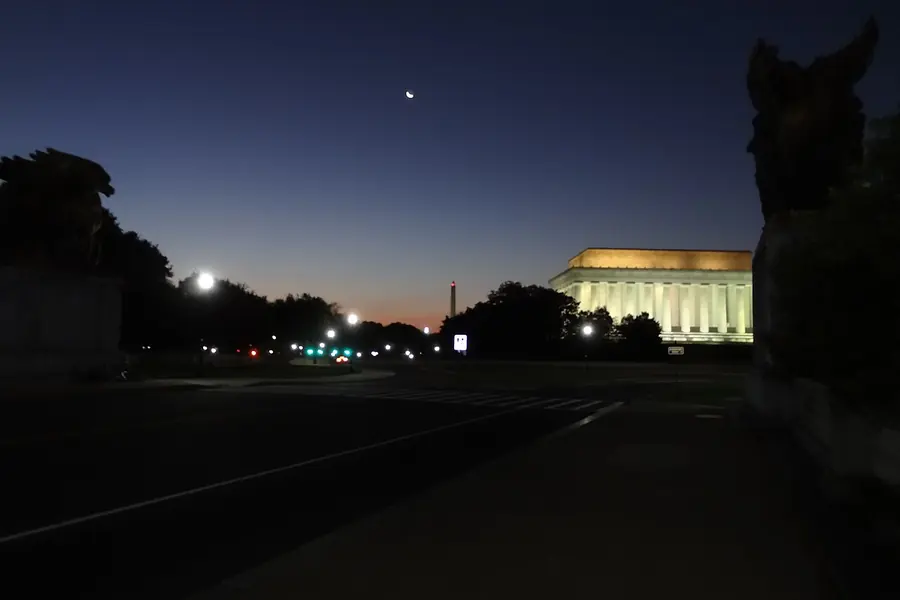
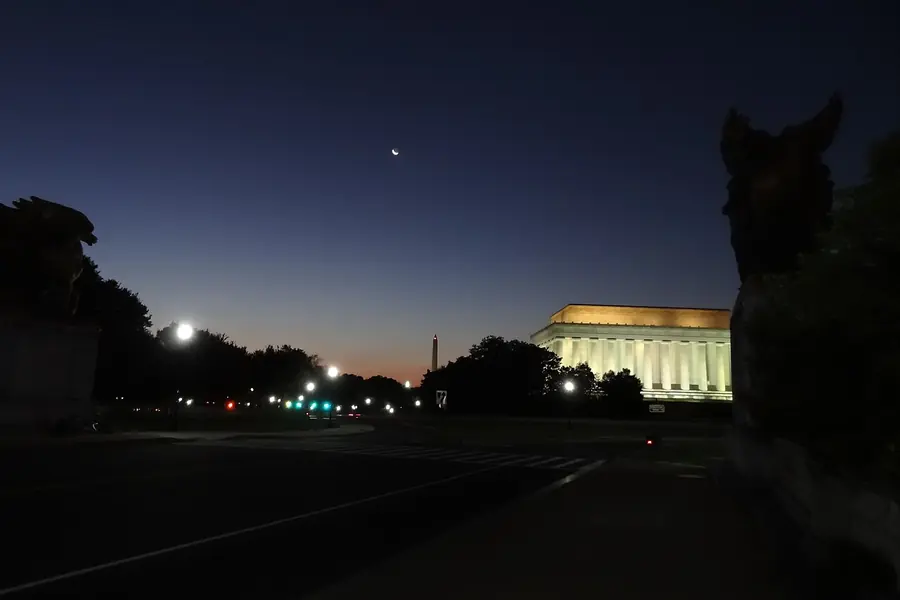
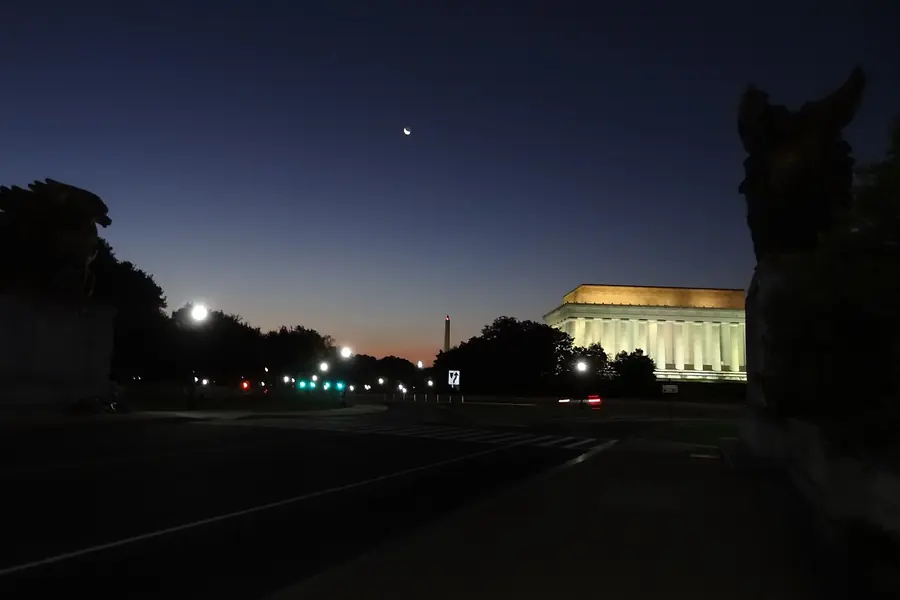
I got turned around between the Lincoln Memorial and the Vietnam Wall at 11 PM and somehow ended up standing alone in front of the Korean War Memorial in the fog, soldiers emerging from the mist like ghosts. I was "lost" for twenty minutes and it was the best twenty minutes of the trip.
The Perfect Washington DC Itinerary (2, 3, 4 & 7 Days)
Two days in DC is just enough to do the Mall properly — monuments in the morning light, two Smithsonians, Capitol Hill. Every single attraction on your list is free. You'll spend more on coffee than entrance fees.
Book Washington Monument timed entry in advance — it sells out days ahead.
72 Hours: DC Done Right
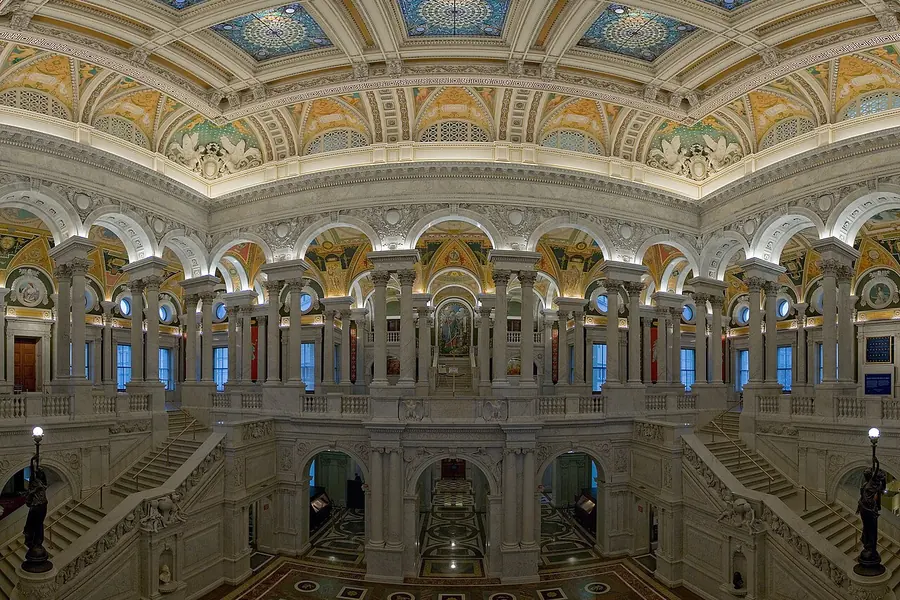
Three days adds Eastern Market brunch, the Library of Congress Great Hall (criminally undervisited), and Georgetown waterfront. You leave feeling like you actually saw the city rather than the postcard version.
4 Days: History + Culture + Soul
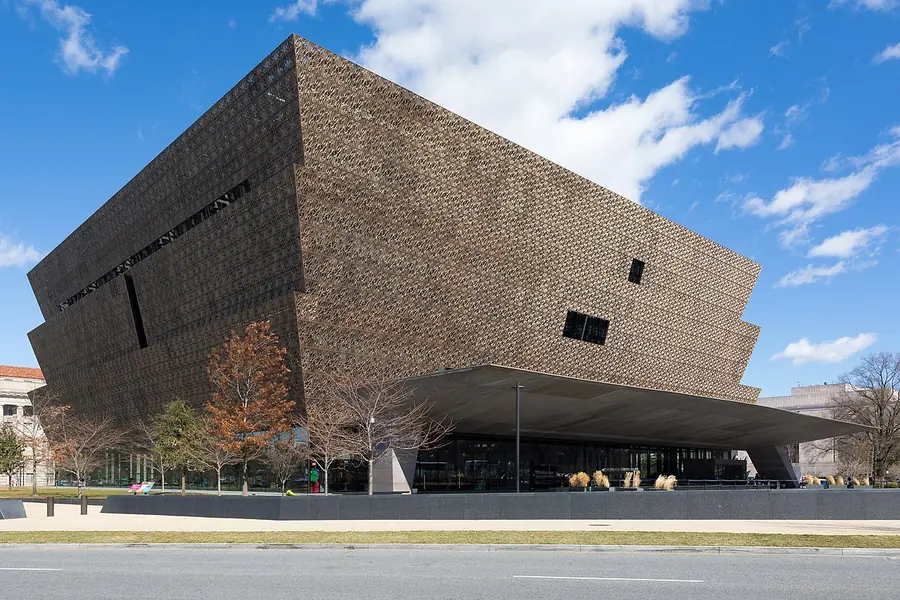
Four days unlocks the National Museum of African American History and Culture — book months ahead, not weeks. Add Georgetown, Martin's Tavern, and a U Street Corridor night out. DC starts feeling like a real city, not just a civics lesson.
7 Days: The Full District
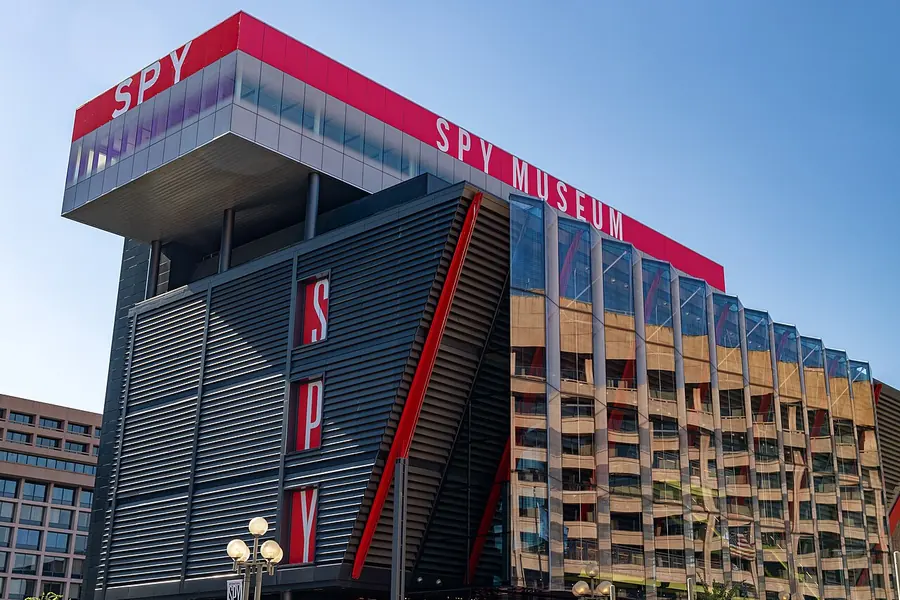
A full week lets you do the day trip to Alexandria, the Adams Morgan brunch crawl, the Holocaust Museum without rushing, and the Spy Museum without guilt. By Day 5 you'll have a favourite coffee order at a neighbourhood spot and opinions about which Smithsonian is overrated.
Estimated budget:$200–$350 est. (budget–mid, incl. 1 hotel night — most sights are free)
Estimated budget:$320–$520 est. (2 hotel nights + Metro + meals)
Estimated budget:$480–$780 est. (3 nights, Spy Museum entry, Georgetown dinner)
Estimated budget:$900–$1,500 est. (full week, mid-range hotel, Alexandria day trip)
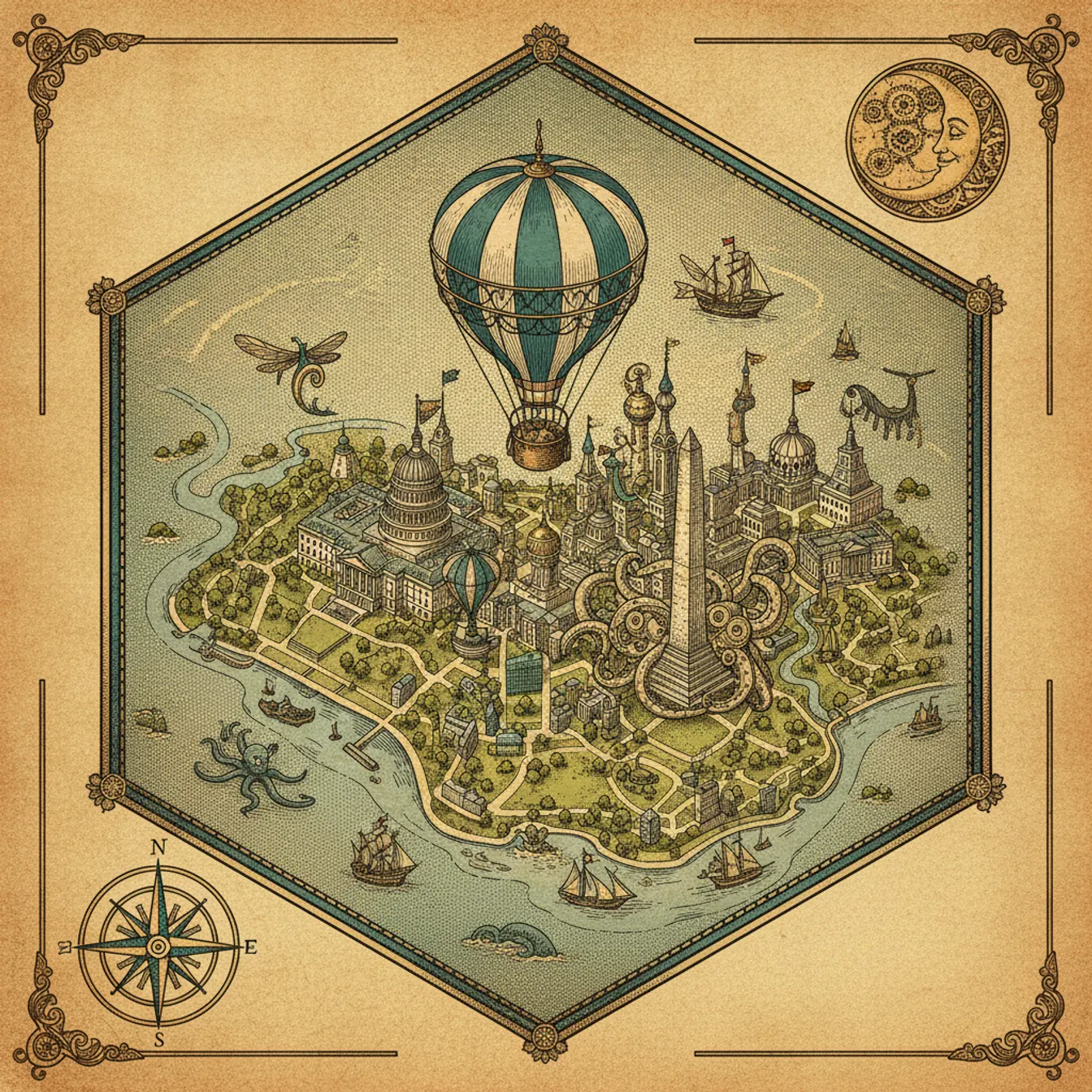
[ THE DISPATCH · FIELD MAP ]
A tilted, hand-drawn dispatch of Washington Dc. Click a quarter to explode it open.
0 / 6 quarters explored
Legend · tap to highlight
[ THE NATIONAL MALL ]
Grand squares and big ideas.
Lincoln Memorial at DawnThe speech is carved into the wall. The view makes you understand why.
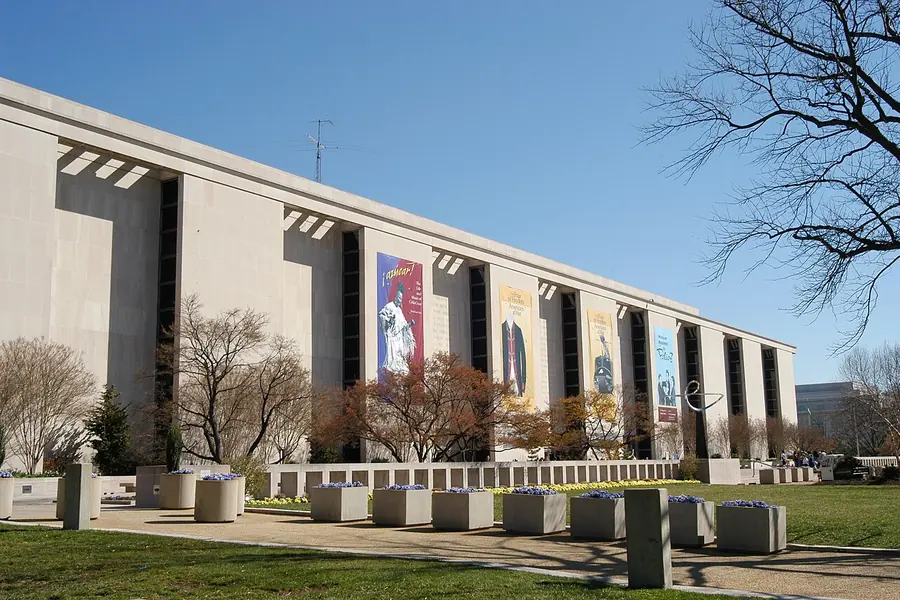
National Museum of American HistoryJulia Child's kitchen is here. So is the original Star-Spangled Banner. Free.
[ CAPITOL HILL ]
Old stones, older stories.
US Capitol — Exterior + GroundsFree to walk around. Book interior tours weeks ahead via your rep.
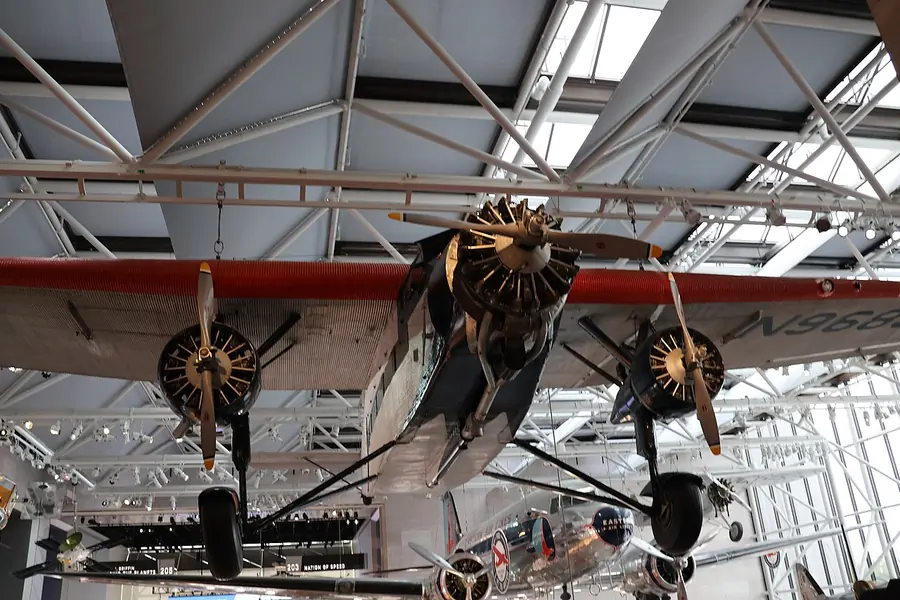
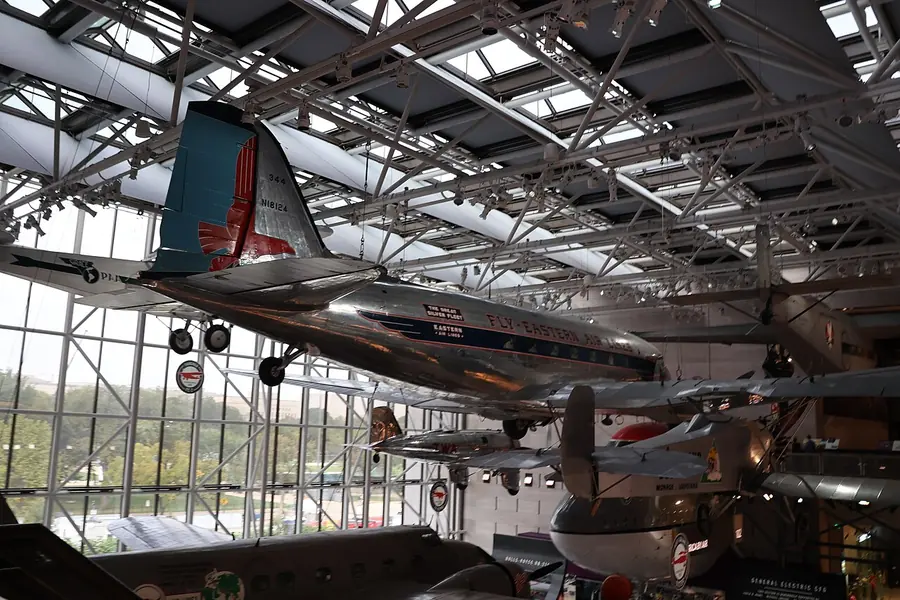
National Air and Space MuseumApollo 11 command module. Wright Flyer. Free. Massive.
[ PENN QUARTER ]
Old stones, older stories.
National Gallery of Artda Vinci, Vermeer, Monet — free, no appointment, no excuse.
Georgetown Waterfront + C&O Canal TowpathDC's prettiest neighbourhood, technically older than the city itself.
[ GEORGETOWN ]
Where the city meets the water.
Martin's Tavern — JFK's Booth DinnerThe oldest saloon in DC. Kennedy proposed in booth #3. You can sit there.
[ U STREET CORRIDOR ]
Stays up later than you do.
National Museum of African American HistorBook months ahead. Take your time. This one hits.
Ben's Chili Bowl — U StreetHalf-smoke, chili, mustard. Obama ate here. So will you.
[ OLD TOWN ALEXANDRIA ]
Old stones, older stories.
Old Town Alexandria — Morning WalkDC's quieter neighbour: cobblestones, Federal-era townhouses, zero hustle.
Torpedo Factory Art CenterWWII munitions factory turned working artists' studios. Strange and great.
Day 1
The Mall + Monuments
The monuments that built the myth
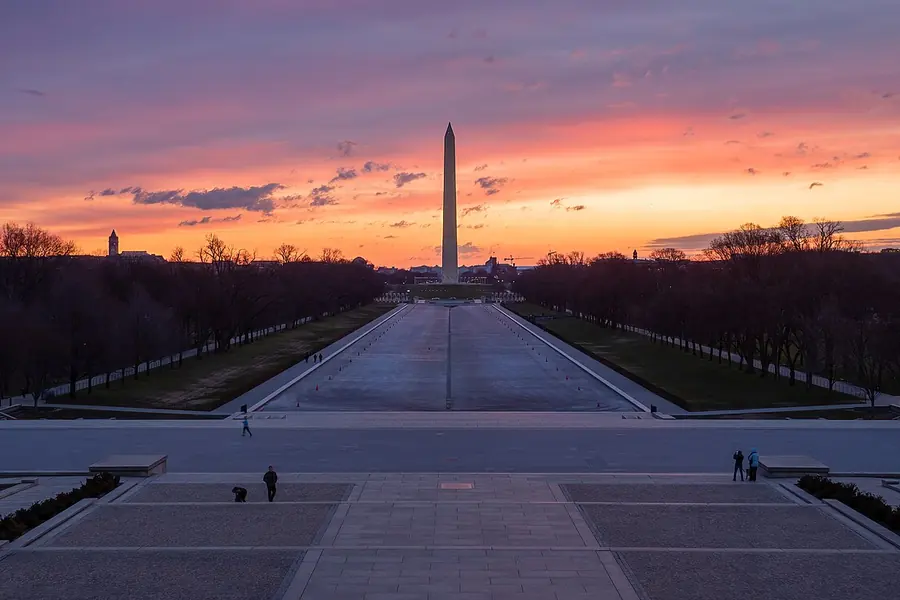
You have two days and one chance to see it right. Start at the Lincoln Memorial before 8 AM when the tour buses haven't arrived. Walk the Reflecting Pool. Do the monuments. By noon you'll be ready for air conditioning and American History.
Take it slow — you have a week. Watch the sunrise at the Lincoln Memorial, then walk the Mall at whatever pace feels right. Nothing here charges admission; your only enemy is foot fatigue.
Lincoln Memorial at Dawn
The speech is carved into the wall. The view makes you understand why.
Get here before 8 AM. The Reflecting Pool is glassy, the crowds are nonexistent, and standing at the top of the steps looking down the Mall toward the Washington Monument — with Lincoln looming behind you — is one of the genuinely moving experiences in American travel. It's not kitsch. It's the real thing.
Julia Child's kitchen is here. So is the original Star-Spangled Banner. Free.
Three floors, zero admission, and more than you can see in a lifetime. Ruthless curation required: go to the flag vault (third floor — the actual 1814 Star-Spangled Banner, massive and haunting), then Julia Child's donated kitchen on the first floor, then whatever else grabs you. Two hours maximum or you'll hit wall.
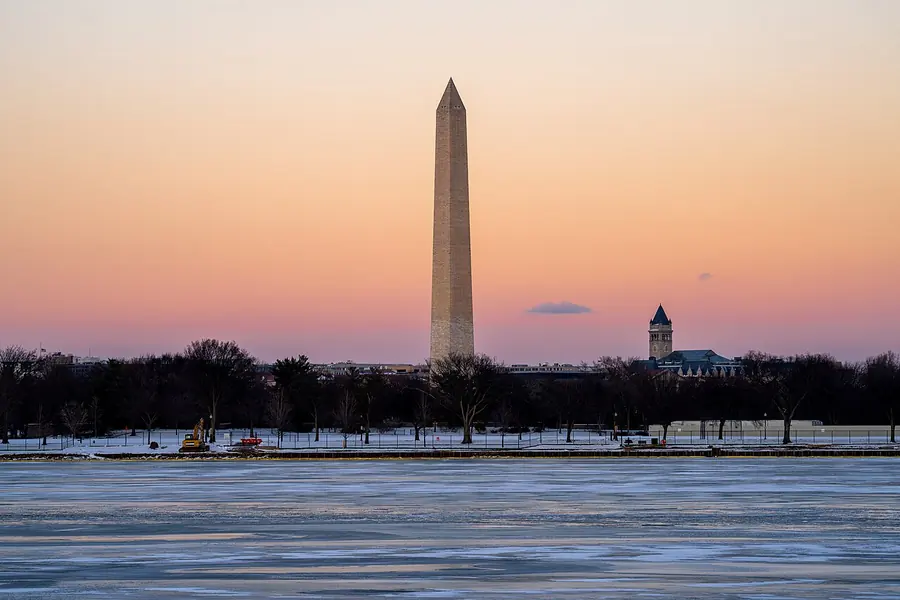
The only way up is via timed entry reserved in advance — free, but they go fast. The elevator takes 70 seconds; the view from 500 feet takes longer to process. On a clear day you can see the Pentagon and Arlington Cemetery. It's a better view than any paid observation deck in the city.
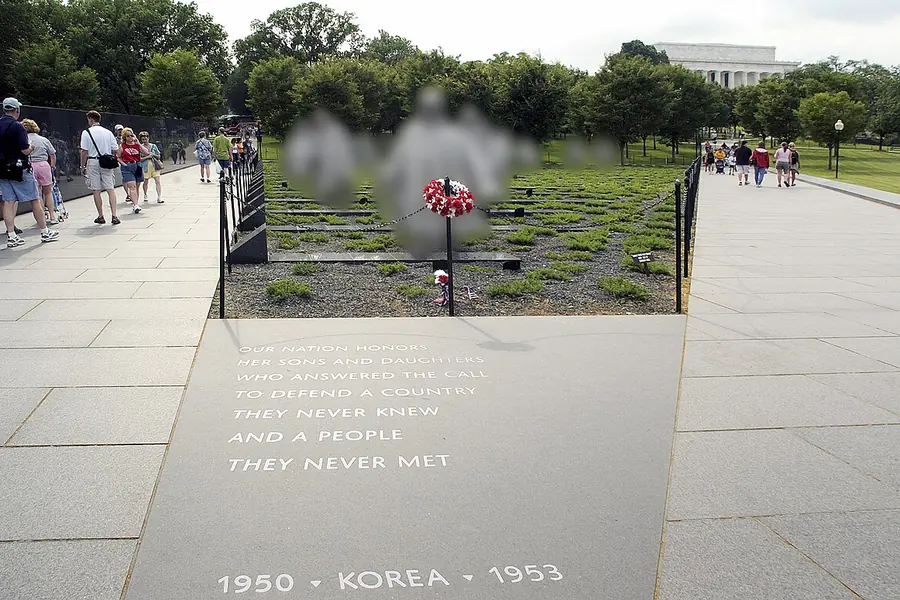
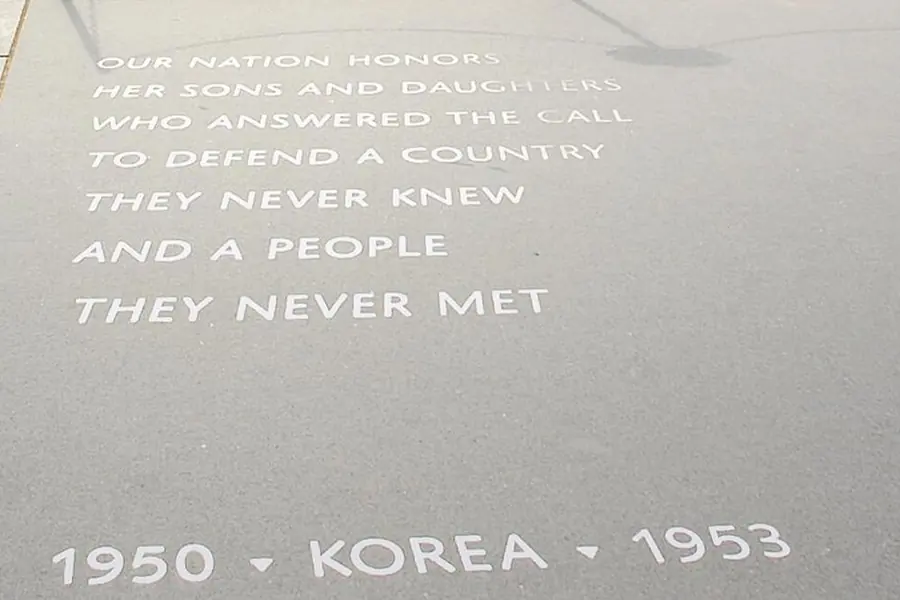
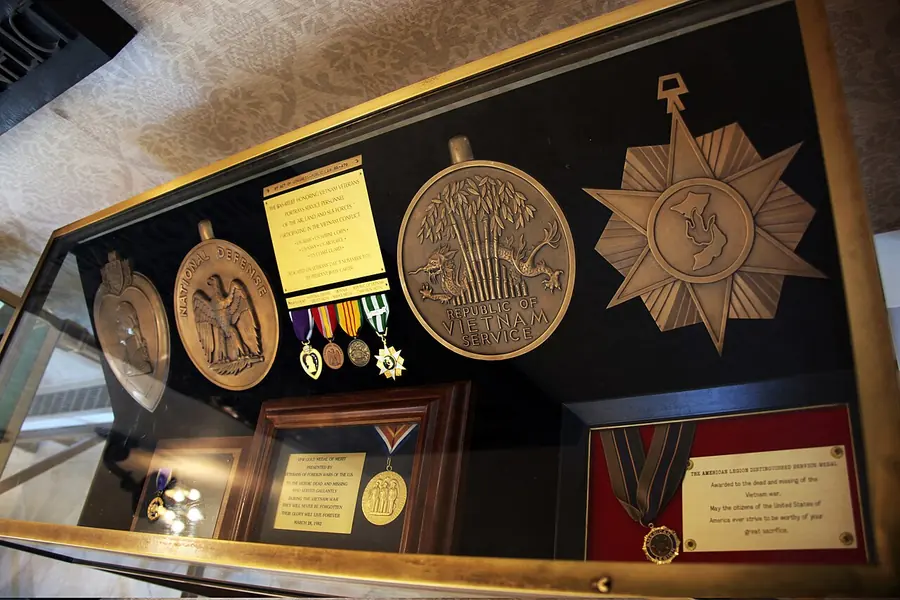
The Vietnam Wall is one of the most powerful pieces of public art in the world — a black granite chevron cut into the earth with 58,000+ names. The Korean War Memorial nearby features 19 stainless steel soldiers on patrol, eerie and unforgettable in any light. Allow 30 minutes minimum. Don't rush.
Democracy, aviation, and the best brunch in the city
Your final day. Walk up Capitol Hill, spend your morning in Air and Space, and end at Eastern Market if it's the weekend. This is the day DC stops feeling like a field trip.
Day 2 of 3 — pace yourself. Add the Library of Congress Great Hall in the afternoon. It's ten minutes from the Capitol and most people walk straight past it.
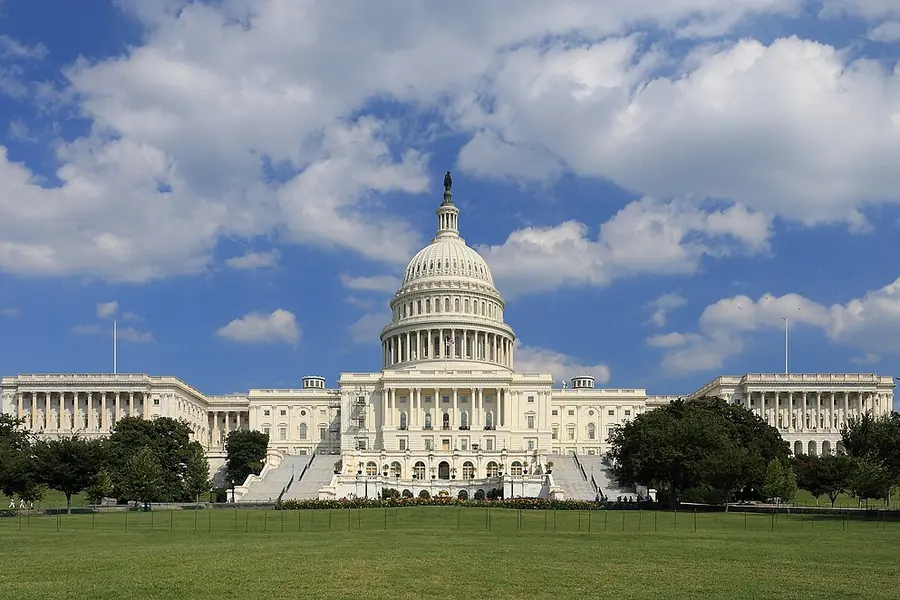
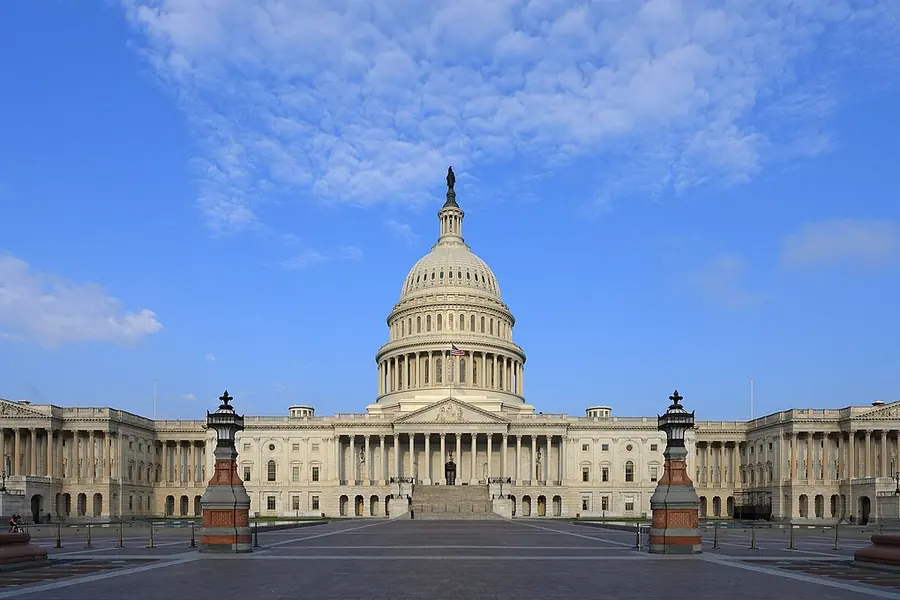
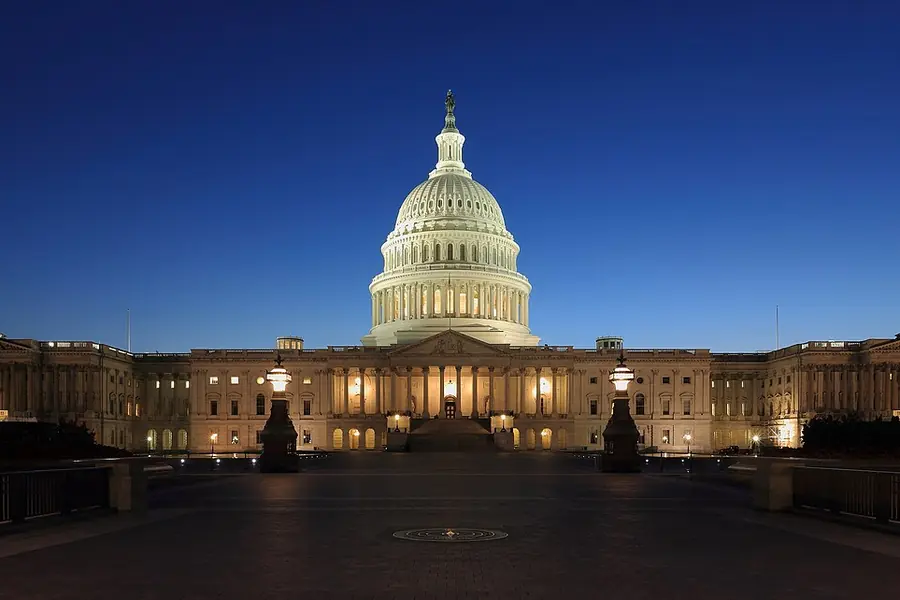
US Capitol — Exterior + Grounds
Free to walk around. Book interior tours weeks ahead via your rep.
The Capitol grounds are always open and the exterior views from the East Plaza (where inaugurations happen) are extraordinary. Interior tours require advance booking through your congressional rep's office — free, but plan weeks out. The Capitol Visitor Center has its own exhibits if you haven't pre-booked.
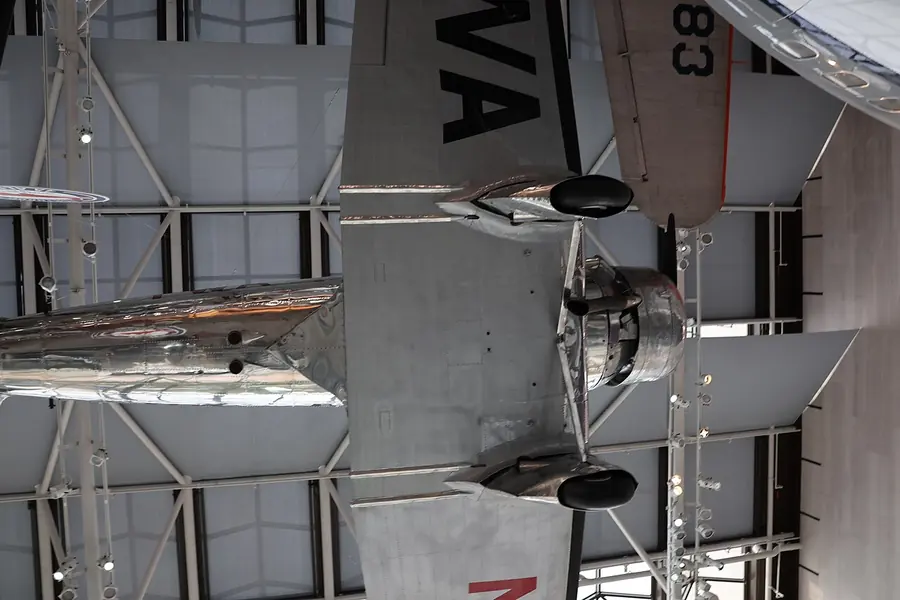
Apollo 11 command module. Wright Flyer. Free. Massive.
The most visited museum in the world, and for good reason — the Wright Brothers' actual Flyer, the Apollo 11 command module, the Friendship 7, the Enola Gay (at the Udvar-Hazy annex near Dulles). Bring kids or don't — everyone loses two hours here without noticing. Free admission. Allow 2–3 hours minimum.
Blueberry buckwheat pancakes and the best people-watching on the Hill.
Eastern Market is DC's oldest continuously operating public market (1873). On weekends the South Hall serves brunch with queues that move fast. Outside, vendors sell produce, art, and antiques. The blueberry buckwheat pancakes are legendary and cost $12. Everything else in the city costs more and matters less.
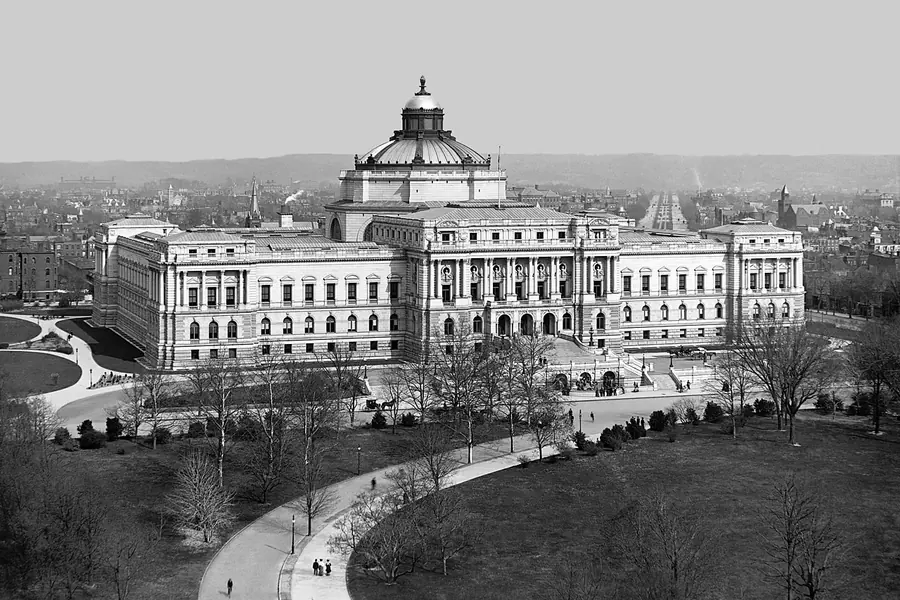
Library of Congress — Great Hall
The most beautiful room in Washington and almost no one goes inside.
Free entry. The Great Hall of the Thomas Jefferson Building is arguably the most opulent interior in DC — mosaic floors, painted vaulted ceilings, allegorical figures everywhere. The Gutenberg Bible is on display. The overlook gallery lets you look down into the reading room where researchers still sit. Ten minutes from the Capitol.
Masterpieces before noon, cobblestones in the afternoon
Your last full day — go slow. The National Gallery is free and you could spend a week in it; give yourself two hours and pick a wing. Georgetown in the afternoon is DC's most photogenic neighbourhood.
Day 3 of 4. Leave Georgetown evening open for Martin's Tavern — JFK proposed to Jackie in booth #3. You can sit in it.
With a full week you can linger at the Gallery's Sculpture Garden for lunch and hit the East Building (modern art) properly rather than rushing.
National Gallery of Art
da Vinci, Vermeer, Monet — free, no appointment, no excuse.
The only da Vinci painting in the Americas (Ginevra de' Benci) hangs here, free, in natural light. The West Building is the classical collection; the East Building is modern. The connecting underground concourse has a moving walkway and a ceiling installation by Jamie Wyeth. Two hours minimum, though the Sculpture Garden alone could eat a morning.
DC's prettiest neighbourhood, technically older than the city itself.
Georgetown predates DC by a century. The waterfront park looks across the Potomac to Theodore Roosevelt Island. The C&O Canal towpath runs 184 miles to Cumberland, MD — walk the first mile along the original mule-tow locks, then head up to M Street for Georgetown Cupcake (worth the line, don't argue with me) and window shopping on the brownstone blocks.
Martin's Tavern — JFK's Booth Dinner
The oldest saloon in DC. Kennedy proposed in booth #3. You can sit there.
Martin's Tavern has been open since 1933 and has served every president from Truman onward. Booth #3 — where JFK reportedly proposed to Jacqueline Bouvier in 1953 — is marked with a small plaque. The food is solidly American (crab cakes, burgers). Book ahead on weekends. Ask for booth #3 politely.
The most important museum in America, and the neighbourhood that gave DC its soul
Book the National Museum of African American History and Culture months in advance — timed passes are free but they disappear. Give it 3–4 hours. Evening on U Street, which is DC's cultural heartbeat.
You have a full day. The NMAAHC is genuinely exhausting in the best sense — the History Galleries alone take 2 hours. Plan a quiet lunch between floors. Evening: Ben's Chili Bowl, then live music.
National Museum of African American History and Culture
Book months ahead. Take your time. This one hits.
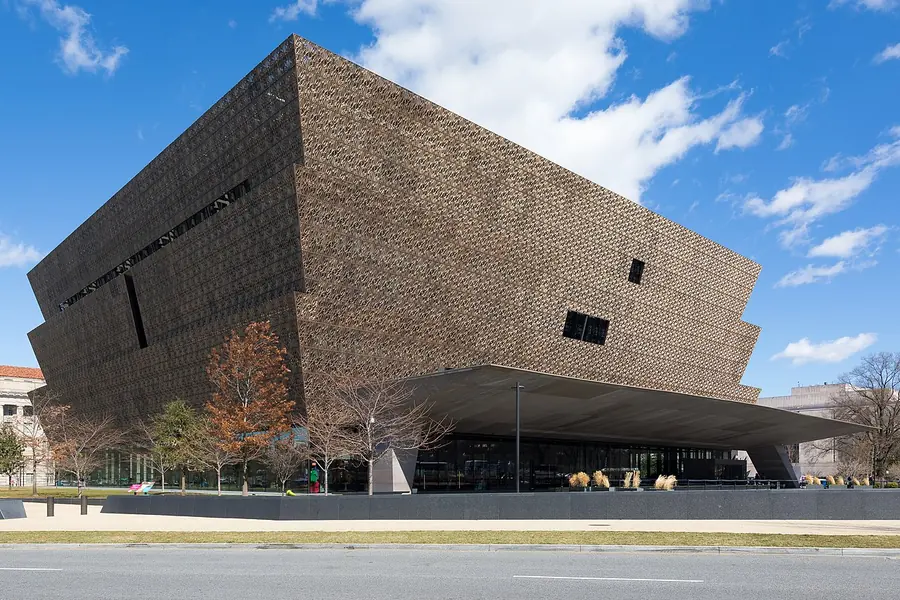
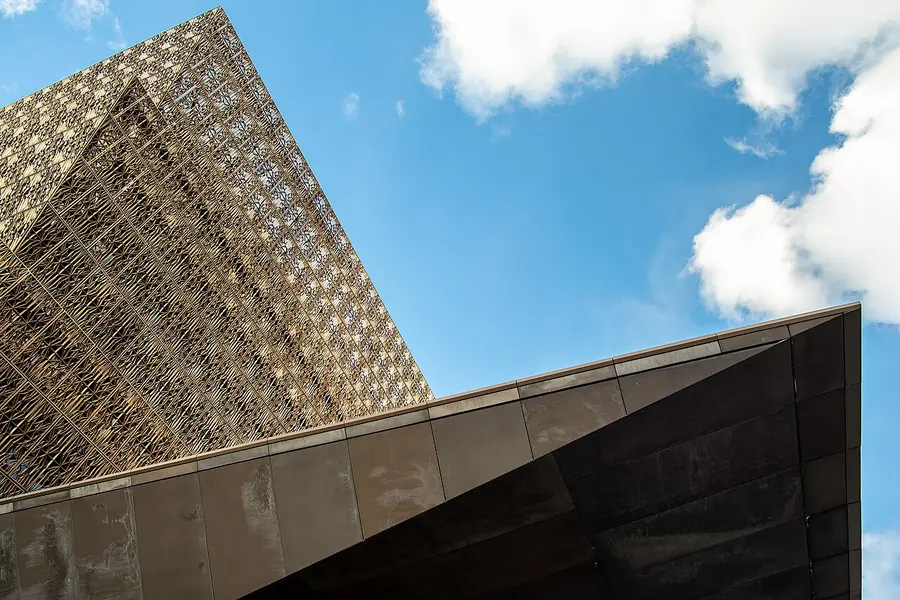
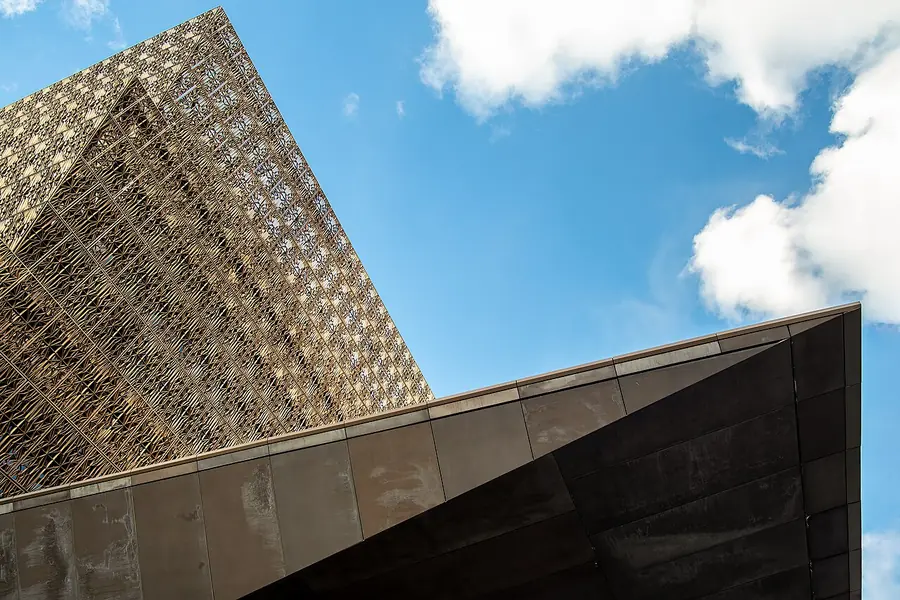
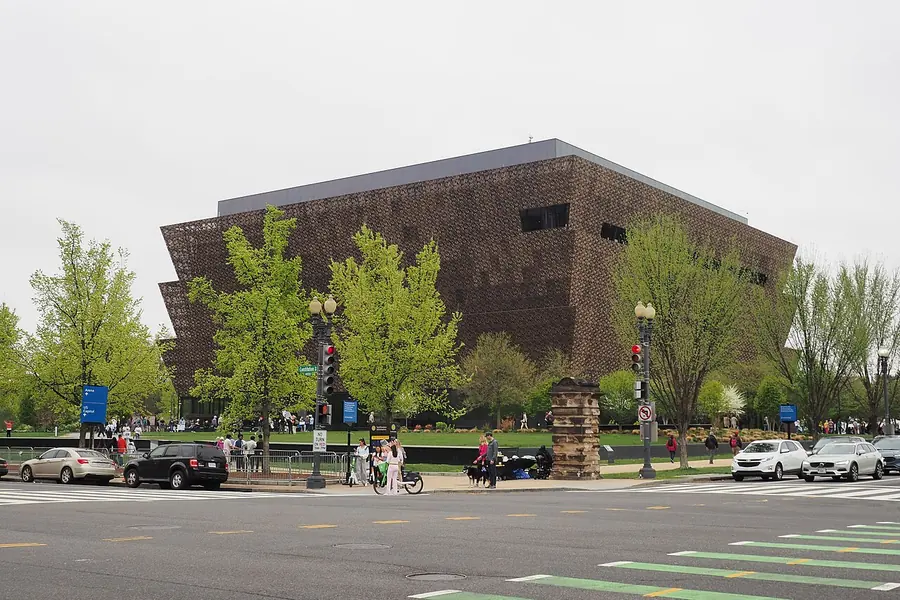
The most emotionally demanding and architecturally extraordinary museum in DC. Start in the basement History Galleries (slavery, Reconstruction, civil rights) and work upward to the culture and community floors. The building itself — a bronze lattice corona inspired by Yoruba art — is extraordinary from the outside. Allow 3–4 hours minimum. Passes are free but book well in advance.
Half-smoke, chili, mustard. Obama ate here. So will you.
Ben's Chili Bowl opened in 1958 and survived the 1968 riots that burned the blocks around it (the owners kept it open as a refuge). The half-smoke — a smoked pork sausage split and loaded with chili and mustard — is what you order. It is not a subtle meal. The walls are covered in photos of every celebrity who's come through.
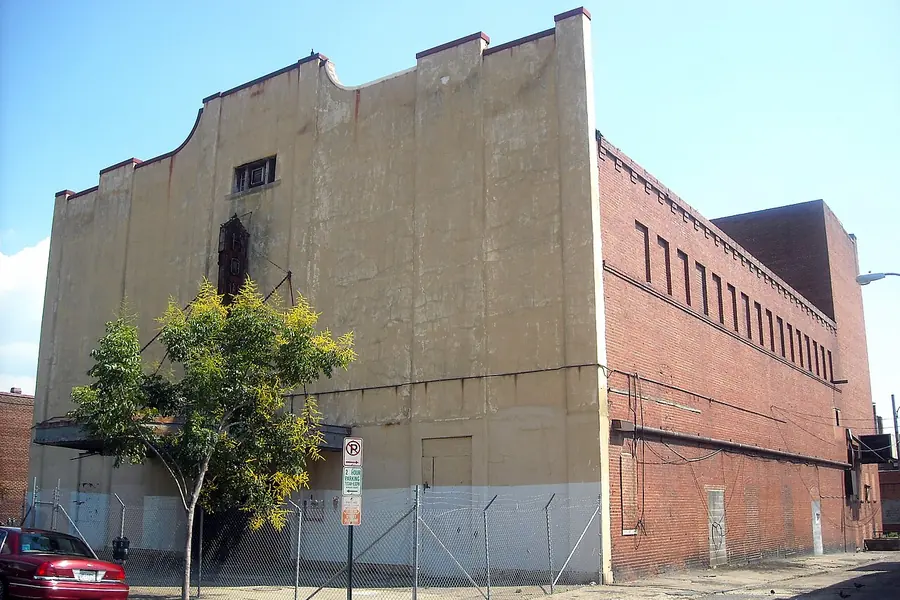
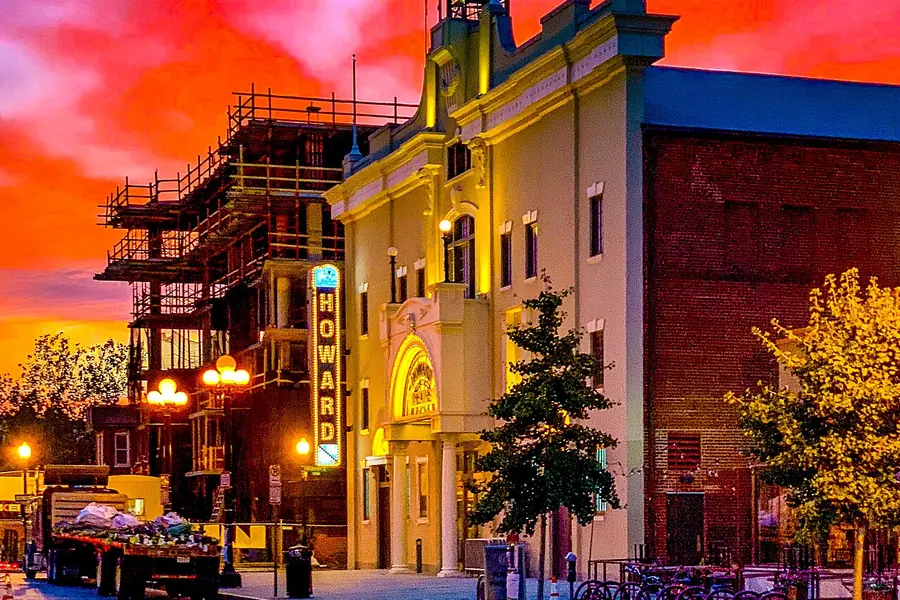
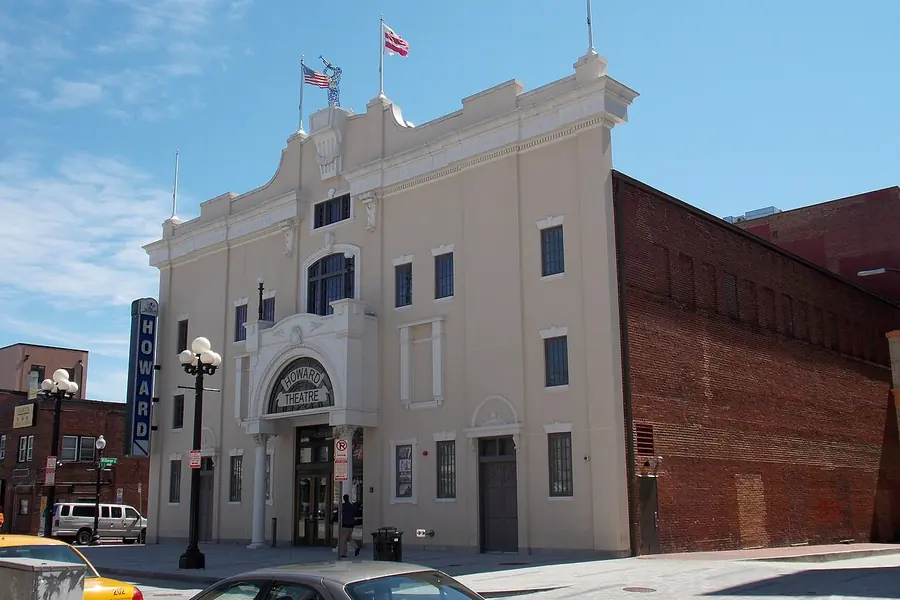
Howard Theatre — Live Music
Where Duke Ellington played. Still one of the best rooms in the city.
The Howard opened in 1910 as one of the first major venues for Black performers in the segregated South — Duke Ellington, Ella Fitzgerald, Marvin Gaye all played here. Reopened after restoration in 2012 and still books excellent jazz, soul, and R&B. Check the schedule in advance and book tickets online.
One Metro stop from DC, two centuries back in time
Take the Yellow Line Metro to King Street — it's 20 minutes from downtown. Old Town Alexandria feels like a different century (because it is — George Washington drank here). Spend the day, have the oysters, come back full.
Old Town Alexandria — Morning Walk
DC's quieter neighbour: cobblestones, Federal-era townhouses, zero hustle.
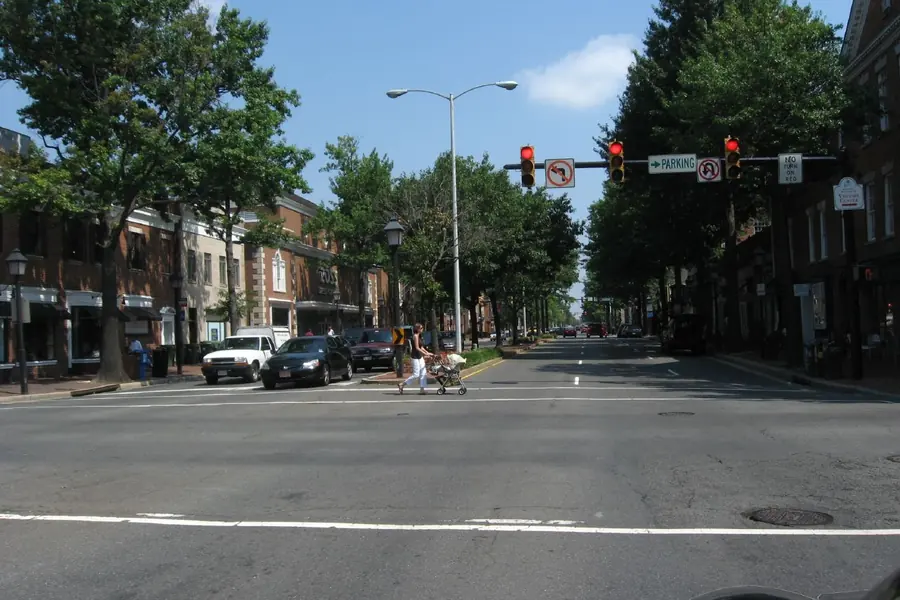
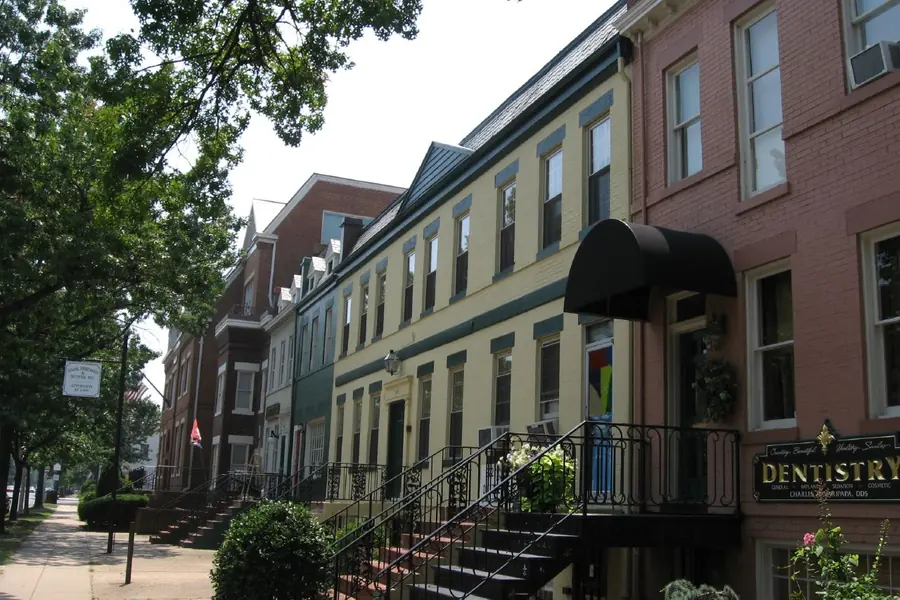
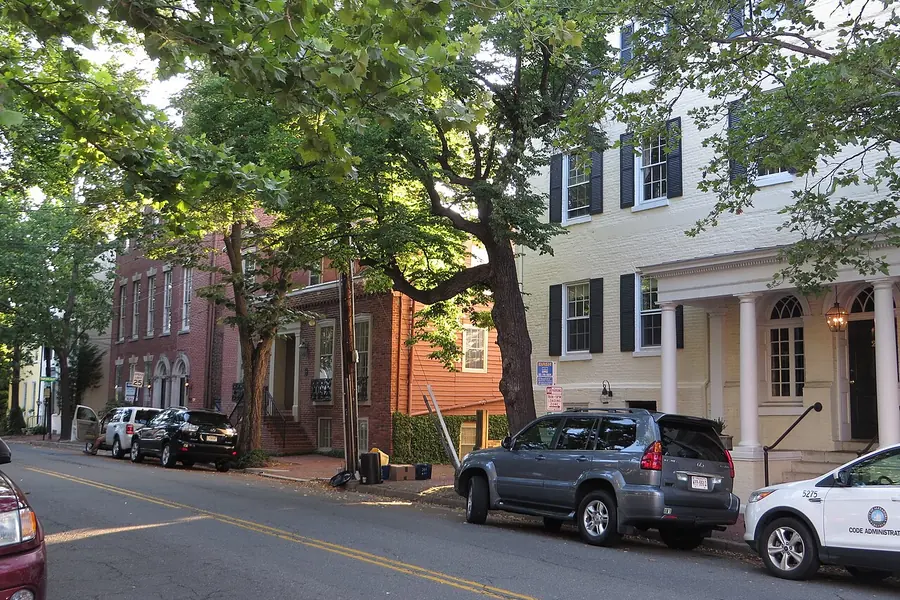
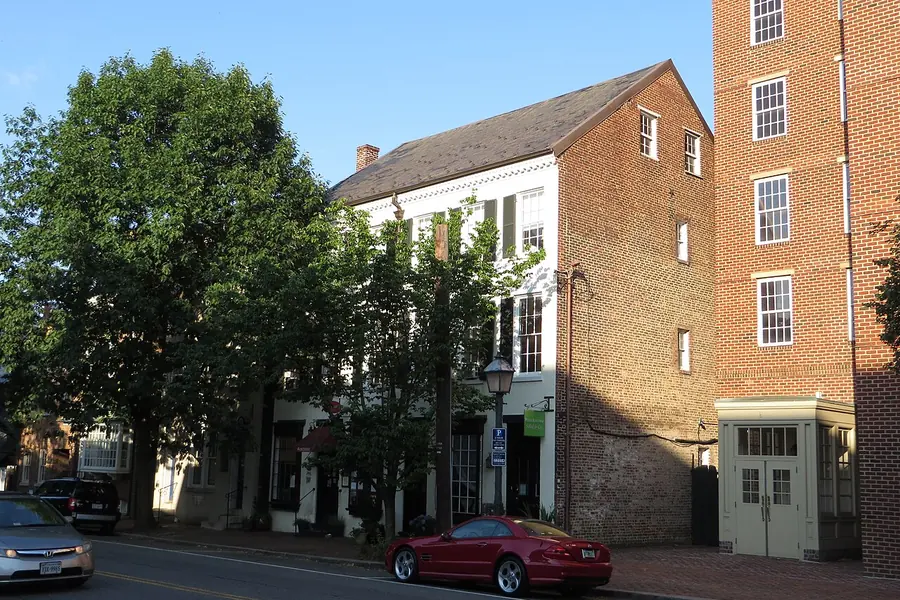
Old Town Alexandria was a thriving port city before DC existed. King Street runs from the Metro down to the Potomac waterfront — walk the whole length, stop at the Gadsby's Tavern Museum (Washington's birthday ball was held here), and explore the side streets of 18th-century rowhouses. Everything is walkable and most of it is free.
WWII munitions factory turned working artists' studios. Strange and great.
A former torpedo factory on the Potomac waterfront now houses 82 working artist studios, six galleries, and an archaeology museum in the basement. You can watch painters, sculptors, and printmakers work in real time, and most of the art is for sale. Admission is free.
Chesapeake oysters, local crab, and a view of the Potomac at dusk.
The Chesapeake Bay is one of the world's great oyster estuaries, and Old Town is close enough to still get them fresh. The waterfront strip on Union Street has several good options — Virtue Feed & Grain or Hummingbird both do excellent local shellfish. Book ahead for weekends; walk-in at the bar on weekdays.
DC's most international neighbourhoods, back to back
No monuments today. Adams Morgan is DC's most energetic neighbourhood — Ethiopian restaurants, Latin bakeries, vintage shops, and a Sunday brunch scene that starts at 10 AM and ends when you make it end. Meridian Hill Park for a lazy afternoon.
Adams Morgan Sunday Brunch Crawl
DC's most international brunch strip, 18th Street NW.
Adams Morgan's 18th Street NW corridor runs Ethiopian joints next to Salvadoran bakeries next to French bistros next to dive bars with eggs. La Folie does French brunch; Tryst is the indie café that's been here since 1998 with mismatched furniture and no rush to take your table. Eat where looks good.
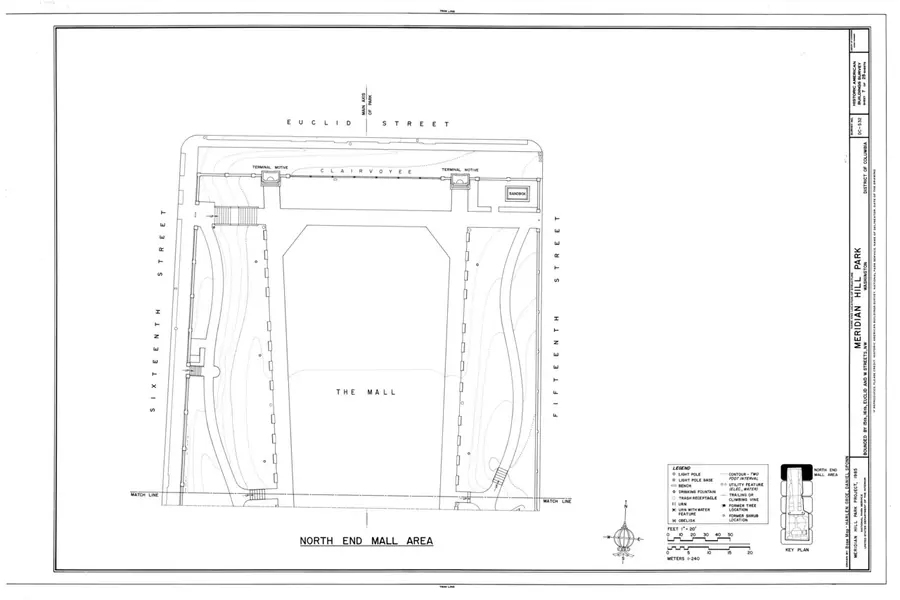
Meridian Hill Park
Cascading fountain, Sunday drumming circles, best park nobody talks about.
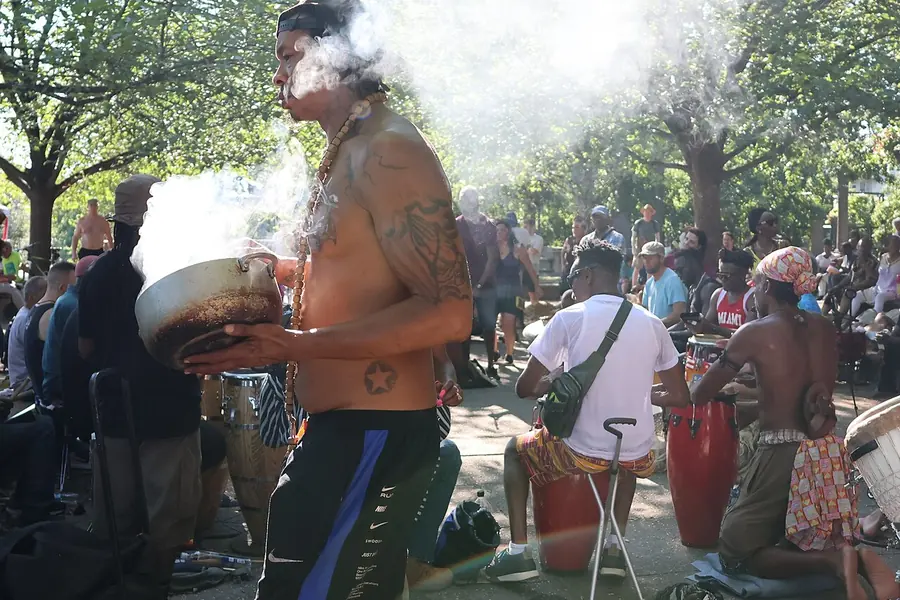
A terraced park on a hill just above Adams Morgan. The 13-section cascading fountain is one of the longest in the US. On Sunday afternoons (weather permitting), there's a drum circle that's been happening weekly since the 1950s. Free. Strange. Excellent.
The chaotic, beloved, slightly sticky heart of DC nightlife.
18th Street NW between Columbia Road and Kalorama is DC's most reliably fun nightlife corridor — a mix of dive bars (Dan's Cafe has the cheapest drinks in the city), cocktail lounges, and music venues. The crowd is mixed, the vibe is genuinely local, and nothing here closes before 2 AM.
Day 7
Holocaust Museum + Spy Museum + Tidal Basin
Two of DC's heaviest institutions, then one of its most beautiful sunsets
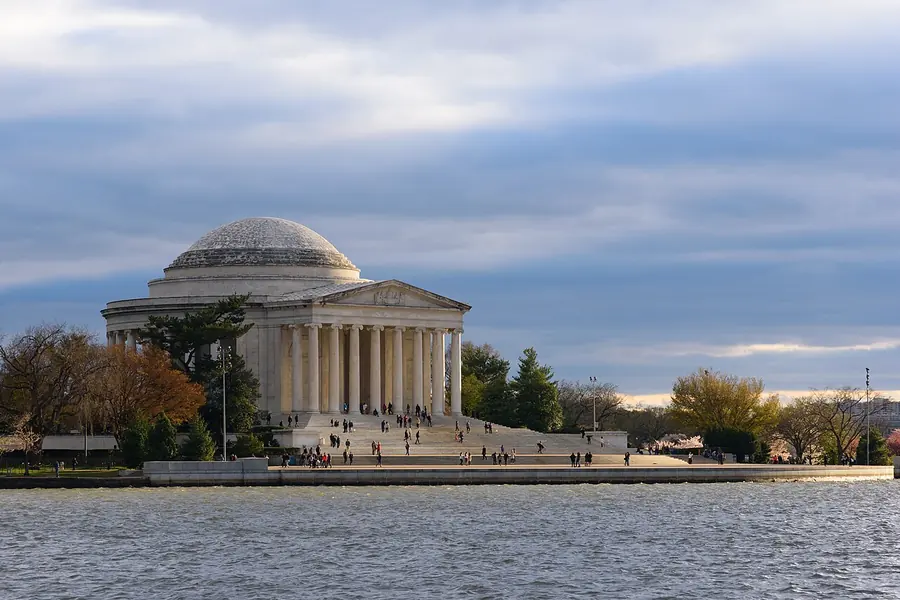
Save emotional bandwidth for the Holocaust Museum — it's not easy and shouldn't be. The Spy Museum is lighter and genuinely fun. End at the Tidal Basin at sunset, which gives you the Jefferson Memorial in the best possible light.
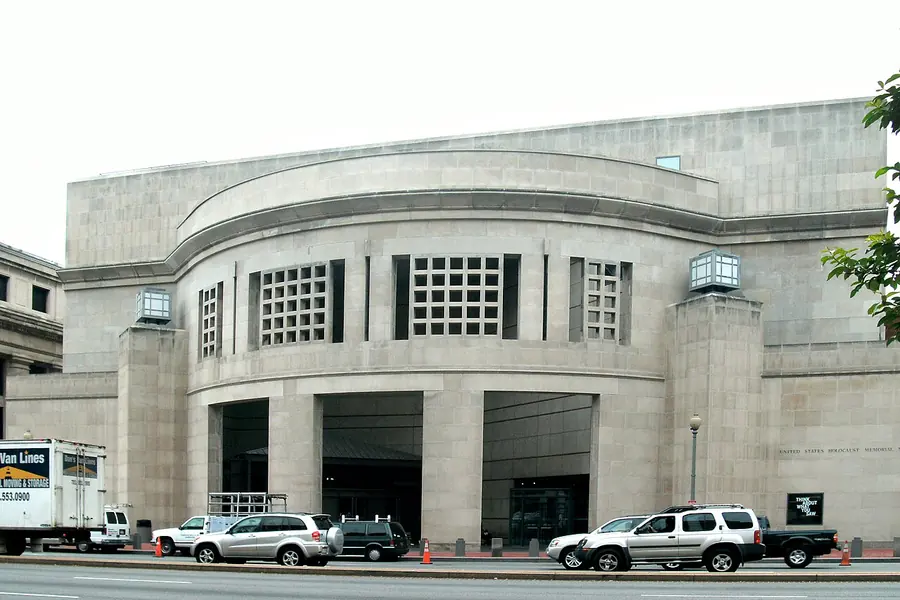
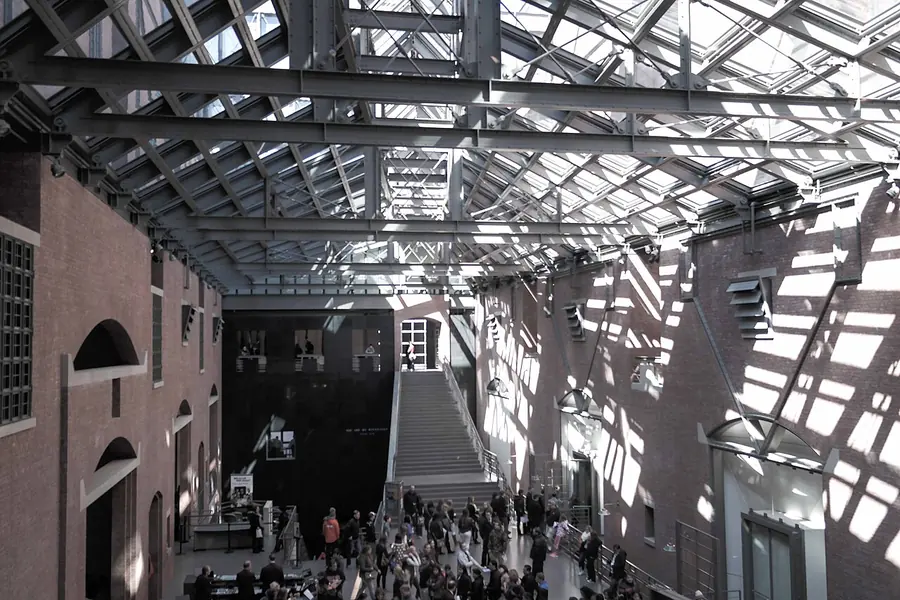
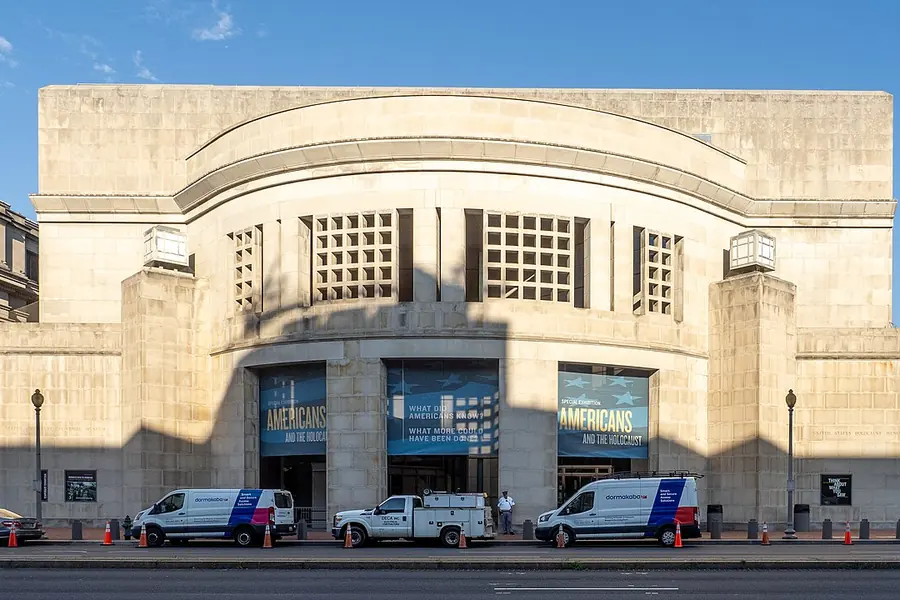
United States Holocaust Memorial Museum
Admission is free. The weight of it stays with you.
One of the most important museums in the world. The Permanent Exhibition takes 2–3 hours and follows the history of the Holocaust from the rise of Nazism through liberation. The building itself — designed by James Freed — is part of the experience. Timed passes are recommended in spring and summer; walk-ins available off-peak. No children under 11 for the main exhibition.
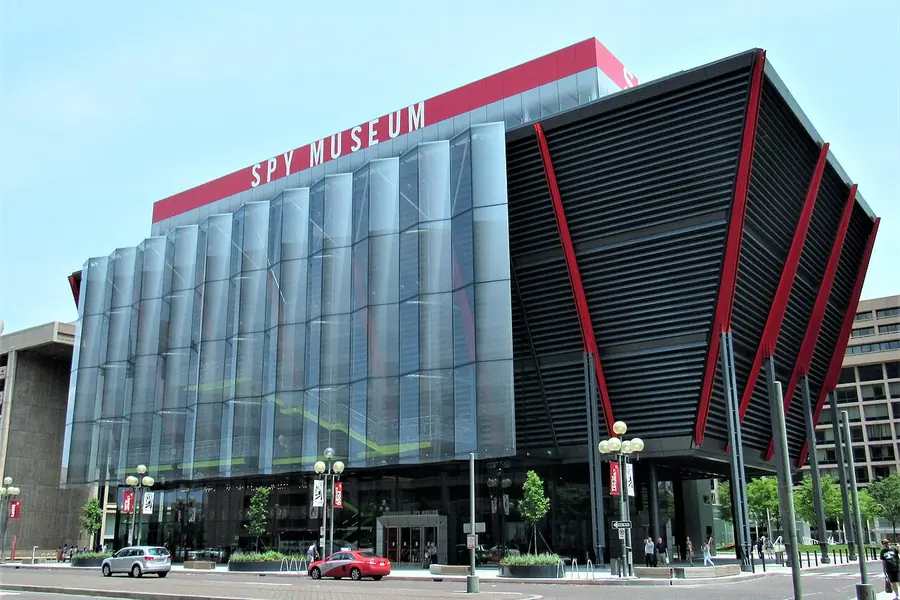
Gadgets, tradecraft, and the only paid admission we actually recommend.
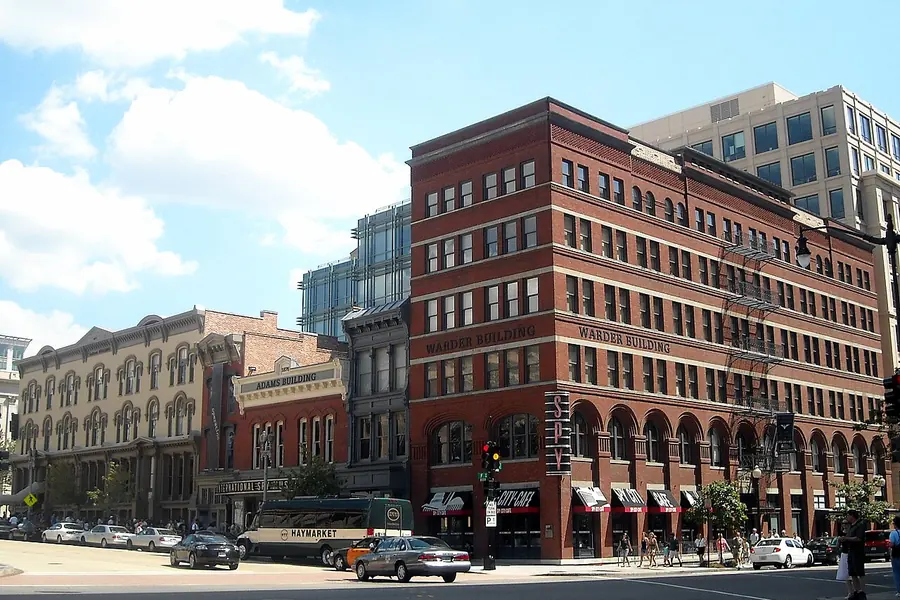
The one paid museum in DC worth the ticket. Covers real espionage history from WWII through Cold War to modern cyber — actual equipment, declassified stories, and interactive elements that don't feel gimmicky. The Berlin Tunnel section alone justifies entry. Kids love it. Adults stay longer than expected.
Cherry blossoms or not, this is DC's best closing shot.
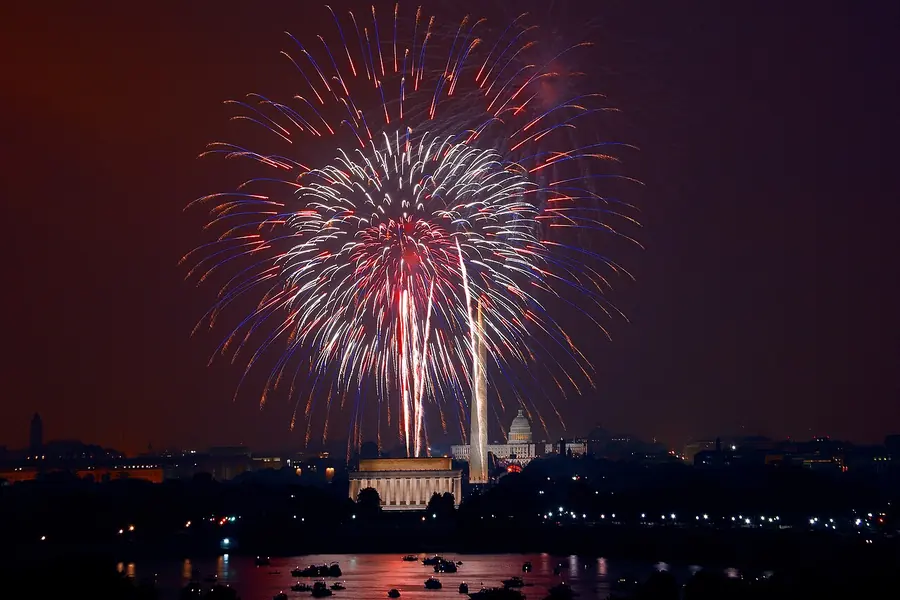
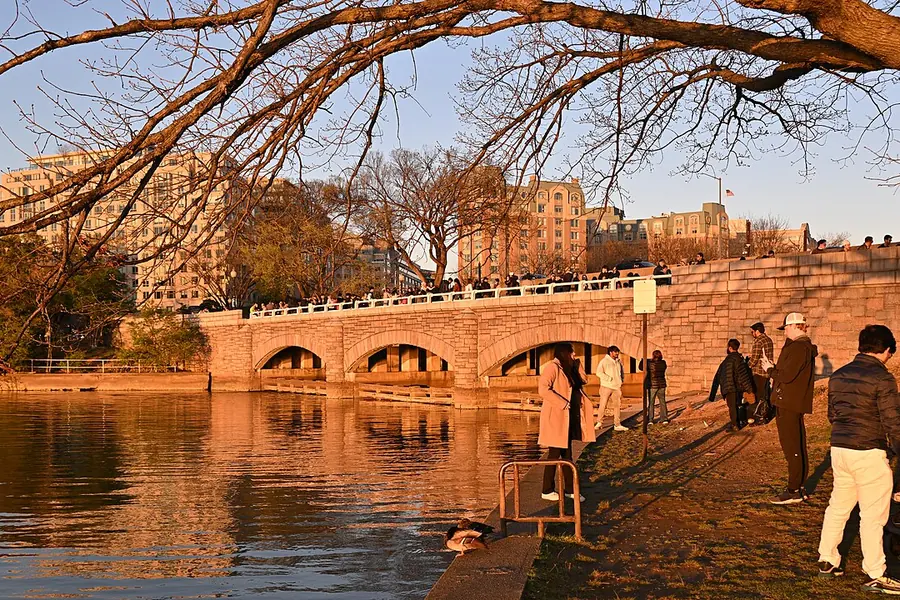
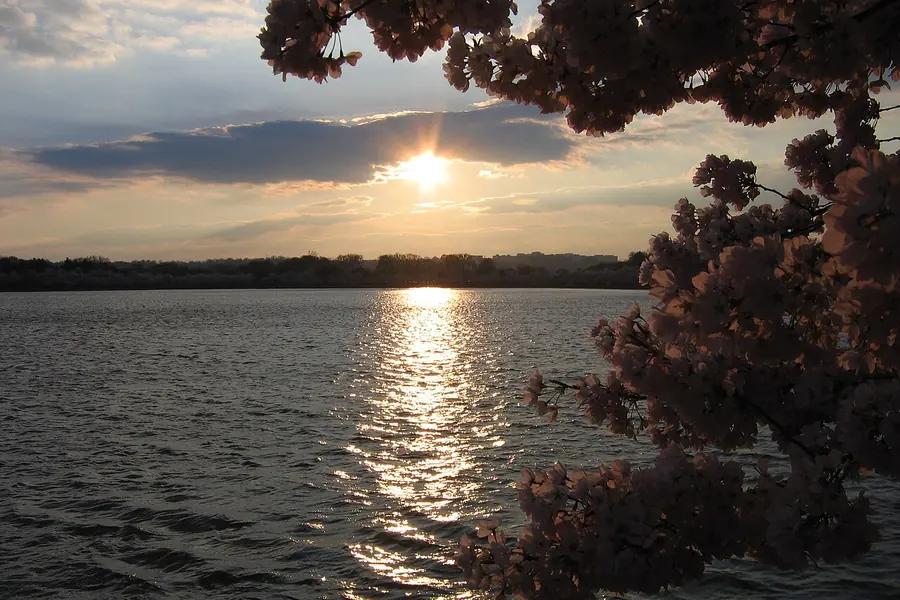
The Tidal Basin is best known for cherry blossoms in late March, but the sunset view of the Jefferson Memorial from the east bank of the Basin is extraordinary year-round. Walk the perimeter path as the light drops behind the Lincoln Memorial to the north. Rent a paddle boat from the dock on Maine Avenue if it's still open. Stay until the memorial lights come on.
Washington DC is the only city in the country where you can spend three days and a hundred dollars on accommodation and food, and still come home having seen some of the greatest collections of art, history, and science in the world. Every Smithsonian is free. Every monument is free. The Mall is free. The Constitution is free to look at.
This is either the best deal in American travel or a sign that the federal government wants you to feel good about paying taxes. Possibly both.
The Smithsonian Problem (And How to Solve It)
There are 19 Smithsonian museums on or near the Mall. You cannot see them all. You should not try. Here’s how they rank for planning purposes:
Museum
Crowd Level
Kid-Friendliness
Must-See?
Air & Space Museum
Very High
Excellent
Yes
Natural History Museum
Very High
Excellent
Yes
American History Museum
High
Good
Yes
Nat’l Museum of the American Indian
Medium
Good
Yes
African American History & Culture
High (timed entry)
Good
Absolutely
National Gallery of Art*
Medium
Fair
Yes
African Art Museum
Low
Fair
If time allows
American Art Museum
Low
Fair
If time allows
Hirshhorn (modern art)
Medium
Fair
Art lovers only
National Zoo
High
Excellent
With kids
*Not technically a Smithsonian but free and adjacent. The da Vinci alone justifies an hour.
The strategy: do Air & Space and American History on Day 1 (they’re close together on the Mall). Do the National Gallery on Day 3 when you’re in Penn Quarter anyway. Book NMAAHC passes months ahead and treat it as a standalone day — it will exhaust you emotionally in the way that important things do.
The Free Monument Circuit
The Mall’s monuments are best done in one long walk, either at dawn or in the evening. The sequence: Lincoln Memorial → Vietnam Veterans Memorial → Korean War Memorial → Washington Monument → World War II Memorial → back to the Capitol. Total distance: about 2.5 miles. Total cost: zero.
The monuments that get skipped and shouldn’t: the Korean War Memorial (the stainless steel soldiers in the mist are genuinely eerie and beautiful), the FDR Memorial (a sprawling garden sequence across four outdoor rooms), and the DC War Memorial (a small circular temple most people walk past without noticing).
Getting Around
The Metro is excellent by American standards: clean, reliable, and covers most of what you need. Get a SmarTrip card at any station. The Mall itself is entirely walkable; Georgetown requires a bus (the DC Circulator runs from Pennsylvania Avenue). Alexandria is 20 minutes on the Yellow Line.
Use the filter above to see exactly which stops match your trip length.
This article contains affiliate links marked with rel="sponsored". We may earn a commission at no extra cost to you.