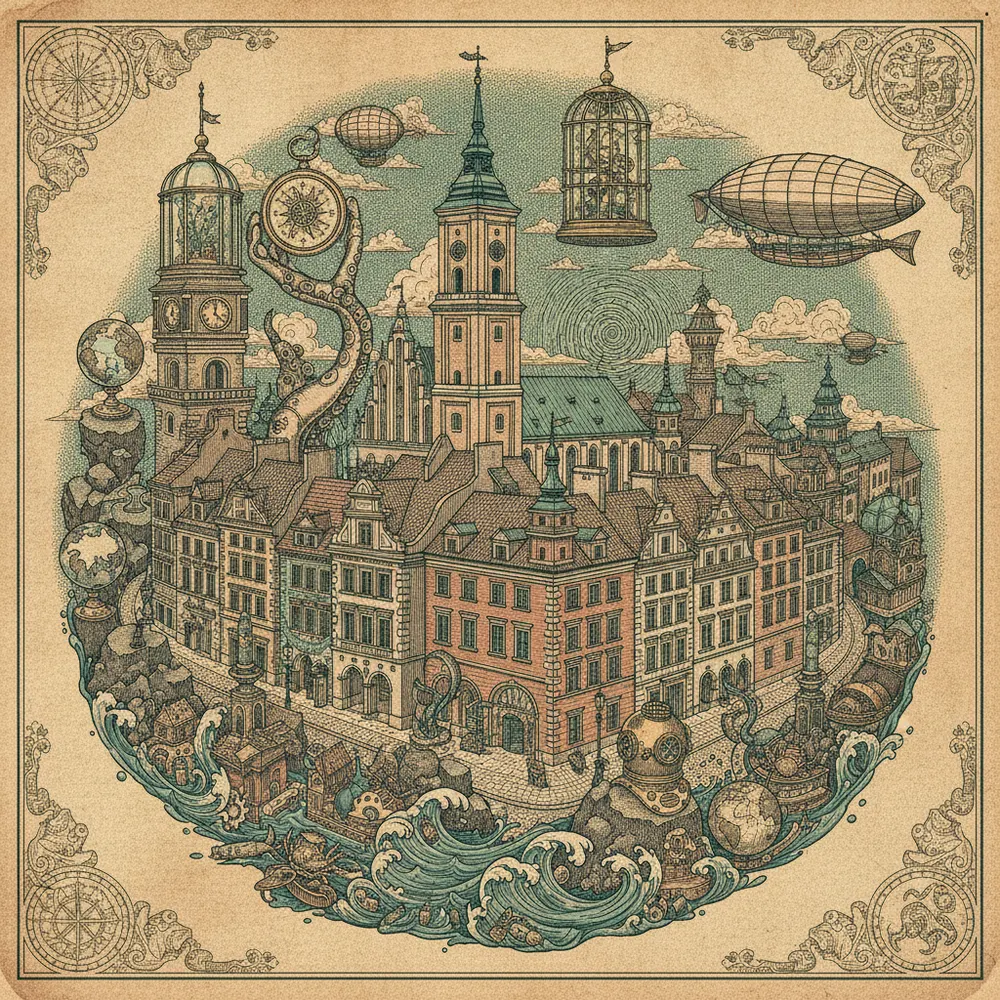
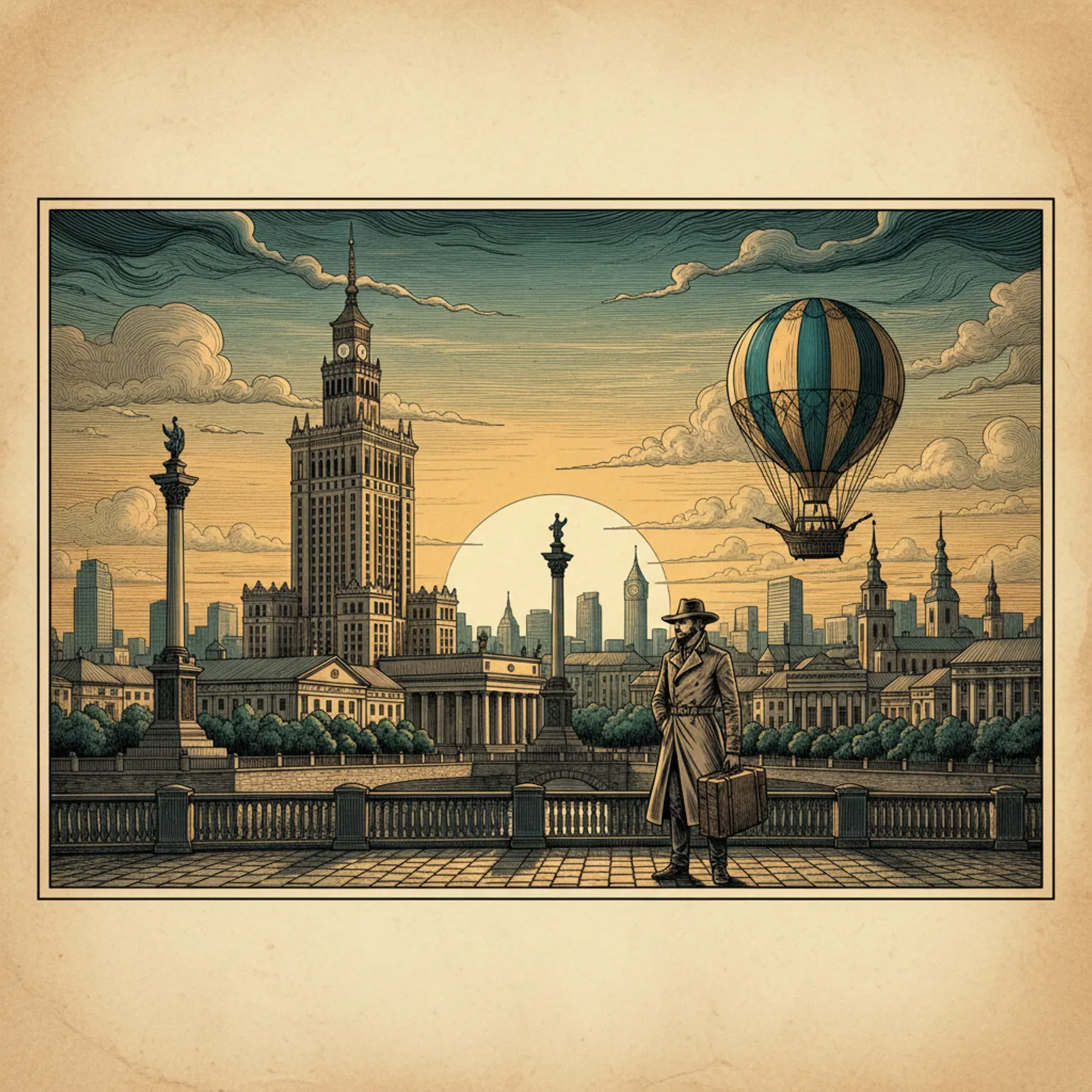
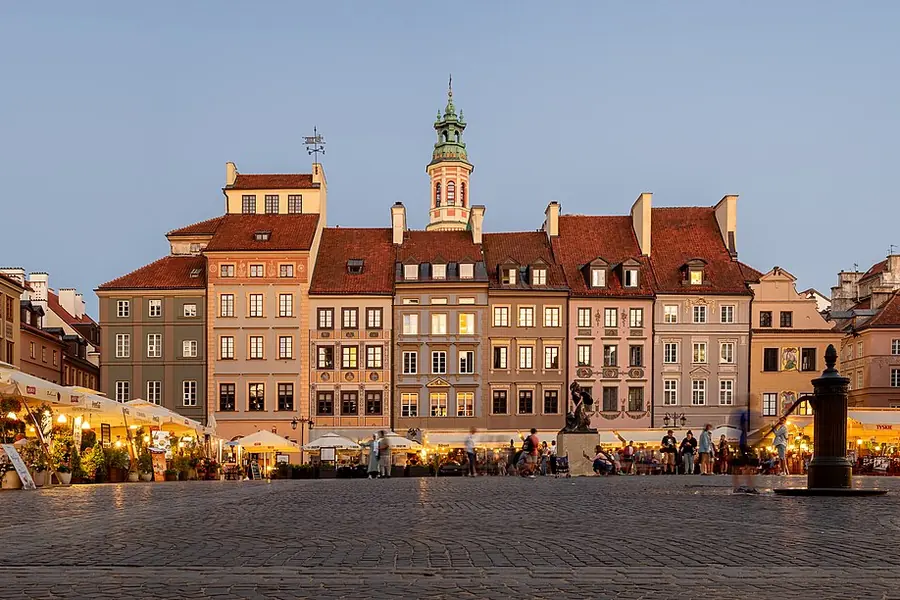
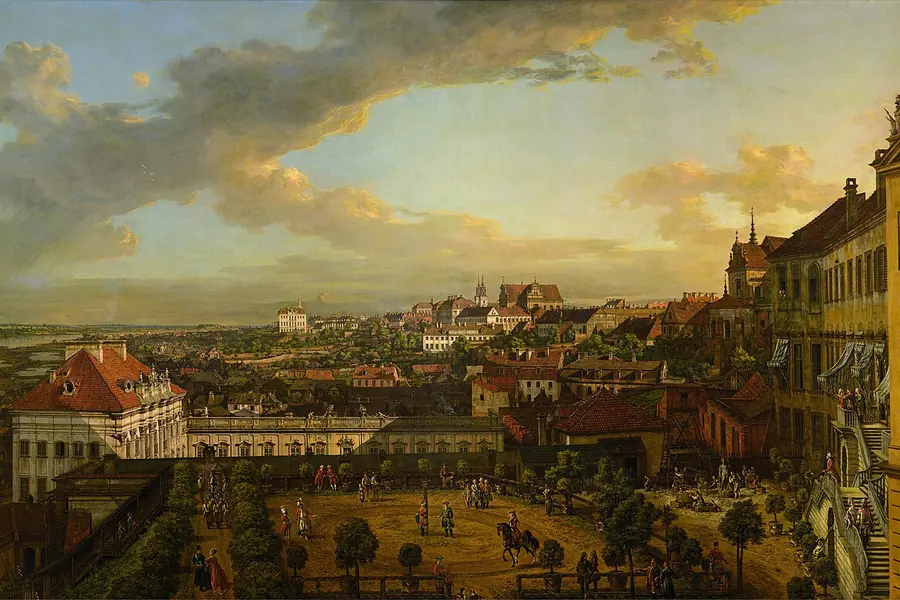
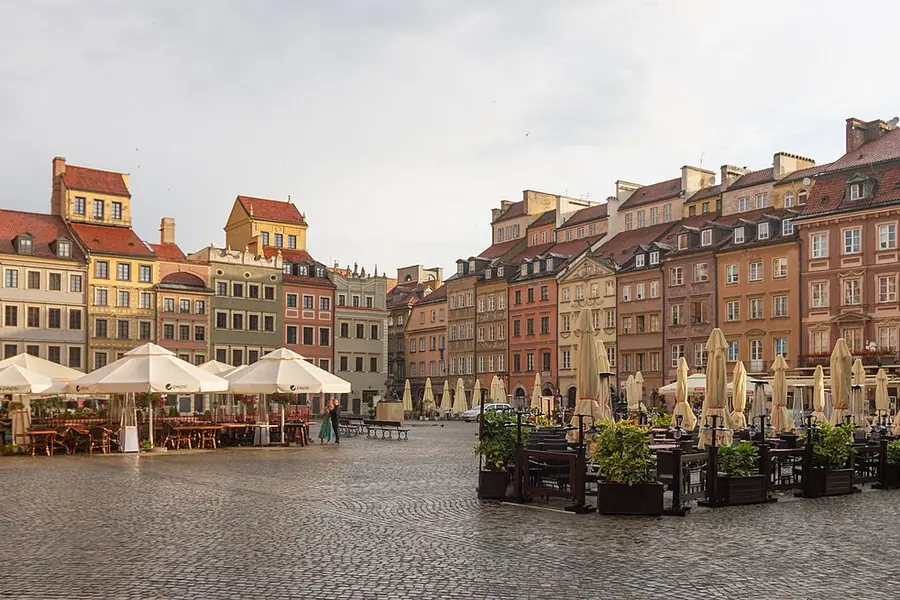
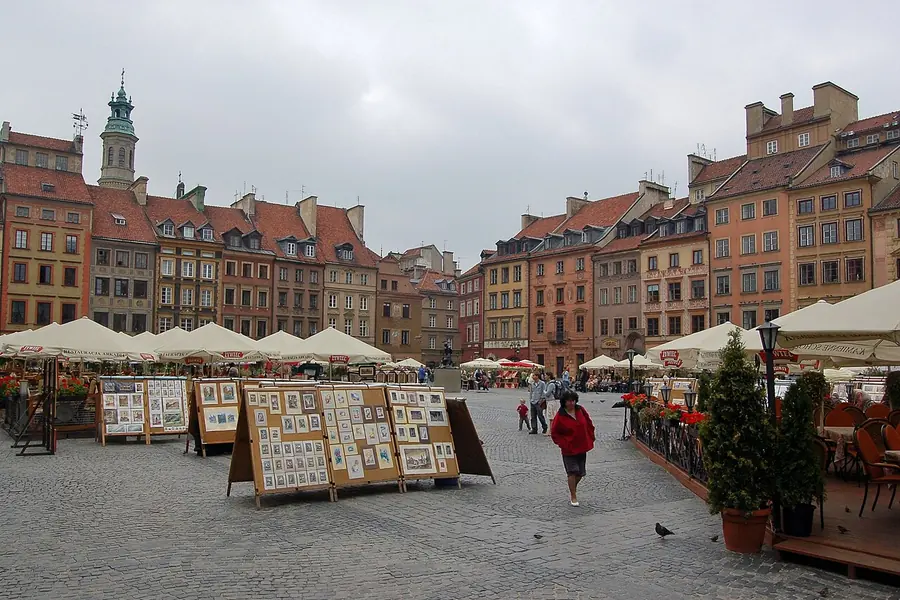
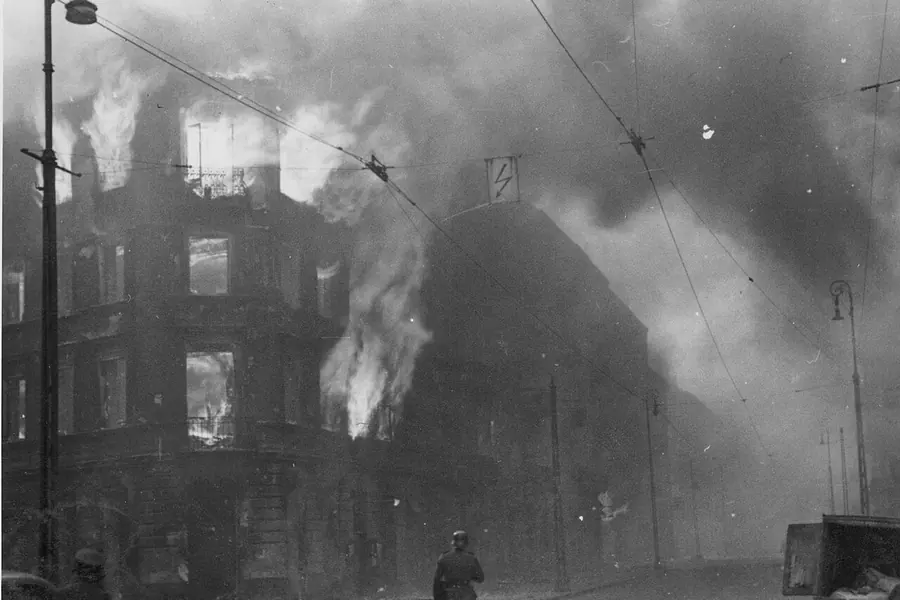
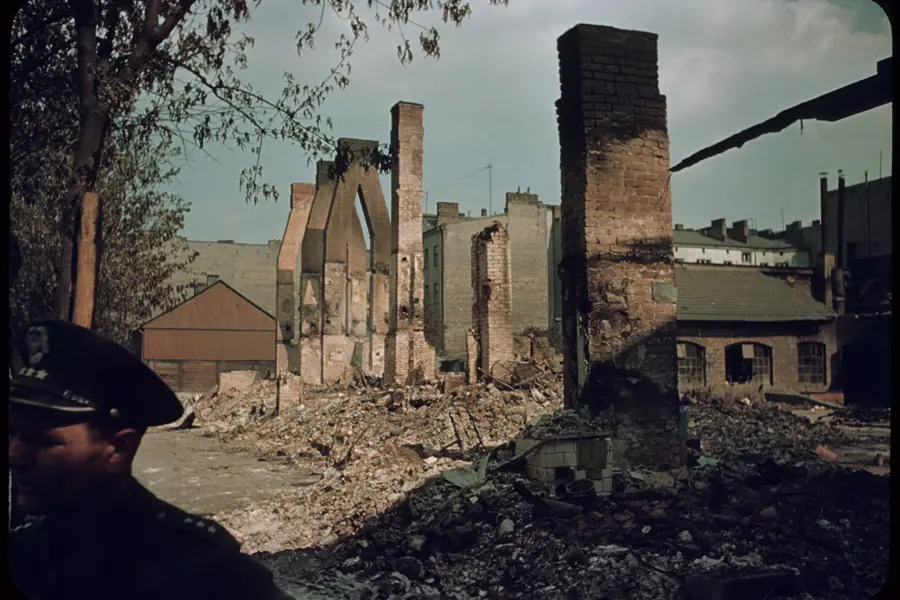
Standing in Warsaw's Old Town Square, with its candy-coloured houses and the mermaid statue, I made the rookie mistake of saying out loud how 'beautifully preserved' it all was. A Polish friend just laughed. None of it is old. The Nazis flattened 85 percent of this city, and Varsovians rebuilt the Old Town brick by brick from old paintings out of sheer defiance. Once you know that, the whole place reorganises in your head. Warsaw isn't pretty in spite of its history — it's pretty as an act of will. It's a tougher, stranger, more moving city than Krakow.
Two days covers the soul of Warsaw: the lovingly reconstructed Old Town and Royal Castle, and the gut-punch brilliance of the Warsaw Uprising Museum. You'll grasp what makes this city different. A short, heavy, unforgettable introduction.
Do this one thing: go to the Warsaw Uprising Museum first, before the Old Town — it makes every rebuilt brick mean something.
Add Chopin, the parks, and the modern city
A third day brings Chopin's Warsaw — the Lazienki Park concerts and the immersive Chopin Museum — plus the gleaming new city around the Palace of Culture. You see Warsaw breathe and relax beyond its history. The contrast is the point.
The full city plus gritty, cool Praga
Four days adds the right-bank Praga district, the bohemian, street-art-covered quarter the bombs largely spared. You get the real, un-touristed Warsaw of artists and vodka bars. My recommended length for the city.
Warsaw plus a Krakow and Auschwitz journey
A week lets you take the fast train south to Krakow and the sobering pilgrimage to Auschwitz-Birkenau, then return for the corners of Warsaw you missed. Seven days is the deep dive into Poland's past and present.
Estimated budget:$200-$450
Estimated budget:$300-$650
Estimated budget:$400-$900
Estimated budget:$750-$1700
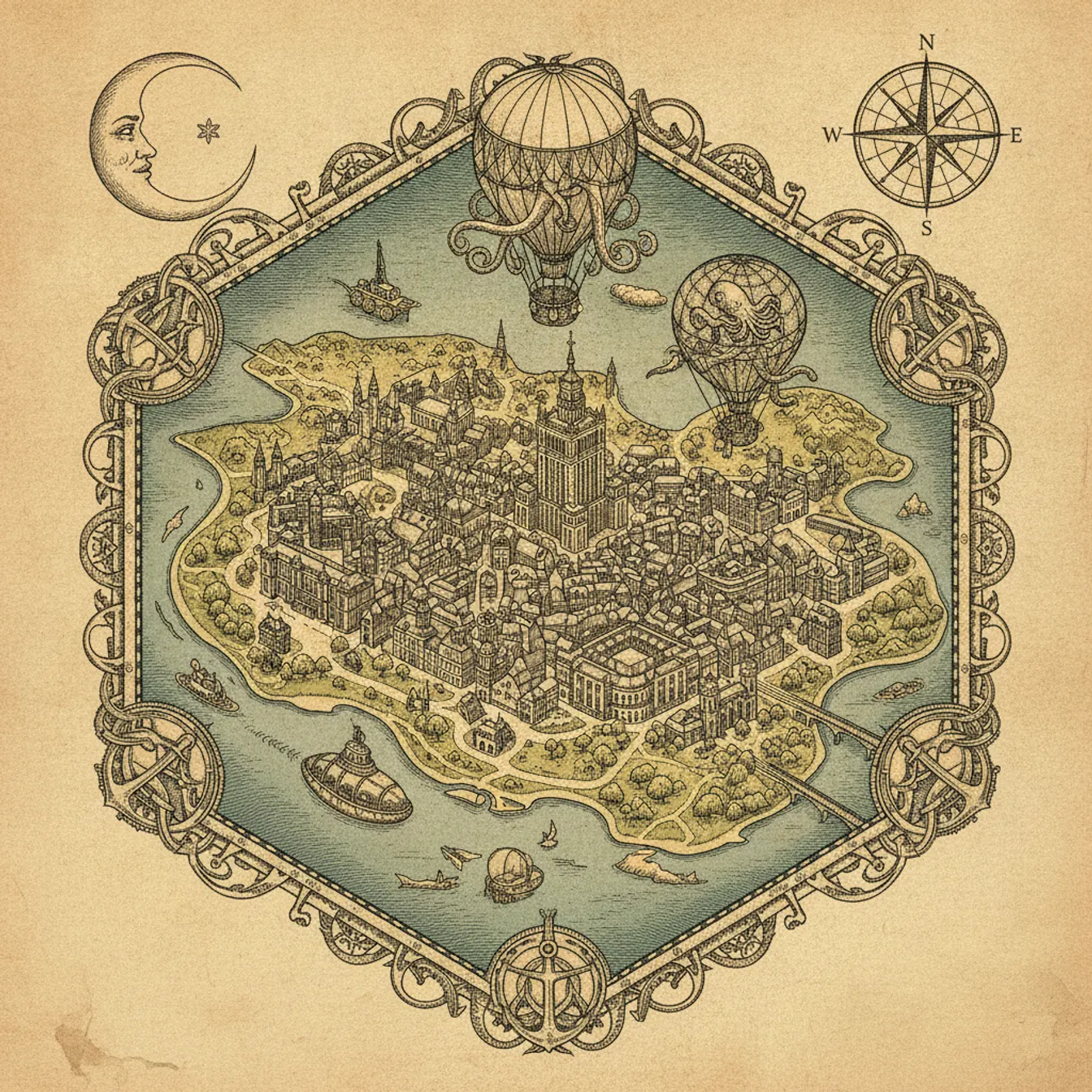
[ THE DISPATCH · FIELD MAP ]
A tilted, hand-drawn dispatch of Warsaw. Click a quarter to explode it open.
0 / 6 quarters explored
Legend · tap to highlight
[ OLD TOWN (STARE MIASTO) ]
Old stones, older stories.
Old Town Market SquareCandy-coloured merchant houses, faithfully rebuilt from paintings.
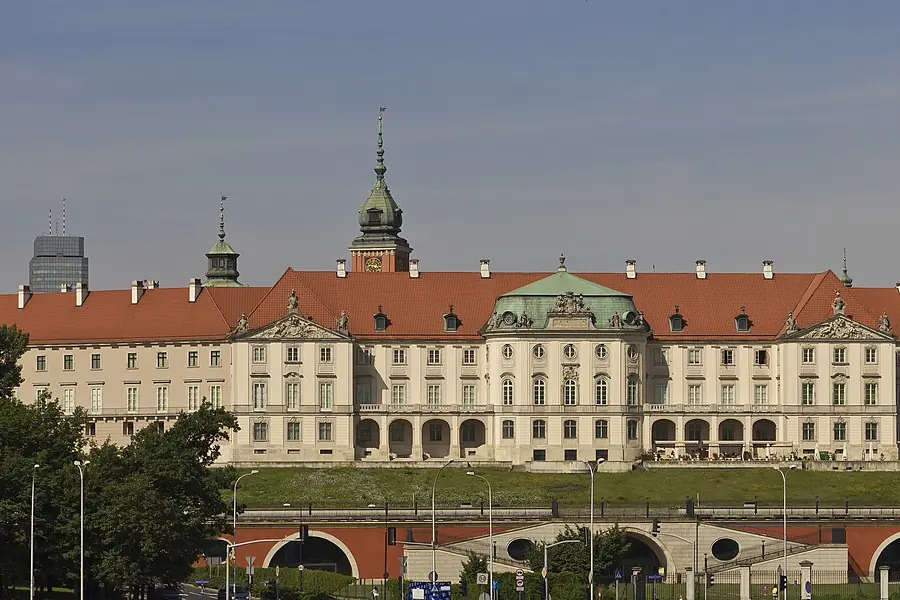
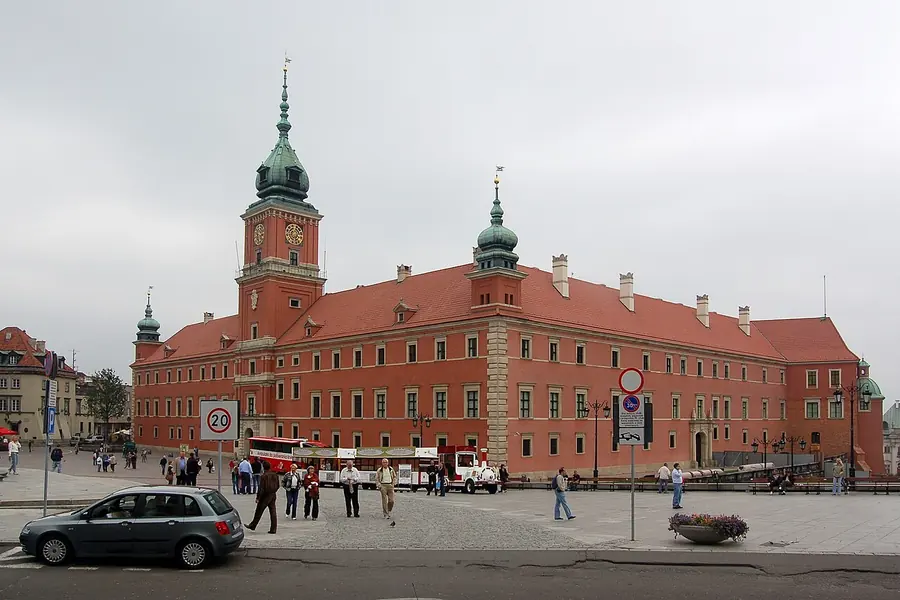
Royal CastleThe kings' palace, blown up by the Nazis and rebuilt by the people.
[ SRODMIESCIE (CITY CENTRE) ]
Grand squares and big ideas.
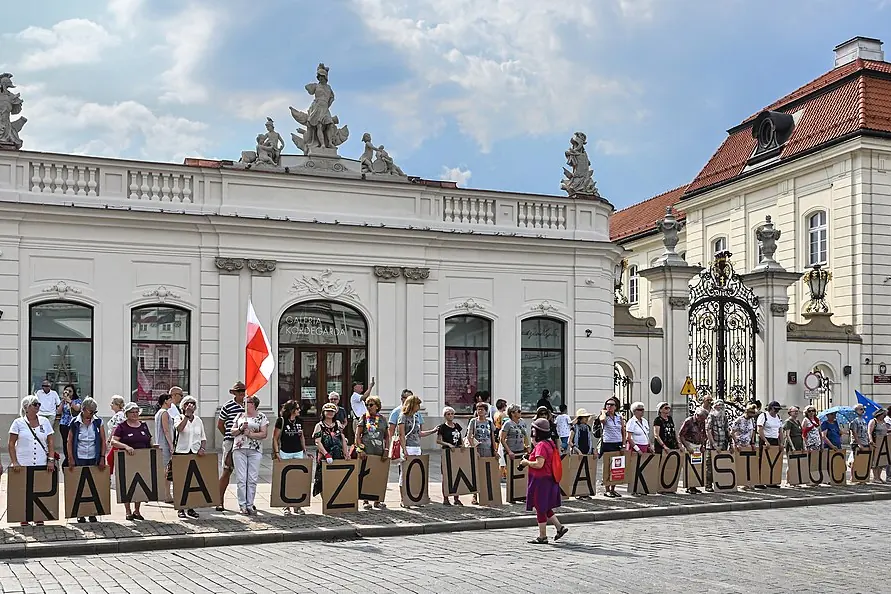
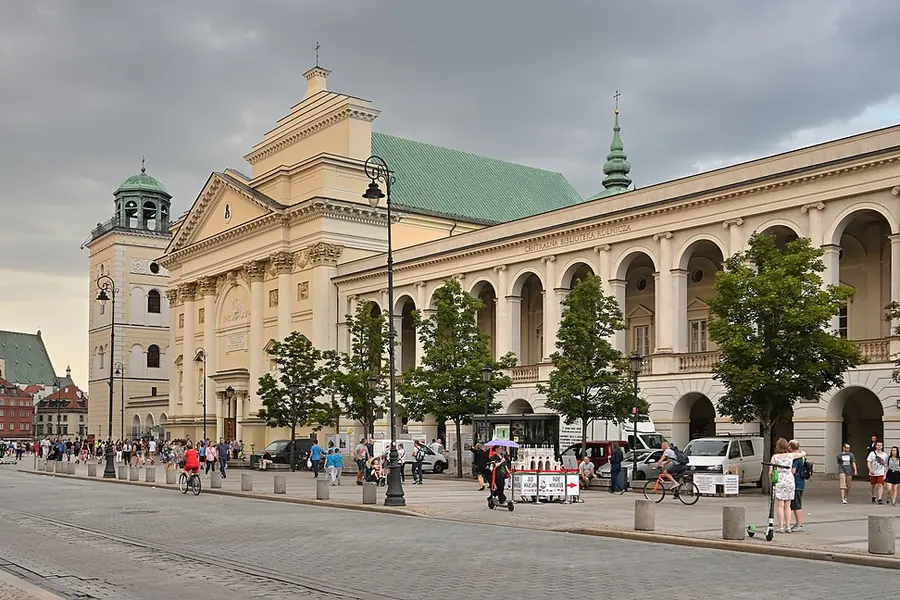
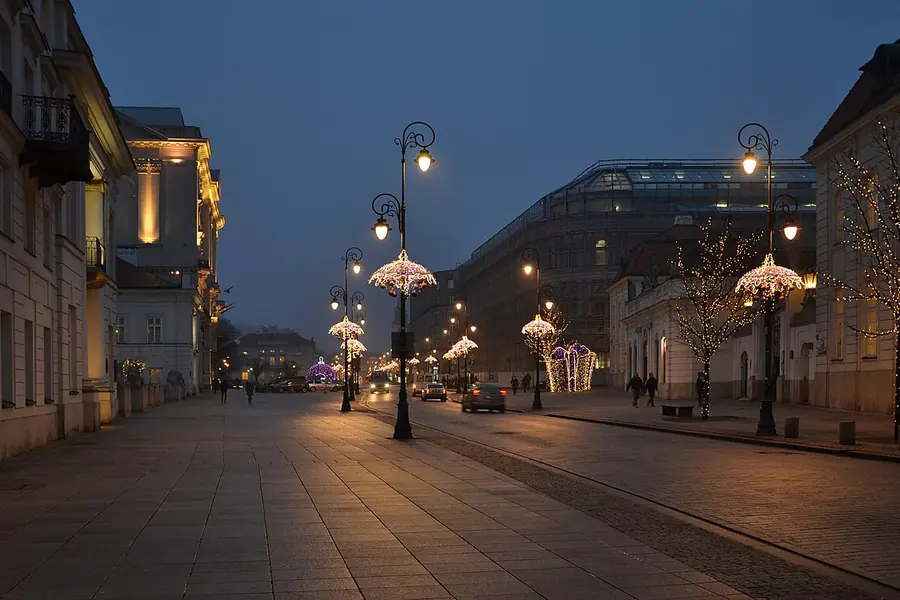
Krakowskie PrzedmiescieWarsaw's grand Royal Route boulevard, lined with palaces and cafes.
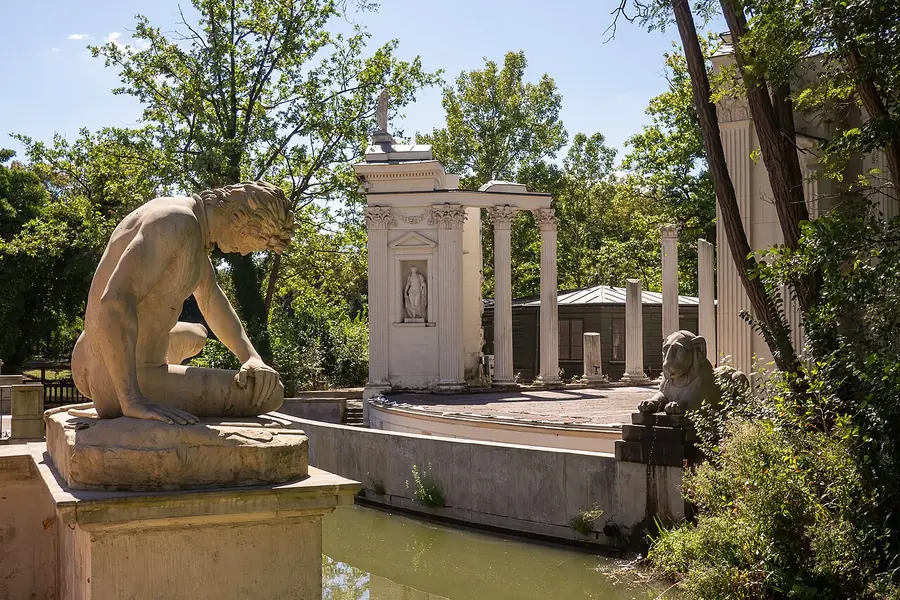
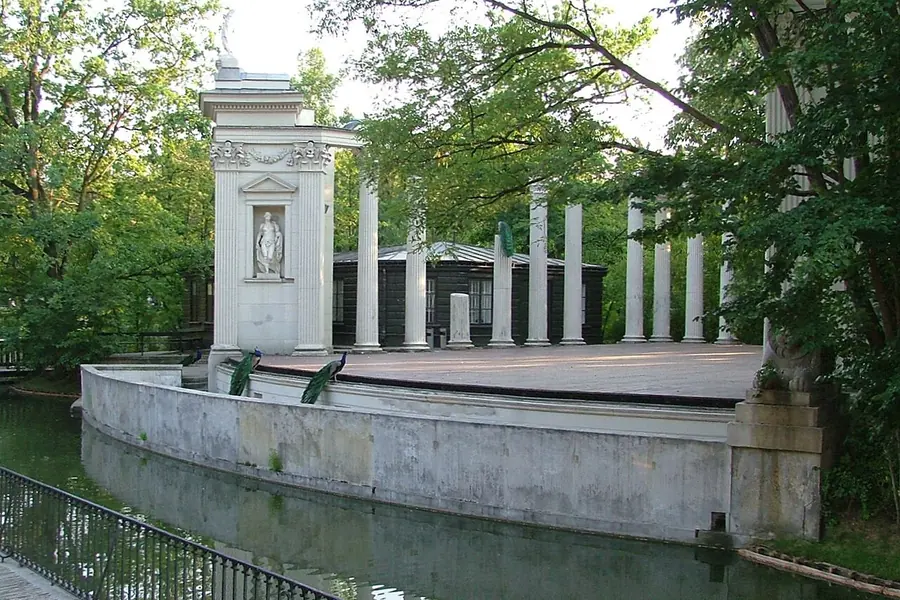
Lazienki ParkWarsaw's royal park — peacocks, a palace on water, free Chopin recitals.
[ WOLA & MURANOW ]
Grand squares and big ideas.
Warsaw Uprising MuseumAn immersive, devastating tribute to the 1944 revolt.
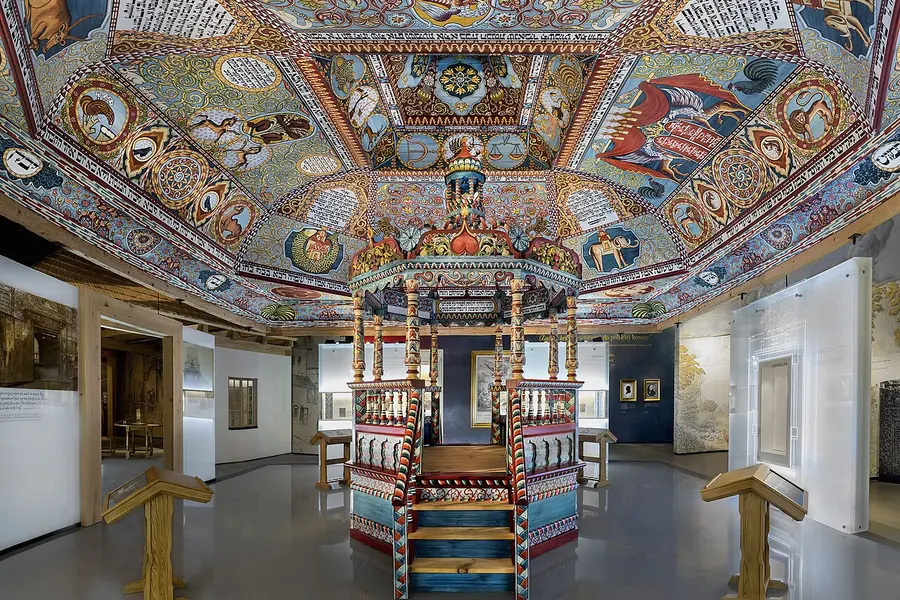
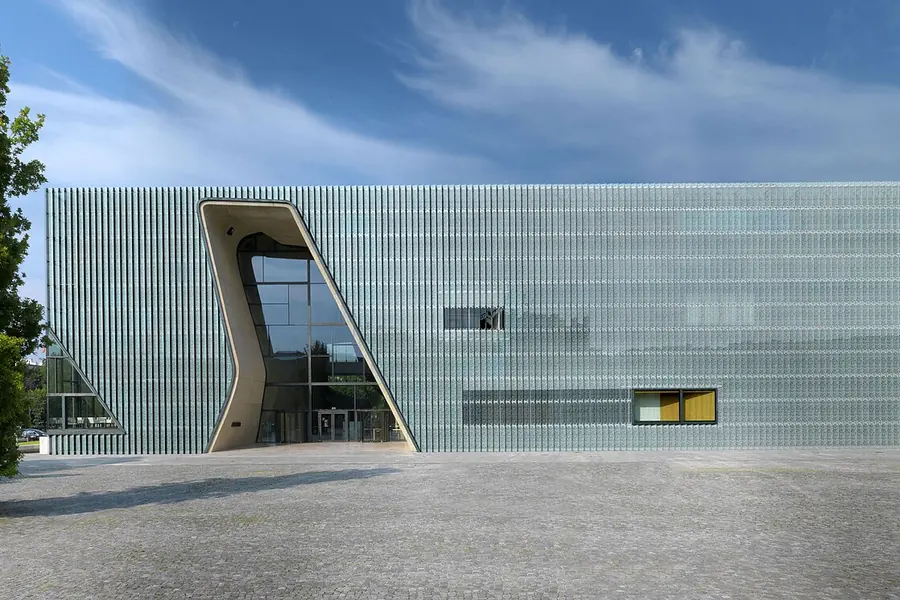
POLIN MuseumA thousand years of Polish-Jewish life, in a stunning building.
[ LAZIENKI & ROYAL ROUTE ]
Green breathing room.
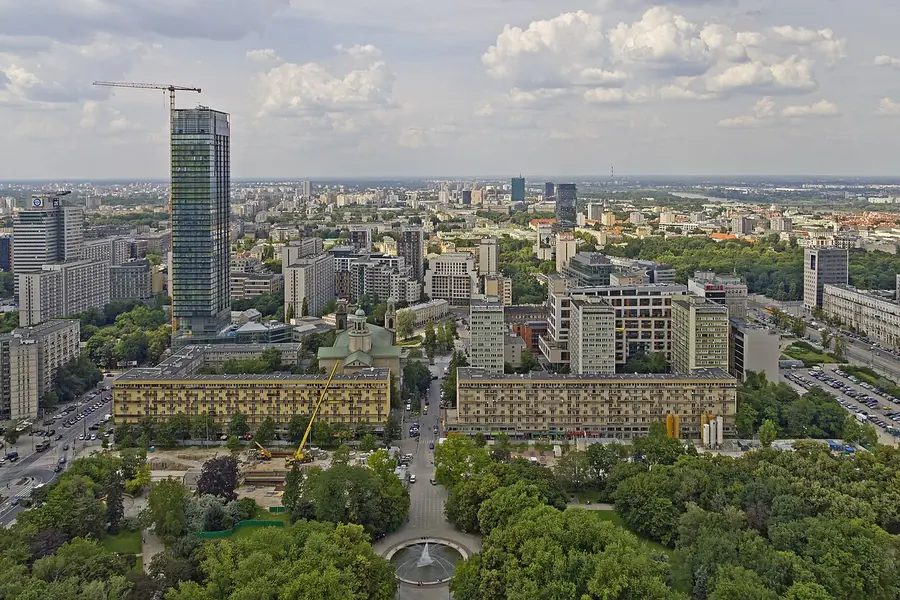
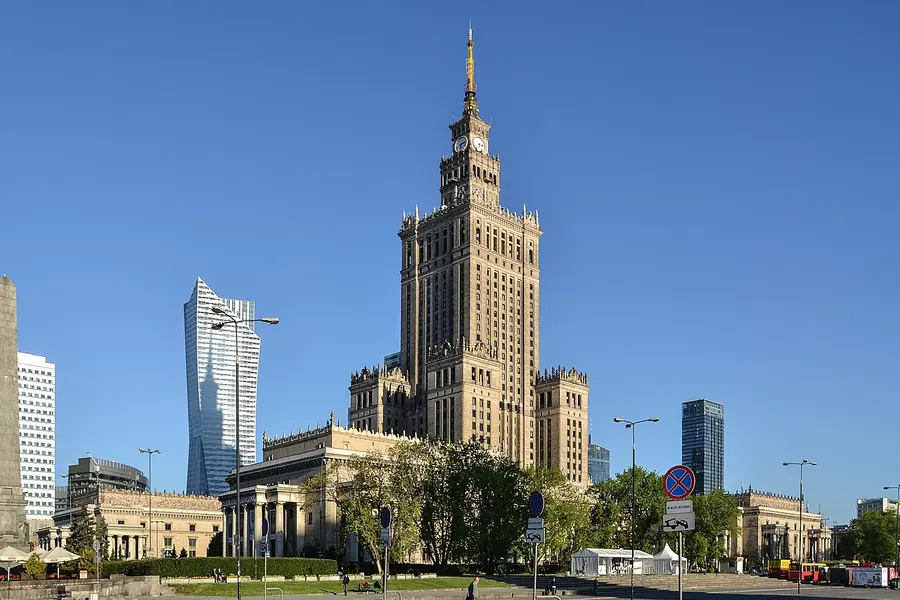
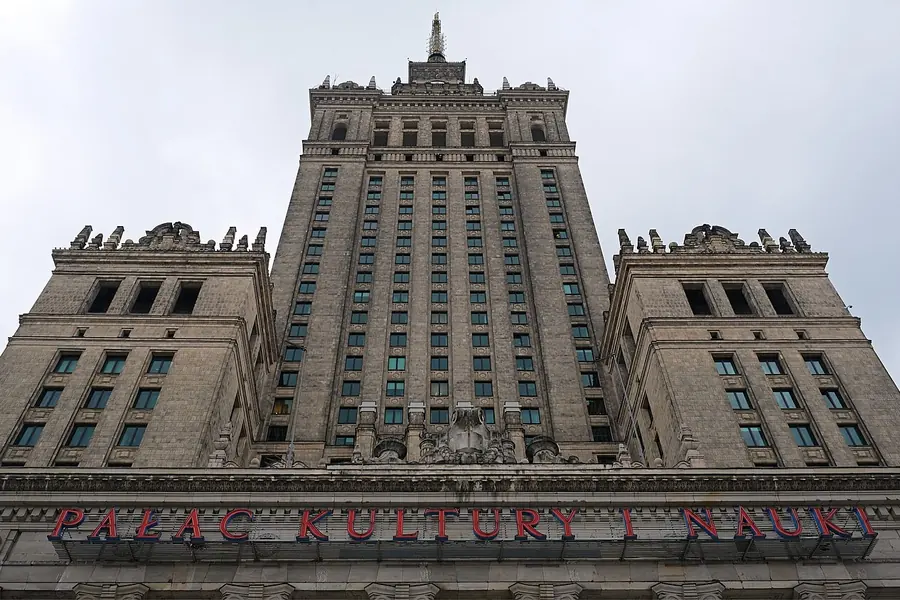
Palace of Culture & ScienceStalin's looming 'gift' — and the city's best panoramic view.
[ PRAGA (RIGHT BANK) ]
Stays up later than you do.
Praga DistrictCrumbling tenements, street art, and the city's coolest creative scene.
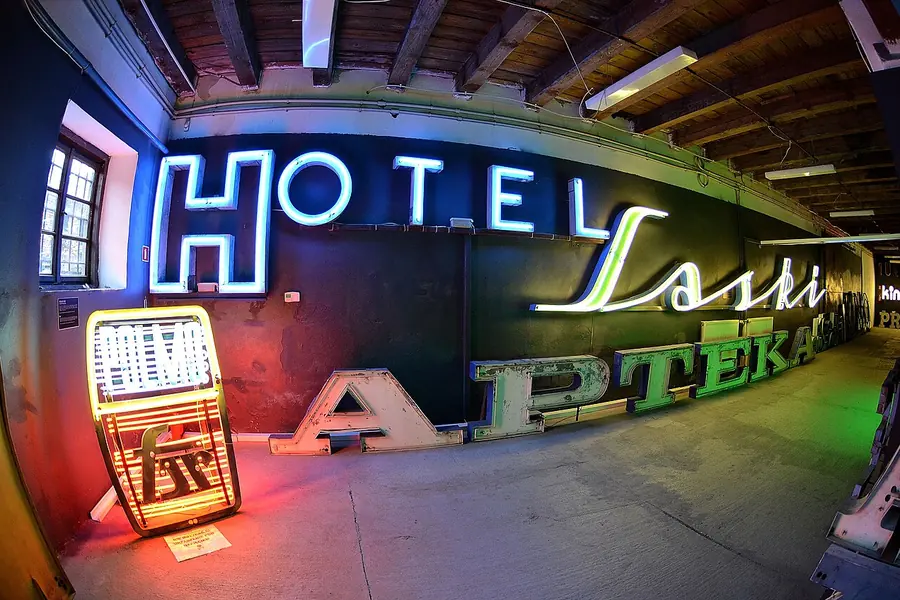
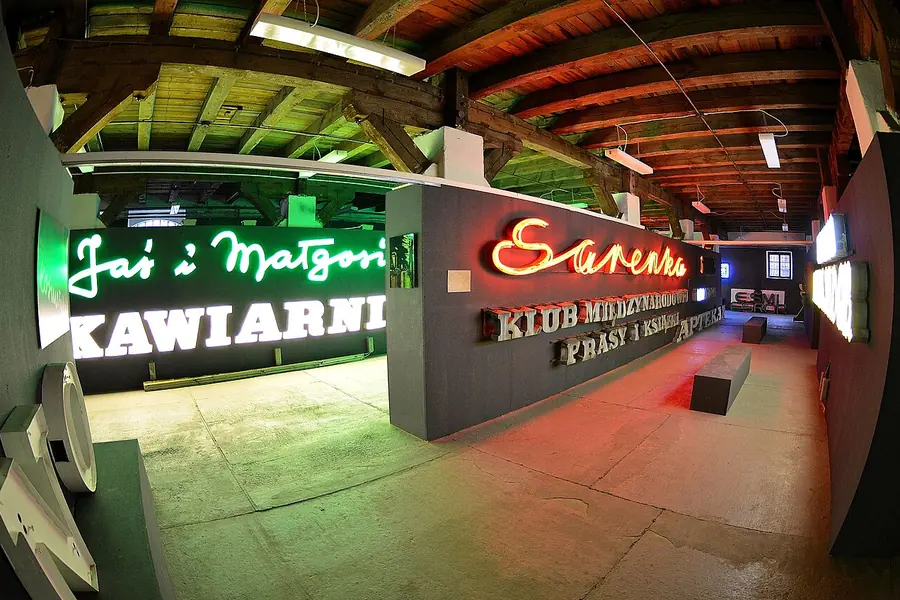
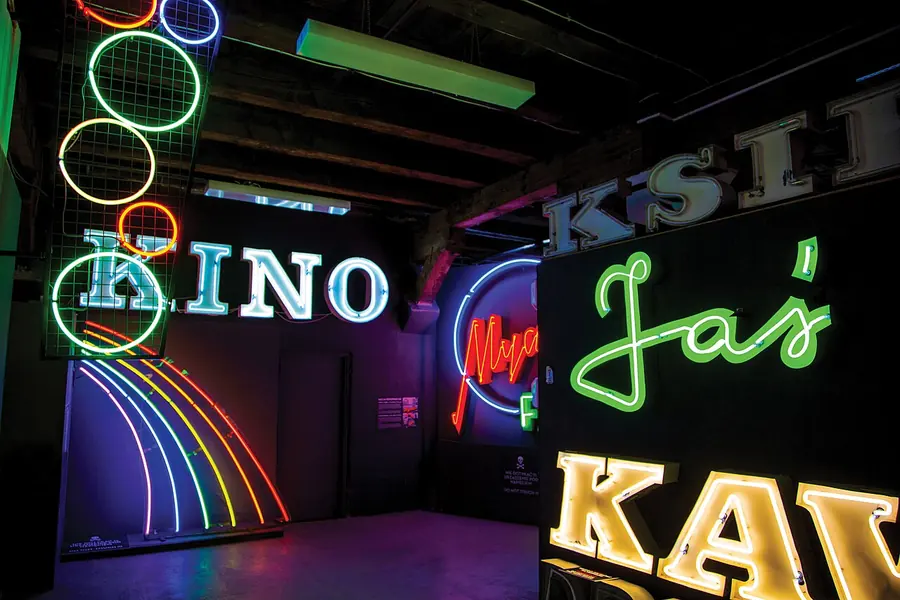
Neon MuzeumA glowing collection of Cold War-era Polish neon signs.
[ POWISLE & THE VISTULA ]
Where the city meets the water.
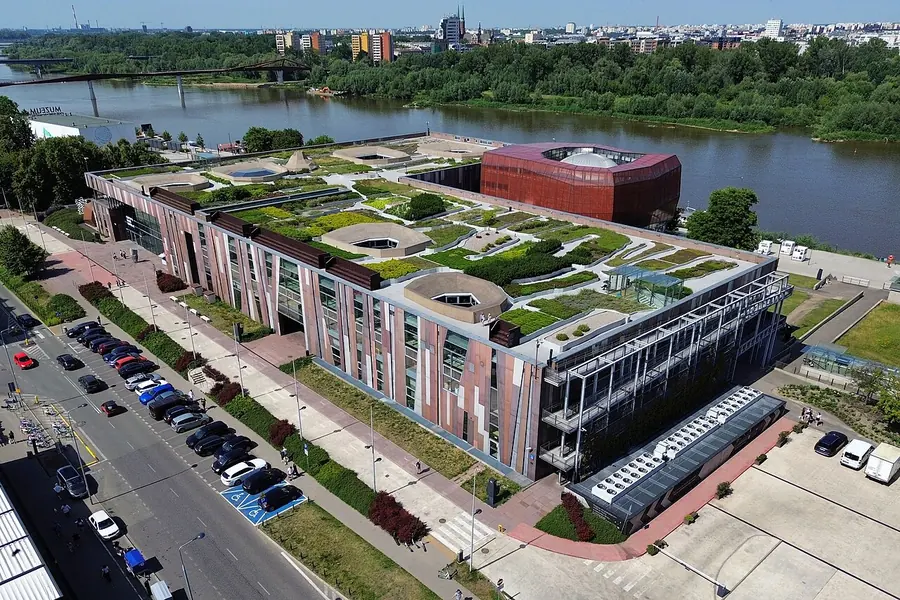
Copernicus Science CentreA brilliant hands-on science museum on the Vistula riverbank.
Hala KoszykiA restored 1900s market hall turned buzzing food court.
Day 1
The Old Town, Rebuilt
A city resurrected brick by brick
Old Town Market Square
Candy-coloured merchant houses, faithfully rebuilt from paintings.
The heart of the reconstructed Old Town (Stare Miasto), a UNESCO site precisely because it's such a remarkable act of restoration. The pastel facades, the bronze Mermaid of Warsaw, and the surrounding lanes are postcard-pretty — and almost entirely post-1945. Grab a coffee, then climb St Anne's Church tower nearby for the rooftop view.
The kings' palace, blown up by the Nazis and rebuilt by the people.
Reduced to rubble in the war and reconstructed from the 1970s, the Royal Castle now gleams with restored royal apartments, two original Rembrandts, and Bellotto's 18th-century cityscapes — the very paintings used to rebuild the Old Town. A powerful, beautiful place. Book a timed ticket; it's the city's marquee interior.
Warsaw's grand Royal Route boulevard, lined with palaces and cafes.
Stroll the elegant Royal Route south from the Old Town — past the Presidential Palace, the university, and a string of churches (including the one holding Chopin's heart). Stop at the historic A. Blikle for a paczki, the legendary Polish jam doughnut. The boulevard is at its best in the evening when the facades are lit.
An immersive, devastating tribute to the 1944 revolt.
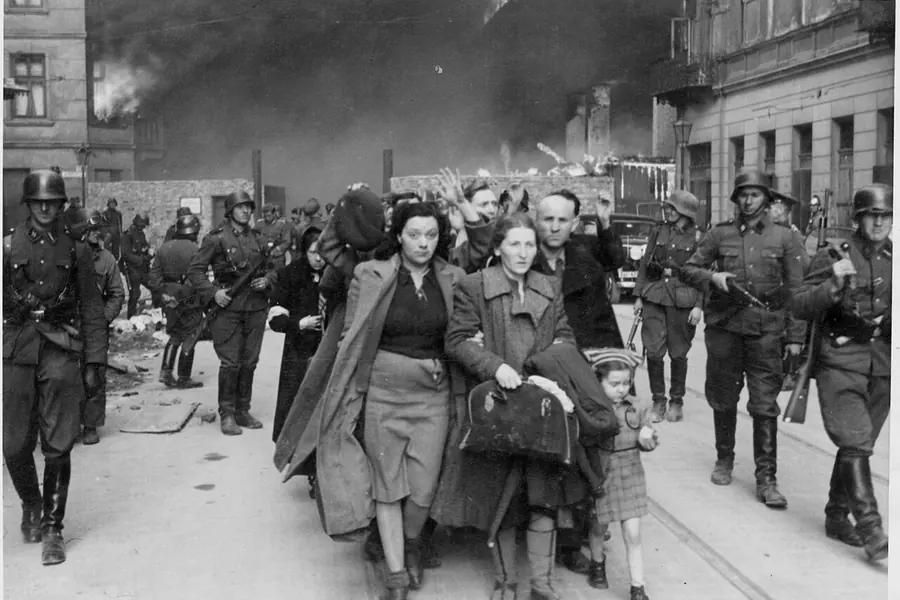
One of Europe's great modern museums, telling the story of the 63-day 1944 uprising against Nazi occupation through sound, film, and reconstruction (you can walk through a recreated sewer the fighters used). It's intense and essential. Reserve a slot, allow at least two hours, and brace yourself. Free entry on Mondays, so it's busiest then.
A thousand years of Polish-Jewish life, in a stunning building.
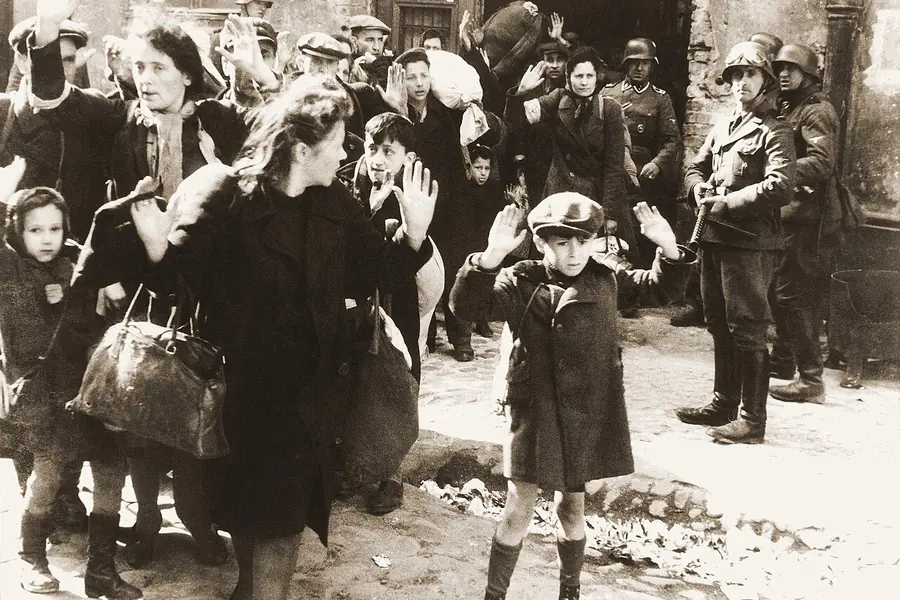
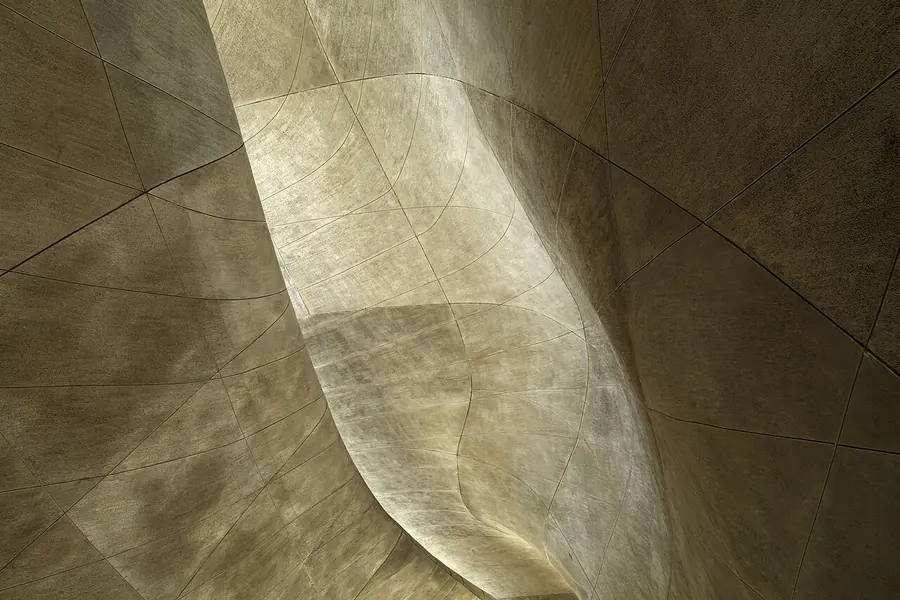
Set in the former ghetto district, the multi-award-winning POLIN tells the rich, thousand-year history of Polish Jews — not just the Holocaust but centuries of vibrant community. The architecture alone is worth the visit. Pair it with a quiet walk to the nearby Ghetto Heroes Monument and the surviving fragments of the ghetto wall.
Warsaw's royal park — peacocks, a palace on water, free Chopin recitals.
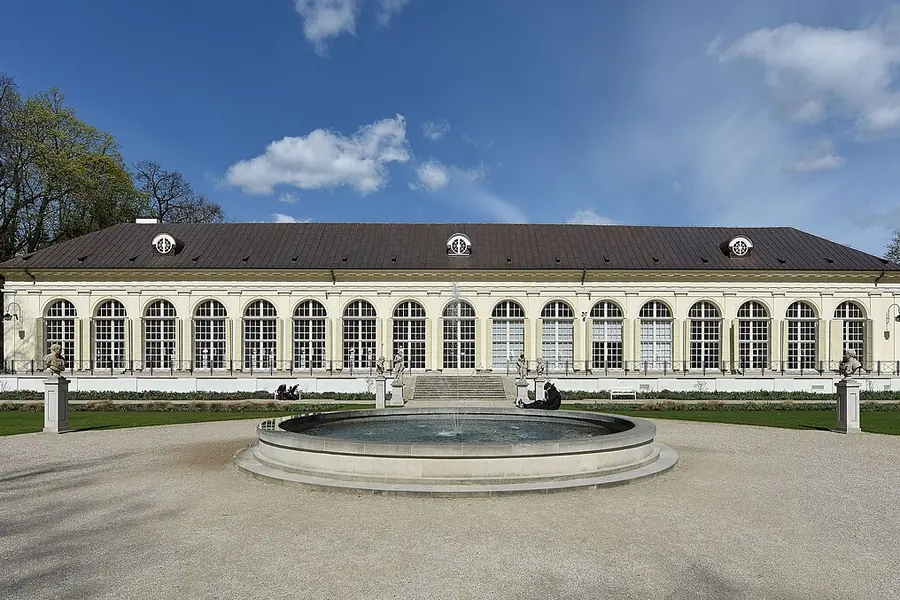
The city's loveliest green space, a sprawling royal park with the elegant Palace on the Isle, strutting peacocks, and red squirrels. In summer, free open-air Chopin piano concerts are held at the foot of the monumental Chopin Statue on Sunday afternoons. Bring a blanket and join the locals. Pure, civilised pleasure.
Stalin's looming 'gift' — and the city's best panoramic view.
Love it or loathe it, the Soviet-era skyscraper dominates the skyline, a controversial gift from Stalin that Varsovians have a complicated relationship with. Ride to the 30th-floor terrace for a sweeping view over the new glass towers rising around it. The contrast between this monolith and the modern city is the whole story of Warsaw in one panorama.
Crumbling tenements, street art, and the city's coolest creative scene.
Across the Vistula, Praga largely escaped the wartime destruction, so its pre-war tenements survive — pockmarked, atmospheric, and now full of artists' studios, courtyard shrines, and edgy bars. Wander Zabkowska Street, peek into the courtyards, and feel the un-restored, real Warsaw. Go by day first; it rewards curiosity.
A glowing collection of Cold War-era Polish neon signs.
Tucked in Praga's Soho Factory complex, this quirky museum preserves the elaborate neon signs that brightened communist-era Warsaw — a uniquely Polish art form the state once commissioned to cheer up grey streets. It's small, weird, and wonderful, and the surrounding former factory is full of design studios and good cafes. A perfect Praga afternoon.
A comfortable 2.5-hour ride to the unbombed medieval capital.
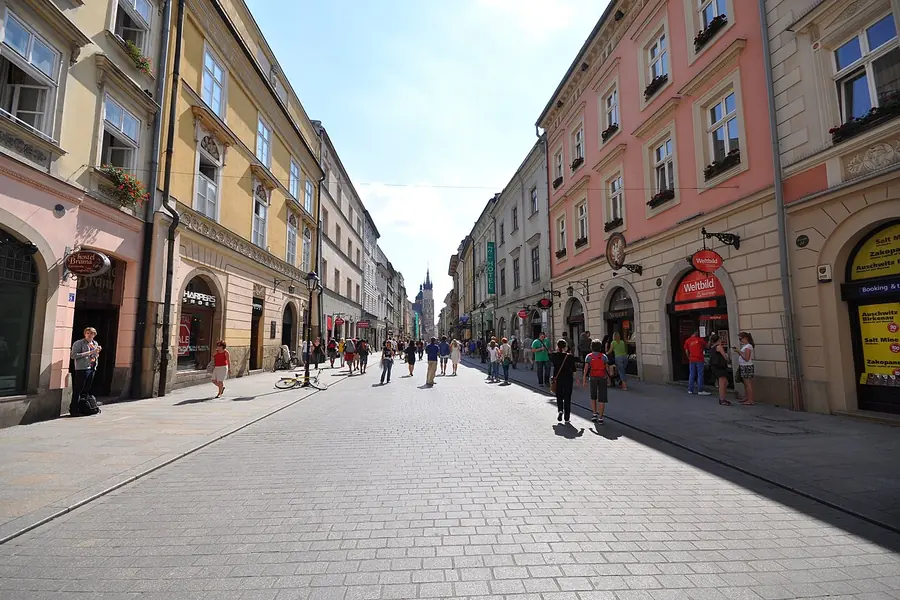
Take the fast EIP/EIC train from Warszawa Centralna to Krakow — under three hours, comfortable, and cheap if booked ahead on the PKP Intercity site. Krakow, unlike Warsaw, survived the war intact, so its medieval core is genuinely old. The contrast with Warsaw's rebuilt beauty is striking and well worth the trip.
Krakow Main Square & Wawel
Europe's largest medieval square and a hilltop royal castle.
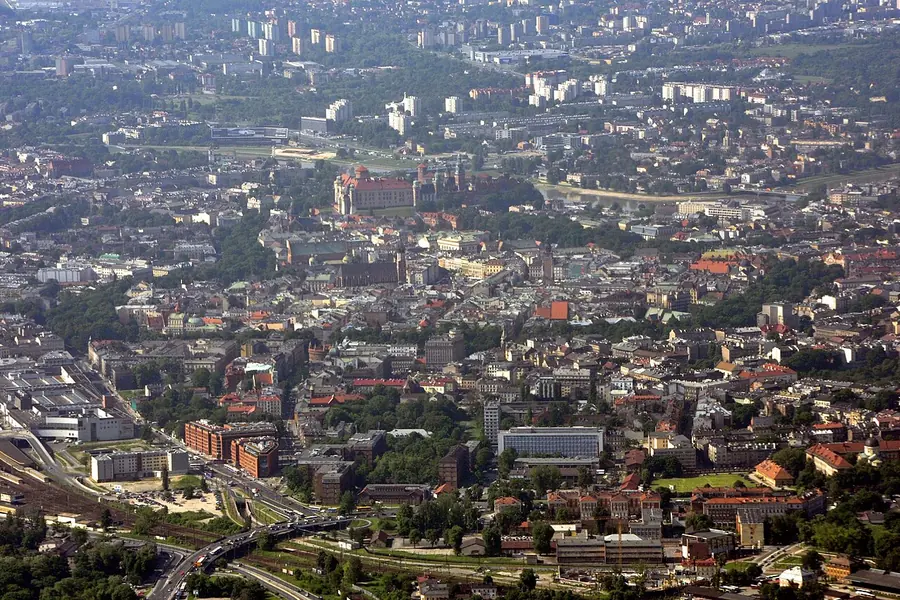
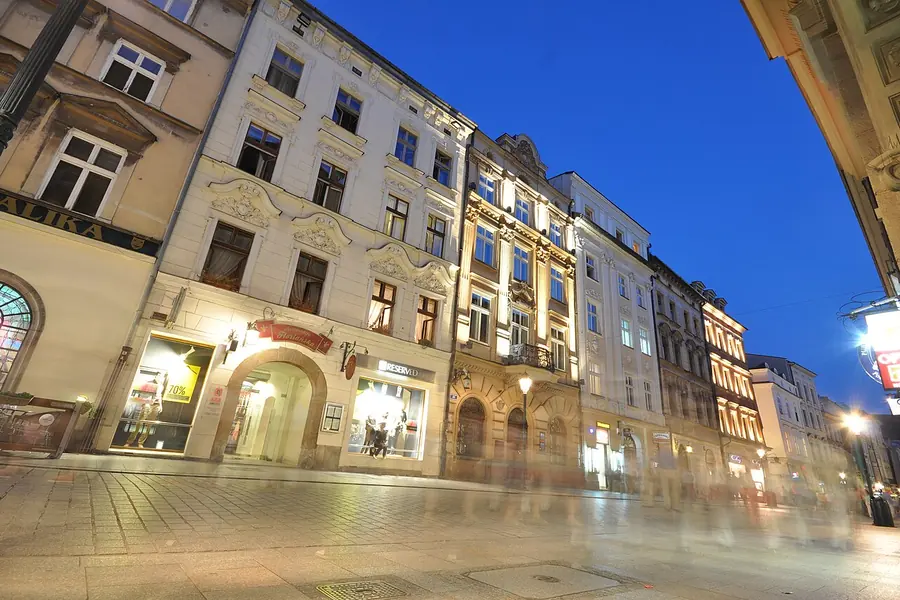
Krakow's Rynek Glowny is the biggest medieval market square in Europe, ringed by the Cloth Hall and St Mary's Basilica (listen for the trumpet call from the tower). Climb to Wawel Castle and Cathedral above the Vistula. Spend the afternoon wandering the genuinely ancient lanes and the historic Kazimierz Jewish quarter for dinner.
The former death camp, preserved as a memorial and warning.
An hour and a half from Krakow, the preserved camps of Auschwitz I and Birkenau are among the most important and harrowing places on earth. Entry is free but requires a booked guided tour in peak season. It is not a comfortable day, and it should not be — it is essential. Go with respect, allow most of the day, and travel by organised tour or arranged transfer.
Kazimierz, Krakow
Krakow's old Jewish quarter — soulful bars and zapiekanka.
Back in Krakow, the atmospheric Kazimierz district is the place to process the day over a quiet drink. Its candle-lit bars, klezmer music, and the famous zapiekanka (open-faced baguette) stalls of Plac Nowy make for a low-key, reflective evening before the train back to Warsaw tomorrow.
Day 7
Last of Warsaw and Farewell
The corners you missed and one last meal
Copernicus Science Centre
A brilliant hands-on science museum on the Vistula riverbank.
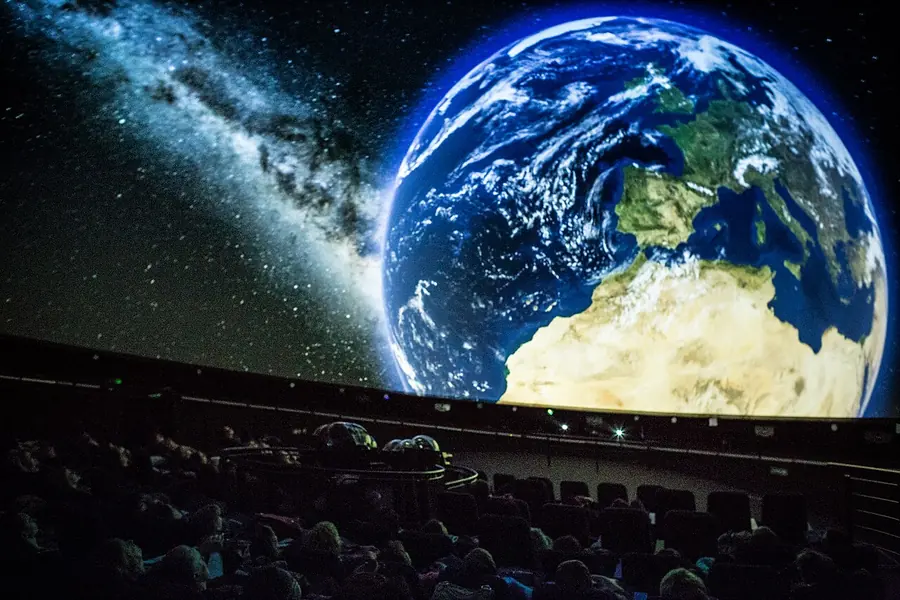
Back in Warsaw, this superb interactive science centre on the river is a joy for any age, with a planetarium and a rooftop garden overlooking the new riverside boulevards. The revitalised Vistula bank nearby — beaches, bars, and cycle paths — is where Warsaw summers now. A bright, optimistic note to end on.
A restored 1900s market hall turned buzzing food court.
End with a feast at Hala Koszyki, a gorgeously restored Art Nouveau market hall now packed with food stalls and bars — pierogi, Polish craft beer, ramen, you name it. It captures the new, confident, fun Warsaw perfectly. Graze across a few stalls, raise a final vodka, and toast a city that refused to disappear.
Warsaw is the most misunderstood capital in Europe. Travellers skip it for Krakow, assuming the prettier old town wins — and they miss the point entirely. Warsaw is a city that was deliberately erased and then rebuilt out of spite, brick by brick, from old paintings. Once you understand that, its slightly mismatched beauty stops being a flaw and becomes the most moving thing about it. This is a phoenix, and it knows it.
How to use this plan
The order matters here. Do the heavy history first — the extraordinary Warsaw Uprising Museum and POLIN — because they give the rebuilt Old Town its weight. Two days covers that core. A third day lightens the mood with Chopin’s parks and the modern city around the Palace of Culture. Four — my pick — crosses the river to gritty, creative Praga, the quarter the bombs spared, where the real, un-restored Warsaw still stands.
The 7-day version turns the trip into a journey through Poland’s past: the fast train south to genuinely medieval Krakow, the necessary pilgrimage to Auschwitz-Birkenau, and a return to the corners of Warsaw you didn’t have time for. It’s a heavier itinerary than most, but few trips will stay with you longer.
A few honest notes
Warsaw is one of the best-value capitals in Europe — a fine pierogi dinner with beer can cost a fraction of what you’d pay in the West, so eat and drink well. Book the Uprising Museum and Royal Castle slots ahead, and reserve Auschwitz tours weeks in advance in summer. Come May to September for the open-air Chopin concerts and the buzzing Vistula riverbank. And don’t compare it to Krakow. Warsaw isn’t trying to be charming; it’s trying to be honest, and that’s a rarer, better thing.
This article contains affiliate links marked with rel="sponsored". We may earn a commission at no extra cost to you.